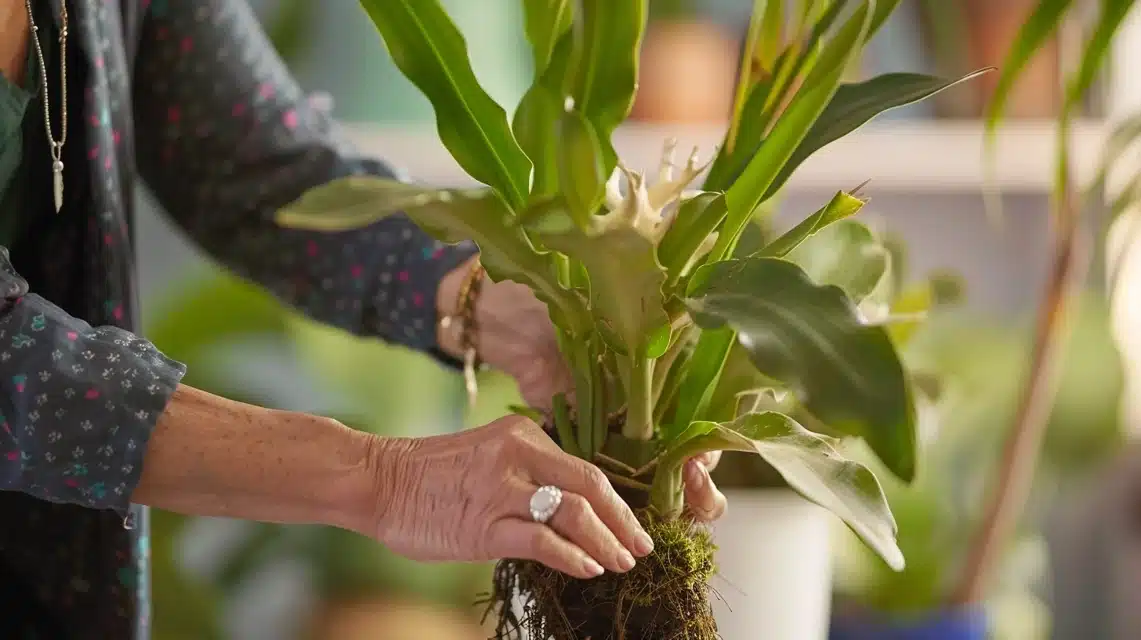
Aglaonema Care: How to Grow Chinese Evergreen Indoors?
Healthy-looking Aglaonema leaves can change quickly when light, water, or indoor conditions are slightly off.
That is why Aglaonema care works best when you understand what the plant is responding to instead of following a rigid routine. I have found that small adjustments often make more of a difference than frequent changes over time indoors.
If you are learning how to care for a Chinese evergreen, it helps to know which growing habits matter most and which signs deserve attention.
This blog covers light, watering, soil, humidity, pruning, maintenance, propagation, and common problems.
What is an Aglaonema?
Aglaonema is a tropical foliage plant native to the warm, humid regions of Asia. Commonly called Chinese evergreen, it belongs to the Araceae family and is widely grown indoors for its broad, patterned leaves.
Different Aglaonema varieties feature shades of green, silver, pink, and red. Some have mostly solid green foliage, while others display bold variegated markings that make them popular houseplants.
Green varieties contain more chlorophyll, so they generally tolerate lower light conditions better. Colorful cultivars with pink, red, or silver patterns usually need brighter indirect light to maintain their leaf color.
Aglaonema is also a slow-growing plant, so it does not require frequent repotting or regular pruning. Its steady growth and simple care needs make it a practical choice for busy households.
Popular Aglaonema Varieties for Indoor Growing

Aglaonema comes in wide varieties with different leaf colors and patterns. Choosing a variety that suits your space can make Aglaonema care easier because different types may have different light preferences.
| Variety | Leaf Color | Light Needs |
|---|---|---|
| Silver Bay | Silver-green leaves with soft patterns | Low to moderate |
| Maria | Deep green foliage | Low light tolerant |
| Valentine | Pink and red veining | Bright indirect light |
| Red Anjamani | Deep red leaves | Bright indirect light |
| Silver Queen | Silver and gray-green foliage | Low to moderate |
How to Care for a Chinese Evergreen After Bringing it Home

A new Aglaonema needs time to adjust after coming home. Changes in light, temperature, and watering can affect how the plant settles into its new environment.
If you are learning how to care for a Chinese evergreen, the first few weeks are about observation and patience. Avoid making too many changes at once and give your plant time to respond.
Step 1: Choose a Healthy Plant Before You Buy
Starting with a healthy plant makes Aglaonema care easier from the beginning. A strong plant usually adjusts better and has fewer issues after bringing it home.
Things to look for:
- Choose plants with firm, healthy leaves.
- Avoid leaves with yellowing or brown edges.
- Skip plants sitting in soggy soil or standing water.
- Check the undersides of leaves for pests before buying.
- Avoid plants placed near drafty doors or AC vents.
Step 2: Handle the First Unboxing or Unwrapping Carefully
Transport can temporarily affect an Aglaonema’s appearance. A little drooping or dull color after shipping is common and does not always mean the plant is unhealthy.
Tips after bringing it home:
- Remove plastic sleeves, packaging, or support stakes.
- Let the leaves breathe after unwrapping.
- Give the plant a short rest before placing it in a new spot.
- Avoid moving it directly into strong light after transport.
Step 3: Check the Plant’s Condition
Before adding your Aglaonema to your indoor plant collection, take a few minutes to inspect it. Early checks can help you notice problems before they become bigger issues.
Things to check:
- Look under leaves for pests or unusual marks.
- Check if the soil feels too dry or too wet.
- Remove damaged leaves with clean scissors.
- Keep affected plants separate if pests appear.
Step 4: Give it Time to Adjust
A new Aglaonema may need a few weeks to settle into indoor conditions. During this period, stable surroundings are key to successful Aglaonema care.
Tips for a smooth adjustment:
- Keep the plant in one stable location.
- In most cases, allow 2–4 weeks for adjustment.
- Avoid cold drafts and strong air vents.
- Hold off on repotting right away.
- Do not worry about one or two dropped leaves after moving.
Aglaonema Light Requirements: How Much Light Does It Need?
Light plays an important role in Aglaonema care because different varieties respond differently to indoor conditions. The right placement can help your plant maintain healthy leaves and natural patterns.
- Green varieties: Tolerate lower light because they have more chlorophyll.
- Colorful varieties: Need brighter indirect light to maintain pink, red, and silver tones.
- Best placement: Keep your Aglaonema near east- or north-facing windows.
- Bright windows: Place it a few feet away from strong sunlight.
- Sheer curtains: Help filter harsh rays while allowing light through.
- Direct sun: Can scorch leaves and cause brown patches.
Aglaonema tolerates fluorescent lighting, making it ideal for offices and windowless rooms. Pair it with other low-maintenance options from this list of resilient indoor plants.
How Often Should You Water an Aglaonema?
Watering is one of the most important parts of Aglaonema care. The plant prefers soil that stays slightly moist but does not remain wet for long periods.
Avoid following a strict watering schedule. Instead, check the soil first. If the top 1–2 inches feel dry, your Aglaonema is usually ready for water.
| What to Check | Underwatering Signs | Overwatering Signs |
|---|---|---|
| Leaves | Drooping or curling leaves | Yellowing leaves |
| Leaf edges | Dry, crispy edges | Soft or damaged leaves |
| Soil condition | Very dry potting mix | Soil stays wet for too long |
| Plant health | Leaves look limp or stressed | Mushy stems or root issues |
| Soil smell | Normal dry soil smell | Sour or unpleasant odor |
Tip: Water less often during winter when growth slows. Always drain extra water from the saucer after watering.
Best Soil and Pot for Aglaonema
Choosing the right soil is an important part of caring for a Chinese evergreen indoors. Aglaonema grows best in a loose mix that holds some moisture while allowing extra water to drain away.
A quality indoor potting mix works well when combined with materials like perlite or orchid bark. These additions improve airflow around the roots and help prevent overly wet soil.
Choose a pot with drainage holes because trapped water can damage the root system. Terracotta pots can also help people who tend to overwater because they allow moisture to escape more easily.
Clemson University recommends using a commercial soilless mix with extra humus for Chinese evergreen plants. A suitable pot and soil combination helps create the conditions Aglaonema needs for healthy root growth.
Pot sizing note: Move your Aglaonema to a pot only 1–2 inches wider. Oversized containers retain excess moisture, increasing root rot risk in this slow-growing plant.
Aglaonema Temperature and Humidity Requirements

Aglaonema prefers warm indoor conditions similar to its tropical origin. Stable temperatures and moderate humidity help the plant maintain healthy foliage.
- Ideal temperature: Keep your Aglaonema between 68–80°F for steady growth.
- Avoid cold drafts: Keep it away from open windows, doors, and air-conditioning vents.
- Average humidity: Normal household humidity is usually enough for Aglaonema.
- Very dry air: Use a humidifier or pebble tray only when indoor air feels extremely dry.
- Watch leaf tips: Brown, crispy edges can signal dry air or inconsistent care.
Aglaonema does not tolerate temperatures below 60°F. Sustained exposure to cold even from a nearby air conditioning vent or drafty windowsill in winter can cause leaf drop and slow recovery.
Tip: I have found that keeping Aglaonema away from sudden temperature changes makes a noticeable difference.
How to Propagate Aglaonema Indoors
Propagating Aglaonema is a rewarding way to grow new plants once the parent plant becomes mature and crowded. The two most reliable methods are division and stem cuttings.
Division is the easiest option and works best during spring repotting. Gently separate the root mass into sections, making sure each division has healthy stems and roots, then pot them individually in fresh, well-draining soil and water lightly.
For stem cuttings, cut a 4–6 inch healthy stem just below a leaf node using clean pruners. Place it in water or moist potting mix and keep it warm in bright, indirect light.
Water-grown cuttings usually develop roots within three to four weeks. Since Aglaonema grows slowly, successful propagation requires patience while new roots and foliage become established.
How to Prune and Maintain Aglaonema
Regular upkeep helps your Aglaonema stay neat, healthy, and easier to manage. A few simple habits can support long-term Aglaonema care without making the routine complicated.
- Prune damaged leaves: Cut yellow, brown, or damaged leaves close to the base with clean shears.
- Remove spent flowers: Trim old blooms once they fade to keep the plant tidy.
- Clean the leaves: Wipe broad leaves with a soft, damp cloth to remove dust and buildup.
- Check for pests: Inspect the undersides of leaves while cleaning for mealybugs, spider mites, or scale.
- Rotate the pot: Turn it occasionally so growth stays more even on all sides.
- Repot when needed: Move it to a larger pot when roots become crowded, or growth slows.
- Feed during active growth: Use a balanced fertilizer in spring and summer.
- Skip winter feeding: Reduce fertilizer when growth naturally slows.
Tip: It is easier to combine pruning, cleaning, and pest checks into one quick maintenance routine.
Is Aglaonema Toxic to Pets and Children?
Aglaonema is not considered safe to eat because it contains insoluble calcium oxalate crystals.
These crystals can irritate the mouth, lips, and throat if the plant is chewed or swallowed. For that reason, keep it out of reach of pets and young children.
In pets, chewing the leaves may cause drooling, pawing at the mouth, or trouble swallowing. In children, contact with the sap or plant tissue can also cause irritation. The severity can vary depending on how much was exposed.
If a pet eats Aglaonema, contact a veterinarian for advice. If a child swallows part of the plant, contact poison control or a healthcare professional. Place the plant where it cannot be easily reached to reduce the risk.
Common Aglaonema Care Problems and Solutions
Even with proper Aglaonema care, plants can sometimes show signs of stress. Leaf changes often provide clues about what the plant needs. Use these signs to find the cause and fix the issue early.
| Problem | Possible Cause |
Solution |
|---|---|---|
| Yellow leaves | Too much moisture |
Review watering habits |
| Brown leaf tips | Dry air, uneven care, or fertilizer buildup |
Adjust plant conditions |
| Drooping leaves | Water or temperature stress |
Check recent changes |
| Scorched leaves | Direct sunlight |
Move away from harsh sun |
| Faded leaf color | Low light |
Improve light conditions |
| Pests | Mealybugs, spider mites, scale, or aphids |
Isolate and treat the plant |
Final Thoughts
Aglaonema care becomes much easier when you pay attention to the plant’s signals and keep its environment consistent. Small changes in light, moisture, temperature, or routine can affect how the leaves look over time.
I find that checking the soil, leaf condition, and placement regularly helps prevent minor issues from becoming bigger problems. Once you understand how to care for a Chinese evergreen, maintenance feels far more manageable.
Keep observing your plant, adjust its routine when needed, and use these care tips to support steady, healthy indoor growth.
Frequently Asked Questions
Can Aglaonema Grow Flowers Indoors?
Yes, Aglaonema can produce small flowers indoors, but many growers keep the plant mainly for its decorative foliage.
Can I Keep Aglaonema In My Bedroom?
Yes, Aglaonema can be kept in bedrooms if the room provides suitable light and stable indoor conditions.
Why Are My Aglaonema Leaves Curling?
Curling leaves can result from underwatering, cold drafts, low humidity, or stress after a sudden change in conditions.