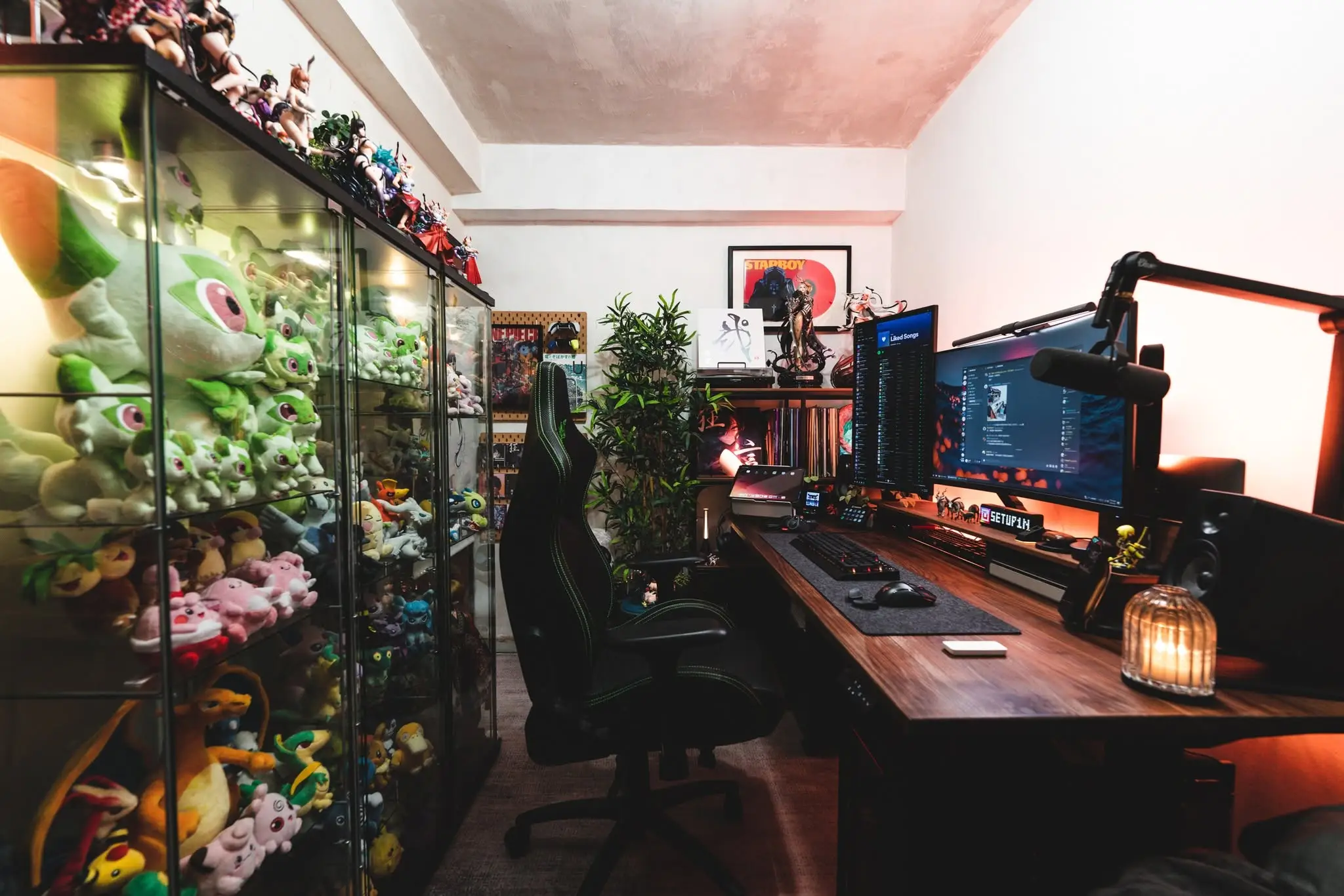
How to Design a Game-Night Corner That Still Looks Like Home
A dedicated game room sounds very appealing until you realize how much space it can consume.
For many homes, a better solution is a game-night corner: a section of the living room, den, or spare room designed for play without looking like it belongs in an electronics showroom.
Let the Living Room Do Double-Duty
The easiest way to create a game-night area is to start with furniture that already makes sense in a living space.
A compact round or square table can work particularly well. It provides enough surface for cards and board games while remaining useful for coffee, homework, puzzles, or casual meals.
If space is tight, look for a table with a smaller footprint, a pedestal base, or leaves that can be expanded when guests arrive. Avoid buying a specialized table simply because it is marketed as a gaming product.
Seating deserves the same treatment. A pair of comfortable dining chairs may be more useful than oversized gaming chairs.
For console gaming, a compact sofa or sectional can accommodate several players without visually dominating the room.
Think about what happens between games, too. If the furniture is comfortable enough for conversation, reading, or watching television, the space will naturally feel like part of the home.
Choose Color for the Mood, Not the Theme
Gaming spaces often fall into an easy visual trap: black furniture, bright LED strips, and aggressive accent colors.
It can work in a dedicated setup, but it can feel disconnected when the gaming area shares space with the rest of the house.
Instead, borrow your colors from the existing room.
Deep blue, olive green, charcoal, warm brown, or muted rust can create a more relaxed backdrop without making the area feel bland.
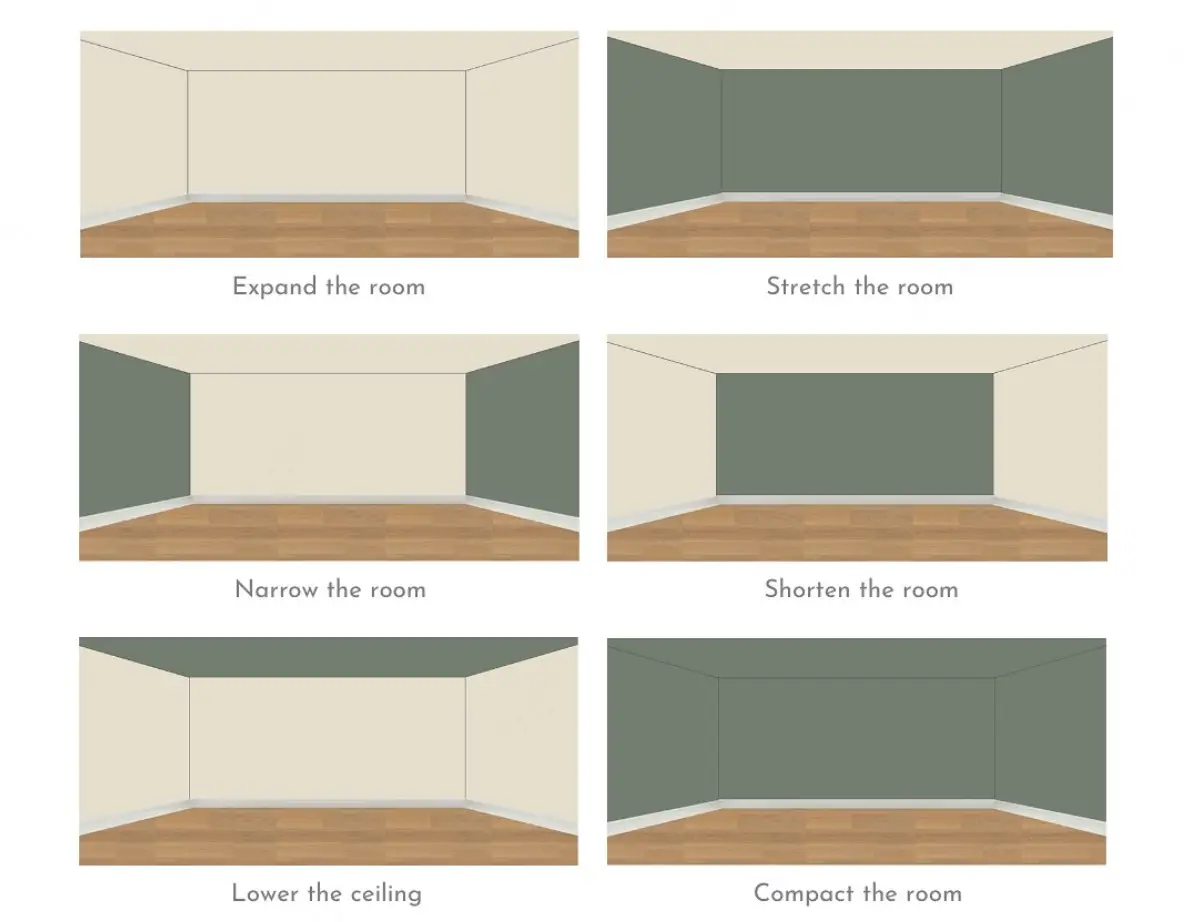
If the room receives plenty of natural light, a darker wall can add more depth. In a smaller or naturally dim space, use the darker color selectively and keep the surrounding walls lighter.
A colorful chair, framed poster, patterned cushion, or rug can provide the visual accent without turning the entire room into a themed set.
Texture is equally important. Wood, woven upholstery, leather, wool, and matte metal help soften the presence of screens and electronics. A useful rule is to balance hard technology with tactile materials.
Spend Money Where Gamers Will Actually Notice
Some purchases look impressive but provide little benefit once the novelty wears off.
A giant gaming chair is a good example. A large chair with prominent branding may overwhelm a small living space.
A well-made upholstered chair can provide the same basic comfort while remaining useful for other activities.
A comfortable seat matters during a long session. A stable table matters when cards, pieces, or controllers are spread across it.
Good cable management prevents the floor from becoming a hazard. A nearby charging station means controllers and devices have a predictable home.
Side tables or a sturdy tray give players somewhere to put drinks without balancing them beside expensive electronics.
Even an activity that does not require physical equipment, such as online Pusoy, benefits from the same principle: the surrounding space should make sitting down, playing, and taking a break comfortable.
In other words, prioritize the boring infrastructure before the flashy accessories.
Make the Mess Easy to Hide
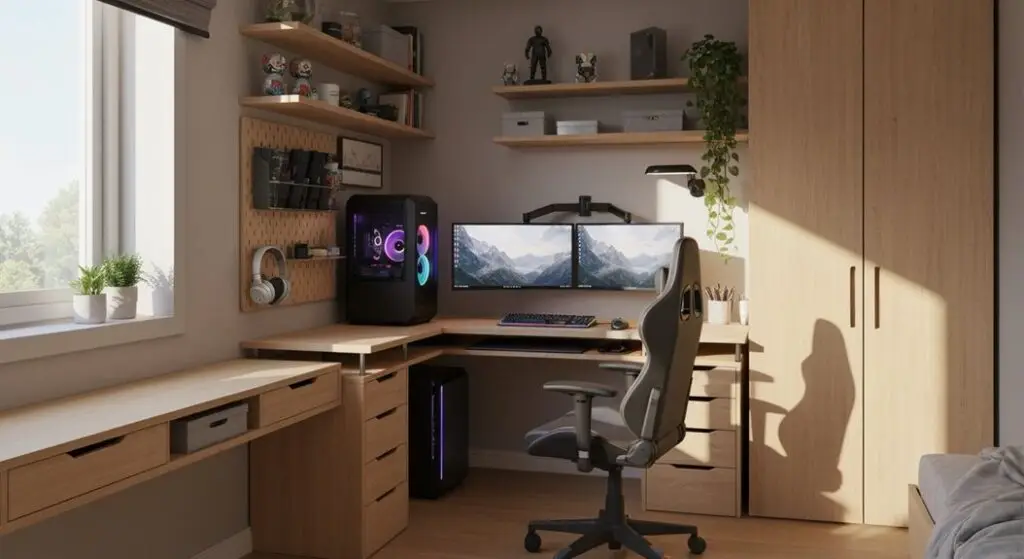
Controllers, charging cables, headphones, cards, dice, board-game boxes, remotes, and snacks can quickly turn a carefully designed room into a cluttered one.
The solution is not simply to own fewer things. Give the things you already use a convenient place to go.
A media console with drawers can hide controllers and cables. Storage ottomans can hold accessories while providing additional seating. Floating shelves can display a few favorite games or collectibles without consuming floor space.
Be selective with display items. Gamers may genuinely enjoy showing off a favorite console, collection, or piece of memorabilia, but displaying everything at once creates visual noise.
The same goes for wall décor. One large print or a small collection of meaningful pieces will usually look more deliberate than covering every available wall with posters.
If the room can be reset in five minutes after friends leave, the design is doing its job.
Make Practicality Part of the Style
The most successful game-night corners do not hide their practical features. They make those features look intentional.
Choose upholstery that can handle regular use. Favor washable or easy-to-clean fabrics when snacks and drinks are likely to be involved.
A low-pile or flatweave rug is generally easier to live with than a thick, high-pile carpet when chairs need to move around a table.
Game-room design guidance also recommends flooring that can tolerate the inevitable spills. Keep drinks away from expensive electronics with a few strategically placed side tables.
Leave enough clearance around seating so someone can stand up without forcing everyone else to move.
A wooden table can bring warmth to a room filled with technology. A textured rug can define the game zone without installing a physical divider. A few plants or pieces of artwork can make the area feel finished.
The best game-night corner is the one that makes people want to sit down and play while remaining pleasant when the games are packed away.