How Often Should Your Property’s Electrical System Be Inspected?
I once visited a home where the electrical system appeared perfectly normal. The lights worked, the appliances ran, and the switchboard made no unusual sounds. During renovation planning, however, an electrician found deteriorated wiring hidden behind the walls. The problem had given the owners no clear warning.
Electrical faults often develop quietly. Connections loosen, insulation ages, circuits become overloaded and moisture reaches fittings long before a complete failure occurs. Periodic inspections give homeowners, landlords and business operators a chance to find these problems before they lead to shocks, fires, damaged equipment or extended power loss.
How Frequently Should a Home Be Inspected?
There is no single inspection interval suited to every Sydney home. As a practical maintenance guide, many owner-occupied properties can benefit from a professional electrical inspection about every five years. Older properties, rental homes and buildings exposed to moisture, pests or heavy electrical demand may need more frequent checks.
An inspection should also be arranged when a property changes ownership, undergoes renovation or develops warning signs. Homes built before the 1980s deserve particular attention because they may contain aged wiring or electrical equipment that does not match present-day household demand. NSW Government guidance recommends having older wiring checked by a licensed electrician. NSW Government electrical safety guidance
A practical schedule may look like this:
- Modern owner-occupied home: About every five years, subject to condition
- Older home: Arrange an inspection now if its wiring history is unknown
- Rental property: At the start of a tenancy and whenever faults are reported
- Recently purchased property: Before settlement where possible, or soon after
- Renovated property: Before major work and after electrical alterations
- Commercial site: At intervals based on equipment, environment and workplace risk
- Storm or flood-affected property: Before damaged electrical systems are used again
These timeframes are maintenance guides, not substitutes for site-specific advice. A licensed electrician can recommend a schedule after reviewing the property’s age, switchboard, usage and installation condition.
When to Call a Residential Electrician in Sydney
A scheduled inspection is useful, but unusual behaviour should bring the appointment forward. Electrical problems rarely improve on their own. A warm outlet, intermittent light or repeatedly tripping circuit may be an early signal of a more serious fault.
Call a residential electrician Sydney promptly when you notice:
- Frequently tripping circuit breakers
- Safety switches that will not reset
- Buzzing or crackling from outlets or switches
- Flickering or dimming lights
- Burning smells
- Warm or discoloured power points
- Sparks when connecting an appliance
- Damaged cords or exposed wiring
- Tingling from taps or appliances
- Water near switches, lights or electrical equipment
- Repeated blown fuses
- Unexplained power loss in part of the home
If there is smoke, fire, an electric shock or an immediate threat to life, keep away from the affected equipment and contact emergency services. Do not touch a person who remains in contact with a live electrical source.
What Does an Electrical Inspection Cover?
A professional inspection examines more than whether the lights switch on. The electrician reviews accessible parts of the installation, tests selected components and looks for conditions that may expose people or property to harm.
The scope will vary with the building and reason for inspection. A pre-purchase assessment may differ from a fault investigation or a workplace maintenance visit. Property owners should request a written scope before work begins.
An inspection may include:
- Switchboard condition
- Circuit breakers, fuses and safety switches
- Earthing arrangements
- Accessible wiring
- Power points and switches
- Lighting circuits
- Signs of overheating or arcing
- Electrical connections in wet areas
- Outdoor power and lighting
- Smoke alarm connections
- High-demand appliances
- Solar and battery-related components where included
- Visible evidence of unsafe alterations
Testing may also reveal problems that cannot be seen during a visual check. The electrician should explain any defects found, the urgency of repairs and which items are recommended upgrades rather than immediate hazards.
Test Safety Switches Between Inspections
Safety switches, also called residual current devices or RCDs, monitor current flow and disconnect power when leakage is detected. They are designed to reduce the risk of severe electric shock, while circuit breakers mainly protect wiring and circuits from overloads and faults.
NSW Government guidance advises testing household safety switches every six months using the test button. It also reports that electrical faults and appliances contribute to 40% of house fires in NSW each year, illustrating why regular checks matter. NSW Government electrical safety guidance
To perform the user test:
- Tell everyone in the property that power may be interrupted.
- Save computer work and safely stop sensitive equipment.
- Locate each switch marked with a “T” or “Test” button.
- Press the test button.
- Check that the switch trips and the protected circuit loses power.
- Reset the switch according to its operating instructions.
- Contact a licensed electrician if it fails to trip or reset.
The test button does not replace professional testing. It provides a simple interim check that the mechanical tripping function responds. An electrician can test performance and identify circuits that may not have suitable safety-switch protection.
Why Property Age Changes the Inspection Schedule
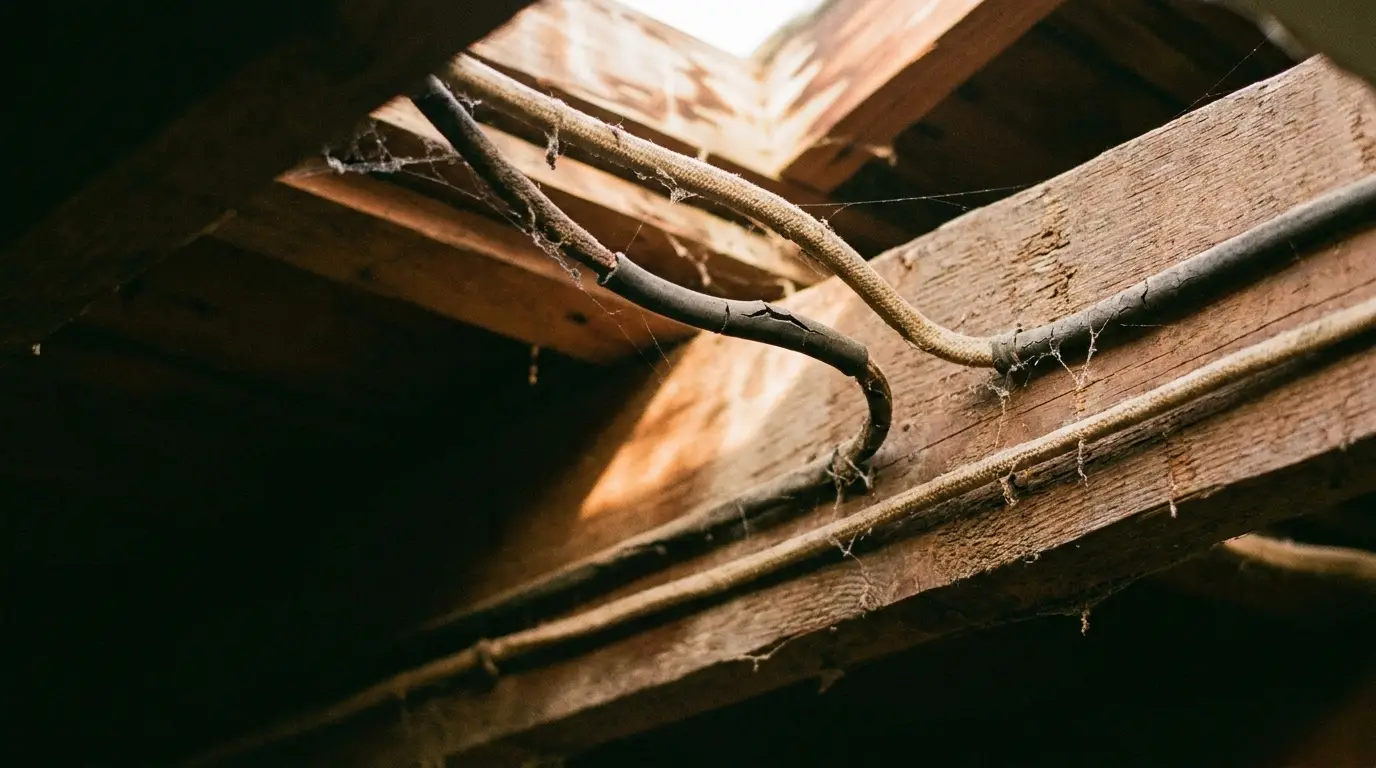
Electrical systems do not age at the same rate. Wiring type, previous workmanship, environmental exposure and changes made by former owners all affect condition. A well-maintained older home may be safer than a newer property with poor alterations.
Many older homes were designed when households used fewer high-demand appliances. Air conditioning, induction cooking, clothes dryers, entertainment systems, home offices, pool equipment and electric vehicle charging can place new demands on existing circuits.
An older property inspection may focus on:
- Deteriorated cable insulation
- Ceramic fuses or ageing switchboards
- Limited safety-switch coverage
- Overloaded power points
- Improvised extensions
- Unrecorded alterations
- Damaged earthing components
- Heat marks around connections
- Wiring affected by rodents
- Circuits that no longer suit current usage
Age alone does not prove that wiring is unsafe. It does mean the installation history and capacity deserve closer review, especially when no recent inspection records are available.
Electrical Inspections for Rental Properties
Landlords have responsibilities relating to the safety and habitability of rental properties. Electrical faults should be addressed promptly, and safety switches should be checked as part of tenancy condition processes.
A good rental maintenance program records the switchboard condition, safety-switch tests, reported faults and electrical repairs. New tenants should also know where the switchboard is located and how to report an electrical problem.
An inspection is sensible:
- Before a new tenant moves in
- When the electrical history is incomplete
- After a tenant reports shocks, sparks or tripping
- Following water damage or a major storm
- Before installing high-demand appliances
- After unauthorised or questionable alterations
- When the building has old wiring
- During planned property upgrades
Electrical work in NSW must be completed by an appropriately licensed electrician. Following relevant electrical installation work, the electrician should provide the required compliance documentation for the work performed.
Inspection Needs in Commercial Properties
Commercial premises often contain more equipment, users and operating hours than homes. Offices, restaurants, workshops, warehouses and retail sites also face different hazards, so one fixed inspection cycle cannot cover every workplace.
A qualified commercial electrician in Sydney can help develop a risk-based maintenance program for switchboards, fixed wiring, lighting, machinery supplies and other installed systems. Portable equipment may also have separate inspection and testing requirements.
SafeWork NSW states that plug-in equipment used in conditions likely to cause damage or reduce its service life must be regularly inspected and tested by a competent person. The frequency depends on the workplace and the risks surrounding the equipment. SafeWork NSW electrical inspection and testing
Higher-risk conditions can include:
- Moisture and frequent washing
- Heat or corrosive substances
- Dust
- Vibration
- Repeated movement of equipment
- Mechanical damage
- Outdoor use
- Construction or demolition activity
- Heavy public access
- Long daily operating hours
Commercial property managers should keep inspection records, repair reports and dates for future testing. Clear documentation helps prevent missed checks and shows which faults have been rectified.
Arrange an Inspection After Renovations
Renovations can expose or disturb wiring, even when electrical work is not the project’s main focus. Removing walls, drilling into ceilings, replacing kitchens and altering bathrooms can bring workers close to hidden cables.
An inspection before construction can identify switchboard limitations and help plan new circuits. This reduces the chance of discovering capacity problems after cabinetry, plaster or finishes have been installed.
Electrical planning may cover:
- New lighting positions
- Additional power points
- Kitchen appliance circuits
- Bathroom electrical zones
- Air conditioning
- Data and communications cabling
- Outdoor lighting
- Security equipment
- Solar and battery systems
- Electric vehicle charging
- Future appliance demand
Only licensed professionals should complete electrical installation work. DIY electrical alterations can expose occupants and tradespeople to shock, fire and insurance problems.
Inspect After Storms, Flooding or Water Damage
Water and electricity are a dangerous combination. After a flood, roof leak or severe storm, wiring and electrical equipment may remain unsafe even when surfaces appear dry.
Do not restore power to water-affected circuits or operate wet electrical equipment without professional advice. Solar panels and associated cabling can continue producing electricity when mains power is disconnected, so they must still be treated as live.
Arrange an urgent inspection when:
- Floodwater enters the property
- The switchboard becomes wet
- Water runs through ceiling lights
- Roof damage affects solar equipment
- Outdoor fittings are submerged
- Lightning appears to damage appliances
- A tree strikes overhead electrical infrastructure
- Power points show moisture or staining
Keep people away from affected areas until the electrical risk has been reviewed. Building repairs should not begin around damaged wiring without clear instructions from qualified professionals.
What Happens After an Inspection?
The electrician should explain the condition of the system and separate urgent defects from recommended improvements. A clear report allows property owners to prioritise repairs according to safety, legal duties, disruption and budget.
Not every older component requires immediate replacement. Some items may remain serviceable but need monitoring, while others may pose an active risk and require isolation or repair.
A useful report may include:
- Areas and equipment inspected
- Tests completed
- Defects found
- Photographs where helpful
- Risk or repair priority
- Recommended rectification work
- Limitations of the inspection
- Suggested date for the next check
- Relevant compliance documents
- Details of any isolated circuits
Keep this report with property maintenance records. It can support future renovations, insurance enquiries, tenancy management and discussions with other electricians.
Create a Practical Electrical Maintenance Plan
A maintenance plan should combine periodic professional inspections with simple checks by occupants. Residents and employees should know how to report damaged fittings, unusual smells, tripping circuits and other warning signs.
Property owners can keep a basic electrical register containing the date of each inspection, repairs completed, switchboard upgrades, safety-switch tests and compliance certificates. This replaces guesswork with a clear history.
A practical routine can include:
- Test safety switches every six months
- Visually check cords, plugs and outlets regularly
- Review the switchboard after adding major appliances
- Arrange professional inspections based on age and risk
- Bring inspections forward when warning signs appear
- Record all repairs and upgrades
- Use licensed electricians for electrical work
- Review commercial testing intervals when workplace conditions change
Electrical maintenance should respond to the property rather than follow a calendar blindly. A five-year inspection may suit one home, while an older rental or demanding workplace may need closer attention.
Make Electrical Safety Part of Property Care
An electrical system works silently behind walls, ceilings and switchboards, which makes it easy to forget until something fails. Periodic inspections bring hidden conditions into view and give property owners time to act before a small defect becomes an emergency.
Review the age of your property, its electrical history and any recent warning signs. If records are missing, the wiring is old or circuits regularly trip, arrange an inspection with a licensed electrician. A planned check is far safer and easier to manage than an unexpected shutdown, electric shock or fire.
Frequently Asked Questions
How Often Should a Residential Electrician in Sydney Inspect a Home?
A practical guide is to arrange an inspection about every five years, although older homes, rental properties and buildings with heavy electrical demand may need more frequent checks.
A residential electrician in Sydney can recommend a schedule based on the property’s age, wiring condition, switchboard and previous modifications. Warning signs such as tripping circuits, buzzing outlets or burning smells require earlier attention.
When Should I Call a Residential Electrician in Sydney Immediately?
Call a residential electrician in Sydney promptly for sparking, burning smells, warm or discoloured outlets, repeated circuit trips, exposed wiring or safety switches that will not reset. Tingling from taps or appliances also needs urgent attention.
Keep away from damaged equipment and wet electrical areas. If there is fire, smoke, electric shock or immediate danger, contact emergency services and do not touch anyone who may still be connected to electricity.
Can a Residential Electrician in Sydney Inspect an Older Switchboard?
Yes. A residential electrician in Sydney can check the switchboard’s condition, circuit protection, safety-switch coverage and signs of overheating or previous alterations.
Older switchboards are not automatically unsafe, but they may lack features suited to present-day household demand. The electrician can explain whether repairs, added protection or a switchboard upgrade would be appropriate based on the installation’s condition.
Should I Hire a Residential Electrician in Sydney Before Buying a House?
An electrical inspection before purchase can reveal ageing wiring, limited safety-switch protection, damaged fittings or a switchboard that may need upgrading. This information can help buyers understand likely repair costs.
A residential electrician in Sydney should provide a clear scope because a standard building inspection may not include detailed electrical testing. Where pre-settlement access is unavailable, arrange an inspection soon after taking possession.
What Records Should a Residential Electrician in Sydney Provide?
Ask for an inspection report describing the areas checked, tests completed, defects identified and recommended repairs. The report should distinguish urgent hazards from maintenance suggestions.
When electrical installation work is completed, the residential electrician in Sydney should supply applicable compliance documentation. Keep reports, invoices and certificates with the property’s maintenance records so future owners, tenants and tradespeople can understand its electrical history.