What Should You Include in a Property Painting and Maintenance Plan?
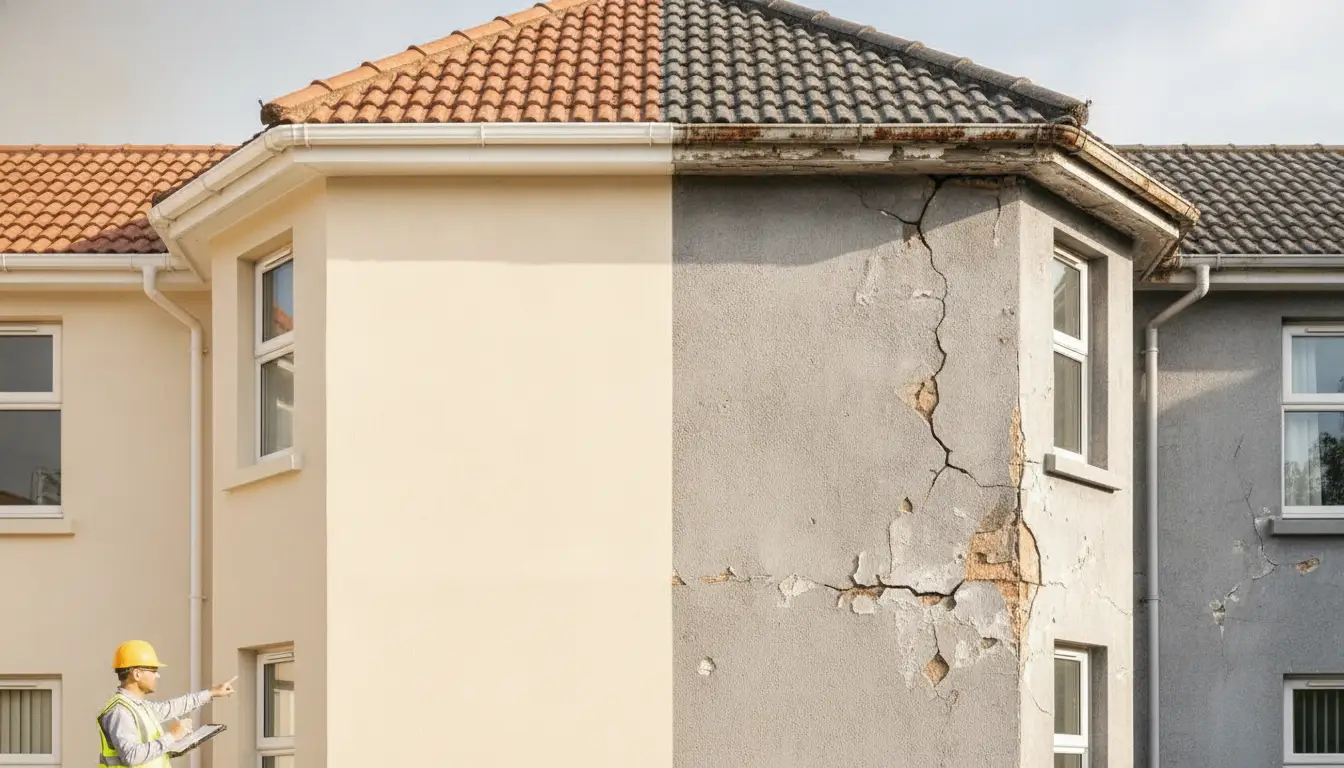
I once visited a property where the entrance looked freshly painted, yet the rear walls told a different story. Peeling coatings surrounded the windows, rust marks ran from the gutters and fine cracks had spread through several rendered surfaces. The owners had invested in appearance, but the building had no coordinated maintenance plan. Small defects had quietly grown behind the polished façade.
Paint is more than decoration. It acts like a protective coat for timber, metal, masonry and roofing materials. A structured painting and maintenance plan helps property owners identify deterioration early, prioritise spending and keep every part of the building presentable. For strata managers, it can also create a clearer process for budgeting, communicating with occupants and scheduling work with less disruption.
Start with a Detailed Property Condition Assessment
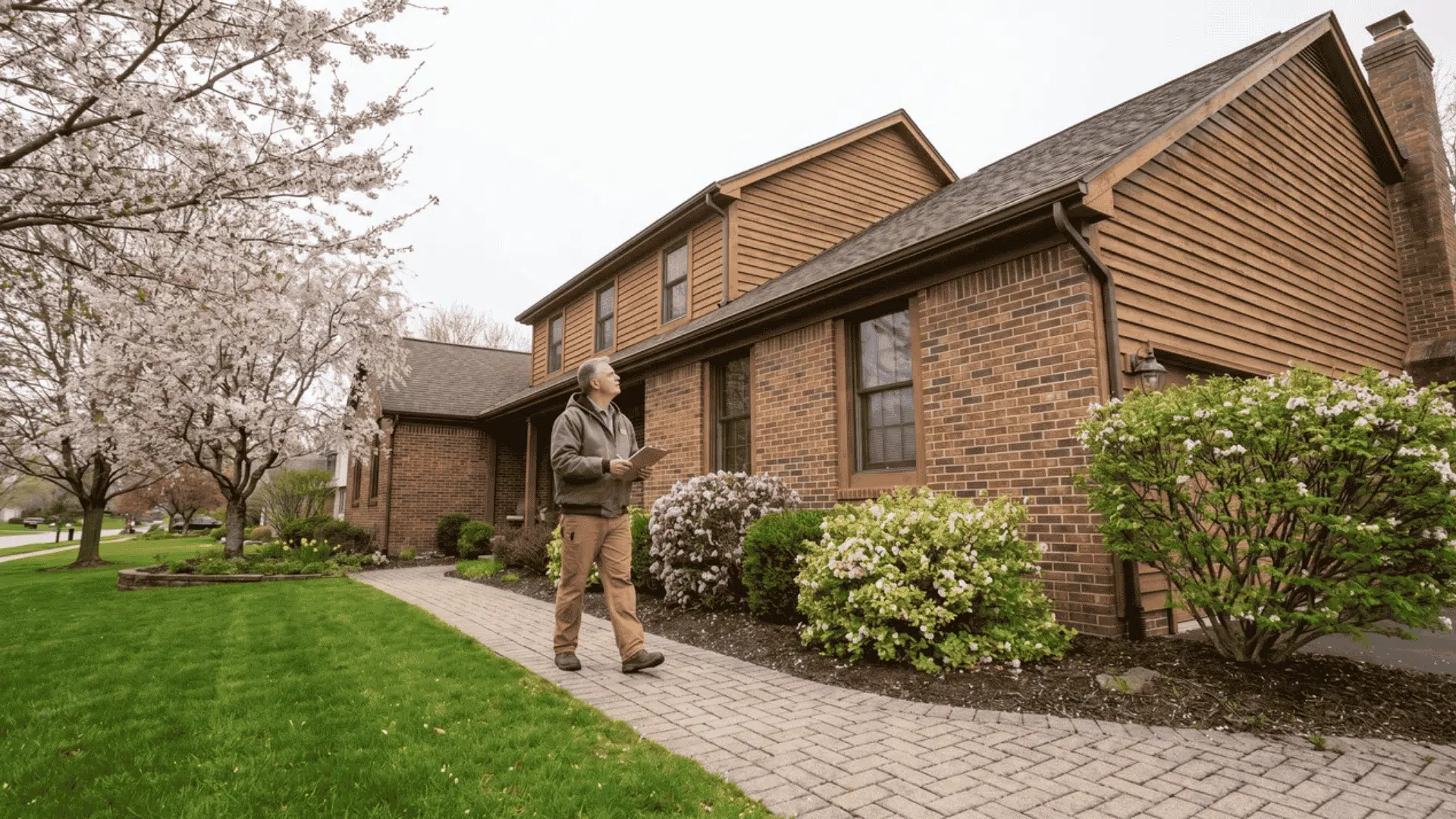
A useful maintenance plan begins with an accurate record of the property’s present condition. Walking around the building without a checklist can lead to missed defects, particularly on roofs, upper-storey walls and areas hidden behind landscaping.
The inspection should cover internal and external painted surfaces, along with building components that affect paint performance. Water leaks, failed sealants and damaged gutters must be addressed before repainting, or the same coating problem may return.
Record details such as:
- Peeling, bubbling, chalking or flaking paint
- Cracks in render, masonry and plaster
- Water stains, mould and mildew
- Rust on metal surfaces and fixings
- Timber swelling, splitting or decay
- Failed sealant around windows and doors
- Faded or uneven colour
- Powdery surfaces and loss of adhesion
- Roof coating wear
- Damage caused by plants, pests or impact
Photographs should accompany written notes. Taking images from the same positions during later inspections creates a visual timeline, making it easier to see whether a defect is stable or spreading.
Divide the Property into Maintenance Zones
A large property becomes easier to manage when divided into logical zones. These may include the roof, façade, common interiors, service areas, car parks, fencing and individual buildings within a complex. Each zone can then receive its own condition rating, work scope and inspection frequency.
Zones should also reflect exposure. A western wall exposed to strong afternoon sun may deteriorate faster than a sheltered wall. Coastal properties may experience salt deposits and accelerated corrosion, while shaded areas can remain damp and develop mould.
A practical zone register may include:
- Roofs, gutters, downpipes and flashings
- External walls, eaves and soffits
- Windows, doors and surrounding trims
- Balconies, balustrades and handrails
- Foyers, corridors and stairwells
- Garages, plant rooms and storage areas
- Fences, gates and retaining walls
- Car park markings and safety zones
- Shared facilities and recreational areas
- High-access structures requiring special equipment
Assigning a condition score to each area helps establish priorities. A simple scale from one to five can separate sound surfaces from areas requiring urgent repair, provided the scoring method remains consistent.
Set Inspection and Repainting Schedules
Paint does not fail according to a universal calendar. Its service life depends on surface preparation, product quality, exposure, colour, substrate movement and previous maintenance. A fixed repainting date should be treated as a planning guide rather than a substitute for regular inspections.
High-exposure surfaces may need more frequent attention than protected interiors. Annual inspections can identify early chalking, cracking or corrosion before full repainting becomes necessary. Areas near trees, swimming pools, commercial kitchens or coastal air may also require shorter review cycles.
A working schedule may include:
- Monthly checks: Leaks, vandalism, impact damage and safety markings
- Quarterly checks: High-traffic interiors, doors, handrails and shared facilities
- Six-monthly checks: Gutters, downpipes, mould-prone walls and exposed metal
- Annual inspections: Roofs, façades, eaves, timber and waterproofed areas
- Before major painting: Moisture testing, adhesion checks and substrate review
- After severe weather: Roof damage, water entry and coating failure
Your plan should include dates for inspections, cleaning, minor repairs and full repainting. Separating these activities helps prevent every issue from being treated as a major project.
When Should Roof Painting Sydney Be Added to the Plan?
Professional roof painting Sydney services may form part of a broader roof restoration or maintenance program when an existing coated roof is faded, weathered or losing surface protection. The timing should follow a proper roof inspection rather than appearance alone.
Before painting begins, damaged tiles, loose ridge capping, corrosion, failed fasteners and water-entry points may need repair. Painting over unresolved defects can hide warning signs without correcting the underlying problem. The roof material and existing coating also affect which cleaning, priming and coating system is suitable.
A roof maintenance record should document:
- Roof material and approximate age
- Previous coating products, if known
- Broken, loose or displaced tiles
- Rust, surface pitting or failed fasteners
- Ridge capping and pointing condition
- Flashing around vents, chimneys and penetrations
- Gutters and downpipe performance
- Lichen, mould, dirt and biological growth
- Previous leak locations
- Safe access requirements
Sydney conditions expose roofs to strong ultraviolet radiation, heavy rain, wind and temperature changes. Regular inspections can reveal whether the roof needs cleaning, local repairs or a complete coating system.
Roof work also involves height, fall and electrical hazards. Qualified contractors should use suitable access equipment, site controls and work methods. Property owners should confirm licences, insurance, warranties and the exact preparation included in a quotation.
Include Surface Preparation Standards
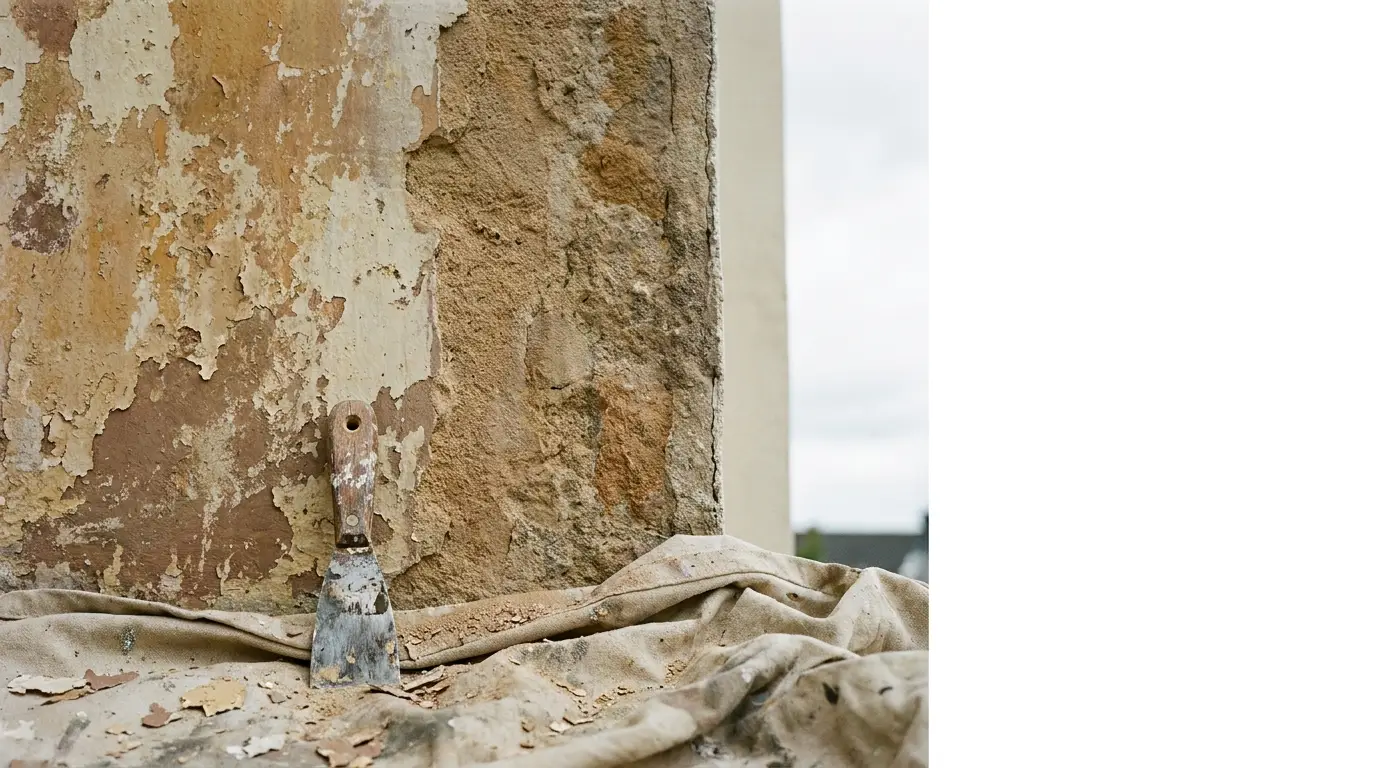
The quality of surface preparation has a direct effect on coating performance. Paint applied over dirt, loose material, rust or moisture may fail long before the product reaches its expected service life. A maintenance plan should state the preparation required rather than listing only the final colour and number of coats.
Different materials need different treatments. Timber may require sanding and spot priming, metal may need rust removal, and masonry may require crack repair or stabilisation. Pressure cleaning can help remove contaminants from suitable exterior surfaces, but excessive pressure may damage weak render, sealants or roofing materials.
Preparation requirements may cover:
- Cleaning dirt, salt, grease, mould and chalking
- Scraping or sanding loose coatings
- Testing adhesion of existing paint
- Treating rust and priming exposed metal
- Repairing cracks and damaged render
- Replacing failed sealants
- Allowing wet surfaces to dry
- Protecting windows, paving and landscaping
- Priming bare or porous areas
- Checking product compatibility
The work specification should identify who is responsible for repairs uncovered during preparation. This prevents uncertainty when painters find decayed timber, damaged sheeting or deeper cracks after the project begins.
Match Coating Systems to Each Surface
A single paint product cannot meet every requirement across a property. Exterior masonry, interior plaster, steel railings, timber doors and roof materials each experience different conditions. Selecting coatings by surface and exposure provides better protection and a more consistent finish.
Colour choice can also affect maintenance. Very dark exterior colours may absorb more heat, while pale colours can show dirt in high-traffic areas. Gloss levels influence washability, glare and how clearly surface imperfections appear.
The coating schedule should record:
- Surface or building element
- Existing coating condition
- Preparation method
- Primer or sealer
- Paint type and finish
- Colour name and formula
- Number of coats
- Application method
- Product data and warranty details
- Date completed and contractor information
Retaining colour formulas prevents guesswork during touch-ups. Keep labelled samples or records for common areas, service doors, safety markings and external surfaces.
Plan Strata Painting Around People and Shared Spaces
Managing strata painting Sydney projects requires more than choosing colours. Residents, tenants, visitors, contractors and building operations all need to be coordinated. Access restrictions, noise, odours and temporary closures can affect daily routines.
The plan should explain how residents will receive notice, which areas will remain accessible and how complaints or special access needs will be handled. For larger schemes, dividing the project into stages can reduce disruption and spread expenditure across several budget periods.
Strata planning may include:
- Committee approvals and documented decisions
- Scope development and quotation comparisons
- Colour consultation and sample panels
- Resident notification periods
- Working hours and access arrangements
- Protection of vehicles and personal property
- Temporary closure of corridors or balconies
- Management of pets and children near work areas
- Site cleaning and waste disposal
- Final inspection and defect correction
Balcony work may require access through individual lots, while façade painting may involve scaffolding or elevated work platforms. These details should be discussed early so residents can prepare and contractors can price the work accurately.
Build a Preventive Maintenance Program
Waiting for paint to peel is often more expensive than responding to early wear. Cleaning, local touch-ups and sealant replacement can slow deterioration and extend the time between large painting projects.
Preventive work is particularly valuable around joints, horizontal ledges and water-exposed surfaces. These locations often collect dirt and moisture, placing greater pressure on coatings.
Add routine tasks such as:
- Washing exterior walls where contaminants accumulate
- Removing mould with an appropriate treatment
- Clearing gutters and drainage channels
- Trimming vegetation away from painted surfaces
- Touching up chipped metal before rust spreads
- Replacing cracked sealant around openings
- Repairing minor roof defects
- Cleaning high-contact internal walls
- Checking balcony and handrail coatings
- Investigating stains before repainting
Maintenance teams should record the cause of recurring problems. If paint repeatedly bubbles below the same window, another coat is unlikely to solve the issue. Water entry, condensation or failed flashing may be responsible.
Establish Budgets and Work Priorities
A clear budget should separate urgent protective work from appearance-based improvements. Active leaks, corrosion, exposed timber and loose coatings generally require faster action than mild fading in a sheltered area.
Multi-year forecasting can help owners avoid sudden levies or rushed contractor selection. It also allows related projects to be combined. For example, roof repairs, gutter replacement and roof painting may be scheduled together to reduce repeated access costs.
Use priority categories such as:
- Immediate: Safety hazards, active water entry and unstable coatings
- High: Corrosion, exposed substrates and spreading cracks
- Planned: Weathered surfaces approaching repainting
- Routine: Cleaning, minor touch-ups and sealant replacement
- Appearance: Colour changes and decorative upgrades
Include allowances for access equipment, permits, repairs, specialist reports and contingency work. A quote based only on square metres of paint may omit much of the real project cost.
Include Safety, Compliance and Environmental Controls
Painting projects can involve working at heights, hazardous substances, occupied areas and public access. A maintenance plan should state who manages safety documentation, site isolation and communication with building users.
Older properties may contain lead-based paint or other hazardous materials. Testing may be needed before sanding, scraping or demolition disturbs existing coatings. Contractors should also control dust, overspray and wastewater so surrounding properties, drains and landscaping are protected.
Your plan should address:
- Contractor licences and insurance
- Safe-work documentation
- Height-access and fall-protection systems
- Lead paint and hazardous-material testing
- Public and resident exclusion zones
- Ventilation for internal painting
- Storage of paints and chemicals
- Waste and wash-water disposal
- Protection of nearby vehicles and buildings
- Emergency contacts and incident reporting
Local council requirements, strata legislation and building rules may affect access, work hours or approval pathways. Obtain advice that reflects the property and proposed work before contracts are signed.
Track Contractors, Warranties and Completed Work
A maintenance plan remains useful only when records are updated. After each project, store quotations, colour schedules, invoices, photographs, product details and warranty documents in one accessible location.
Record the date, weather conditions and surfaces completed. If a defect appears later, this information can help identify whether it relates to preparation, product performance, water entry or another building issue.
A completion file should contain:
- Approved scope and variations
- Before-and-after photographs
- Product names and technical information
- Colour formulas
- Contractor and supervisor details
- Completion and inspection dates
- Warranty periods and conditions
- Defect-list records
- Cleaning and maintenance instructions
- Dates for future reviews
Arrange a final walkthrough before accepting the work. View surfaces from normal positions and inspect edges, joins, fixtures and previously damaged areas. Any agreed defects should be recorded with a completion date.
Create a Plan That Protects the Whole Property
A strong painting and maintenance plan connects inspections, repairs, preparation, coatings, safety and budgeting. It gives owners and managers a reliable map instead of leaving them to react whenever peeling paint or water stains appear.
Start with a documented condition inspection and divide the property into manageable zones. Set realistic review dates, keep accurate records and involve experienced painting professionals where access, roof work or widespread repairs are involved. A plan built around prevention can preserve the property’s appearance while protecting the materials beneath every painted surface.
Frequently Asked Questions About Roof Painting Sydney
How Often Should a Sydney Roof Be Repainted?
There is no single repainting interval for every roof. Timing depends on the roofing material, previous coating system, exposure, maintenance history and current condition. Strong sunlight, salt air, storms and surrounding trees may increase wear.
Arrange periodic inspections rather than waiting for severe fading or peeling. A painter or roofing professional can check adhesion, corrosion, tile condition and water-entry points before recommending cleaning, repairs or a full repaint.
What Preparation Is Required Before Roof Painting?
Preparation commonly includes inspecting the roof, replacing damaged components, repairing ridge capping where required, treating corrosion and cleaning the surface. Loose coatings, dirt, lichen and other contaminants may affect paint adhesion.
The exact process depends on whether the roof is tiled or metal and which coating is already present. Bare or repaired areas may need a compatible primer. Gutters, solar panels and neighbouring surfaces should also be protected during cleaning and application.
Can Roof Painting Fix a Leaking Roof?
Roof paint is not a substitute for leak repairs. Water may enter through cracked tiles, damaged flashing, loose fasteners, failed joints or deteriorated roof components. Painting over these faults can conceal them temporarily without stopping the leak.
The source of water entry should be identified and repaired before coating begins. A professional inspection may also reveal moisture damage beneath the visible surface. Once repairs are complete, painting may form part of the wider restoration process.
How Long Does Roof Painting Take in Sydney?
The timeframe depends on roof size, pitch, material, access, weather and the repairs needed before painting. A straightforward residential project may take several working days, while larger or more complex roofs can require longer.
Cleaning, drying, repairs, priming and coating each need suitable conditions. Rain, strong wind or extreme temperatures may delay work. A written schedule should explain the work stages while allowing flexibility for Sydney’s changing weather.
What Should a Roof Painting Quote Include?
A detailed quote should describe cleaning, repairs, preparation, primers, coatings, application methods and the number of coats. It should also identify access equipment, site protection, cleanup, expected timing and warranty conditions.
Compare the scope rather than relying on price alone. Ask whether tile repairs, ridge work, rust treatment and gutter protection are included or charged separately. Product names and colours should be documented so the proposed systems can be compared accurately.