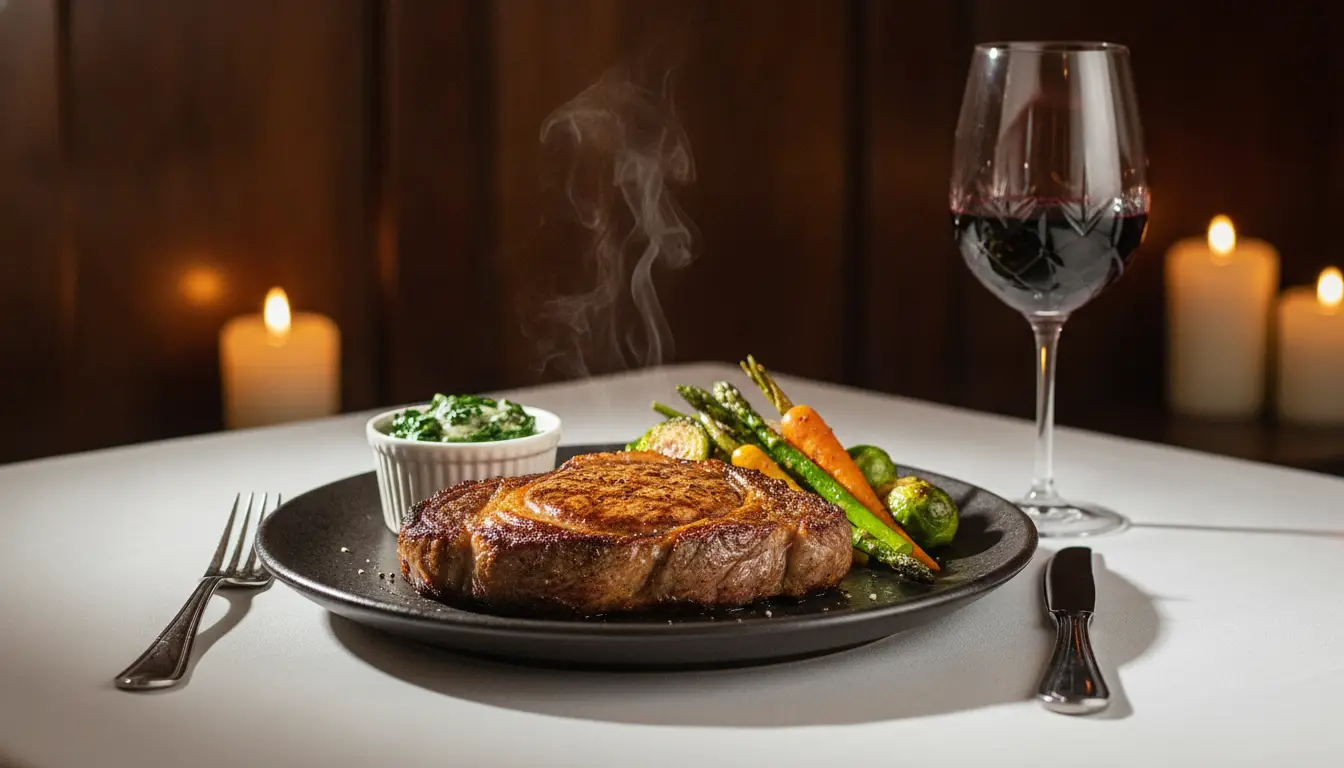
Can One Great Steak Dinner Really Live Up to the Hype
A celebrated steak dinner earns its reputation through more than an expensive cut of beef. Guests notice how the room sounds, how accurately the kitchen follows temperature requests, and whether service feels attentive without becoming intrusive. Texture, seasoning, timing, and hospitality all influence satisfaction. One impressive plate may attract attention, but consistency gives a restaurant lasting credibility. The strongest dining experiences feel complete from arrival through dessert, leaving guests with a clear reason to return.
The First Impression
A dining room communicates standards before the first course appears. Lighting, table spacing, background noise, and the opening greeting influence comfort within minutes. For Tampa diners assessing special-occasion restaurants, the best steakhouse in Tampa should provide confidence without unnecessary ceremony. Guests should find clear menus, comfortable seating, and staff members who understand the pace of a serious meal. Those details establish trust before anyone evaluates the kitchen’s work.
Choosing the Right Cut
Each steak offers a different eating experience. Filet delivers tenderness because it contains less connective tissue. Ribeye carries abundant intramuscular fat, producing a richer flavor and juicier texture. The New York strip sits between those profiles, with firmer resistance and pronounced beef character. Menu descriptions should explain marbling, portion size, and recommended preparation. That information helps diners choose according to appetite rather than appearance alone.
Why Preparation Matters
Heat management determines whether a steak fulfills its promise. High surface temperatures encourage browning through the Maillard reaction, while controlled cooking protects the interior from moisture loss. A rare center should remain cool and supple. Medium preparation requires greater internal warmth without a dry outer band. Resting also matters. Several quiet minutes allow juices to redistribute before slicing, preserving tenderness across the portion.
Seasoning Without Excess
Salt improves flavor perception by reducing the taste threshold for natural savory compounds. Timing affects the result. Applied before cooking, it can season the interior gradually, while a final touch sharpens the crust. Fresh pepper contributes aroma and mild heat. Rich sauces should remain optional. A properly cooked steak needs accents that clarify its character, not ingredients that conceal it.
Side Dishes Complete the Plate
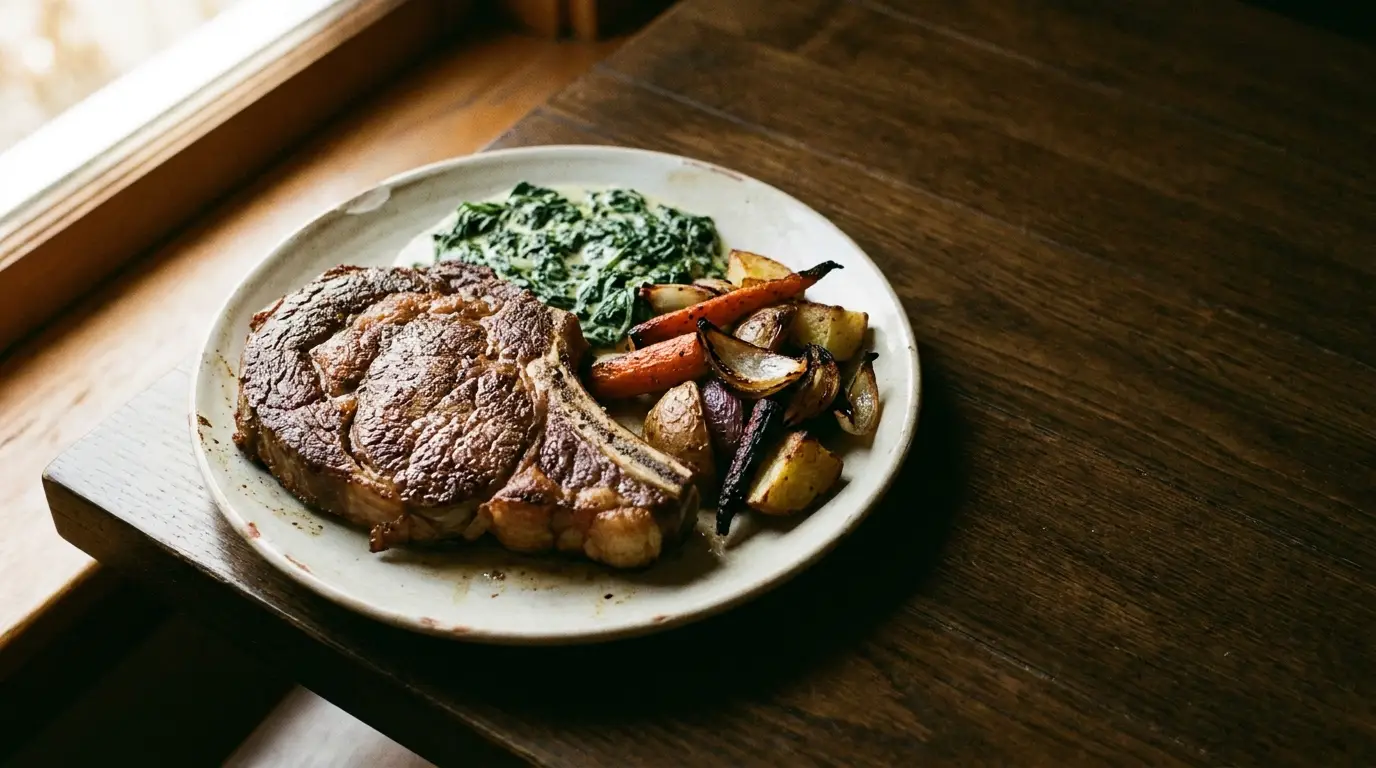
Accompaniments provide contrast in texture, temperature, and flavor. Creamed spinach offers softness and vegetal richness. Roasted vegetables contribute charred edges and acidity when finished with citrus. Potatoes add starch, helping balance the protein’s intensity. Portion size deserves restraint. Oversized sides can exhaust the palate before dessert, while thoughtfully measured servings give diners room to enjoy several components.
Service Sets the Pace
Good service requires judgment. Staff members should explain unfamiliar cuts, answer preparation questions, and notice empty glasses without hovering. Course timing matters just as much. Starters should not crowd the entree, and dessert should arrive after guests have had time to finish comfortably. A dining room feels professionally managed when employees remain available while allowing conversations to continue uninterrupted.
Atmosphere Adds Value
Sound levels influence how easily guests communicate. Warm lighting can make an evening feel more intimate, while generous table spacing reduces visual and physical distraction. Clean glassware, polished flatware, and orderly table settings reinforce confidence without demanding attention. These elements do not replace strong cooking. They support it by creating conditions where diners can focus on flavor, conversation, and the occasion.
Measuring the Hype
Reputation creates expectations, but a meal must satisfy practical tests. Was the requested temperature accurate? Did the crust develop properly? Were sides served hot? Did staff correct questions with useful answers? Guests also assess whether the experience felt coherent from beginning to end. Online praise may introduce a restaurant, yet repeatable execution determines whether that praise remains justified.
Value Beyond Price
A high bill can feel reasonable when it reflects ingredient quality, skilled preparation, capable service, and comfortable surroundings. Price alone does not establish value. Diners also consider portion balance, menu transparency, and the reliability of each course. Unnecessary embellishments may weaken confidence. Clear choices and dependable delivery make the cost easier to evaluate, particularly during celebrations or business meals.
Celebrations Need Reliability
Important occasions leave little room for avoidable errors. A birthday dinner, anniversary, or family gathering benefits from accurate orders, steady pacing, and staff who recognize the event without taking over the table. Small gestures can carry weight when they arrive at the right moment. Reliable hospitality protects the occasion, especially when guests have selected a restaurant to mark something meaningful.
Conclusion
A great steak dinner succeeds through controlled details. The cut must suit the diner, cooking must produce the requested texture, and seasoning should preserve the meat’s natural flavor. Side dishes need contrast, while service should remain attentive and unhurried. Comfortable surroundings complete the setting. Hype may fill a dining room once, but accurate cooking and dependable hospitality create repeat visits. That combination turns an anticipated meal into an experience guests consider genuinely worthwhile.