
A Guide to What Happens to a Home and Its Contents After Someone Dies in the UK
When a loved one dies, the home can soon feel hard to deal with. There are bills to pay, keys to keep safe, and matters to sort. There may also be a wait for the probate timeline. The home may need care while the legal work is done. Therefore, it is wise to take each task in the right order. A clear plan can help cut risk, loss, and stress, ensuring everything goes smoothly.
Here is a detailed guide to what happens to a home and its contents after someone dies in the UK.

Source: Magnific.com
Securing and Maintaining the Property
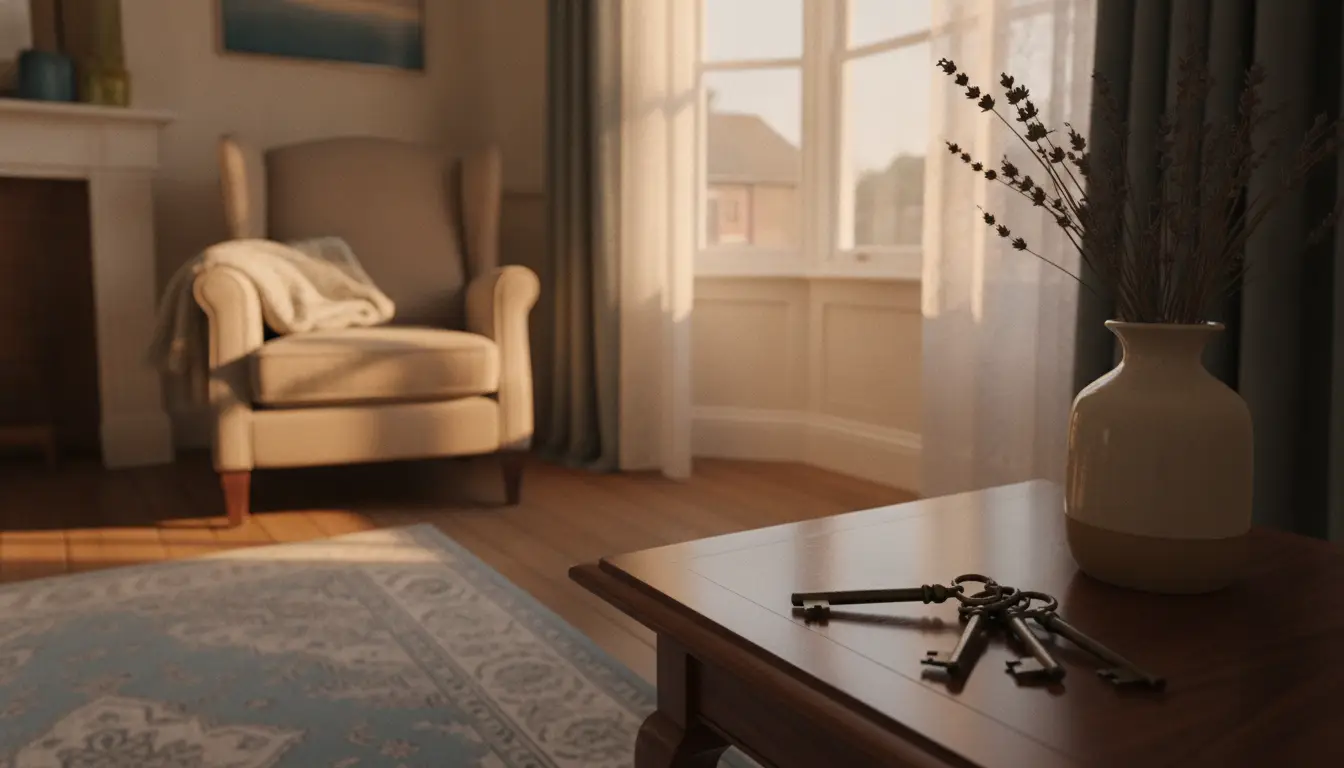
The first task is to keep the home safe. You should not rush to clear it out. There may be bank files, will papers, or other key documents in the home. So you must check everything. Then, lock all doors and entry points. If there is an alarm, make sure it still works.
Moreover, here are some important tasks that you should not miss out:
- Read the gas and power meter.
- Take a note of each meter reading.
- Set up mail to a safe post box.
- Tell the home insurance company.
- Check for leaks, damp, or roof damage.
- Give the keys to the right heir.
You should not let the home fall into a poor state. Keep in mind that even a small leakage can turn into a costly problem later. A burst pipe can cause more damage if no one is there to spot it.
Valuation and Probate
Before the home can form part of the estate, its worth must be set. The same is true of many goods in the home. This is not just a task for the sake of a form. The sums may have an effect on tax and on how the estate is divided. That’s why valuation and probate are important. In most cases, a valuation can give a sound view of its worth. You must get the sum in print and keep a copy. The same handling is wise for goods of high worth. These may be:
- Art or rare works
- Old coin sets
- Fine gems
- Top cars
- Rare books
- Fine home goods
You should not use a sale sum as the home value with no proof. A low or high sum may lead to a tax and many other issues. If there is a will, it will show who has the right to deal with the estate. Otherwise, the law sets the order in which the estate may pass. In both cases, the right person must deal with the home. Keep all key data in one file, including bills, tax notes, home fees, bank statements, and all other costs of the home.
Managing Personal Belongings
The home may hold much more than cash value. A ring may have deep worth to one child, and a note may mean more than any sum. This is why both goods and estate should be divided properly. You can start with a room-by-room list. Take clear pictures of items that may have high worth. Moreover, keep all valuable goods in a safe spot.
For goods that no one wants, there are a few ways to deal with them. They may be sold, given to a charity, or sent for safe waste. But you must keep a note of what was done and why.
Looking Ahead
A death can leave a home full of both tasks and old memories. It is easy to rush, yet a slow and set plan is often best. You must sort all files properly. Keep all bills paid on time, and there must be a log of each act. Most of all, do not make key decisions when grief is at its peak.
However, the home will, in time, need a new role. It may be sold or may pass to a family member. Each path has its own needs. What helps most is a clear plan, good records, and proper help at each key step.
Legal Disclaimer:
This blog is for providing information only. It is not legal help and must not be considered as advice from a legal professional. The rules on wills, tax, homes, and estates can vary based on the facts of each case. If you are facing a home or estate issue after a death, seek help from a trained lawyer who can review the case and give advice that fits your specific needs.


