Subtle Termite Warning Signs Homeowners Should Never Ignore
Termite damage rarely announces itself. Unlike a burst pipe or a cracked window, the destruction caused by these insects unfolds slowly, often behind walls, beneath floorboards, or inside structural beams where no one thinks to look. By the time most homeowners notice something is wrong, the damage has usually been developing for months, sometimes years. Recognizing the quiet, easily dismissed signs of termite activity is one of the most valuable skills a property owner can develop, and it starts with knowing what ordinary wear looks like versus what doesn’t quite add up.
Tiny Wing Piles That Look Like Nothing
One of the earliest indicators of a termite colony establishing itself nearby is a small cluster of discarded wings near windowsills, door frames, or foundation vents. Swarming termites shed their wings shortly after finding a mate and a new nesting site, leaving behind piles that can resemble fish scales or bits of dry leaves. Because these piles are often no larger than a fingernail, they get swept away during routine cleaning without a second thought. Homeowners who notice this pattern repeating in the same area, especially during warmer months, should treat it as a signal worth investigating rather than a housekeeping nuisance.
Sounds and Textures That Don’t Match Old Wood
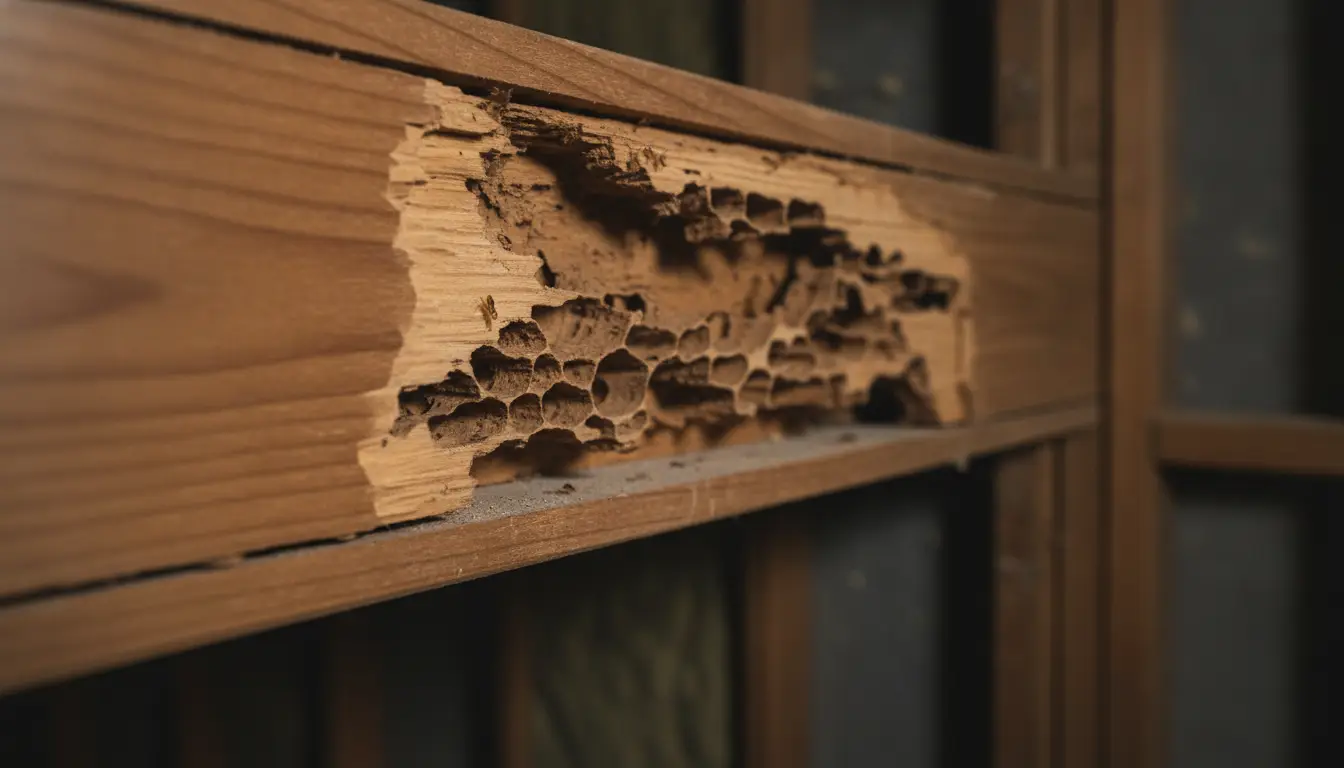
Faint clicking noises coming from inside walls are another sign that gets explained away too quickly. Soldier termites make this sound as a warning to the colony when they sense disturbance, and while it’s subtle, it’s distinct from the settling creaks most houses produce naturally. Alongside this, wood that sounds hollow when tapped is a classic but frequently ignored clue. Termites consume wood from the inside out, leaving a thin outer layer that looks structurally sound while the interior has been reduced to a honeycomb of tunnels. Anyone who owns or maintains property in Southern California and notices these symptoms should consider reaching out to a company offering Anaheim Pest Control services, since local pest professionals are familiar with the specific termite species active in the region and how they typically present in residential structures.
Floors and Trim That Shift Without Explanation
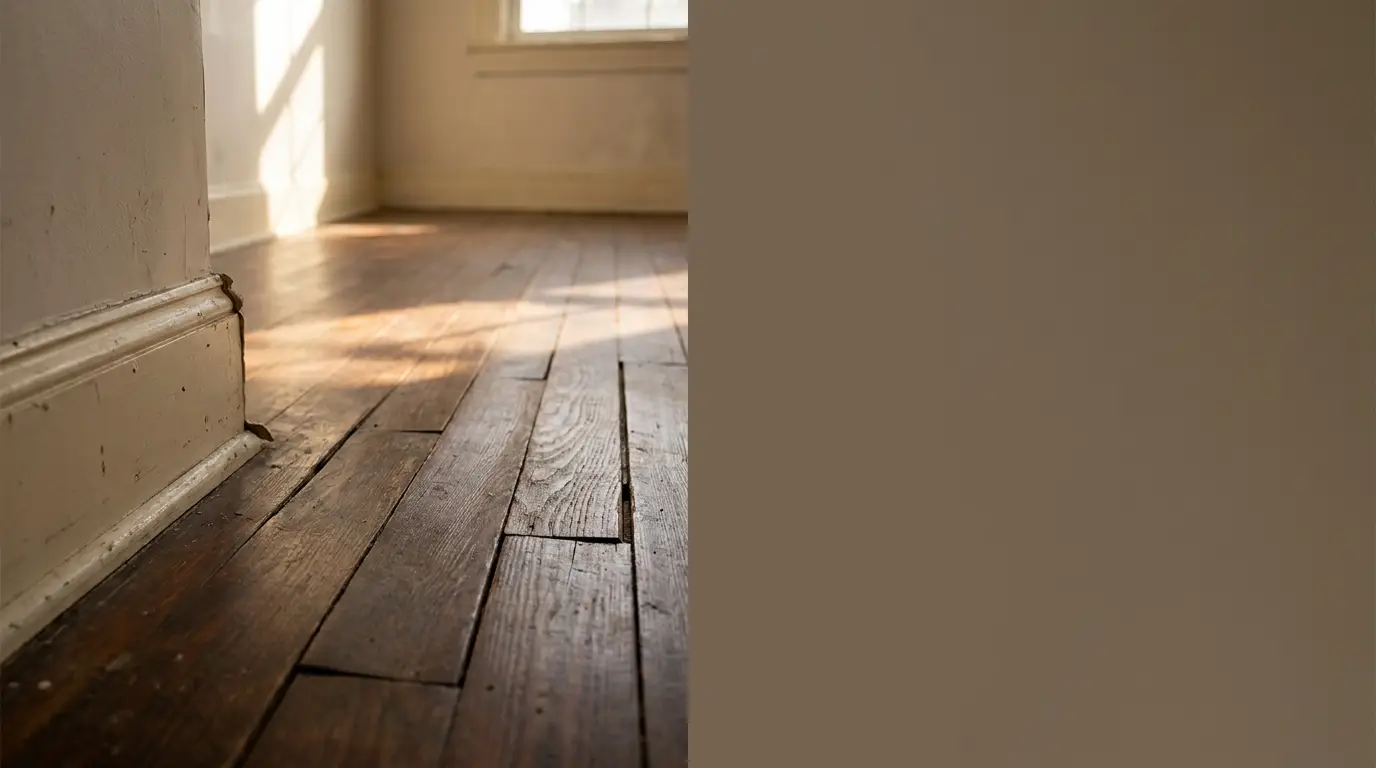
Warped flooring is often blamed on humidity, and in many cases that assumption is correct. However, termite activity beneath subflooring can produce a nearly identical visual effect: boards that buckle, dip, or feel spongy underfoot. The difference usually lies in the pattern. Moisture damage tends to follow a logical path, such as near a leaking appliance or an exterior wall exposed to rain. Termite-related warping, by contrast, can appear in isolated patches with no obvious water source nearby. Loose trim and baseboards that separate from the wall without any impact or renovation work are worth the same scrutiny. When wood loses its structural integrity from termite tunneling, the fasteners holding trim in place no longer have solid material to grip, and pieces that once sat flush begin to shift.
This is another point where working with pest control experts or a similarly qualified local provider becomes practical rather than optional. Distinguishing between moisture-related warping and termite damage often requires probing the wood or using specialized detection tools, something most homeowners aren’t equipped to do accurately on their own.
Doors and Paint Behaving Strangely
A door that suddenly sticks or refuses to latch properly is commonly attributed to seasonal humidity changes, and that explanation holds up often enough that people rarely question it further. But termites tunneling through a door frame or the surrounding wall studs can cause the same swelling and misalignment. If a door has functioned normally for years and then develops resistance without a clear seasonal trigger, it’s reasonable to consider causes beyond humidity.
Bubbling or peeling paint tells a similar story. While it’s frequently a sign of moisture trapped beneath the surface, termites moving through wood just beneath painted trim or drywall can create comparable visual distortion. The insects generate moisture and disturb the material as they tunnel, which sometimes causes paint to blister in ways that mimic water damage almost exactly.
Why These Signs Get Mistaken for Ordinary Aging
Homes are complex systems, and older properties in particular accumulate small imperfections over time. A homeowner who has already dealt with humidity issues, foundation settling, or general wear naturally attributes new symptoms to familiar causes. This isn’t a lack of attention; it’s a reasonable response based on past experience. The trouble is that termite damage thrives precisely because it hides behind these plausible explanations. Industry data has long shown that termites cause a substantial amount of structural damage to homes in the United States annually, and a meaningful share of that cost stems from delayed detection rather than an absence of warning signs. The signs were often there; they simply got filed under the wrong category.
Investigate Before You Cover It Up
The instinct to patch a cosmetic issue, such as repainting a bubbling wall or replacing warped boards, is understandable but risky if the underlying cause hasn’t been identified. Covering symptoms without investigating them allows termite colonies to continue feeding undisturbed, often accelerating structural damage in the areas that matter most. Before undertaking a cosmetic fix, it’s worth asking a few practical questions:
- Has this problem developed gradually or appeared suddenly without an obvious cause?
- Is there a clear source of moisture nearby, or does the damage seem isolated?
- Have similar issues appeared in more than one area of the home?
- Does tapping the affected wood produce a hollow or papery sound?
If the answers point toward uncertainty rather than a clear explanation, a professional inspection is the more responsible next step, since termite activity confirmed early is significantly easier and less costly to address than damage discovered after years of unseen feeding.
Final Analysis
Subtle signs deserve serious attention precisely because they’re easy to dismiss. Tiny wing piles, faint sounds, hollow wood, warped flooring, bubbling paint, loose trim, and doors that no longer close properly can all be explained away individually, but together they form a pattern that shouldn’t be ignored. Homeowners who take the time to investigate rather than immediately repair are in a far stronger position to catch termite activity before it compromises the structural integrity of their property.