Protecting Your Home’s Outdoor Spaces: A Homeowner’s Guide to Pest Prevention and Control
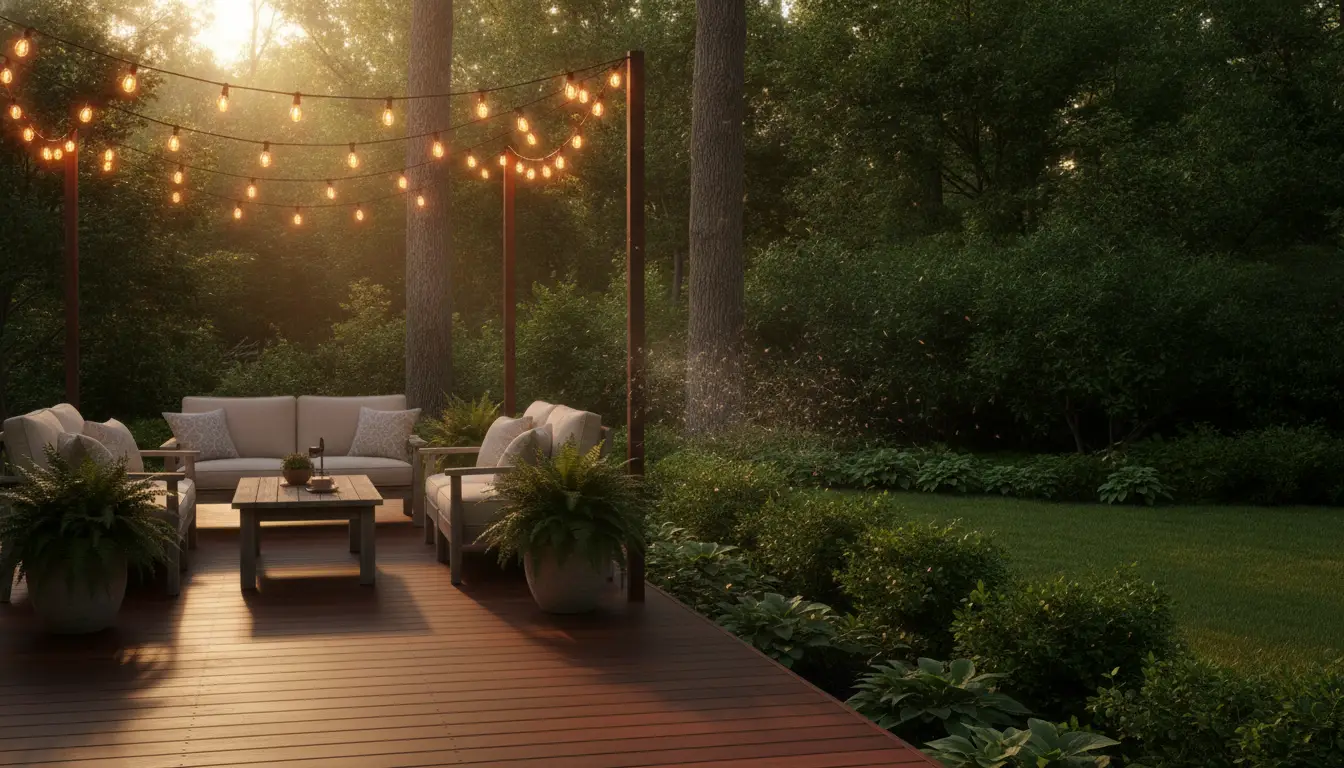
You finally get the deck stained, the string lights hung, and a cozy seating area arranged for evenings outside, and then the mosquitoes show up the moment the sun dips low. Or maybe it is ants marching along the patio pavers you just power-washed, or wasps building a nest in the eave above your favorite reading nook. If you have poured time into making your outdoor living space beautiful, the last thing you want is pests treating it like their new home too. This is where the design instincts that guide every other part of your house, choosing the right materials, planning for comfort, thinking about how a space actually gets used, need to extend outward to pest prevention.
Homeowners here often do not realize how much local climate and landscaping choices influence pest pressure until they are already dealing with a problem. Warm, humid summers combined with mature trees, dense shrubbery, and nearby waterways create ideal breeding conditions for insects and rodents alike. Understanding those local factors is the first step, and for anyone who wants a deeper dive into regional conditions and treatment options, Mechanicsville pest control specialists can offer insight specific to the area rather than generic advice that does not account for Virginia’s particular mix of humidity, soil type, and seasonal shifts.
The Problem: Why Outdoor Pests Thrive in Mechanicsville’s Climate and Landscape
Mechanicsville sits in a humid subtropical zone, which means long, wet summers and mild winters that rarely kill off pest populations the way a harder freeze might further north. Standing water collects easily in gutters, low-lying yard areas, and even decorative planters, giving mosquitoes everything they need to breed within days. Add in the region’s clay-heavy soil, which drains slowly and holds moisture near foundations, and you have a recipe for termites, ants, and other moisture-loving insects to establish colonies close to the house. Mature landscaping, while lovely for curb appeal, also gives pests plenty of cover and food sources they would not find in a stripped-down yard.
The scale of this problem is not just anecdotal. According to Grandview Research, flying insects like mosquitoes account for over one-third of the pest control products market, driven by rising mosquito-borne health risks and the popularity of outdoor living spaces that have amplified demand for yard treatments and repellents. That statistic reflects exactly what is happening in neighborhoods full of decks, patios, and fire pits, where homeowners want to spend more time outside but are running into more pest interference while doing it.
Common Outdoor Pests and the Damage They Cause to Your Home and Health
Mosquitoes are the most obvious nuisance, but they carry real health risks beyond itchy bites. Ticks are another concern, especially for households with yards bordering wooded areas or tall grass, since they are a leading contributor to vector-borne illness in the region. Carpenter ants and termites cause less visible but often more expensive damage, quietly working through wood structures like fences, decks, and even the framing hidden behind siding. Wasps and hornets, meanwhile, tend to build nests in eaves, sheds, and playsets, turning a simple backyard chore into a genuine safety hazard for anyone with allergies.
Rodents also deserve attention, particularly as temperatures cool and mice or rats look for easier access to shelter and food. They can chew through irrigation lines, insulation, and even outdoor furniture cushions, leaving damage that is often discovered only after it has become significant. Left unaddressed, these outdoor pest issues rarely stay outdoors for long, since most of these insects and rodents are simply looking for the shortest path to warmth, water, or food, and a home’s exterior rarely stops them for good.
Prevention Strategies: Sealing Entry Points, Eliminating Water Sources, and Yard Maintenance
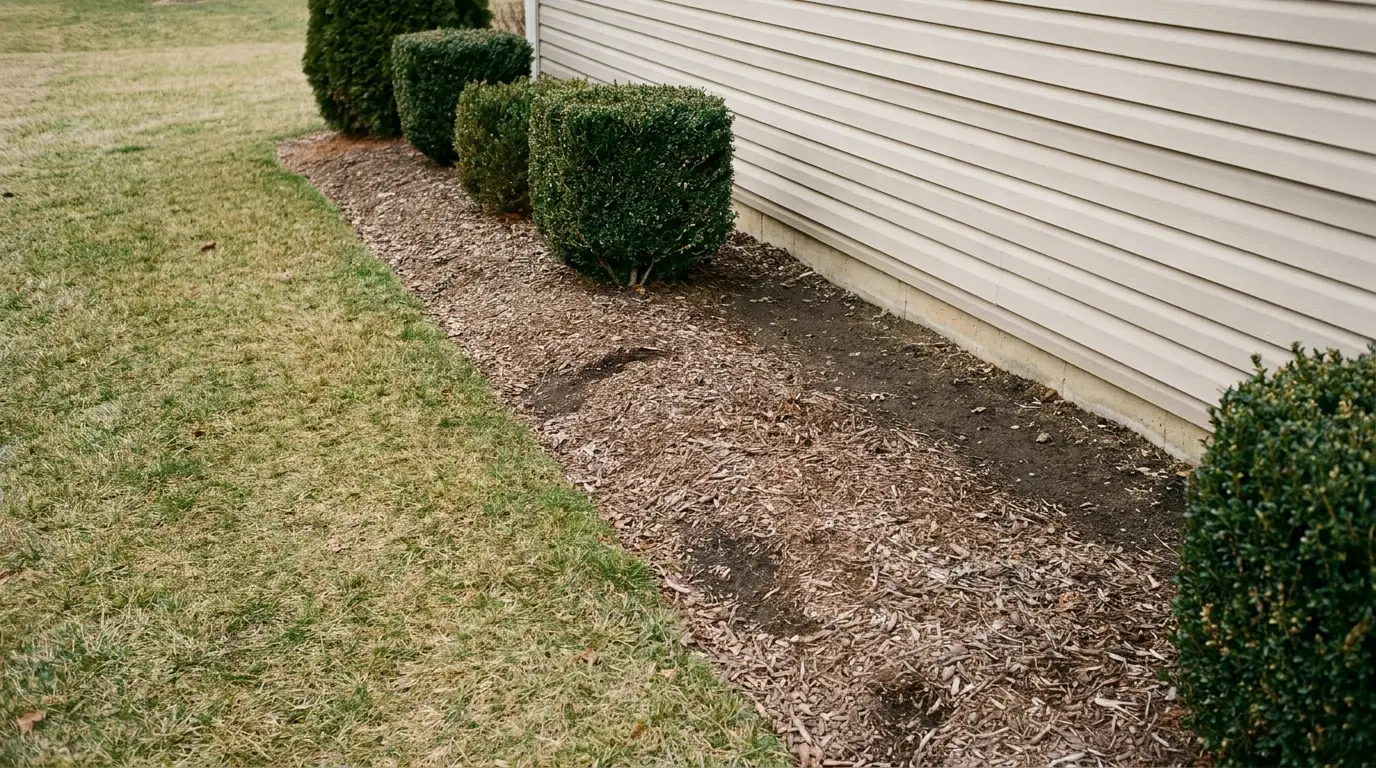
The most effective prevention starts with a walk around the exterior of the house, checking for gaps around utility lines, cracked foundation vents, or loose siding that pests could use as an entry point. Sealing these gaps with caulk or weatherstripping is inexpensive compared to the cost of an infestation, and it is a task most homeowners can handle in an afternoon. Eliminating standing water is equally important, which means regularly cleaning gutters, emptying plant saucers, and making sure downspouts direct water away from the foundation rather than pooling near it.
Yard maintenance plays a bigger role than most people expect. Trimming shrubs away from the house, mowing regularly, and removing leaf litter or woodpiles that sit directly against exterior walls all reduce the shelter pests rely on. Mulch should be kept a few inches away from siding rather than piled against it, since damp mulch is one of the most common conditions that attracts termites and ants close to a structure. These habits, paired with seasonal outdoor treatments, form the foundation of a yard that stays enjoyable rather than becoming a pest thoroughfare.
| Statistic | Figure |
| Annual U.S. consumer spending on pest control (2025) | $6.5 billion, averaging $575 per household |
| Flying insects’ share of pest control products market | 36.49% in 2024 |
| Vector-borne disease cases reported (2004-2016) | Over 650,000 cases |
| Outdoor pest control services market size (2025) | $15 billion |
| Industry annual growth rate (past three years) | 6.8%, reaching $28.4 billion in 2025 |
When to Call a Professional: Signs You Need Expert Pest Control Services
Some pest issues are manageable with consistent DIY habits, but others signal a problem that has already moved beyond what sealing and yard cleanup can fix. Discovering discarded wings near windowsills, hollow-sounding wood, or visible mud tubes along the foundation usually means termites have already established a presence and professional treatment is needed quickly. Similarly, a noticeable increase in mosquito activity despite removing standing water often points to breeding sites you cannot easily find on your own, such as low spots in the yard or gaps in outdoor structures.
A professional inspection is also worth scheduling proactively, especially before peak season, rather than waiting until a problem is visible and already established. Trained technicians can identify conducive conditions homeowners often miss, apply targeted treatments that are safer and more effective than store-bought products, and set up a maintenance schedule that keeps pest pressure low throughout the year. For a home surrounded by trees, gardens, and outdoor living spaces worth protecting, that kind of ongoing attention is often what makes the difference between an occasional nuisance and a recurring, costly problem.