
Simple Ways to Make Mastectomy Recovery More Comfortable
Recovery after a mastectomy brings physical discomfort and emotional adjustments that can make everyday activities feel more challenging. Simple tasks like getting out of bed, finding a supportive sleeping position, or resting for long periods may require extra preparation. Proper positioning and thoughtful support can reduce strain, improve rest, and make daily routines feel more manageable during recovery. This guide shares practical ways to create a supportive recovery environment and improve healing with simple adjustments.
Gather Recovery Essentials Before Returning Home
A few carefully selected recovery items can make daily life easier after surgery. Mastectomy recovery must haves may include supportive pillows, loose clothing, a bedside organizer, water within reach, and easy-to-grab essentials that reduce unnecessary movement. Having frequently used items nearby limits repeated reaching, bending, and stretching during the early stages of recovery. A well-prepared recovery space helps conserve energy and supports a smoother daily routine.
Organize Essentials Within Easy Reach
Preparing a recovery area before returning home helps reduce physical effort during the first weeks after surgery. Keeping everyday items together allows the body to remain in a relaxed position for longer periods and makes daily tasks easier to manage.
Prioritize Elevated Back Sleeping for Better Support
Doctors commonly recommend sleeping on the back with the upper body elevated after a mastectomy. This position helps reduce pressure on the surgical area, supports the chest and shoulders, and makes it easier to get in and out of bed. Better positioning also encourages deeper, more restful sleep while reducing unnecessary strain.
Simple Positioning Tips
- Use wedges or supportive pillows to keep the upper body elevated.
- Keep the neck and shoulders relaxed.
- Place essential items beside the bed.
- Move slowly when changing positions.
Choose a Full-Body Pillow System for Better Stability
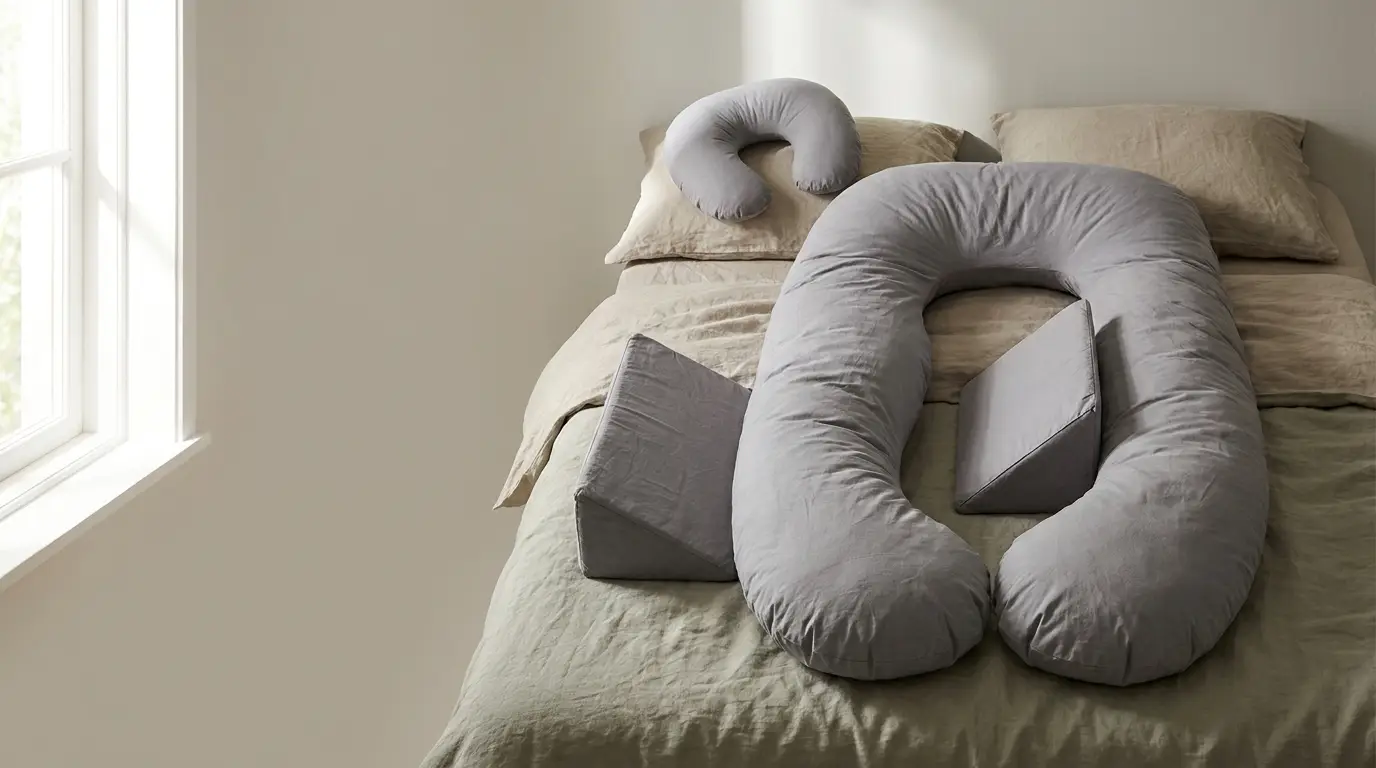
Standard pillows can provide temporary support but frequently shift during the night. A full-body pillow system uses side pillows, wedges, and a neck pillow to cradle the body and help prevent rolling onto either side. This design supports safe back sleeping while maintaining proper elevation, making it especially useful after surgery or during bed rest. The added stability helps reduce pressure on healing areas and improves overall rest.
Make Daily Activities Easier With Small Adjustments
Small changes throughout the home can reduce physical effort during recovery. Keeping medications, water, reading materials, and a phone within reach minimizes repeated trips across the room. Front-opening clothing and supportive chairs with armrests also make everyday tasks simpler while reducing strain on healing muscles.
Support Rest With Gentle Positioning and Pain Management
Pain management involves more than medication alone. Gentle movement, as recommended by the healthcare team, combined with proper positioning, can also support relief throughout recovery. Keeping the body aligned during sleep and changing positions slowly helps ease muscle tension, reduce pressure on sensitive areas, and encourage better rest.
Choose the Best Pillow for Recovery Support
When comparing Mastectomy recovery must haves, a supportive pillow system deserves special attention because it plays an important role in daily rest. A full-body pillow system with side pillows, wedges, and a neck pillow helps keep the body aligned, prevents rolling, and maintains comfortable elevation during recovery. Choosing a supportive design with washable covers and a stable shape can make daily routines easier while reducing the need for frequent repositioning.
Recovery after a mastectomy looks different for every person, but thoughtful preparation can make the experience easier to manage. Sleeping in an elevated back position, organizing essential items, and creating a supportive recovery space can reduce strain, improve rest, and help each day feel a little easier during the healing process.