Navigating the First Year: A Comprehensive Guide to Newborn Nighttime Safety and Sleep Environment Design
Welcoming a newborn into the home brings immense joy alongside a steep learning curve, particularly when it comes to navigating nighttime routines and sleep safety. Parents often spend hours researching crib mattresses, room temperatures, and swaddling techniques to ensure their baby rests comfortably and securely. Amid these preparation efforts, integrating a high-performance infant monitor gives caregivers an invaluable line of sight into the nursery, offering real-time reassurance without disturbing delicate sleep cycles. Setting up a safe infant sleep environment requires combining evidence-based safety guidelines with practical nursery design, ensuring both baby and parents enjoy greater peace of mind throughout the night.
Creating a safe, restorative sanctuary for an infant is about far more than buying modern gadgets or matching nursery décor. It requires a thoughtful understanding of developmental needs, physiological factors like temperature regulation, and proper spatial layout. By taking a systematic approach to nursery organization and nighttime habits, you can establish an environment that fosters healthy sleep development from day one.
The Core Foundations of Infant Sleep Safety
Pediatric sleep safety research has advanced dramatically over the past few decades, giving parents clear, actionable guidelines to minimize risks during naps and nighttime sleep. Adhering to established safe sleep principles provides the solid framework upon which all other nursery design decisions should be built.
The ABCs of Safe Sleep
Pediatricians worldwide emphasize three fundamental rules for every sleep session:
- Alone: Infants should always sleep in their own dedicated sleep space free from soft objects, loose blankets, pillows, bumper pads, or stuffed animals.
- Back: Babies must be placed on their backs for every nap and night sleep. Back-sleeping keeps the airway fully open and significantly lowers safety risks compared to stomach or side positioning.
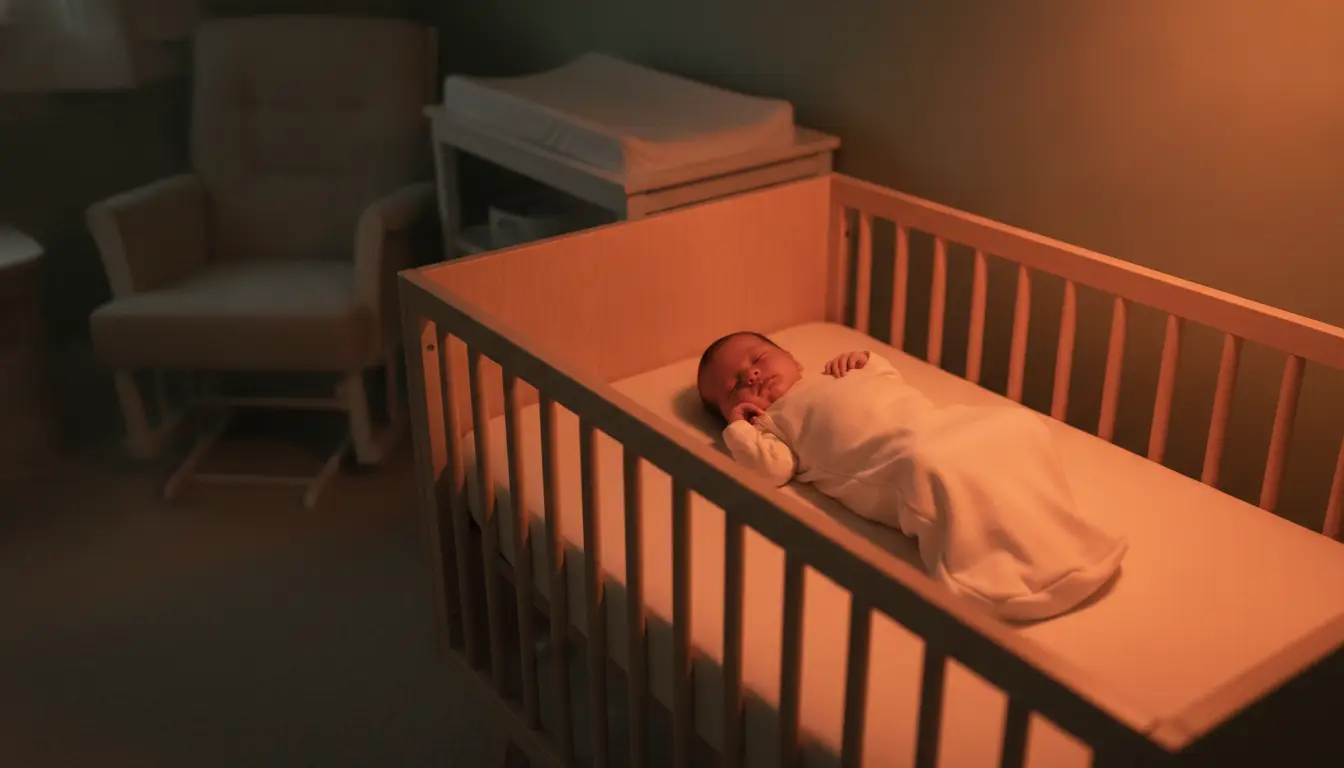
- Crib: Sleep should take place on a firm, flat mattress covered solely by a tight, fitted sheet inside a safety-certified crib, bassinet, or portable play yard.
Evaluating Mattress Firmness and Bedding
While adults often associate soft, plush surfaces with comfort, infants require a firm sleeping surface. A mattress that conforms to the shape of a baby’s head or face poses safety hazards. To test a crib mattress, press firmly in the center and near the edges; it should snap back immediately without leaving a deep indentation. Always double-check that the mattress fits snugly within the crib frame, leaving no gap wider than two fingers between the mattress edge and the crib slats.
Strategic Nursery Layout and Environmental Control
How you arrange furniture and manage ambient conditions inside the nursery directly impacts both infant safety and caregiver convenience during middle-of-the-night visits.
Room Geometry and Safe Distances
When positioning the crib within the nursery, spatial awareness is vital. Consider the following placement rules:
- Keep Away from Windows: Position the crib well clear of windows. Windows expose infants to temperature fluctuations, drafts, direct sunlight, and glass hazards.
- Cord and Blinds Safety: Window blind cords present severe entanglement risks. Choose cordless window treatments or install high cord cleats that keep operational strings completely out of reach.
- Avoid Overhead Hazards: Never mount heavy picture frames, floating wall shelves, or decorative mirrors directly above the crib.
- Maintain Clearance from Furniture: Ensure tall dressers or bookshelves near the crib are securely anchored to wall studs using anti-tip straps.
Temperature and Climate Management
Infants do not regulate their body temperature as efficiently as adults, making them particularly sensitive to overheating or chilling.
- Target Temperature Range: Maintain the nursery ambient temperature between 68°F and 72°F (20°C to 22°C).
- Layering Attire: Dress the infant in layers suitable for the room temperature rather than relying on heavy blankets. A fitted wearable blanket or sleep sack over a cotton sleeper provides warmth without loose fabric hazards.
- Air Circulation: Running a gentle ceiling fan on low speed helps keep air moving throughout the room. Ensure the airflow is indirect and does not blow directly onto the crib surface.
Smart Technology Integration for Peace of Mind
Modern technology offers parents sophisticated tools to observe and manage the nursery environment. When chosen and installed thoughtfully, tech devices streamline daily caregiving without cluttering the physical space.
Sensor and Camera Placement
To maximize the benefits of visual and audio monitoring while preserving strict physical safety standards, follow these setup guidelines:
- The Three-Foot Rule: Keep all electrical cords, camera mounts, and monitoring hardware at least three feet (one meter) away from any edge of the crib.
- Cord Enclosures: Use rigid cable covers or wall channels to secure all trailing cords flush against the wall, preventing loose loops from hanging near the sleep space.
- Wide-Angle Overhead Framing: Mounting a camera high on an adjacent wall offers a comprehensive top-down view of the mattress surface without placing hardware within the baby’s reaching distance.
Environmental Monitoring Tools
Many modern nursery devices come equipped with built-in ambient sensors. Tracking room temperature, humidity levels, and background sound directly from your smartphone or dedicated receiver helps you identify environmental factors that might be disrupting your baby’s rest before they lead to full wakefulness.
Managing Sound and Light Architecture
Subtle changes in lighting and sound play a pivotal role in helping newborns distinguish between day and night, gradually building healthy circadian rhythms.
Natural Light Control and Darkness Cues
Light is one of the primary drivers of the human internal clock. Controlling light exposure inside the nursery helps train your baby’s sleep-wake cycle:
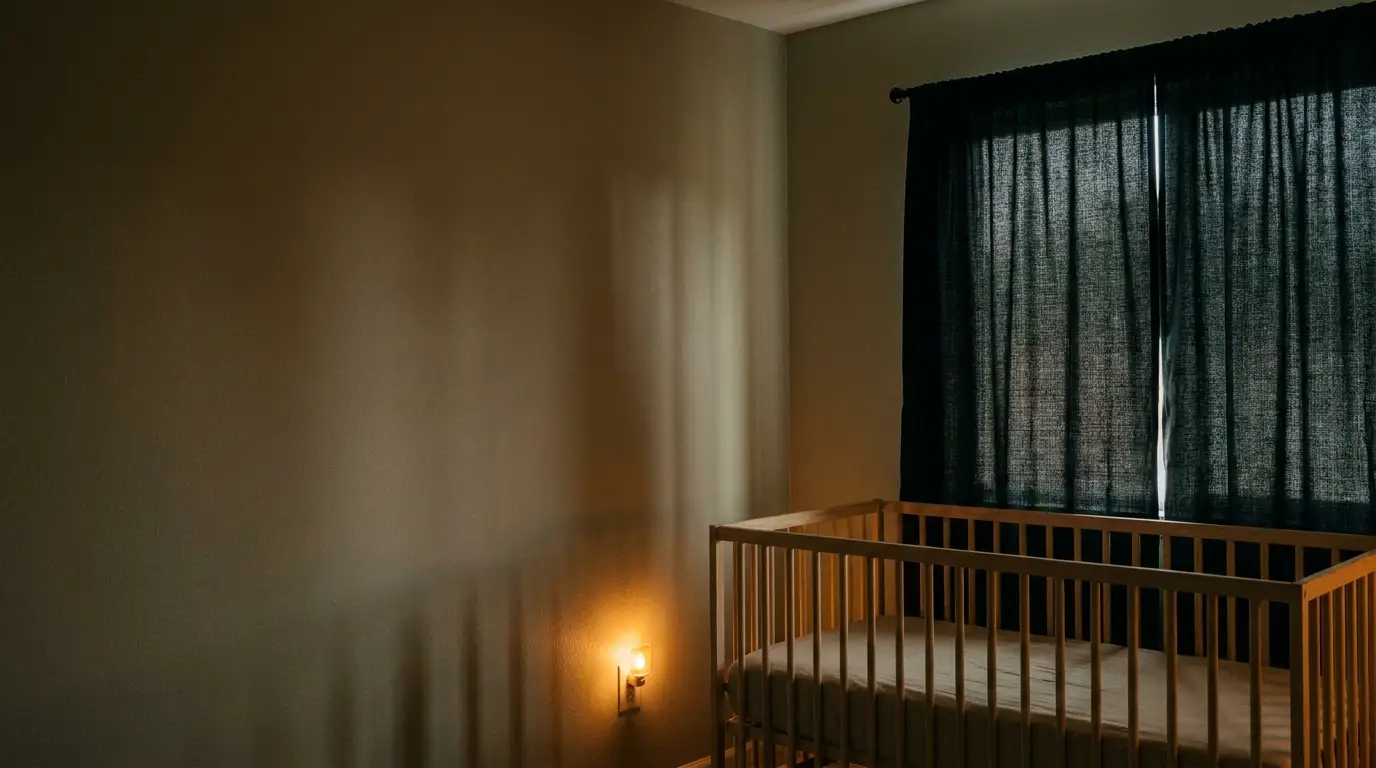
- Blackout Shades for Daytime Naps: Installing high-quality blackout curtains blocks out harsh daylight, creating a dark, consistent setting that signals it is time to sleep.
- Warm Nighttime Illumination: During late-night feedings and diaper changes, avoid turning on bright overhead lighting. Use soft, warm-toned dimmers or red-spectrum nightlights. Red light does not suppress natural melatonin production, allowing both baby and parent to fall back asleep faster after caretaking tasks.
Acoustic Baselines and Sound Masking
A completely silent house can actually work against an infant’s sleep. In the womb, babies are accustomed to continuous, rhythmic sounds from the mother’s body.
- White Noise Placement: Position white noise machines across the room from the crib rather than directly alongside the mattress. Keep the volume set to a gentle background level, equivalent to soft rainfall (under 60 decibels).
- Soft Interior Materials: Adding an area rug over hardwood floors and hanging fabric drapes helps absorb sharp household echoes, insulating the nursery from sudden noises elsewhere in the home.
Establishing Consistent Sleep Cues and Routines
Beyond physical safety and room setup, the psychological aspect of sleep preparation is equally important. Predictable routines provide infants with a sense of security and clear signals that rest is approaching.
Building a Simple Bedtime Routine
A bedtime routine does not need to be long or complicated to be effective. A simple 20-to-30-minute sequence practiced consistently every evening yields great results over time:
- A Warm Bath: A brief, calming bath helps relax tense muscles and lowers core body temperature slightly upon exiting, signaling to the brain that it is time to rest.
- Gentle Massage and Dressing: Applying a baby-safe moisturizer accompanied by light massage strokes provides soothing tactile feedback.
- Quiet Feeding and Story: Offer a final evening feed in a dimly lit room while singing a quiet lullaby or reading a short story in a soft tone.
- Direct to Crib Awake but Drowsy: Placing the baby in the crib while they are drowsy but still awake helps them learn to associate their sleep environment with falling asleep independently.
Adapting as Your Infant Grows
Infant sleep needs evolve rapidly throughout the first year. Between four and six months, infants typically experience shifts in sleep architecture, increased physical mobility, and the arrival of rolling milestones.
When your baby shows signs of rolling over from back to front, it is time to transition away from swaddling and move into an arms-free sleep sack. Lowering the crib mattress level as your child learns to sit up and eventually stand prevents accidental falls and ensures the nursery remains a secure environment throughout every developmental stage.
Conclusion
Designing a safe, supportive nursery environment requires a balance of evidence-based sleep guidelines, strategic room organization, and reliable monitoring tools. By prioritizing a firm, clear sleep surface, managing room climate, controlling sound and light, and embedding safe habits into your daily routine, you create an ideal environment for your infant to rest and grow. This thoughtful approach protects your baby’s physical well-being while granting you the confidence and peace of mind needed to enjoy the journey of early parenthood.