How Can You Assess Clean Bedding Claims Before Replacing Linens?
Clean bedding claims deserve careful review because sheets touch skin, airways, and hair for hours each night. Fabric choice can affect heat retention, sweating, friction, and exposure to dyes or finishing agents. A disciplined check helps households replace linens for sound reasons, not because a label feels reassuring. Strong decisions start with fiber origin, chemical screening, wash demands, and wear evidence. Those facts matter for comfort, hygiene, respiratory tolerance, and responsible spending.
Start With Proof
Reliable product claims identify materials, test standards, and care limits in plain terms. Before choosing a clean bedding brand, shoppers should compare fiber details with skin sensitivity, night sweating, wash frequency, and bedroom temperature. Evidence matters because sheets rest against the face, neck, arms, and legs through long, uninterrupted sleep. That review can prevent irritation, overheating, and early replacement.
Read Fiber Details
Fiber content determines hand feel, moisture handling, and surface friction. Cotton, linen, eucalyptus-based textiles, and blended yarns differ in absorbency, airflow, and drying behavior. A credible label names the source material without hiding behind lifestyle language. That detail helps buyers match sheets to warm sleep, reactive skin, or frequent laundering. It also clarifies absorbent versus slick textures.
Check Finish Claims
Smoothness may come from weave structure, yarn length, or finishing chemistry. Those sources are not equal. Wrinkle resistance, stain control, or cooling language should explain what creates the effect. If wording stays broad, care instructions often reveal more. Wash limits, dryer rules, and fading cautions can expose weak performance claims.
Look for Testing
Independent testing gives cleaner claims more weight. Certificates should name the standard, covered materials, and current validity. A small logo without scope can mislead careful buyers. Bedding includes fabric, dyes, thread, fill, buttons, elastic, and packaging. Testing for one part does not always prove low exposure across the complete item.
Compare Breathability
Breathability affects sleep quality, especially for people who wake hot or damp. Airflow, moisture transfer, and drying speed all matter. Percale, sateen, linen, and eucalyptus-based sheets can behave differently on the same mattress. Cooling claims should fit the fiber content and weave rather than stand alone as a broad promise.
Review Durability
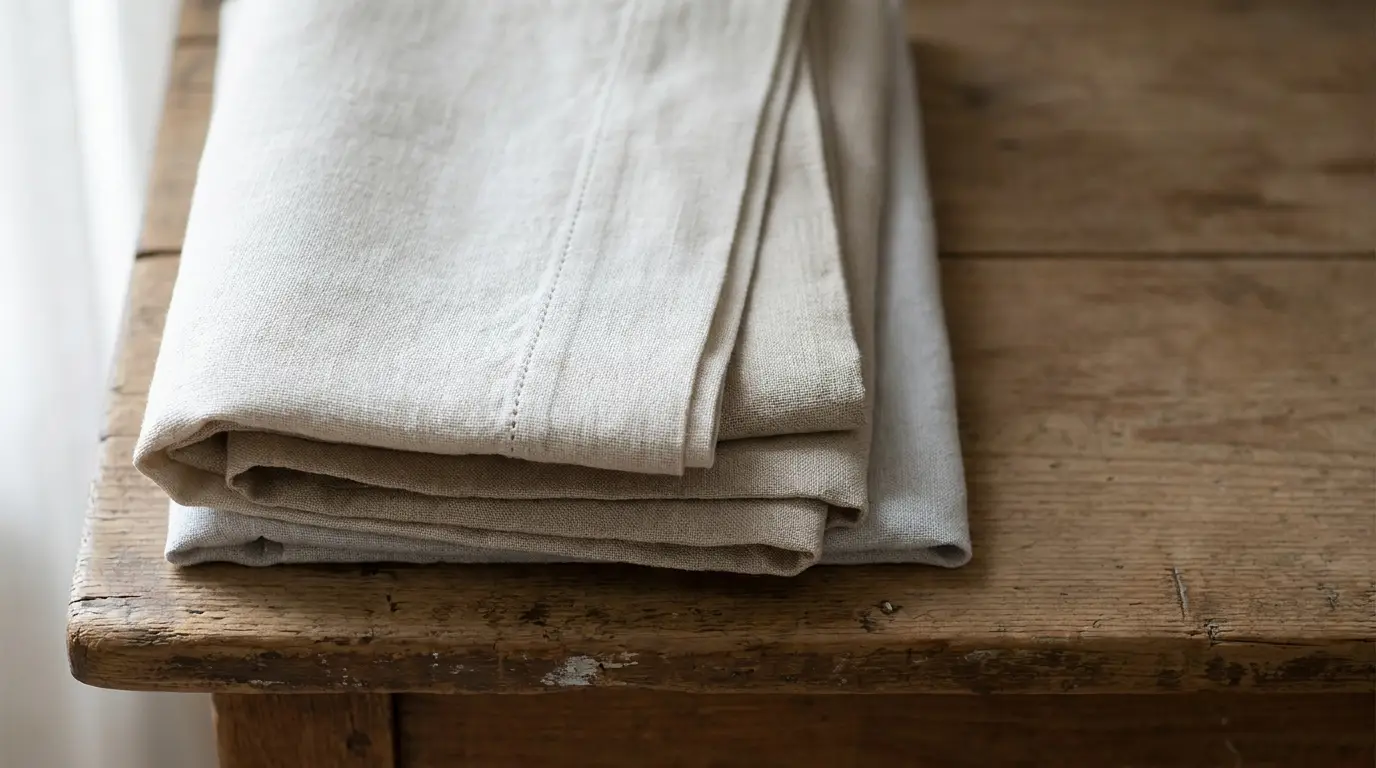
Durability belongs in any cleaner purchasing decision because weak linens enter replacement cycles quickly. Strong bedding keeps shape, stitching, and surface texture after repeated washing. Buyers can examine weave density, seam construction, shrinkage reports, and pilling patterns. Reviews mentioning months of use carry more value than first-night softness alone.
Study Care Needs
Care instructions show whether bedding fits normal household routines. Some fabrics need cool water, gentle detergent, or low dryer heat. Others tolerate frequent laundering after sweat, allergens, spills, or pet contact. A clean claim loses strength if maintenance feels unrealistic. Practical washing supports hygiene as much as comfort. Clear routines lower microbial buildup risk.
Weigh Packaging
Packaging may reduce waste, but it should never carry the entire claim. Recycled mailers, limited plastic, and compact shipping are helpful supporting details. The main evidence still lies in the textile itself. Fiber quality, wash performance, and usable life matter more than a responsible-looking box.
Check Return Terms
Sheets can feel different after several nights than they do on arrival. Texture, warmth, and weight become clearer during normal sleep. Return terms should explain trial length, condition rules, fees, and exchange options. Clear policies reduce pressure and let buyers judge comfort through actual use.
Use Reviews Wisely
Useful reviews describe patterns, not isolated reactions. Look for repeated notes about heat, odor, softness after washing, shrinkage, and fabric thinning. Verified comments with care history are stronger than short praise. Balanced feedback helps reveal how bedding performs after the first wash and beyond.
Build a Checklist
A brief checklist keeps the decision grounded. Record fiber type, weave, finish, testing, care rules, return terms, and long-term feedback. Compare two or three options using the same points. This method limits impulse buying and keeps attention on evidence that affects sleep, skin comfort, and household maintenance.
Conclusion
Assessing clean bedding claims requires patience, but the review is practical. Buyers can move past soft language by checking fiber content, testing scope, breathability, care demands, and durability. The best linens should support our sleep habits, skin comfort, cleaning routine, and budget. Replacement makes sense when evidence shows the new set offers clearer materials, dependable hygiene, and lasting comfort. That standard protects health, money, and storage space over many seasons.