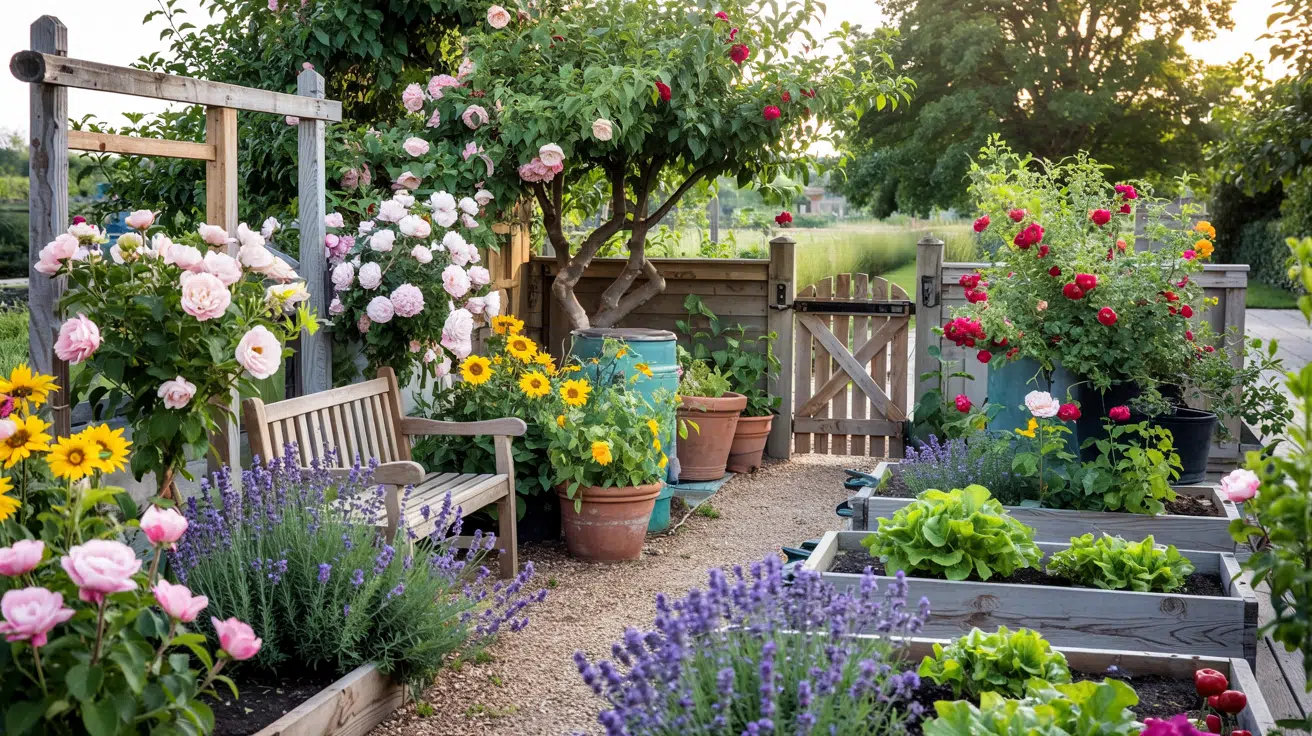
Do Hydrangeas Need Full Sun? A Variety Guide
You planted hydrangeas in a sunny spot and watched them wilt by the afternoon. It happens more than you think.
The question “Do hydrangeas need full sun?” does not have a simple yes-or-no answer. It depends on the variety you have and where you live.
Get the placement wrong, and you get scorched leaves, weak blooms, and a plant that struggles every summer. Get it right, and hydrangeas largely take care of themselves.
By the end, you will know which varieties handle full sun, which cannot, what sun stress actually looks like, and exactly where you should and should not plant them.
Do Hydrangeas Actually Need Full Sun?
Hydrangeas do not generally need full sun; most varieties perform best in partial shade, with morning sun and afternoon protection. The common assumption that hydrangeas are universally sun-loving shrubs is one of the most frequent planting mistakes gardeners make.
Morning sun provides the light they need to flower; afternoon shade prevents the heat stress that causes wilting and scorched leaves. Getting that balance right matters more than total hours of sunlight.
That said, sun tolerance varies significantly by variety. A Bigleaf hydrangea in direct afternoon sun will wilt and scorch within days, while a Panicle hydrangea in the same spot may handle it with consistent watering.
Too much sun does not just stress the plant visually; it reduces blooms, accelerates moisture loss, and causes lasting damage over time.
Which Hydrangea Types can Handle Full Sun and Which Cannot?

Panicle hydrangeas tolerate full sun best, while bigleaf and oakleaf types prefer shade and will burn in strong afternoon sun. Sun tolerance comes down to leaf structure and moisture retention capacity, not simply variety size or origin.
| Variety | Examples | Sun Tolerance | Ideal Light | Key Risk |
|---|---|---|---|---|
| Panicle | Limelight, Little Quick Fire | High 6+ hours | Full sun to partial shade | Minimal; needs consistent watering in zones 7+ |
| Smooth | Annabelle | Moderate cool zones only | Partial shade preferred | Wilting → scorch → dieback in zones 7+ |
| Bigleaf | Endless Summer, Nikko Blue | Low 4 hrs morning max | Morning sun + afternoon shade | Drooping, leaf scorch, bloom loss |
| Oakleaf | Ruby Slippers, Jet Stream | Low shade preferred | Dappled or north-facing light | Leaf burn, poor growth in direct sun |
| Climbing | (general) | Low shade preferred | Shaded wall or canopy | Scorch, reduced flowering, weak vertical growth |
Choosing the right hydrangea variety for your light conditions helps prevent leaf damage, improve growth, and support healthier blooms throughout the season.
What Happens to Hydrangeas in Full Sun versus Partial Shade?

Full sun increases water loss and stress in most hydrangeas, while partial shade stabilizes moisture and supports consistent blooming. Sunlight alone does not determine flowering success; moisture availability is equally responsible for how a hydrangea performs.
- Full sun increases transpiration, causing faster moisture loss, wilting, and leaf scorch during hot afternoons.
- Heat stress can reduce bloom quality, causing fewer flowers, smaller heads, and early browning.
- Partial shade supports moisture balance by reducing evaporation while allowing enough sunlight for growth.
- Consistent soil moisture helps hydrangeas perform better, even in sunnier locations.
- A 3–4-inch mulch layer keeps roots cooler and reduces moisture loss.
- Repeated heat stress can weaken plants and lead to long-term branch damage.
Balancing sunlight with proper moisture management helps hydrangeas maintain healthy growth, vibrant foliage, and reliable flowering performance.
When Should You Plant Hydrangeas in Full Sun Conditions?
Full sun planting works for hydrangeas only under specific conditions the right variety, the right climate zone, and consistent moisture management. Without all three, full sun is less a planting choice and more a stress sentence.
- Full sun suits zones 6 and below when soil stays moist, especially for panicle and smooth hydrangeas.
- In zones 7 and above, most varieties need deep watering and mulch to prevent stress.
- Bigleaf hydrangeas face the highest risk due to fast moisture loss and leaf scorch.
- Panicle types flower well in the sun but require consistent care and moisture.
- Heat spikes make afternoon shade helpful, even for sun-tolerant varieties.
Understanding your climate, soil conditions, and hydrangea type is key to deciding whether full-sun placement will support long-term plant health.
Where Should You Not Plant Hydrangeas?
Hydrangeas can thrive for years when planted in the right location, but poor placement can lead to weak growth, fewer blooms, and ongoing stress. Avoid these common planting mistakes to give your hydrangeas the best chance to grow healthy and strong.
Excessive sunlight, especially during hot afternoons, can cause leaf scorch, wilting, faded flowers, and moisture stress. Most hydrangeas prefer gentle morning sun with some afternoon protection.
While hydrangeas tolerate partial shade, areas with very little light can reduce photosynthesis and weaken growth. Too much shade often results in fewer blooms, thinner stems, and slower development.
Hydrangeas need consistent moisture but cannot survive in constantly wet soil. Poor drainage can lead to root rot, yellowing leaves, and fungal issues that gradually damage the plant.
How can You Tell if Your Hydrangea is Getting Too Much Sun?

A hydrangea getting too much sun shows specific, repeating symptoms; the timing and pattern of damage are what separate sun stress from other causes.
- Wilting by midday that recovers by evening is the clearest sign of sun stress, not drought. Drought wilting does not reverse overnight
- Brown, crispy leaf margins appearing on the most sun-exposed leaves indicate scorch, while disease-related browning typically starts at the center or spreads unevenly
- Faded, bleached, or prematurely browning flower heads signal that the plant is managing heat stress rather than directing energy into bloom development
- Soil that is moist but the plant still wilts confirms sun stress, specifically drought, which only occurs alongside dry soil at root depth
- Symptoms concentrated on the afternoon-facingside of the plant confirm sun direction as the cause, distinguishing it from overwatering or root problems, which affect the whole plant equally
Recognizing these patterns early helps identify sun stress quickly and allows timely changes to light exposure, watering, or plant placement.
Hydrangea Sun Mistakes to Avoid
Even small mistakes can affect how hydrangeas perform in full sun. Most issues come from watering, placement, or choosing the wrong variety.
- Planting shade-loving varieties in full sun can lead to leaf scorch and weak flowering.
- Not watering deeply and consistently causes the plant to dry out quickly in heat.
- Ignoring soil moisture retention, especially skipping mulch that helps keep roots cool.
- Exposing plants to harsh afternoon sun without any protection or filtered light.
- Overlooking differences in variety and assuming all hydrangeas tolerate sun the same way.
Avoiding these common mistakes helps hydrangeas handle sunny conditions better and maintain healthier foliage, stronger growth, and better blooms.
Conclusion
Hydrangeas do not need full sun. Choose the right variety, match your climate, and protect plants from harsh afternoon heat.
Most hydrangea problems come from the wrong spot, not poor care. Keep soil moist and give each type the conditions it needs.
Share this guide with a gardener, and save it before your next nursery visit for smarter planting choices.
Ready to plant smarter? Start by identifying your hydrangea variety, and everything else follows from there.
Have a hydrangea sun question or a variety we did not cover? Drop it in the comments below; we read and reply to everyone.
Frequently Asked Questions
Does Sun Exposure Affect Hydrangea Flower Color?
Excessive sun fades bigleaf hydrangea blooms from vibrant blue or pink to washed-out white. Shade maintains stronger pigment intensity throughout the flowering season.
Do Newly Planted Hydrangeas Need More Shade than Established Ones?
Newly planted hydrangeas lack the root depth to compensate for rapid moisture loss. Protect them from afternoon sun for the first full growing season, regardless of variety.
Can Shade Cloth Protect Hydrangeas Planted in Full Sun?
Shade cloth rated at 30–40% is an effective short-term solution for sun-stressed hydrangeas. It reduces afternoon heat exposure without blocking the morning light the plant needs for blooming and photosynthesis.