

Home Renovation Insurance: What to Sort Out Before Demo Day
Somewhere between choosing tile and debating paint samples, most renovation budgets skip a line entirely: insurance for the project itself. A $300,000 renovation costs about $1,950 a year to insure, and the policy that covers it is not the one you already have.
That surprises a lot of homeowners. Farmer Brown Insurance, a brokerage that has insured construction and renovation projects in all 50 states since 1996, says project coverage is one of the most common things people discover late, usually when a lender or a contractor asks for proof of it.
Here’s the homework to knock out before the first hammer swings.
Your Regular Home Insurance Wasn’t Built for a Renovation
Homeowners policies are priced for a finished, occupied house. A renovation changes both of those things at once.
Open walls, a torn-off roof section, and strangers coming and going all raise the odds of theft, water damage, and fire. Insurers know it. Some policies limit or exclude coverage during major structural work, and others expect a phone call before anything big starts.
So make that call. Describe the project to your agent and ask two questions: what does my current policy still cover during construction, and what does it stop covering? Five minutes of hold music beats finding out after a pipe bursts over your brand-new subfloor.
Builders Risk Is the Policy That Covers the Project Itself
Builders Risk insurance covers a home while it’s under construction or renovation. That means the structure, the new materials stacked in the driveway, and the cabinets waiting in the garage.
For renovation work, it runs about 65 cents per $100 of project value, according to Farmer Brown’s pricing data. In real numbers:
- A $150,000 kitchen and bath remodel comes to roughly $975 for the year.
- A $300,000 whole-home renovation is about $1,950.
- A $500,000 addition and rebuild lands around $3,250.
Two quirks are worth knowing before you buy:
- The premium is fully earned at inception. In plain English, if your project finishes early, there is no refund for the unused months. Buy a term that matches your realistic schedule, not your optimistic one.
- Coverage ends at expiration, occupancy, or owner acceptance, whichever comes first. The moment you move back in, the policy considers its job done. If work drags past the end date, extend the policy before it lapses, not after.
One more thing: your contractor may already carry Builders Risk for the project. Ask. If they do, get it in writing and find out whose name is on the policy. If they don’t, the homeowner usually buys it.
Moving Out During the Work Means a Call to Your Insurer
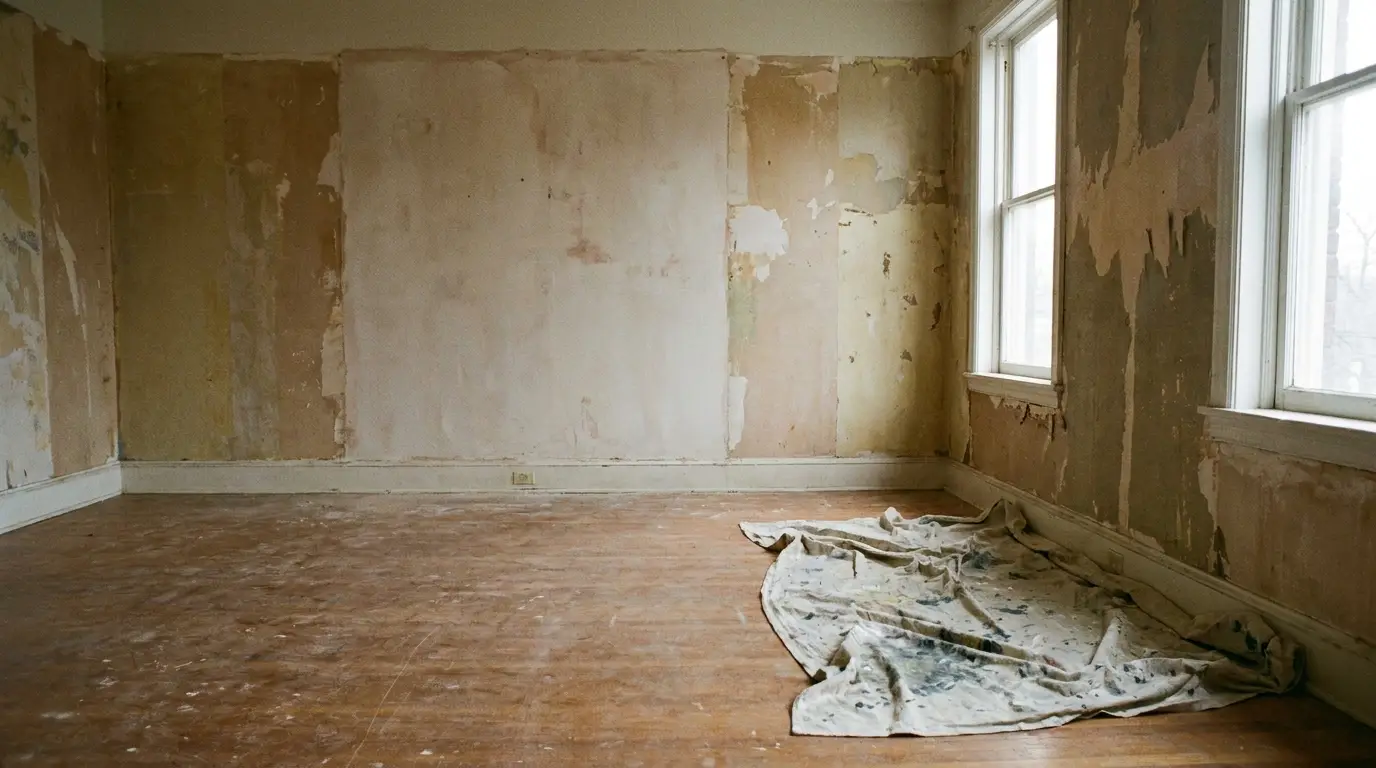
An empty house is a different risk than an occupied one, and insurance companies treat it that way. Many homeowners policies scale back coverage once a home sits empty for more than 30 to 60 consecutive days, depending on the policy. Vandalism and water damage are the usual casualties.
If your renovation means months in a rental, ask about vacant home insurance. It typically costs about 0.78% of the home’s insured value per year and covers both the property and your liability while nobody lives there. On a $400,000 house, that’s roughly $3,120 a year, prorated for the months you need it. Nobody loves that number. It’s still far smaller than an uncovered loss.
Vet Your Contractor’s Insurance Like You’d Vet Their References
Before you sign anything, ask for a certificate of insurance, the one-page document that proves a contractor’s coverage is real and current. Then actually check it:
- Ask for the certificate to come directly from the contractor’s insurance agency, not as a PDF forwarded by the contractor. Certificates get doctored more often than you’d think, and a legitimate agency can email one the same day, often within hours. “It’s coming next week” is a red flag.
- Look for general liability of at least $1 million per occurrence, the standard for reputable contractors.
- If the contractor has a crew, confirm workers compensation is active. Without it, a worker hurt on your property can look to you, the homeowner, for the medical bills.
- Ask to be listed as an additional insured on the contractor’s liability policy for the duration of the project. Most agencies do this routinely at no cost.
- Check the dates. A certificate that expires halfway through your project protects half your project.
The Five-Minute Checklist Before Demo Day
- Call your insurer and describe the project in detail.
- Price Builders Risk for a realistic timeline, plus a cushion.
- Get the contractor’s certificate straight from their agency, then check the limits, workers comp, and dates.
- Decide where you’ll live during the messy months, and tell your insurer if the house will sit empty.
- Photograph every room before work begins. If anything gets damaged during construction, dated photos settle the argument fast.
Renovations run on decisions, and the insurance ones are the least fun of the bunch. They’re also the ones that keep a burst pipe or a dropped beam from turning your dream project into a legal fight. Do the boring homework first. The paint samples will still be there when you’re done.


