
Why Independent Inspections During Construction Are the Checkpoints You Didn’t Know You Needed
So you’ve decided to build a house. Exciting, right? You’ve picked out the floor plan, agonised over tile colours, maybe even argued about whether the butler’s pantry is really necessary (it is, by the way). But here’s something that doesn’t get nearly enough attention: what happens between all those fun decisions, when the actual building is underway and you’re trusting that everything’s being done properly behind the walls you can’t see yet.
That’s where independent building inspections come in. And honestly, they’re one of the smartest things you can do during a build.
What Even Is an Independent Inspection?
Think of it like getting a second opinion from your doctor, except this doctor checks your house’s bones instead of yours. An independent building inspector is someone you hire separately from your builder. They work for you, not the construction company. Their whole job is to walk through your site at critical stages and make sure everything meets the right standards.
No bias. No conflicts of interest. Just a trained set of eyes catching things before they become expensive problems.
The Four Checkpoints That Actually Matter
Not every stage of construction carries the same risk. Some moments are more critical than others, and once you move past them, fixing mistakes gets way harder. Or way more costly. Usually both.
The Slab or Base Stage
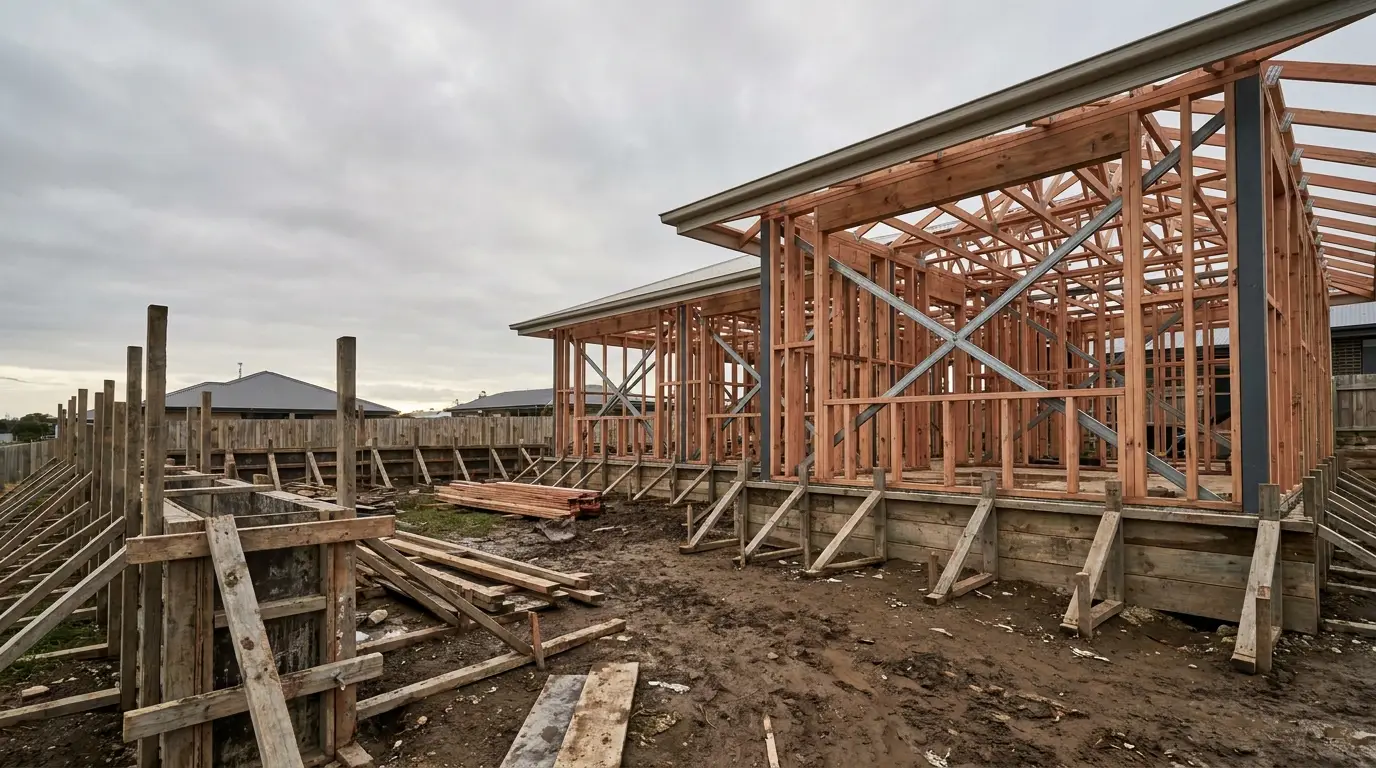
This is your foundation. Literally. Before concrete gets poured, an inspector checks that the site preparation, reinforcement, and formwork are all correct. If something’s off here, everything built on top of it inherits that problem. Pretty scary when you think about it.
The Frame Stage
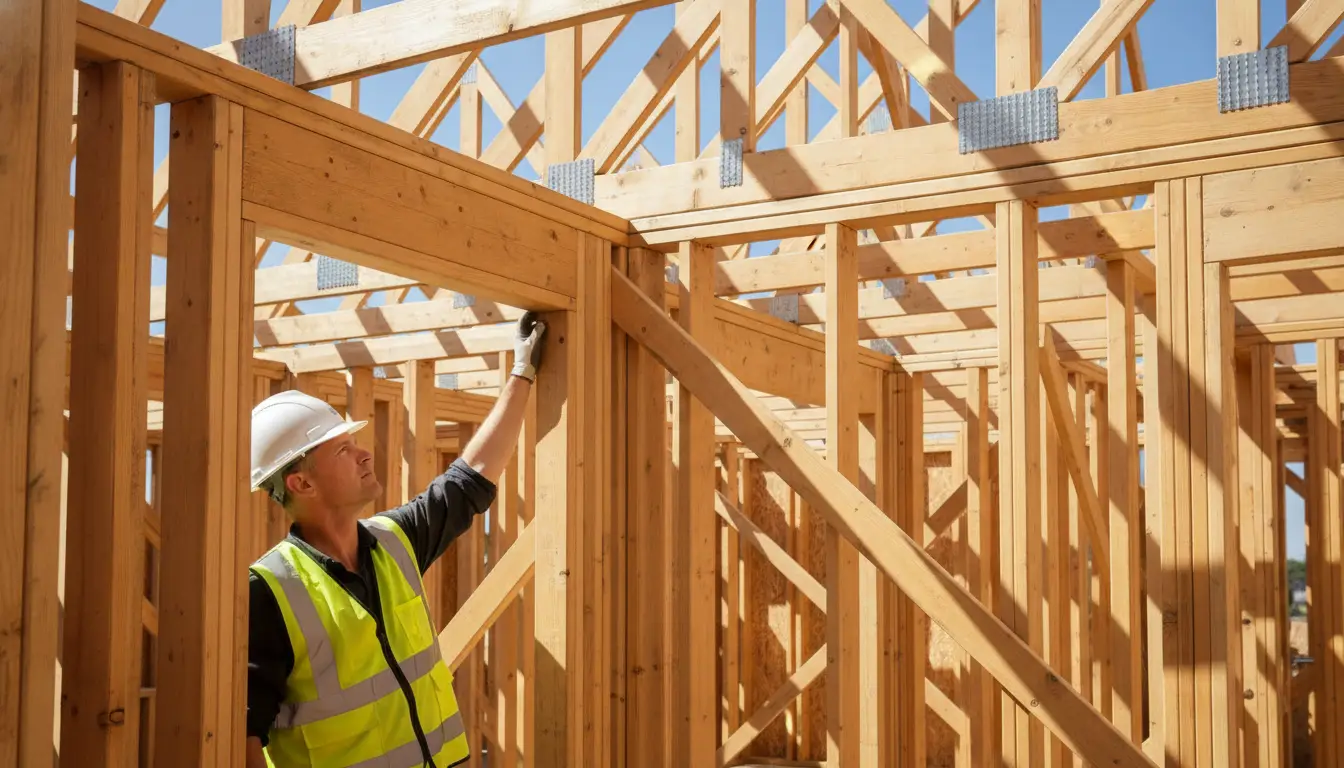
Once the frame goes up, you can finally see the skeleton of your home. An inspector at this point looks at timber or steel framing, bracing, tie-downs, and whether everything lines up with the engineering plans. This is the last easy chance to spot structural issues before walls get closed up.
Pre-Lining (or Lock-Up)
Here’s where it gets interesting. This stage happens after the frame but before the plasterboard goes on. Plumbing, electrical rough-ins, insulation, waterproofing in wet areas. All of it gets checked now. Because once those walls are sealed, you’re basically hoping for the best.
Ever noticed how some new homes develop weird plumbing issues or moisture problems within the first year? A lot of that traces back to things that went wrong at this stage and nobody caught them.
The Final or Handover Inspection
You’re almost there. The house looks finished. But looks can be deceiving. A final inspection covers everything from paint finishes and cabinetry to drainage, fixtures, and whether doors actually close properly. You’d be surprised how many small defects slip through at handover. An independent inspector creates a defect list so your builder can fix things before you sign off and collect the keys.
Why Bother When Councils Already Inspect?
Good question. Council inspections are mandatory, yes. But they tend to focus on compliance with minimum standards and regulations. They’re not there to protect your investment the way a private inspector would. The scope is different. The detail is different. And the motivation is definitely different.
Building With Confidence
Whether you’re working with experienced home builders in Melbourne, Victoria or a smaller regional outfit, independent inspections give you peace of mind that’s based on evidence, not just trust. Good builders actually welcome them because it shows transparency and accountability on both sides.
The truth is, building a home is one of the biggest financial commitments most people will ever make. A few hundred dollars at each inspection stage is a pretty small price to protect that kind of investment.
So if you’re planning a build, do yourself a favour. Book those inspections. Your future self, the one living happily in that finished house, will thank you.


