Stucco Repair in Calgary: Common Exterior Damage and When to Call a Contractor
Most exterior plaster problems begin with moisture finding its way behind the finish, so the warning signs matter more than the cracks themselves. Hairline crazing is usually cosmetic, while widening splits, bulging panels, rust-coloured staining, or hollow-sounding areas point to trouble underneath. Searches for help tend to spike after winter because freeze-and-thaw movement reveals weaknesses that a qualified specialist should assess before the next wet season arrives.
Introduction
Few exterior issues frustrate homeowners more than a crack that keeps coming back. You patch it, paint over it, and within a season the same line returns in the same spot. That pattern is rarely about poor filler. It usually means moisture, movement, or a substrate fault is driving the damage from behind the wall, and the surface is simply the messenger.
Cement plaster and synthetic finishes each behave differently under the regional climate, where sharp temperature swings and driving snow test every seam. Knowing when the assembly needs deeper attention sits at the heart of any honest evaluation, and reputable stucco repair services in Calgary treat that diagnosis as step one rather than an afterthought.
Reading those clues correctly is what separates a quick touch-up from a fix that holds, and it explains why a ‘Calgary stucco repair near me’ search so often follows the first hard winter.
How to Read the Warning Signs on Your Walls
Cladding rarely fails without notice. Long before a panel crumbles, the surface offers a sequence of hints about what is happening beneath it. Sound exterior stucco damage repair in Calgary begins with that distinction, because telling cosmetic aging apart from a fault that threatens the structure behind dictates which response a wall actually needs.
Cracks That Talk: Cosmetic Versus Structural
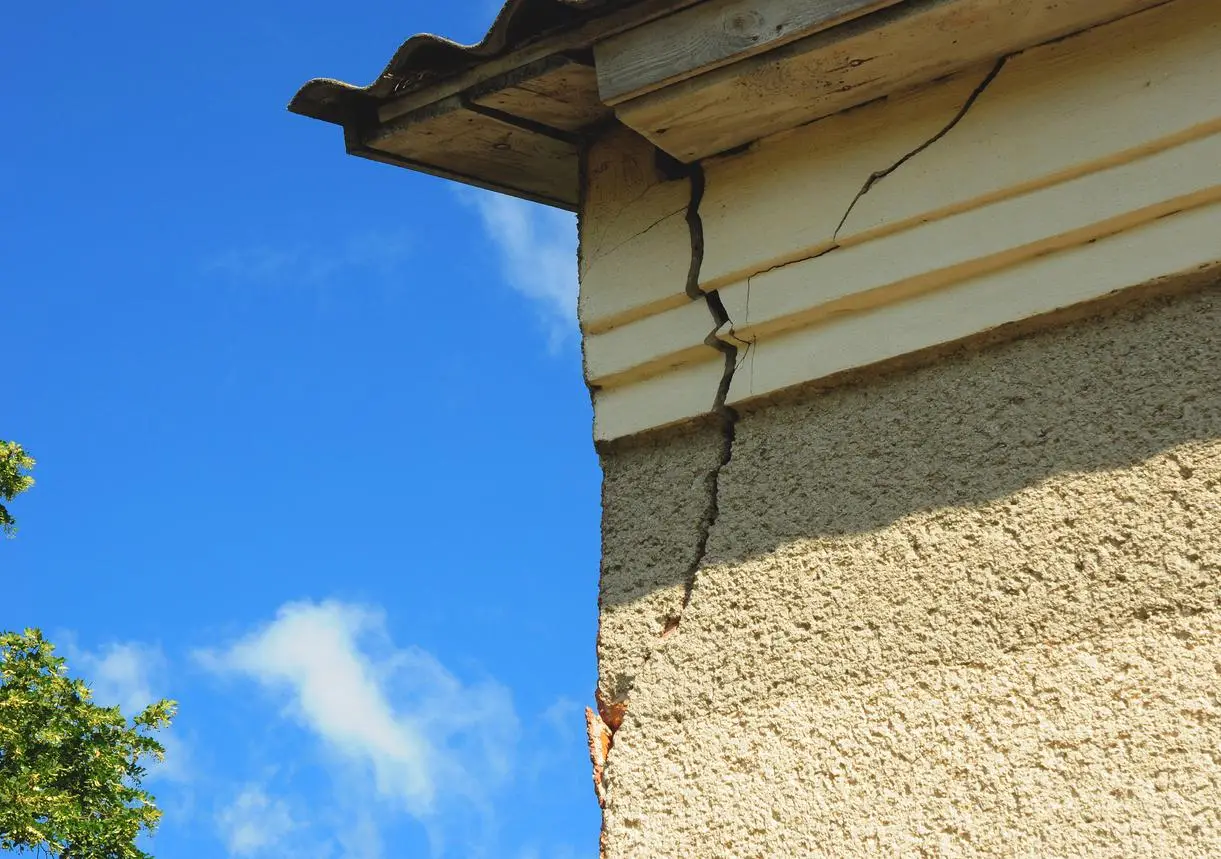
Not every line in a finish coat is cause for alarm. Fine, shallow webbing known as crazing comes from normal curing and surface shrinkage, and it tends to stay put for years. Movement that signals a deeper concern announces itself differently, and a few patterns are worth committing to memory:
- Diagonal splits spreading from window and door corners, which usually trace back to framing movement or settlement.
- Widening vertical or horizontal lines thicker than roughly 3 mm, often a marker of substrate stress rather than surface wear.
- Stair-step cracking that follows the mortar joints on masonry walls beneath the plaster.
- Rust-coloured streaks, hinting that the metal lath or fasteners behind the coat have begun to corrode.
When Moisture Is the Real Culprit
Water sits at the root of most serious exterior trouble. Once it slips past a failed seal or an unflashed edge, it becomes trapped against the sheathing, and the regional freeze-thaw cycle then pries the wall apart from within. Bulging or spongy patches, a hollow sound when you tap the surface, peeling paint, and dark blotches all point toward saturation rather than ordinary wear. These symptoms reward early attention.
Pro Tip: Press gently around any stained zone. A spot that yields or feels soft signals trapped water behind the coat, and that judgment belongs with a seasoned professional rather than a weekend patch.
Spotting the symptom is only half the picture, because the material itself dictates how the remedy should proceed.
Matching the Repair Method to Your Finish
A durable outcome depends less on the filler and more on matching the technique to the system already on the wall. The composition underneath shapes everything that follows.
Why the System Underneath Changes Everything
Three exterior finishes dominate area homes, and each cracks, holds moisture, and accepts a patch differently. The table below sets out how they compare before any work begins.
| Finish System | Typical Failure | Repair Approach |
|---|---|---|
| Traditional cement plaster | Settlement splits, rigid and brittle | Cut out, re-lath, layer fresh coats |
| Acrylic finish | Flexible, resists hairline movement | Blend patch, feather the texture |
| EIFS (insulated synthetic) | Hidden saturation, foam damage | Probe, dry, rebuild affected layers |
These contrasts explain why a single technique cannot serve every façade, and why guessing wrong often seals moisture inside.
Knowing the Moment to Call a Professional

Some jobs reasonably stay in homeowners’ hands, while others carry real risk when rushed. The markers below usually mean the work belongs with experienced residential stucco repair in Calgary:
- Splits that reopen within a season despite patching.
- Soft or hollow zones suggesting water has pooled behind the coat.
- Damage circling windows, rooflines, or flashing.
Expert evaluation also protects the warranty and the building envelope, which matters most on layered assemblies. The reality is that reading the wall correctly is one task, and keeping it sound across the seasons is another.
Keeping Your Exterior Sound Year After Year
The most affordable repair is the one a homeowner prevents. Steady upkeep keeps small flaws from maturing into structural headaches, and the rhythm matters as much as the effort.
A Simple Yearly Rhythm
Exterior finishes respond well to predictable care, and a short annual routine catches most issues while they remain cheap to address. Professional guidance generally points toward washing and inspecting these surfaces once a year, with extra attention after heavy storm seasons. A practical checklist looks like this:
- Rinse grime and organic growth from the finish coat each spring.
- Walk the perimeter watching for fresh hairline movement or discolouration.
- Reseal joints around windows, vents, and penetrations as caulking ages.
- Confirm that downspouts and grading push water well away from the base.
Drainage and the Building Envelope
Moisture management decides how long any exterior coating survives. Because trapped water drives the costliest failures, the goal is to give it nowhere to collect against the wall. Clear eaves, intact flashing, and proper slope around the foundation do more for longevity than any premium product ever could.
A thoughtful stucco wall restoration in Calgary holds up far better when this groundwork stays in place, shielding both the cladding and the framing beneath it. On the other hand, even diligent care cannot undo a fault left to spread, which is why early reading and timely action remain the homeowner’s best tools.
Smart Stucco Patching Decisions for Lasting Walls
Healthy exteriors come down to three habits working together. Read the early signals honestly, match the technique to the finish on your wall, and keep moisture moving away from the structure.
Cosmetic crazing can wait, while widening splits, soft panels, and rust streaks deserve prompt attention. When the signs run deeper than the surface, trusted Calgary stucco patching contractors give a homeowner the clearest path back to a façade that stays strong and looks its best for decades.