Why Hydrovac Excavation Is the Safer Choice for Underground Utility Work
Hydrovac excavation in Edmonton uses pressurized water and vacuum suction to expose buried infrastructure without striking pipes, cables, or fibre lines. The method protects workers, property, and existing services by replacing mechanical digging with a precise, water-based process. It satisfies modern safety codes, lowers liability exposure, and provides accurate daylighting around live assets before any structural or trenching work begins.
Introduction
Anyone managing a utility project knows the dread of hearing a backhoe bucket strike something it shouldn’t. A nicked gas line, a severed fibre conduit, or a punctured water main can shut down a job for days and trigger damage claims that dwarf the original scope. Regulatory pressure on contractors keeps tightening, and clients now expect proof that buried assets were located accurately before any soil was moved.
The water-based method dissolves soil cohesion without applying mechanical force, which means crews work safely within centimetres of fragile assets. Reputable hydrovac in Edmonton providers also document soil conditions, depth readings, and pressure settings throughout each dig, giving project managers a defensible record of due diligence on every site visit.
How Water-Based Daylighting Actually Works
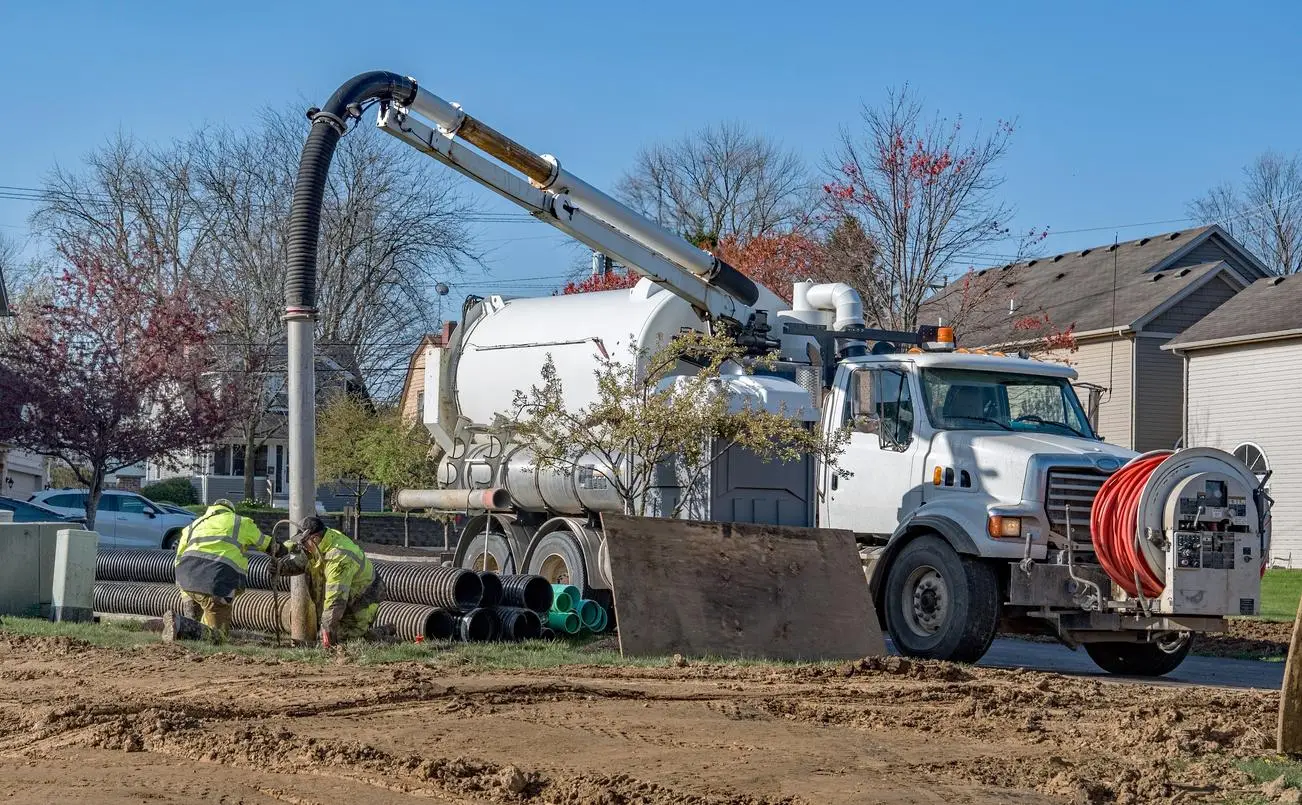
The principle behind this method is deceptively simple. A specialized truck pairs a high-pressure water lance with an industrial vacuum system, breaking soil into a slurry that gets drawn into an onboard debris tank. What looks straightforward on the surface involves careful coordination between water temperature, pressure calibration, and suction control, all calibrated to the conditions present at each dig location.
How the Equipment Operates
A typical unit carries between 4,500 and 6,000 litres of water along with a debris tank holding roughly 8 to 12 cubic metres of spoil. The lance delivers controlled pressure that fractures soil bonds without damaging anything rigid embedded in the ground. A boom-mounted hose then lifts the resulting slurry directly into the holding tank, leaving a clean, precisely shaped hole behind.
Why Soil Conditions Matter
Operators adjust their approach based on what lies beneath the surface. The variables that influence pressure and flow settings include:
- Soil classification, whether cohesive clay, silty loam, or granular fill
- Moisture content and any frost penetration depth
- Proximity to live assets, which dictates a softer initial cut
- Contamination risk, particularly near industrial sites or older fuel infrastructure
The Daylighting Standard
The practice of exposing buried assets without contact, known as daylighting, has become the benchmark for utility verification across the region. Electromagnetic locate sweeps provide an estimated path, yet only visual confirmation through non-destructive excavation gives crews a defensible record of what actually sits below grade. Engineering firms increasingly require this step before sign-off on tie-ins, boring entry points, or foundation work.
Where Pressurized Water Outperforms Conventional Digging
Mechanical digging relies on blunt force, which is exactly what makes it risky around live infrastructure. The water-and-suction approach removes that variable entirely, replacing impact with controlled erosion.
Reduced Strike Risk and Worker Protection
Backhoe and trencher operators work blind once the bucket enters the soil. A pressurized water cut, by contrast, dissolves material in thin layers, giving the operator constant visibility into what is being exposed.
Workers stay outside the immediate dig zone, which lowers exposure to cave-ins, electrical arcs, and pressurized gas releases. Provincial occupational health regulations now recognize this approach as the preferred standard for any work within one metre of marked services.
Comparing the Two Approaches
The table below outlines the practical differences between mechanical and water-based methods on a typical utility job.
| Factor | Mechanical Digging | Water and Vacuum Method |
|---|---|---|
| Strike risk near live lines | High | Very low |
| Worker proximity to the dig face | Close | Remote |
| Precision around fragile assets | Limited | Within centimetres |
| Restoration footprint | Large | Minimal |
| Suitability for frozen ground | Poor | Strong with heated units |
Environmental and Site Recovery Gains
Beyond worker safety, the smaller surface disturbance translates into faster restoration and lower reinstatement costs. The result is less landscaping repair, reduced traffic disruption, and cleaner spoil handling, since the slurry stays contained within the truck rather than scattered across the work area. Many vac truck services in Edmonton also segregate contaminated material at the source, which simplifies disposal compliance.
In practice, these advantages compound across a project, reducing both incident frequency and downstream remediation costs.
What Separates Qualified Providers From the Rest

Choosing the right contractor determines whether these safety benefits actually translate into clean execution on site. Credentials, equipment standards, and documentation practices separate compliant operators from those who cut corners.
Vetting Criteria That Matter
Before awarding any contract, project managers should verify a short list of professional benchmarks. The items below reflect what serious procurement teams check during qualification.
- Operator certification through recognized provincial safety associations
- Equipment inspection records and current pressure vessel certifications
- Insurance coverage appropriate to the scope of buried infrastructure exposure
- Disposal agreements with licensed receiving facilities for slurry and contaminated spoil
- Documented site reports, including depth readings, soil notes, and photo records
Most reputable hydrovac companies in Edmonton will provide this paperwork without hesitation. Hesitation itself is a warning sign worth taking seriously.
Planning for Future Site Conditions
The work does not end when the hole is backfilled. Accurate as-built records from the dig become reference material for every future contractor who touches that corridor. Storing depth and location data in a shared project file reduces the chance of repeat exposure work years down the line. Engineering teams increasingly tie this documentation into geographic information systems, which makes the original investment pay dividends across the asset lifecycle.
Building a Reliable Working Relationship with Hydrovac Services in Edmonton
Consistency matters more than the lowest hourly rate. A provider familiar with your sites, your engineers, and your reporting expectations will outperform a rotating cast of unknown crews every time.
The result is fewer surprises, tighter schedules, and a defensible safety record. For any team planning utility work in the region, prioritizing qualified excavation remains the most reliable path forward.
Final Takeaways on Safer Underground Utility Work
The case for water-based digging rests on engineering logic, not marketing claims. Lower strike risk, tighter precision around live assets, and cleaner site recovery all reduce both safety incidents and project costs. Documentation practices and operator credentials remain the deciding factors between a smooth job and an expensive recovery effort.
Teams that treat hydrovac excavation in Edmonton as a procurement standard, rather than a last resort, consistently deliver projects with fewer surprises and stronger compliance records.