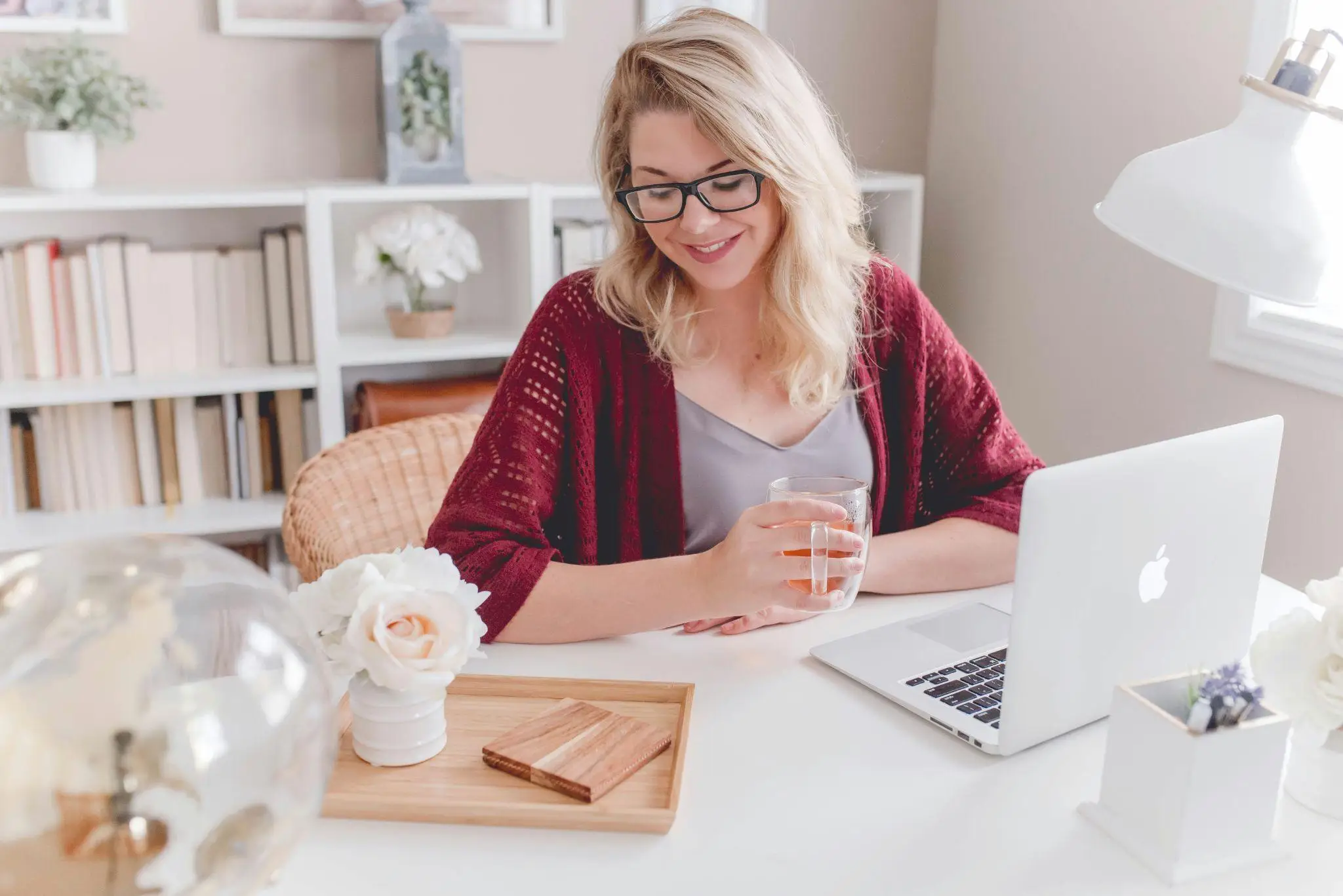
The Home Upgrade Most People Need Isn’t the One They Think
Not long ago, home and work occupied separate spaces in most people’s lives. The office was where meetings happened, decisions were made, and projects moved forward. Home was where people relaxed after the workday ended. Today, those boundaries are far less defined. For many professionals, entrepreneurs, freelancers, and remote employees, the house has become the headquarters.
This shift has changed the way people think about their living spaces. A home is no longer judged solely by how comfortable it feels after work. It also needs to support productivity, organization, communication, and focus during the day. At the same time, nobody wants their entire house to feel like a corporate office.
The challenge is creating a space that performs well without sacrificing personality. The homes that succeed are usually the ones that balance functionality with comfort. They look intentional, operate efficiently, and support the people living inside them.
Why Productivity Starts With the Environment
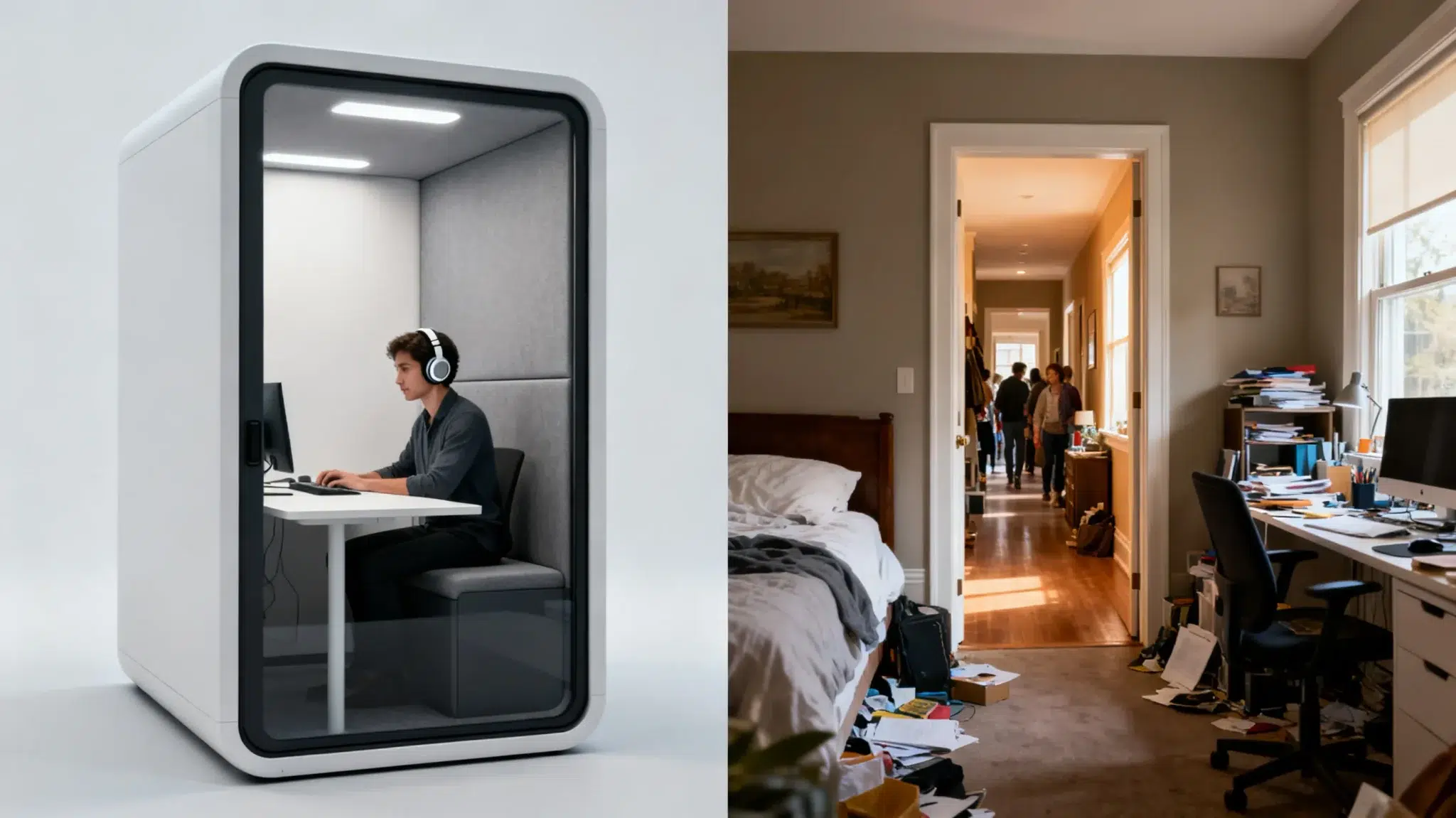
People often assume productivity is entirely about discipline. In reality, environment plays a major role in how easily someone can focus and stay organized.
A cluttered room creates distractions. Poor lighting affects concentration. An uncomfortable workspace can turn simple tasks into frustrating experiences. Over time, these small issues compound and make work feel more difficult than it needs to be.
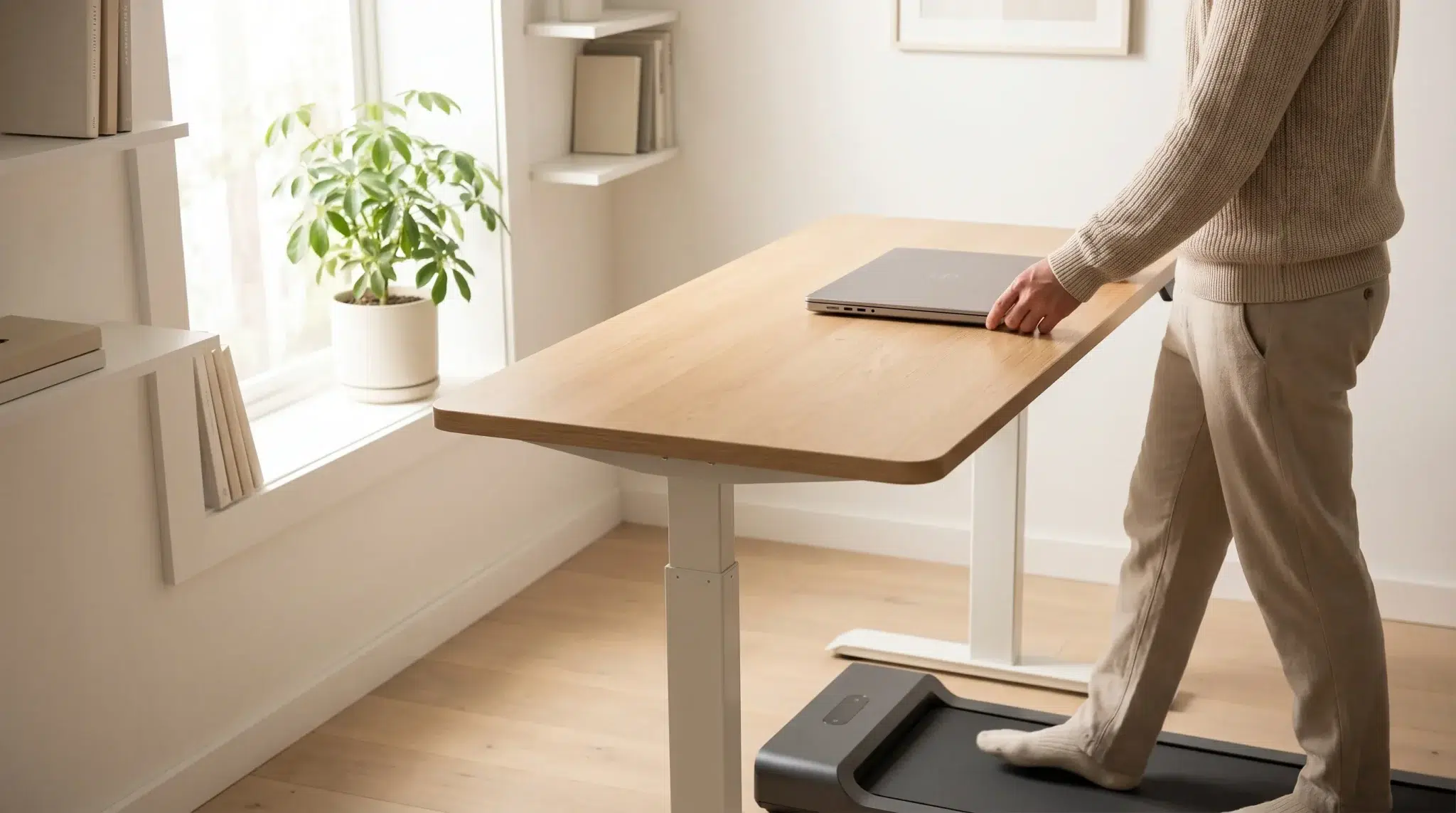
The most effective home workspaces are not necessarily large or expensive. They are thoughtfully designed around the way people actually work. Good lighting, practical organization, comfortable seating, and a dedicated area for focused work often produce a bigger impact than expensive upgrades.
When the environment supports productivity, people spend less energy fighting distractions and more energy completing meaningful work.
Running a Modern Business Requires Modern Systems
As homes increasingly function as business hubs, many professionals are paying closer attention to the systems they use every day. Administrative tasks may not be exciting, but they influence how efficiently a business operates.
Payroll, employee management, scheduling, reporting, and communication all require reliable systems. Small inefficiencies can consume significant amounts of time when repeated daily. Business owners quickly discover that growth becomes difficult when manual processes start overwhelming available resources.
This is one reason organizations adopt solutions such as Salesforce hris. Integrated workforce management systems help simplify HR processes, payroll administration, employee data management, and operational workflows. Instead of juggling multiple disconnected tools, businesses can create a more streamlined approach that supports growth while reducing administrative complexity.
The businesses that scale successfully are often the ones that invest in systems before operational challenges become overwhelming.
A Home Office Should Feel Professional Without Feeling Cold

Photo by Roberto Nickson on Unsplash
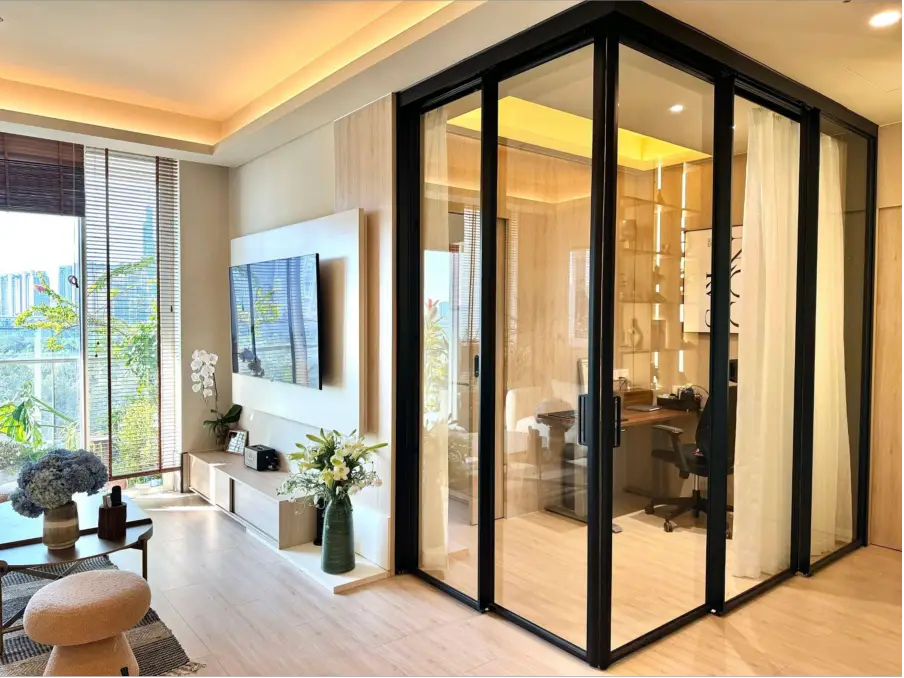
One mistake people make when creating home workspaces is treating them exactly like corporate offices. The result can feel sterile and uninspiring. The opposite mistake is creating a space that feels so casual it becomes difficult to focus.
The most successful home headquarters find a middle ground. They maintain professionalism while preserving warmth and personality. The space reflects the people using it rather than imitating a generic office environment.
This balance matters because people spend a significant portion of their lives in these spaces. A room that feels pleasant to work in encourages better habits and reduces unnecessary stress. When work and home occupy the same building, thoughtful design becomes even more important.
The goal is creating a space that supports productivity during work hours and still feels like home when the workday ends.
First Impressions Matter at Home Too
Many homeowners focus heavily on interior improvements while paying less attention to what visitors, clients, neighbors, or customers see first. Exterior appearance influences perception long before someone enters the front door.
For people operating businesses from home, this becomes especially relevant. Deliveries, client meetings, networking events, and community interactions all contribute to professional reputation. A well-maintained exterior communicates attention to detail and pride in ownership.
Visual elements play a larger role than many people realize. Landscaping, maintenance, lighting, and architectural features all contribute to the overall impression, while details such as decorative flag displays fromhttps://hdflagpoles.com/ can help strengthen a property’s visual presence. Small exterior upgrades often create an impact that extends far beyond their size. The outside of a home tells a story before anyone steps inside.
The outside of a home tells a story before anyone steps inside.
Organization Is the Hidden Advantage
When people imagine successful work-from-home environments, they often focus on visible design features. Yet organization is frequently the factor that makes the biggest difference.
Disorganization creates friction. Missing documents, cluttered workspaces, misplaced equipment, and inconsistent systems all add unnecessary stress to the workday. While each issue may seem minor individually, together they can significantly reduce efficiency.
Strong organizational systems allow people to spend more time on meaningful work and less time searching for information or correcting avoidable mistakes. This applies equally to physical spaces and digital systems. The more organized the environment becomes, the easier it is to maintain momentum throughout the day. Good organization rarely attracts attention because it quietly removes problems before they occur.
The Best Headquarters Support More Than Work
The phrase “headquarters” suggests productivity, decision-making, and business operations. Yet a home must support much more than work alone. It remains a place for family, relaxation, hobbies, and everyday life.
The most effective home headquarters recognize this reality. They are designed to accommodate multiple purposes without allowing one to overwhelm the others. Work happens efficiently, but personal life still has room to exist.
This balance has become increasingly valuable as remote and hybrid work continue evolving. People no longer want spaces that force them to choose between professional success and personal comfort. They want environments that support both.
A great home headquarters is not simply a place where work gets done. It is a place where life functions smoothly. When the systems work well, the spaces feel intentional, and the environment supports both productivity and wellbeing, the house becomes far more than a place to live. It becomes a foundation for everything else happening around it.