7 Reasons to Choose Black Office Chairs for Your Workspace
Walk into almost any professional office and you will spot a sea of black seating. That is not an accident. Over the years, black has held its ground as the dominant color choice for desk seating, and the reasons go well beyond habit or convention. Whether you are outfitting a corporate headquarters, a home office, a co-working space, or a growing startup, understanding why that choice has persisted is worth your time before you commit your budget.
Black seating gets chosen by interior designers, facilities managers, and individual buyers alike, not because it is the only option but because it keeps delivering on the core requirements. Below are seven reasons why black continues to dominate the office seating category and why that dominance is unlikely to change anytime soon.
1. Black Hides Everyday Wear Better Than Any Other Color
Office chairs take a beating. People sit in them for six to ten hours a day, and over time every scratch, scuff, faded patch, and fraying edge tells a story. Black mesh, black fabric, and black leather all conceal that daily wear remarkably well. A light gray chair that looks pristine on day one can look dingy and tired within a year of regular use. A beige fabric chair shows every coffee ring and smudge. A black chair, by contrast, tends to look sharp for far longer between deep cleans, which matters especially when clients walk through your office and make subconscious judgments about your operation based on what they see.
2. They Match Every Office Aesthetic
Black is the neutral that gets along with every color palette without effort. Whether your office runs on white standing desks, natural wood surfaces, glass-topped conference tables, concrete flooring, or a bold accent wall in any color, black seating slots right in without clashing. This flexibility is particularly valuable for offices that evolve over time. If your company undergoes a redesign, expands into a new space, or acquires furniture from different vendors across different years, black chairs create visual coherence without requiring you to coordinate anything perfectly. No other color offers that degree of adaptability.
3. The Available Selection Is Broader
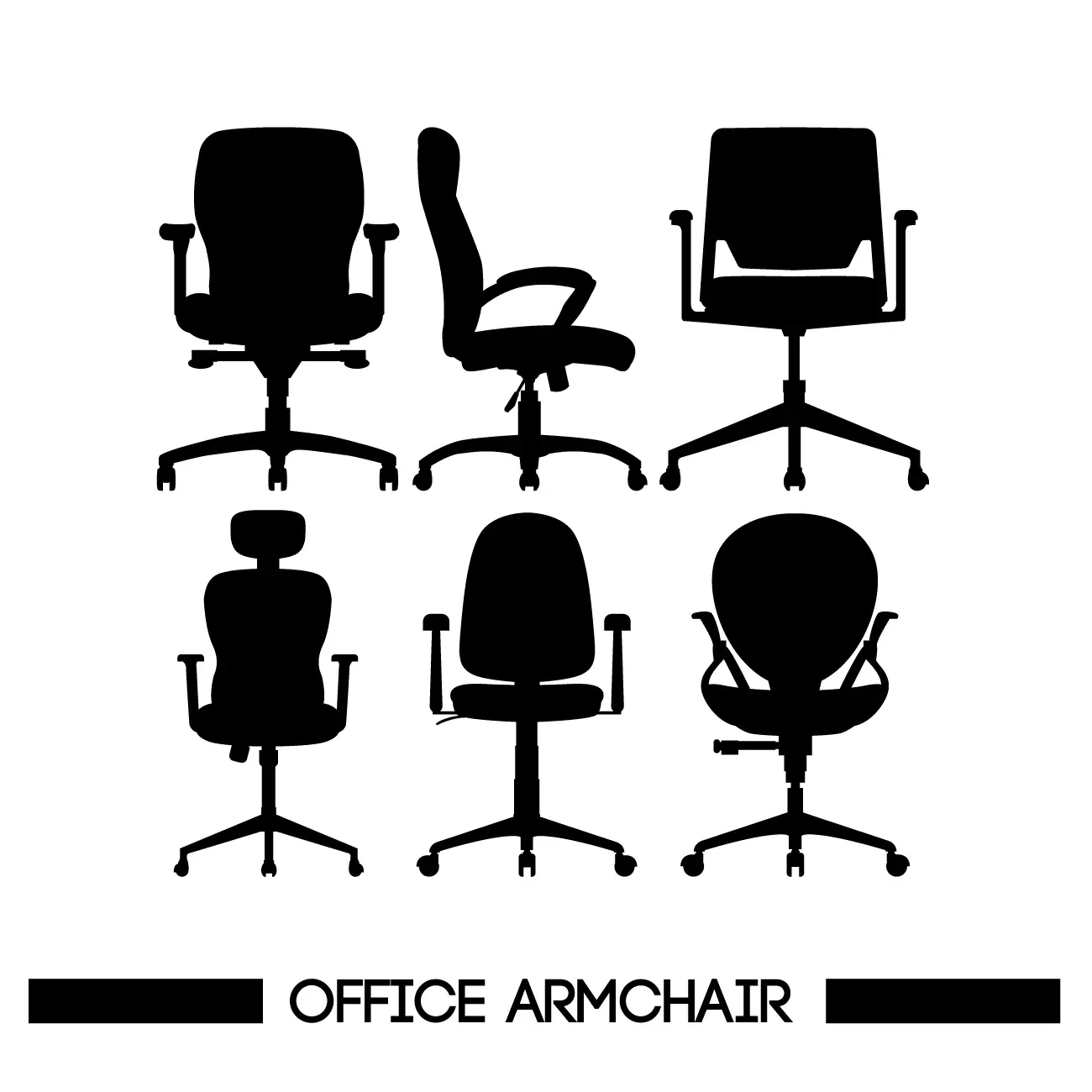
Because black is the default for most commercial seating manufacturers, the widest range of ergonomic features, price points, frame materials, and design styles exists in black. If you want adjustable lumbar support, customizable armrests, breathable mesh backs, executive leather finishes, or minimalist task-style frames, you will almost always find more options in black than in any other finish. The market depth in this color category is genuinely substantial.
Browsing a well-curated selection of black office chairs makes that variety concrete, covering everything from budget-friendly task seating to high-specification ergonomic models built for full-day use in demanding environments. That breadth of choice means you are far less likely to end up compromising on features simply because your preferred configuration is unavailable in the color you want.
4. They Communicate Professionalism Clearly

There is a reason law firms, financial institutions, architecture studios, and executive suites default to black seating. The color reads as polished, deliberate, and serious. For client-facing spaces in particular, black chairs signal that the organization pays attention to detail and takes its environment seriously. That impression is subtle, it does not announce itself loudly, but it does register with visitors and contributes to the overall perception of competence and credibility that good office environments create.
5. Replacements Are Always Easy to Source
Offices rarely purchase all their chairs on the same day or from the same supplier. When a chair breaks, wears out, or simply needs to be replaced a few years after an original purchase, matching black is almost always straightforward. Now try finding the exact shade of tan, slate blue, or burgundy you used five years ago from a manufacturer who may have since discontinued that colorway or updated their product line entirely. Black remains consistent across most suppliers and product generations, making it the practical choice for long-term seating fleet management. This matters more than most buyers realize at the time of initial purchase.
6. Maintenance Between Deep Cleans Is Simpler
Visible dust, lint, and everyday debris can be a constant headache on lighter upholstery colors. Pet hair shows up dramatically on mid-tones. On black surfaces, most common debris is far less noticeable between scheduled cleanings, which is especially relevant in high-traffic environments where daily wiping is not always practical. Black mesh and black vinyl in particular tend to look presentable for longer stretches, reducing the frequency of deep cleaning cycles and the staff time associated with them. For large offices managing dozens or hundreds of chairs, that reduction adds up meaningfully over the course of a year.
7. They Hold Their Resale Value on the Secondary Market
If you ever find yourself refreshing your office inventory and selling or donating older chairs, black seating consistently commands a broader secondary market. Individual buyers replacing a single broken chair, small businesses outfitting a new space on a tight budget, and nonprofit organizations furnishing meeting rooms all tend to prefer black seating for exactly the reasons listed above. Unusual or trendy colors narrow your potential buyer pool considerably, whereas black maintains wide appeal regardless of when the chairs were manufactured. That is not a primary reason to choose black, but it is a useful secondary benefit worth considering when you are making decisions at volume.
The dominance of black in office seating is not simply inertia or lack of imagination. It reflects a combination of practical advantages, aesthetic flexibility, and long-term value that other colors have not managed to replicate. When the goal is to build a workspace that looks professional, holds up under real-world conditions, stays easy to manage over time, and keeps its options open as the business evolves, black remains the logical and well-supported starting point.