

How to Protect Your Data When Furniture Shopping Abroad
Shopping for furniture abroad can be an exciting way to find unique pieces, but it also increases the risk to your personal data. Devices are exposed to loss and theft, and cybercriminals often take advantage of people connecting to unfamiliar networks while browsing or making purchases. Knowing how to properly protect your data helps ensure you don’t fall victim to identity theft or fraud, even if your devices are compromised.
1. Protecting Your Devices
Start with the essential foundation: securing entry to your phone and laptop. These days, devices provide direct access to highly private data, such as bank accounts, saved payment details and emails, so having a full range of safeguards in place is a must, especially when shopping online overseas.
Use a strong six-digit passcode instead of a simple PIN, avoiding easily guessable combinations of numbers. This might not be enough to stop keen-eyed thieves, so enable biometric locks where possible. You should also use strong passwords on individual apps, particularly those linked to shopping accounts, banking and private messages, supported by multi-factor authentication.
2. Understanding Border Checks
Laws vary widely, but border agents in some countries can request access to your devices as you’re travelling. Preparing with intention will give you peace of mind that your information stays private should this happen. You should also understand your rights when it comes to device access.
Some people prefer using a ‘travel version’ of a device with only what is needed for the trip, which can be particularly useful if you plan to make purchases or store payment details while abroad. Consider logging out of key accounts before you arrive at immigration checkpoints, including retail platforms and cloud-based services where purchase histories or payment information may be stored.
3. Using Secure Networks
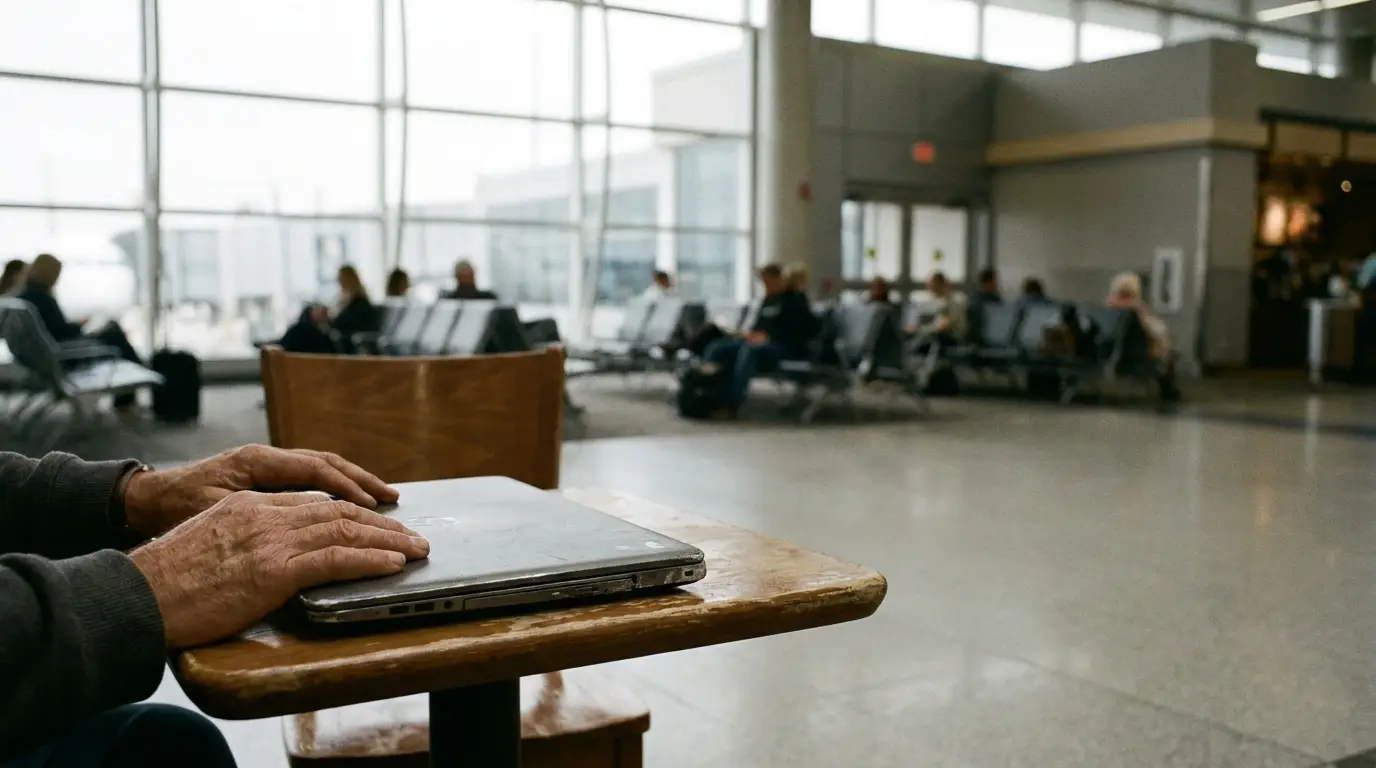
Public Wi‑Fi networks in airports, hotels and shopping centres often lack proper security, which makes it easier for others on the network to intercept your data. This becomes especially relevant when browsing furniture retailers or completing transactions online.
Use a trusted connection method whenever possible. When public networks are the only option, take precautions such as using a free VPN from a reliable provider with a clear privacy policy. A VPN encrypts your internet traffic, which means someone on the same network can’t easily access your information. In general, you should avoid entering payment details or accessing sensitive accounts while connected to unfamiliar networks, as unsecured connections can expose login credentials and financial data.
4. Maintaining Software Updates
Updates don’t just enhance the product offering of software, they also help defend against the latest cybersecurity risks. Before you travel, update your operating system and apps so you benefit from the latest protections, particularly if you plan to browse or purchase items online. You should also check that your security software is up to date.
You can set your devices to update automatically when connected to secure Wi‑Fi, ensuring that you always have the latest protections in place while shopping or managing orders abroad.
5. Encrypting Communication Channels
When you use devices to browse products, send messages to sellers or complete transactions, your data travels across multiple networks before it reaches its destination. Encryption ensures that even if someone intercepts that data, they can’t easily read it.
Choose websites and apps that use secure connections (HTTPS) and prioritise services offering encrypted communication, especially when sharing personal or payment details. Use reputable retailers and avoid saving payment information unnecessarily, as limiting shared data reduces your exposure if a platform is compromised.
Shopping for furniture abroad opens the door to new styles and experiences, but it also requires you to be more mindful of your digital habits. When you take a few deliberate steps, you stay in control of your personal information while enjoying the process of finding the right pieces for your home.


