
Creating an Accessible Water Therapy Experience at Home
Water therapy has long been valued for its ability to soothe sore muscles, reduce stress, and promote overall wellness. Today, more homeowners are bringing that experience into their own spaces—especially those looking to create a safe, accessible environment for aging in place or supporting loved ones with mobility challenges. With the right setup, you can transform your bathroom or backyard into a therapeutic retreat that blends comfort, safety, and healing.
Why Water Therapy Matters at Home
Hydrotherapy offers a wide range of benefits, including improved circulation, reduced joint pain, and enhanced relaxation. For individuals with arthritis, injuries, or limited mobility, consistent access to warm water therapy can significantly improve quality of life.
Creating a home-based solution eliminates the need for travel and allows for daily use, which is key to maximizing benefits. It also provides privacy and convenience—two factors that make a big difference for families and caregivers.
Designing for Accessibility First
The foundation of any effective water therapy space is accessibility. Without proper planning, even the most luxurious setup can become difficult—or unsafe—to use.
Start by evaluating mobility needs. Consider features such as:
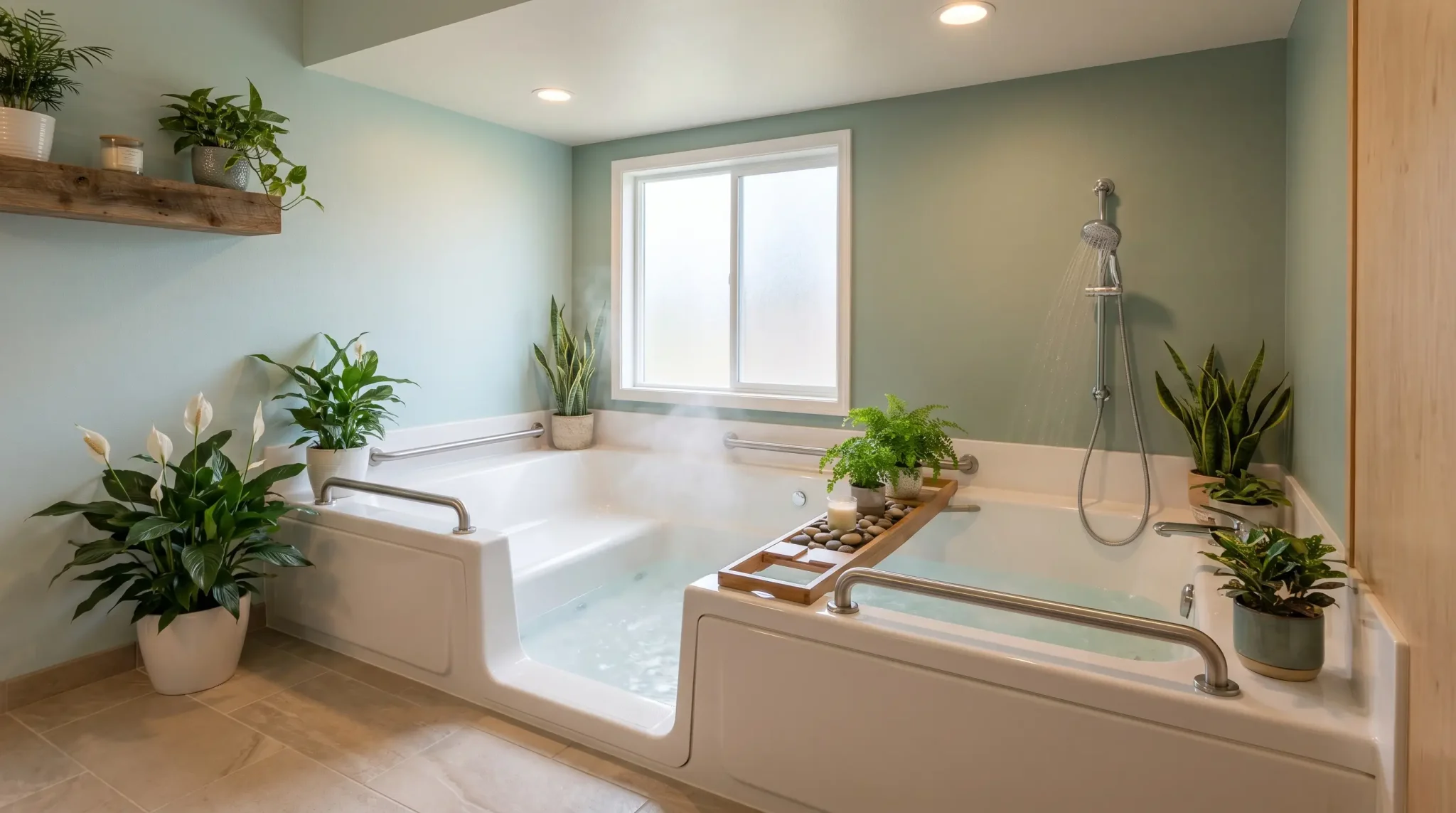
- Low-entry or walk-in access to reduce fall risk
- Non-slip flooring and grab bars for stability
- Comfortable seating options within the tub or spa
- Easy-to-reach controls for temperature and jets
One practical option many homeowners explore is installing a bathtub insert from Quick Tub, which allows you to convert an existing tub into a more accessible, user-friendly design without a full renovation. This type of upgrade is especially helpful for those wanting a faster, cost-effective solution.
Indoor vs. Outdoor Water Therapy Spaces
Both indoor and outdoor setups have unique advantages, and the best choice depends on your space, budget, and lifestyle.
Indoor setups are ideal for year-round use and offer more privacy. They can be integrated into an existing bathroom and designed with accessibility as the top priority.
Outdoor spaces, on the other hand, provide a calming, nature-inspired environment. A backyard spa or hot tub can double as a relaxation zone for the entire family. However, outdoor installations require careful planning for weather protection, safe pathways, and proper drainage.
When exploring outdoor options, many homeowners begin by researching hot tub prices to understand the range of investment required. Costs can vary widely depending on size, features, and installation complexity.
Creating a Spa-Like Atmosphere
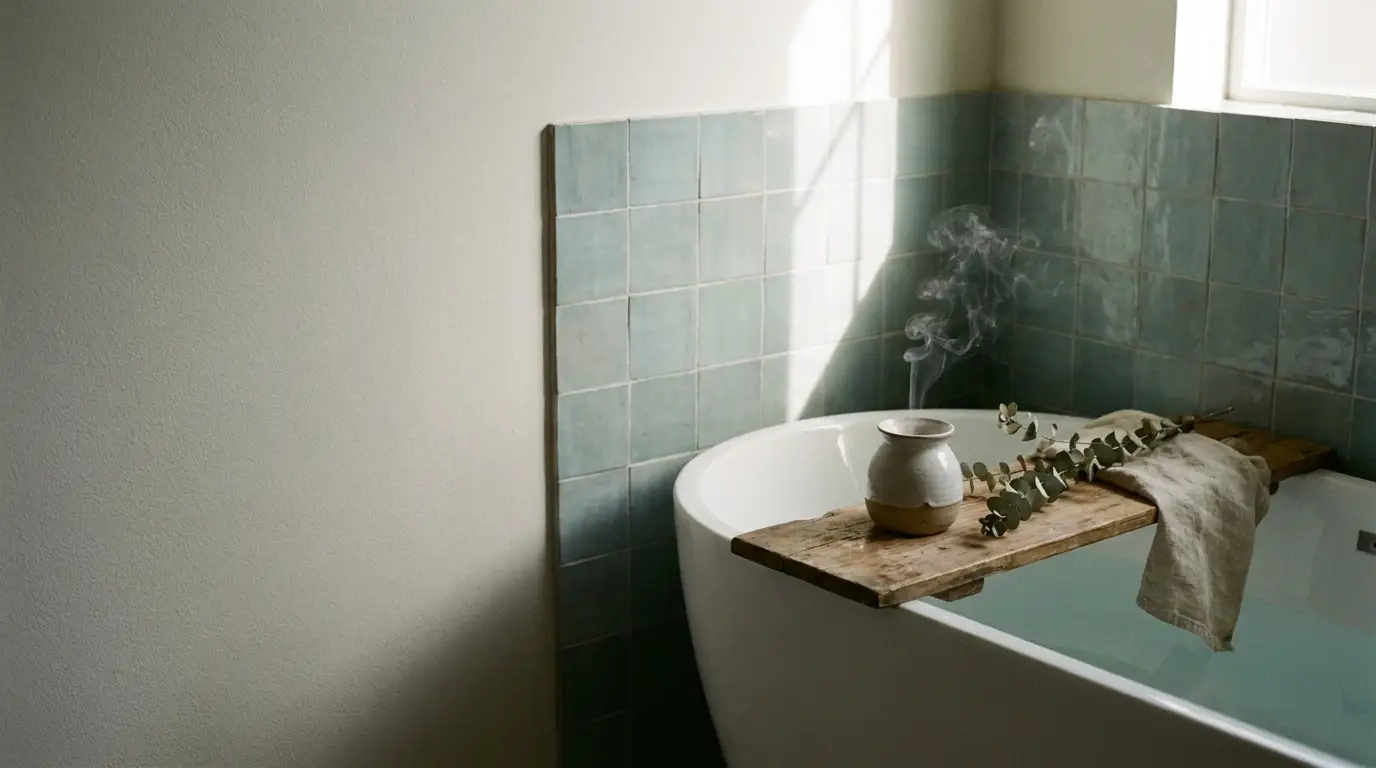
Accessibility doesn’t mean sacrificing style. In fact, a thoughtfully designed water therapy space can feel just as inviting as a luxury spa.
Focus on elements that promote relaxation and peace:
- Soft lighting, such as dimmable fixtures or natural light
- Calming color palettes like soft blues, greens, or neutrals
- Aromatherapy using essential oils like lavender or eucalyptus
- Quiet surroundings or gentle background music
For faith-centered homes, you might also incorporate meaningful touches such as scripture wall art, devotional music, or a small waterproof speaker for listening to uplifting messages during your soak.
Safety Features You Shouldn’t Skip
afety should always be a top priority, especially in a water-based environment. Even small upgrades can make a significant difference.
Key safety features include:
- Anti-scald valves to regulate water temperature
- Handheld showerheads for easier rinsing
- Adequate lighting to prevent slips and missteps
- Emergency call systems or waterproof alert buttons
If multiple family members will use the space, design it with flexibility in mind so it comfortably accommodates different needs.
Budget-Friendly Tips for Getting Started
You don’t need a complete remodel to begin enjoying water therapy at home. Start small and build over time.
Simple upgrades can include:
- Adding a bath seat or transfer bench
- Installing peel-and-stick non-slip flooring
- Using portable jet spa devices for existing tubs
- Incorporating waterproof cushions for added comfort
These smaller investments can provide immediate benefits while you plan for larger improvements down the road.
Making It a Daily Wellness Habit
The real value of a home water therapy space comes from consistent use. Encourage a routine that fits naturally into your lifestyle—whether it’s a morning soak to ease stiffness or an evening session to unwind.
For families, this can also become a shared wellness practice. Teaching children the importance of rest, self-care, and stewardship of the body can turn a simple soak into a meaningful ritual.
Creating an accessible water therapy experience at home is about more than convenience—it’s about enhancing comfort, independence, and overall well-being. With thoughtful design and a focus on safety, your home can become a place of healing, renewal, and peace for years to come.


