5 Negative Effects of Hard Water on Your Home and Your Health
Hard water is a common issue in many homes, yet it often goes unnoticed until the effects start building up. It contains high levels of minerals like calcium and magnesium, which can gradually cause damage inside your plumbing system and impact everyday use around the home.
If you’re searching for the effects of hard water, signs of hard water damage, or how hard water affects your home and health, this article explains everything clearly.
Signs You Have Hard Water in Your Home
Hard water usually shows up in small, everyday ways before it becomes a bigger issue. Common signs include:
- Limescale build-up around taps, sinks, and showerheads
- Cloudy glassware or streaky dishes after washing
- Soap and shampoo that don’t lather properly
- Spots, residue, or film left on dishes and surfaces
- Reduced water pressure over time
- Appliances are taking longer to heat water
- Dry skin or dull, rough-feeling hair after washing
These signs often point to mineral build-up in your water supply and suggest ongoing hard water issues in the home.
So, now you know the signs of hard water in your home, let’s take a look at five of the most common negative effects of hard water and why they matter
1) Limescale Build-Up in Pipes and Appliances

One of the most common signs of hard water is limescale. Over time, minerals in the water collect inside kettles, boilers, washing machines, dishwashers, and pipework.
This build-up reduces efficiency and forces appliances to work harder. Energy usage increases, and breakdowns become more likely. Limescale is often the first sign that hard water is starting to cause long-term damage behind the scenes.
2) Shortened Lifespan of Household Appliances
Hard water doesn’t just leave visible residue. It also affects internal components.
Appliances that rely on water flow, such as washing machines and water heaters, are especially vulnerable. Mineral deposits can clog systems and reduce performance over time. Many homeowners don’t realize how much hard water contributes to early appliance failure, often leading to unnecessary replacement costs.
3) Dry Skin, Irritation, and Hair Issues
Hard water can also affect how your skin and hair feel. The minerals may leave a residue after washing, which can strip natural oils. This often leads to dry, itchy, or irritated skin. Hair may feel rough, flat, or harder to manage.
People with sensitive skin conditions may notice the effects even more after regular showers or baths.
4) Poor Soap Performance and Cleaning Problems

Hard water makes everyday cleaning more difficult. Soap reacts with the minerals in the water, creating a residue instead of a rich lather.
This means more product is often needed to get the same results. Surfaces may still look dull or feel slightly sticky even after cleaning. Over time, this can increase household spending on soaps and cleaning products without improving results.
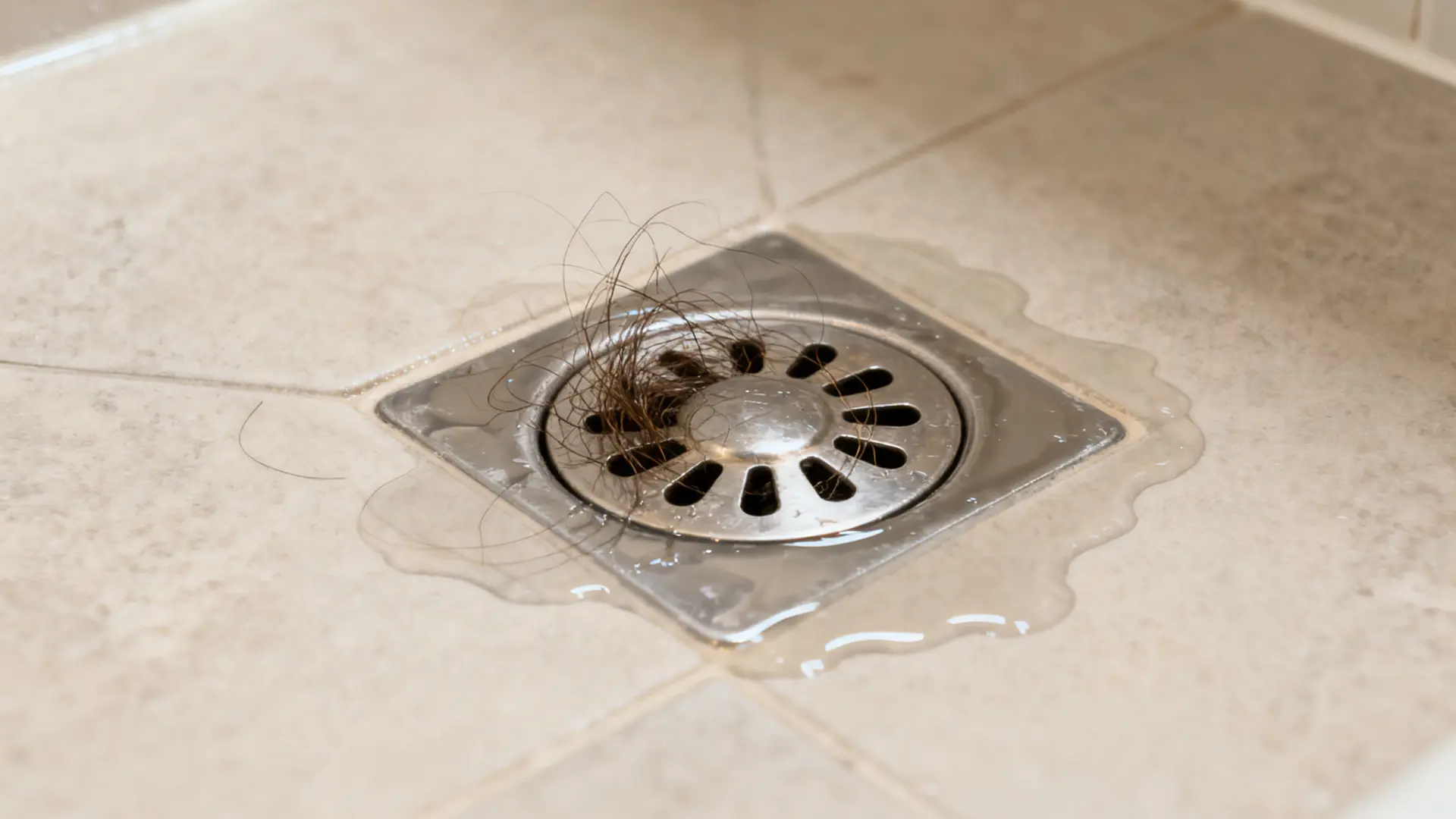
5) Reduced Water Flow and Blocked Pipes
As limescale builds up inside pipework, it gradually narrows the space for water to flow. This can lead to reduced water pressure and, in more severe cases, partial or full blockages. Left untreated, it may require professional plumbing work to resolve.
This is one of the more serious long-term effects of hard water and usually develops slowly over time.
How to Treat Hard Water in Your Home
If you’re looking for ways to deal with hard water, prevention is absolutely essential. Treating water before it moves through your plumbing system is one of the most significant ways to reduce long-term damage and ongoing maintenance issues caused by hard water – but how can you do this?
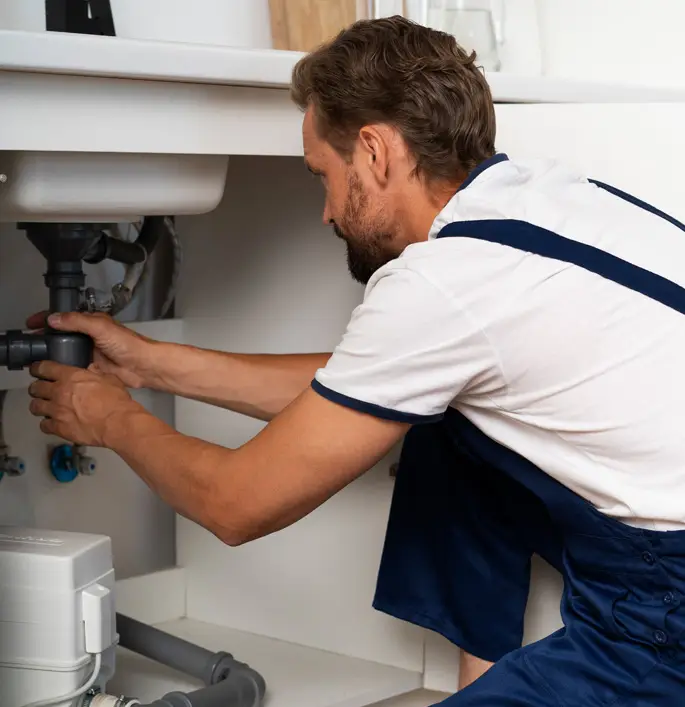
To do this, you’ll need to get a water descaler system installed inside your sink pipes. This will reduce the effects of hard water right at the source, rather than waiting for any buildup. It instantly helps limit limescale formation, protects appliances, improves water flow, and reduces mineral residue throughout your home.
For homeowners searching for a simple hard water solution, this is one of the most practical and low-maintenance options available.
Why Hard Water Should Not Be Ignored

Hard water often gets overlooked, yet the effects build up over time. Limescale, appliance damage, skin irritation, and poor cleaning results can all turn into frustrating and costly problems if nothing is done.
Stopping hard water damage usually comes down to acting early, as prevention and treatment make a noticeable difference before issues start affecting your home long-term.
A water descaler installed inside your sink pipes offers one of the most effective ways to manage hard water at home. It helps protect your plumbing, improves water flow, and reduces limescale build-up over time.
Homeowners in hard water areas often find that early action saves money, reduces ongoing maintenance, and improves overall water quality throughout the home. Acting sooner rather than later helps avoid bigger issues down the line.