

15 Plants That Repel Bugs for a Pest-Free Garden
Many assume that planting a few herbs is enough to keep bugs at bay, but the real challenge lies in how insects track humans and how quickly plant scents dissipate outdoors.
Plants that repel bugs can reduce insect presence in small areas, though their effect is limited and depends on placement and concentration.
Gardeners often notice the difference when seating areas are surrounded by these plants, yet gaps can render them far less effective. Recognizing these limits helps set realistic expectations.
Here’s a look at the most effective bug-repelling plants and how to use them.
How Bug-Repelling Plants Work
Bug-repelling plants release natural compounds that interfere with how insects detect humans or food, but their effect is strongest close to the plant and weakens with distance.
- Scent Masking: Volatile oils from plants block or confuse insect senses, disrupting signals like body odor and carbon dioxide. Works best in concentrated, close-range areas and is less effective in open or windy spaces.
- Chemical Compounds: Some plants produce chemicals like pyrethrum, menthol, and linalool, which insects avoid due to irritation or behavioral disruption. These compounds reduce insect presence but usually do not kill them.
- Distance and Placement: As plant oils disperse, their concentration drops, reducing effectiveness. Best results occur within a few feet of the plant, making placement more important than the type of plant for outdoor use.
Plants That Keep Bugs Away
Many strong-smelling herbs and flowers can discourage mosquitoes, flies, ants, and other common pests without using chemical sprays.
1. Citronella Grass
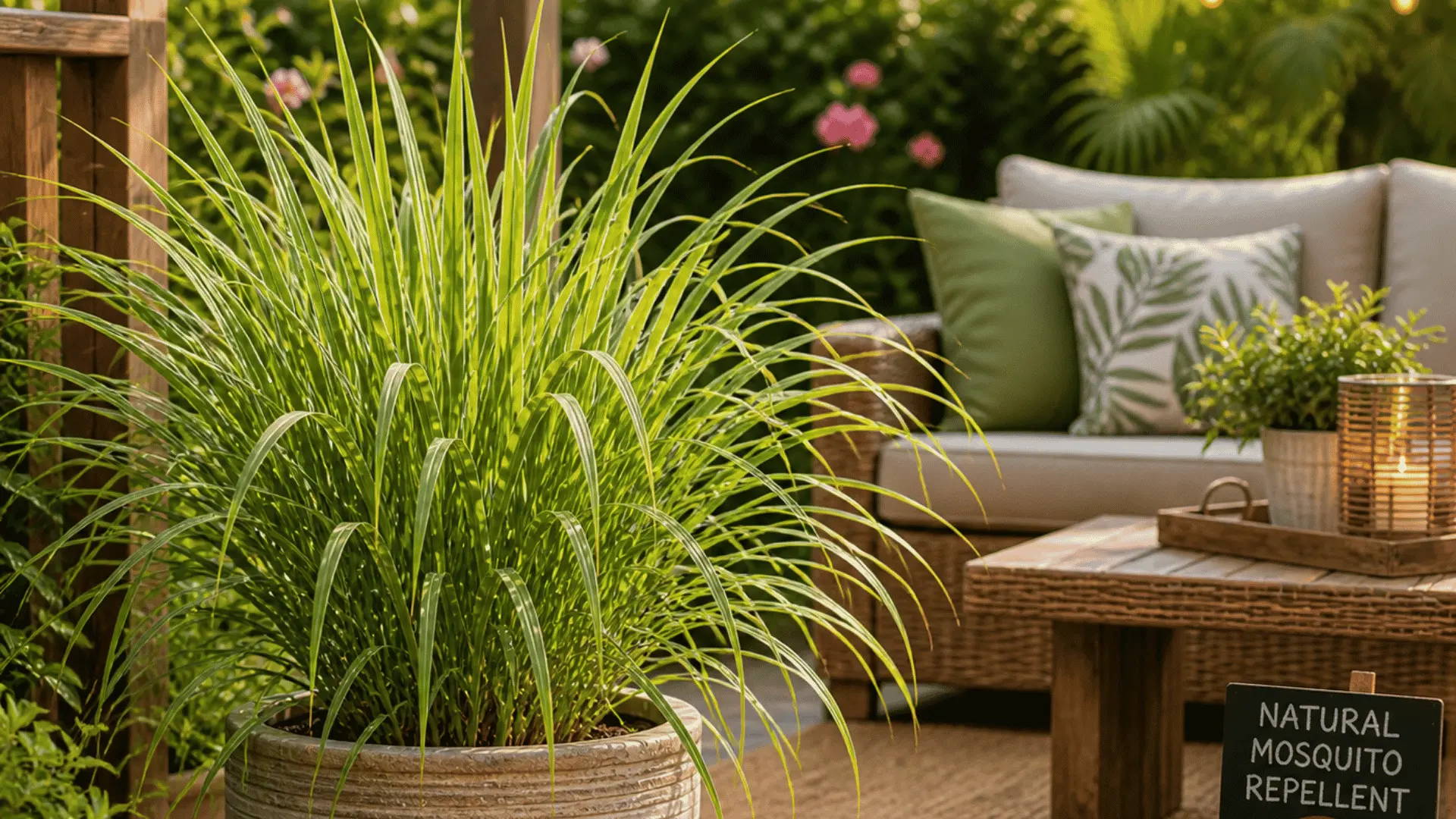
Best for: Mosquitoes
Citronella grass is one of the most widely used plants for reducing mosquito activity, as its natural oils help make it harder for mosquitoes to detect people nearby.
- Placement: Near patios, decks, or outdoor seating
- Season: Summer
- Soil: Well-draining, slightly moist soil
- Sunlight: Full sun
2. Lavender
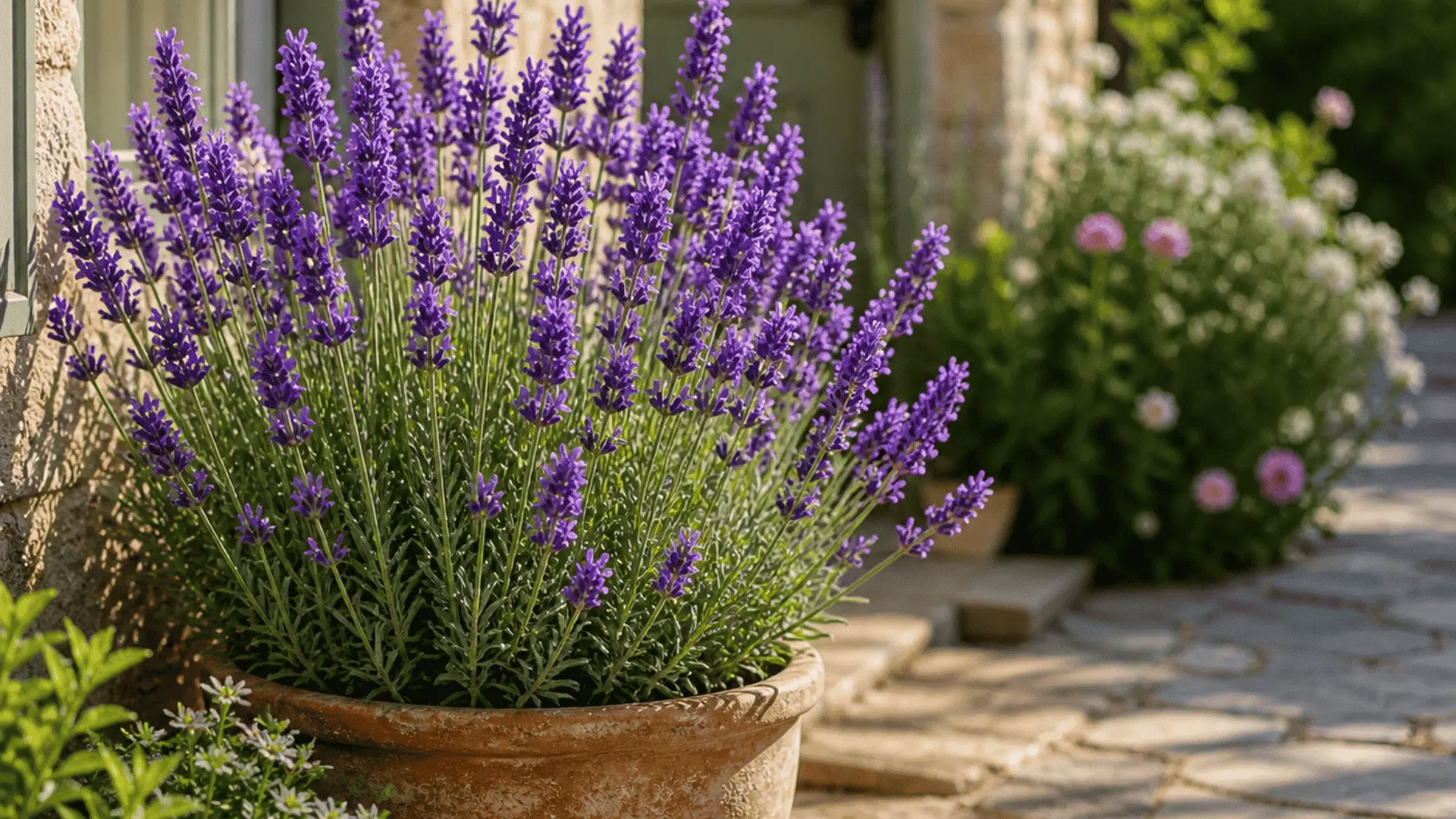
Best for: Mosquitoes, moths, flies
Lavender is known for its strong, calming scent, which many insects avoid while still making it a low-maintenance and useful plant for outdoor areas.
- Placement: Near windows, doorways, and walkways
- Season: Spring to summer
- Soil: Dry, well-draining soil
- Sunlight: Full sun
3. Marigolds
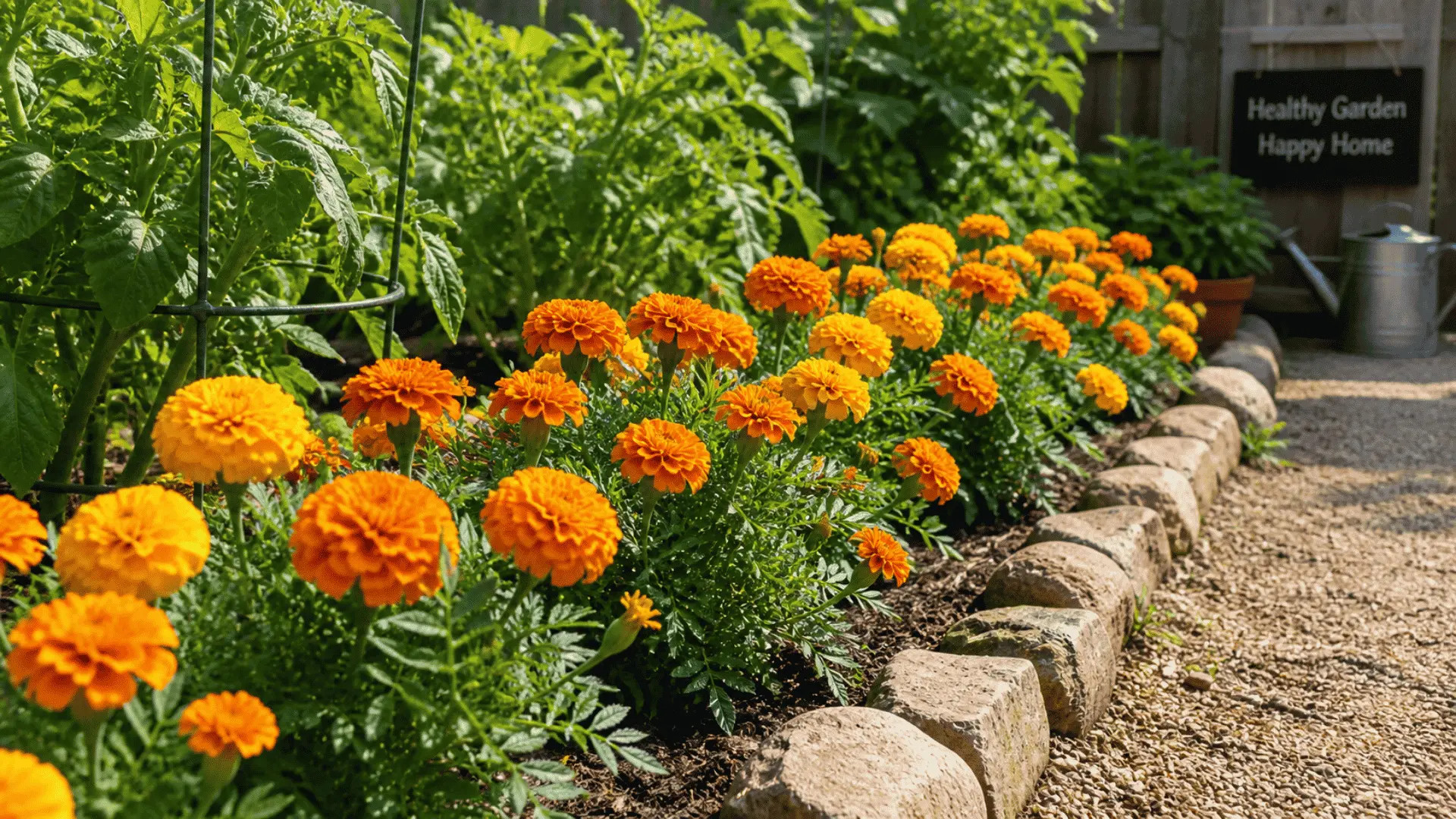
Best for: Aphids, beetles, some mosquitoes
Marigolds are commonly planted in gardens to help reduce pest activity, as they contain natural compounds that insects tend to avoid.
- Placement: Along borders and around garden beds
- Season: Summer
- Soil: Average, well-draining soil
- Sunlight: Full sun
4. Basil
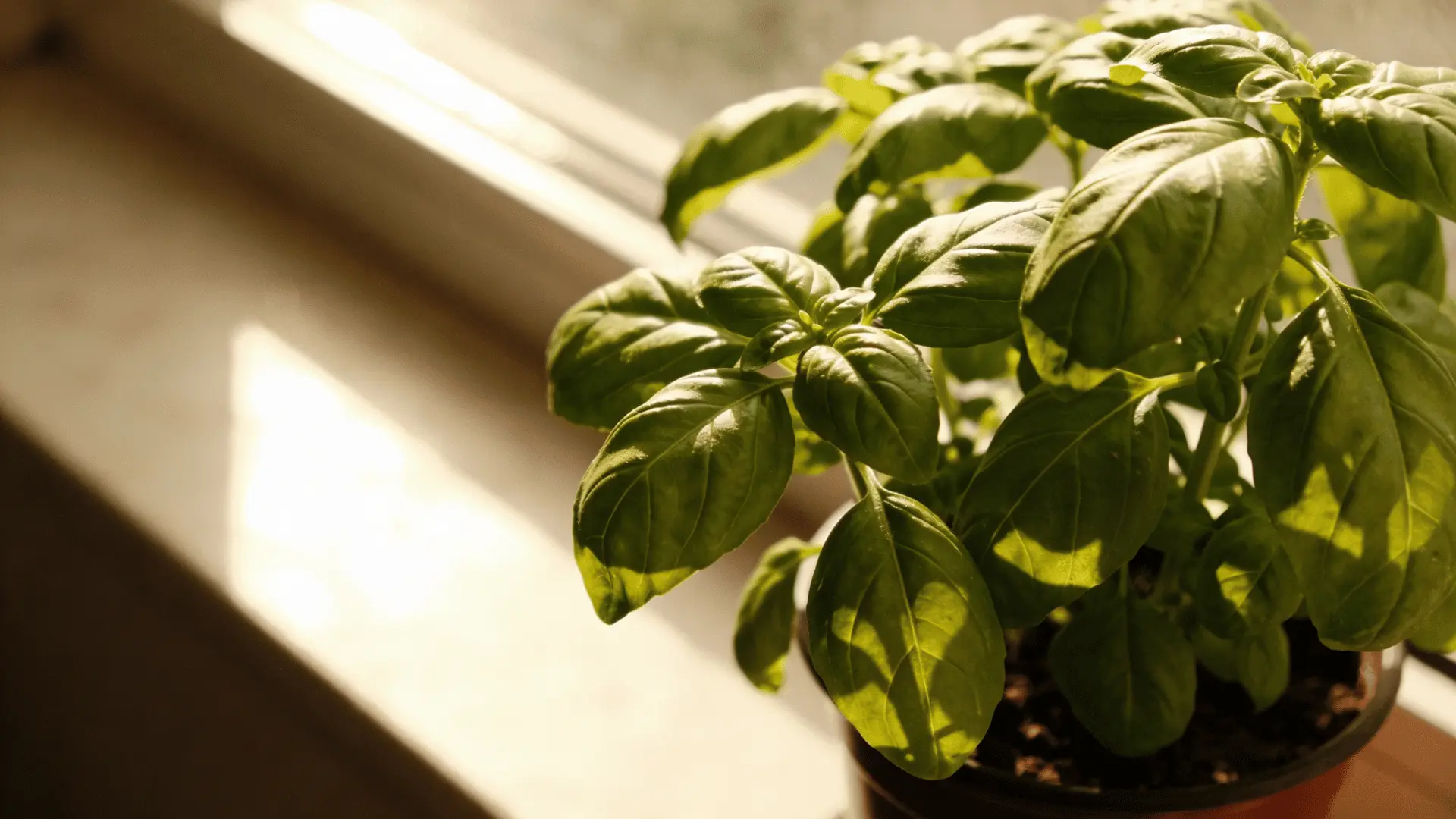
Best for: Flies and mosquitoes
Basil is a popular herb that helps discourage flying insects with its strong scent while also being easy to grow in both indoor and outdoor spaces.
- Placement: Pots near seating areas, kitchens, or windows
- Season: Late spring to summer
- Soil: Moist, well-draining soil
- Sunlight: Full sun to partial sun
5. Mint
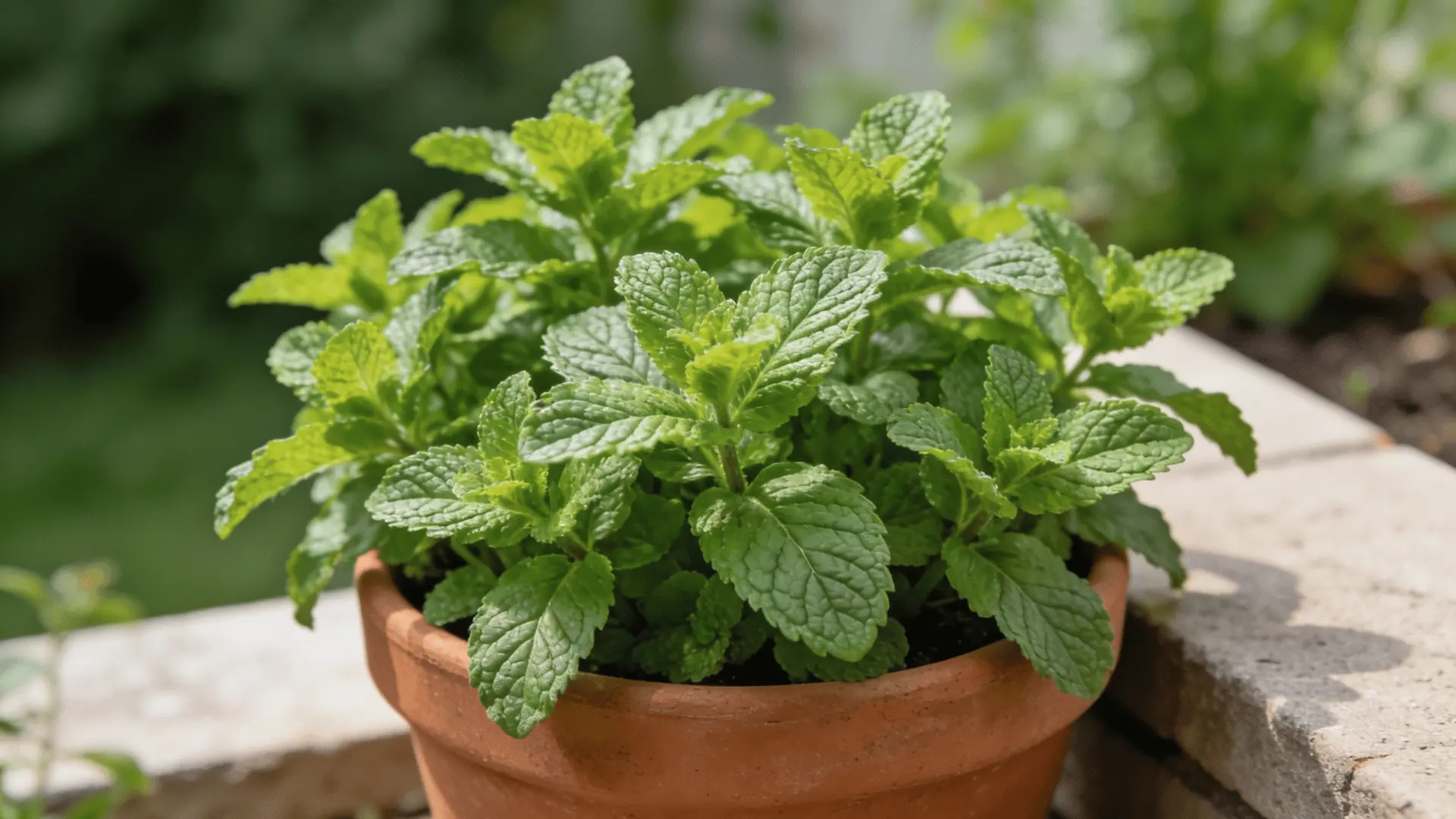
Best for: Mosquitoes and ants
Mint is a fast-growing plant with a sharp scent that insects tend to avoid, making it a common choice for areas near entry points and patios.
- Placement: Near entry points, patios, or windows
- Season: Spring to summer
- Soil: Moist, rich soil
- Sunlight: Partial sun to full sun
6. Rosemary
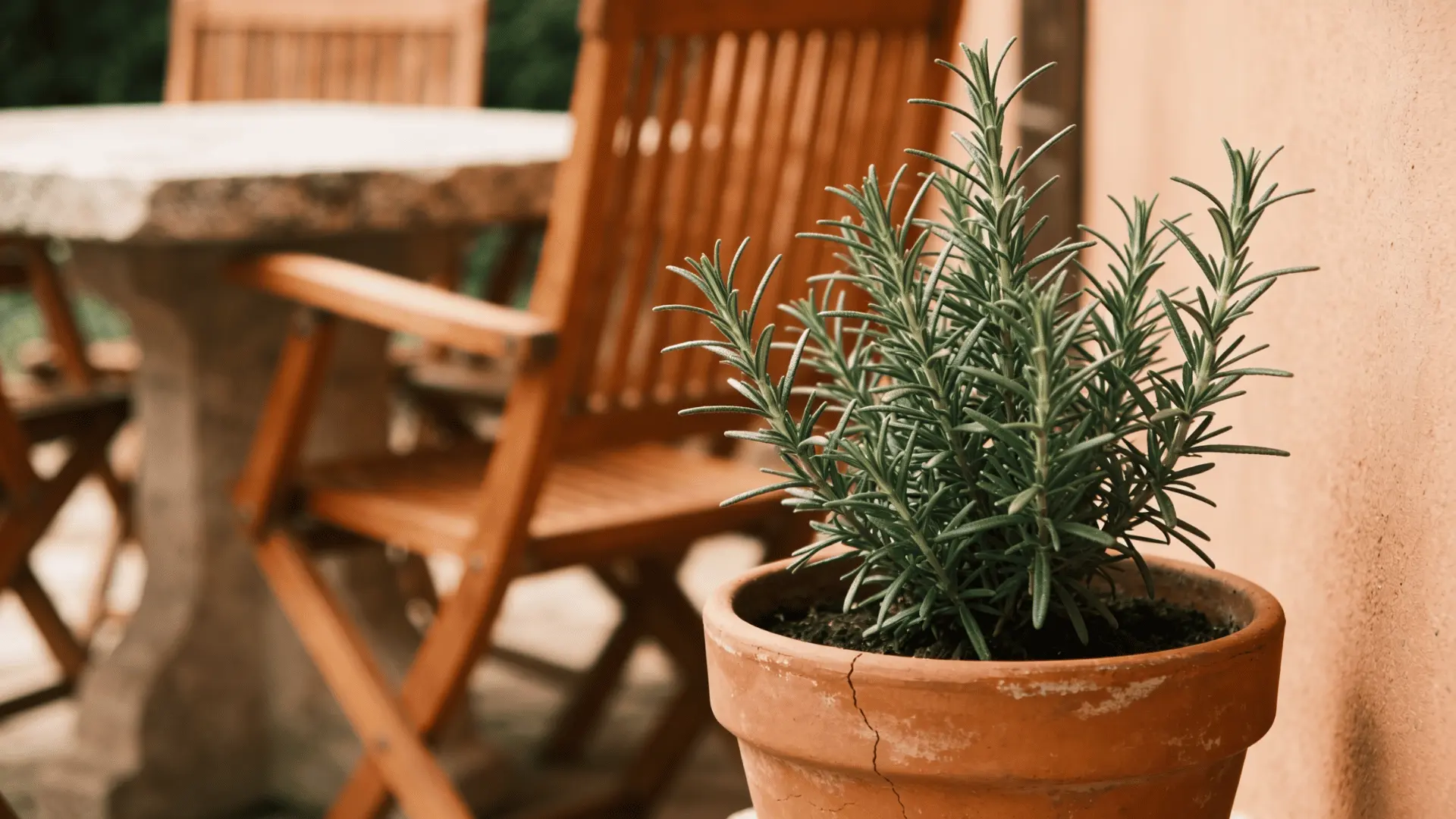
Best for: Mosquitoes and cabbage moths
Rosemary is a hardy herb with a woody scent that helps reduce certain insect activity while also fitting well into outdoor cooking and seating areas.
- Placement: Near grills, patios, or seating areas
- Season: Summer
- Soil: Dry, well-draining soil
- Sunlight: Full sun
7. Catnip
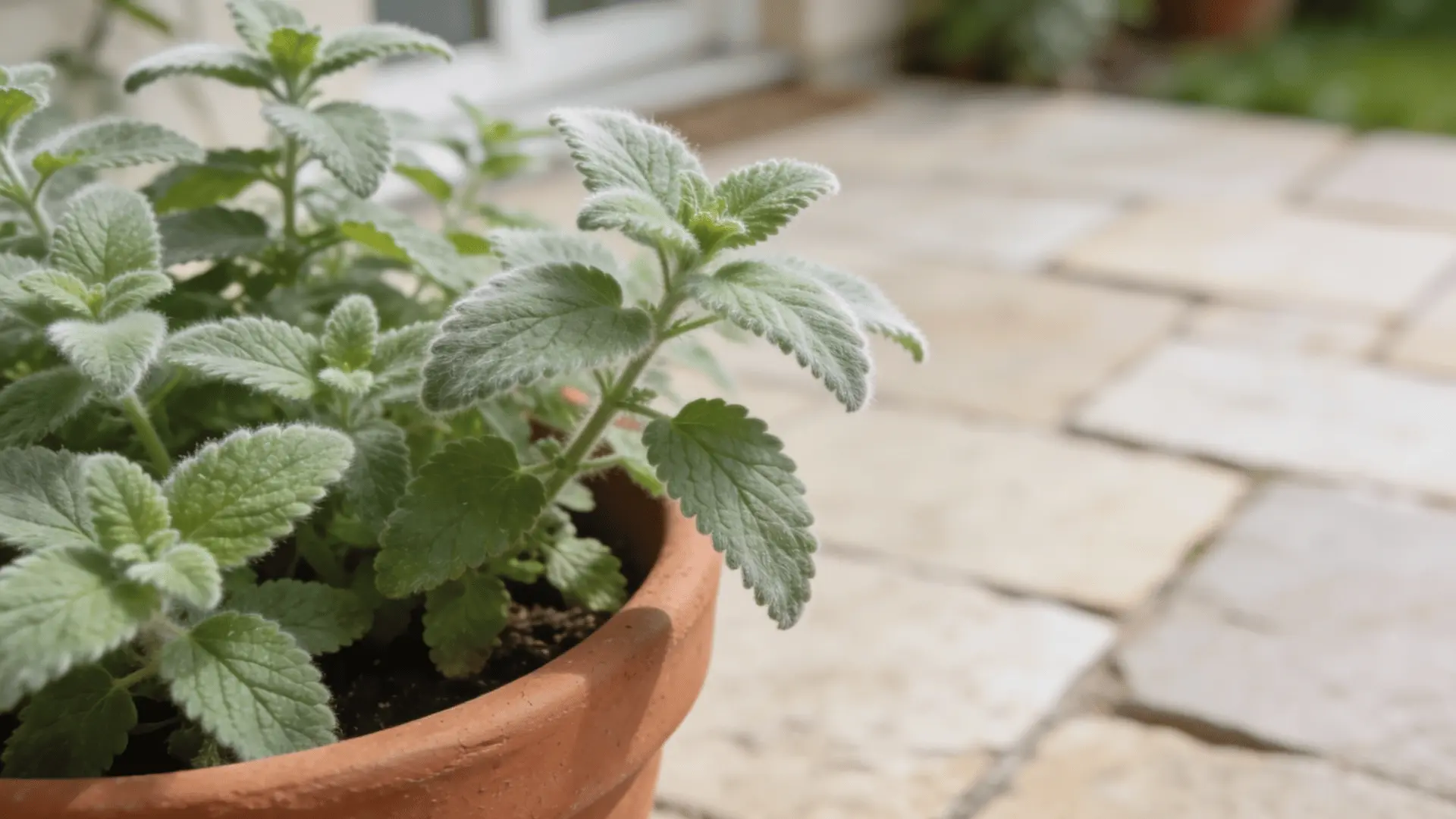
Best for: Mosquitoes
Catnip is known for its strong natural compound that mosquitoes tend to avoid, making it effective when grown close to seating or outdoor spaces.
- Placement: Garden beds or containers near patios
- Season: Late spring to summer
- Soil: Well-draining soil
- Sunlight: Full sun to partial sun
8. Chrysanthemums
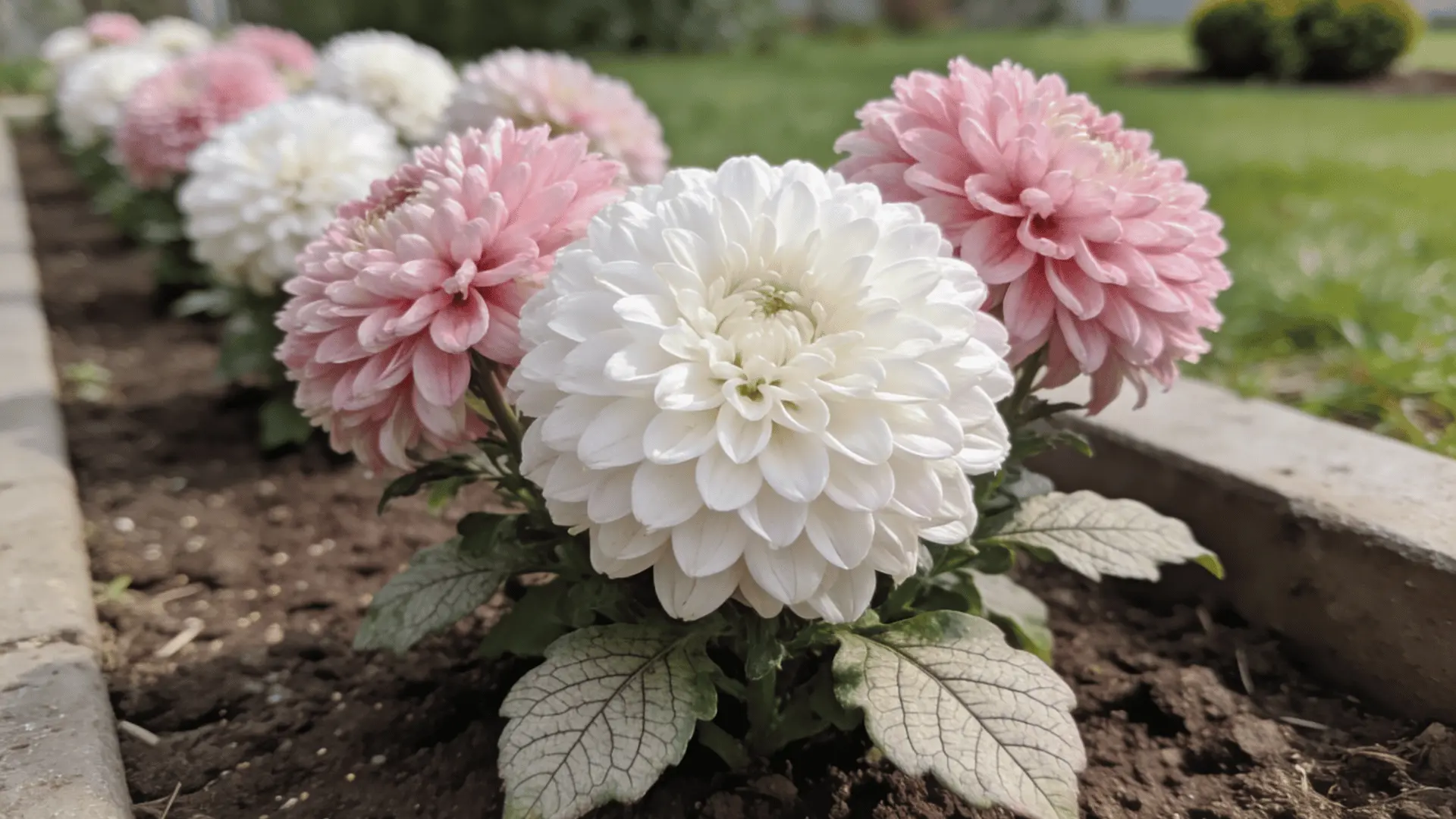
Best for: Ants, roaches, ticks, fleas
Chrysanthemums are often used for their pest-reducing properties, as they contain compounds commonly used in natural insect control products.
- Placement: Garden beds, borders, or outdoor areas
- Season: Late summer to fall
- Soil: Fertile, well-draining soil
- Sunlight: Full sun
9. Lemon Balm
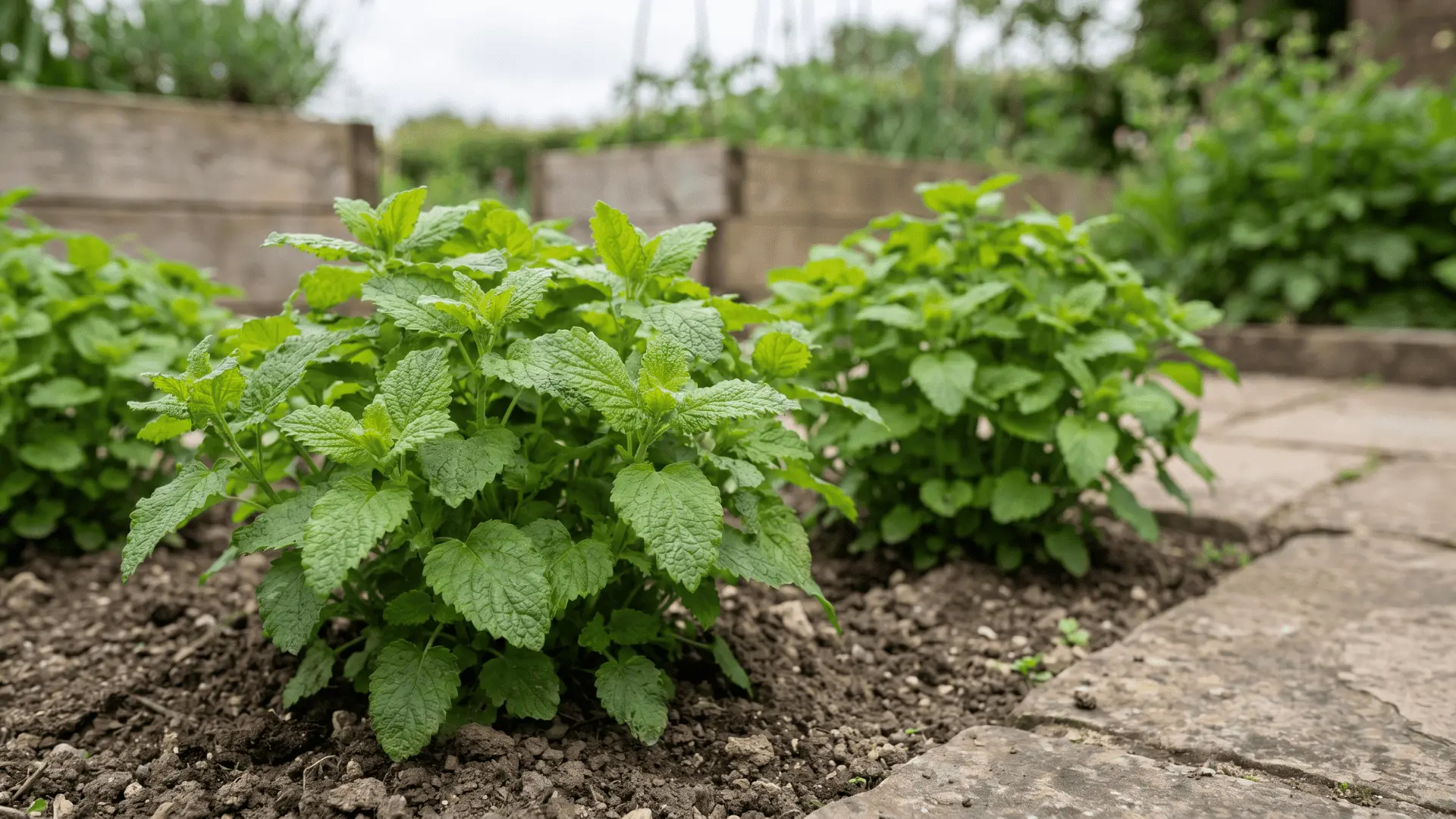
Best for: Mosquitoes
Lemon balm emits a strong citrus scent that repels mosquitoes and other insects while being easy to grow in gardens or containers.
- Placement: Near patios, decks, or garden beds
- Season: Spring to summer
- Soil: Well-draining, moderately fertile soil
- Sunlight: Full sun to partial sun
10. Sage
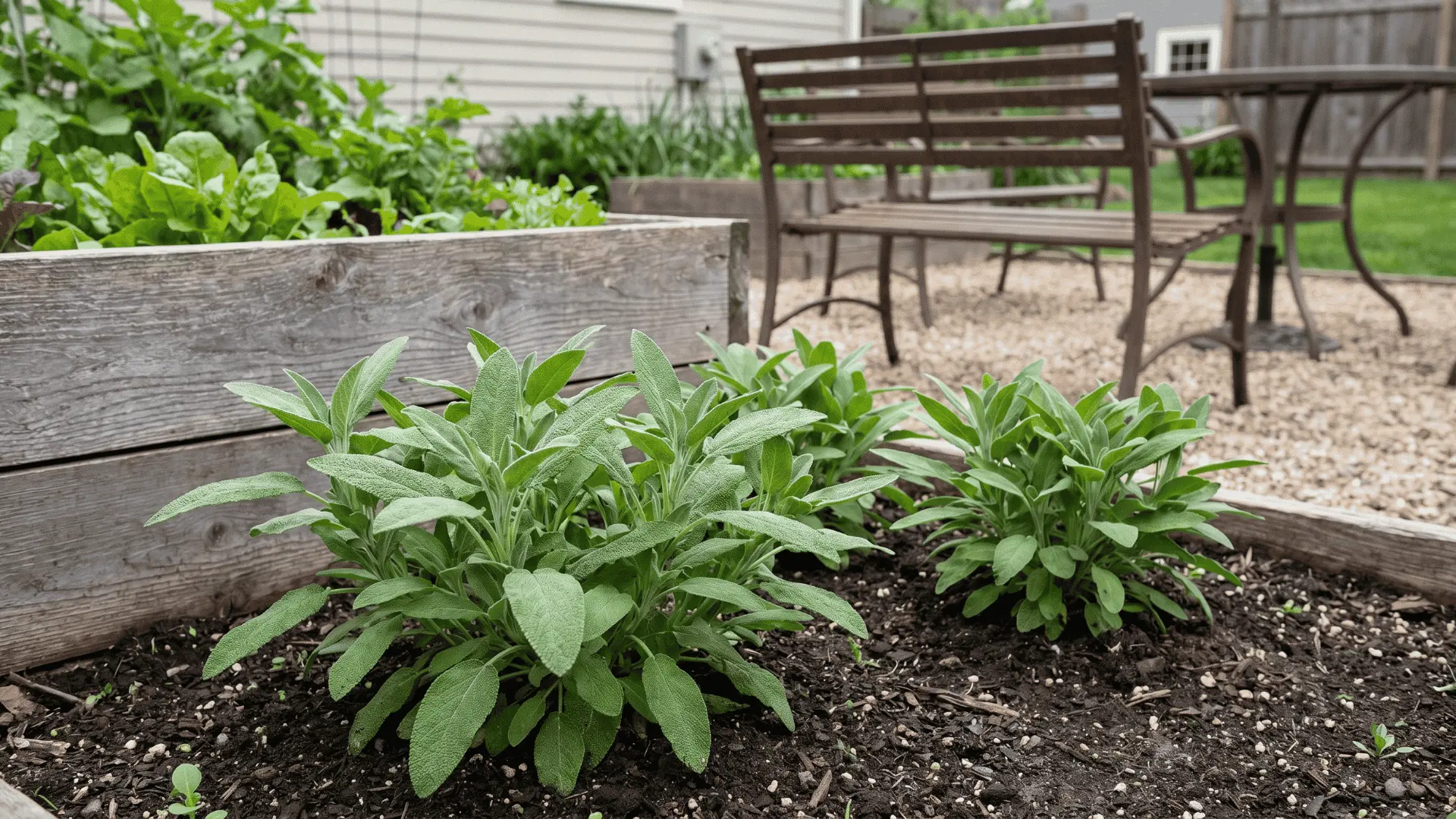
Best for: Mosquitoes and cabbage moths
Sage’s strong aroma keeps flying insects away while also being a useful herb for cooking.
- Placement: Near garden beds or outdoor seating
- Season: Summer
- Soil: Well-draining, moderately fertile soil
- Sunlight: Full sun
11. Thyme
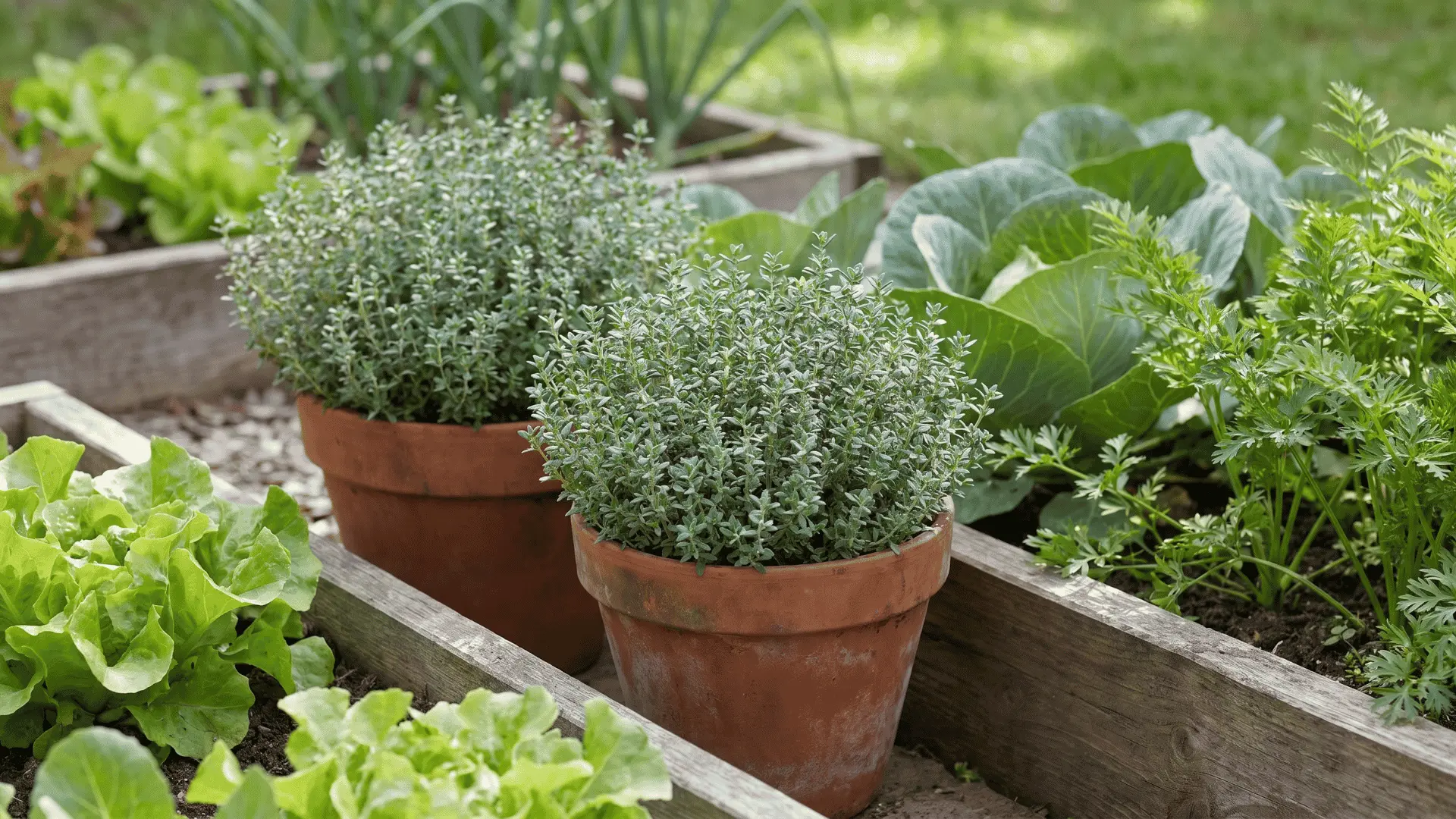
Best for: Whiteflies and cabbage worms
Thyme’s sharp scent deters pests and grows well in small spaces or containers.
- Placement: Garden borders, containers, or near vegetables
- Season: Spring to summer
- Soil: Well-draining soil
- Sunlight: Full sun
12. Garlic
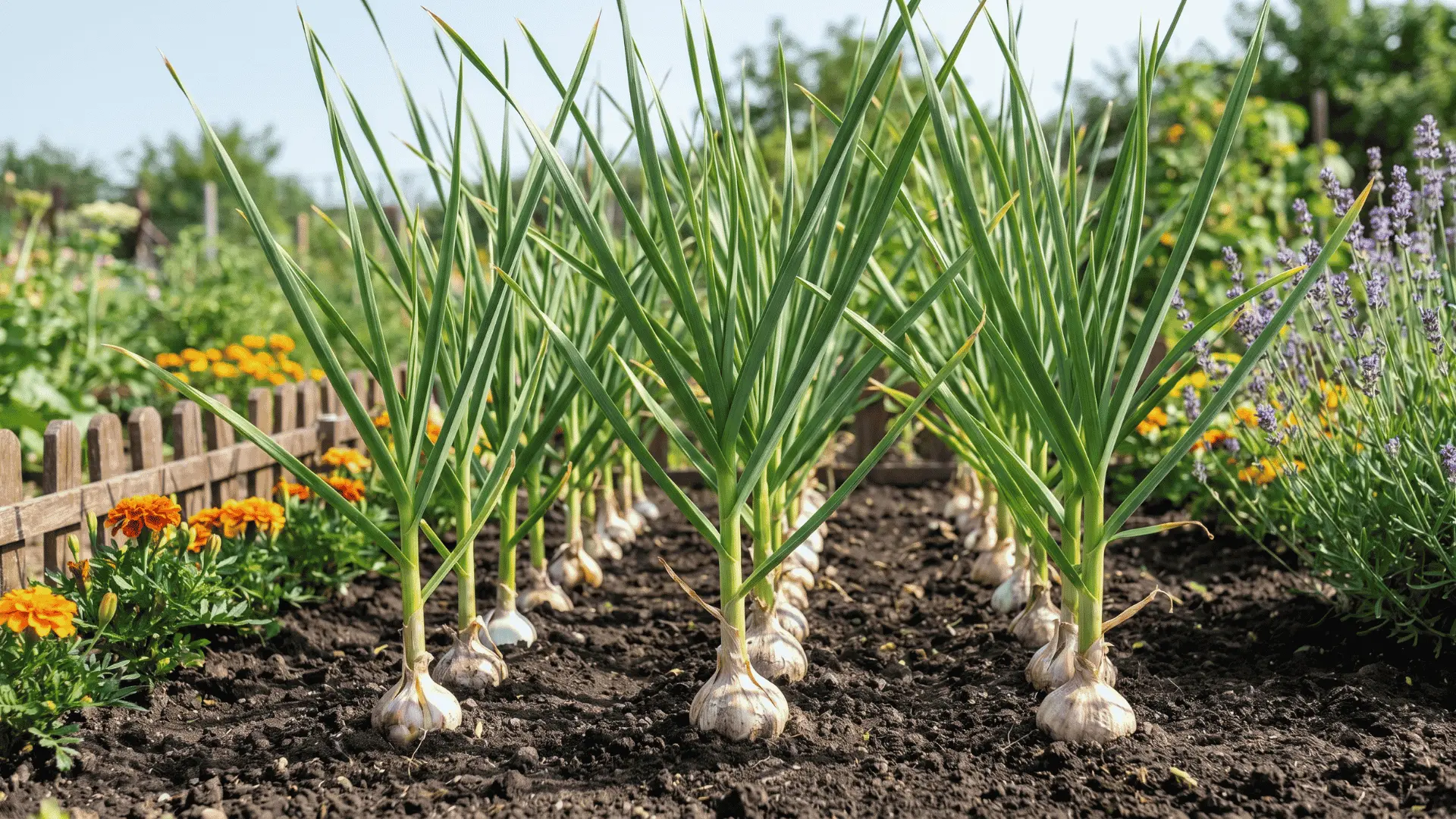
Best for: Aphids, Japanese beetles, and mosquitoes
Garlic produces sulfur compounds that repel many garden pests, making it an effective companion plant.
- Placement: Vegetable gardens, borders, or near flowers
- Season: Fall to spring
- Soil: Well-draining, fertile soil
- Sunlight: Full sun
13. Peppermint
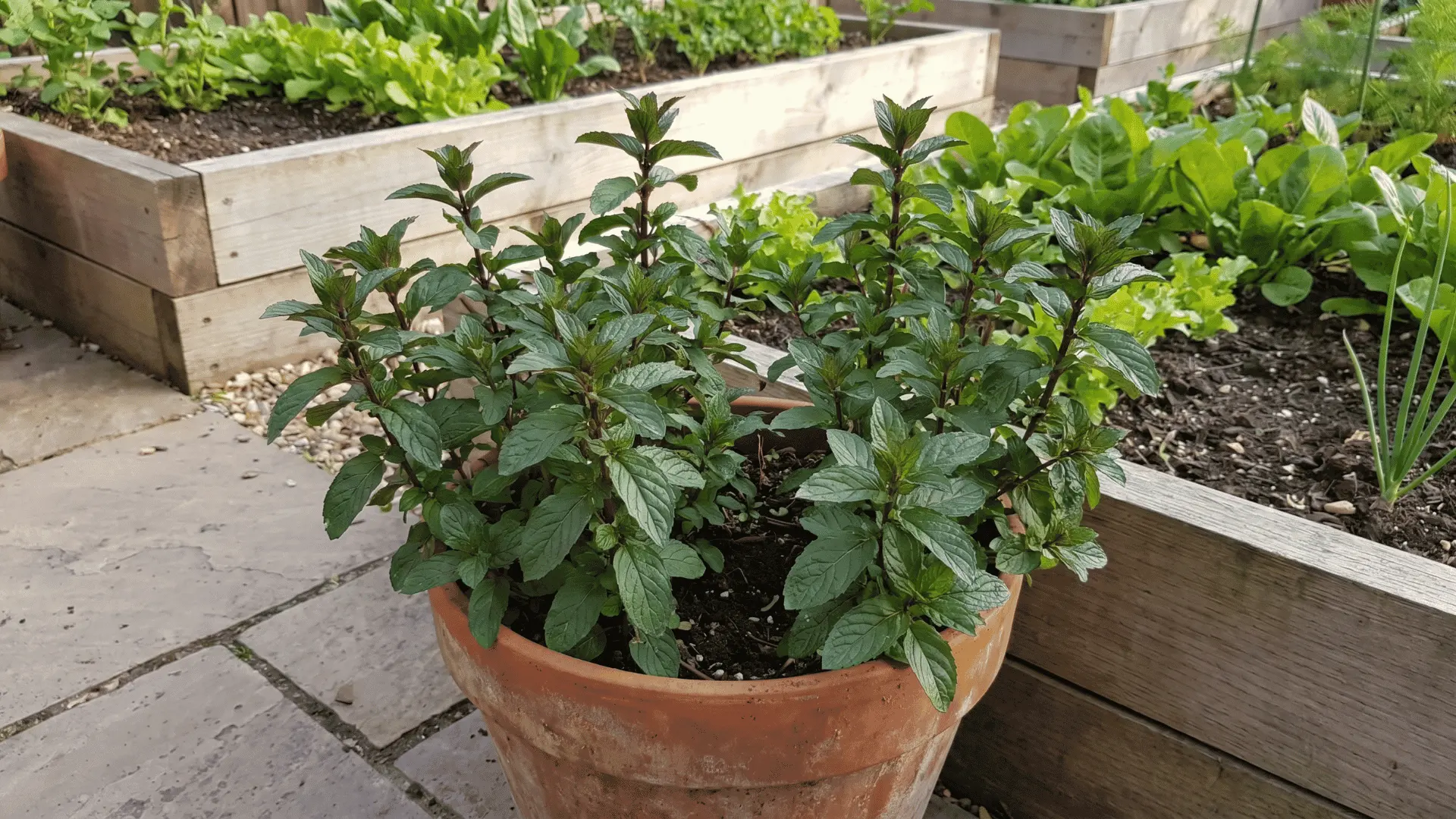
Best for: Ants, mosquitoes, and flies
Peppermint’s strong scent repels insects and grows well in containers to prevent spreading.
- Placement: Near entryways, patios, or garden beds
- Season: Spring to summer
- Soil: Moist, rich, well-draining soil
- Sunlight: Partial sun to full sun
14. Eucalyptus
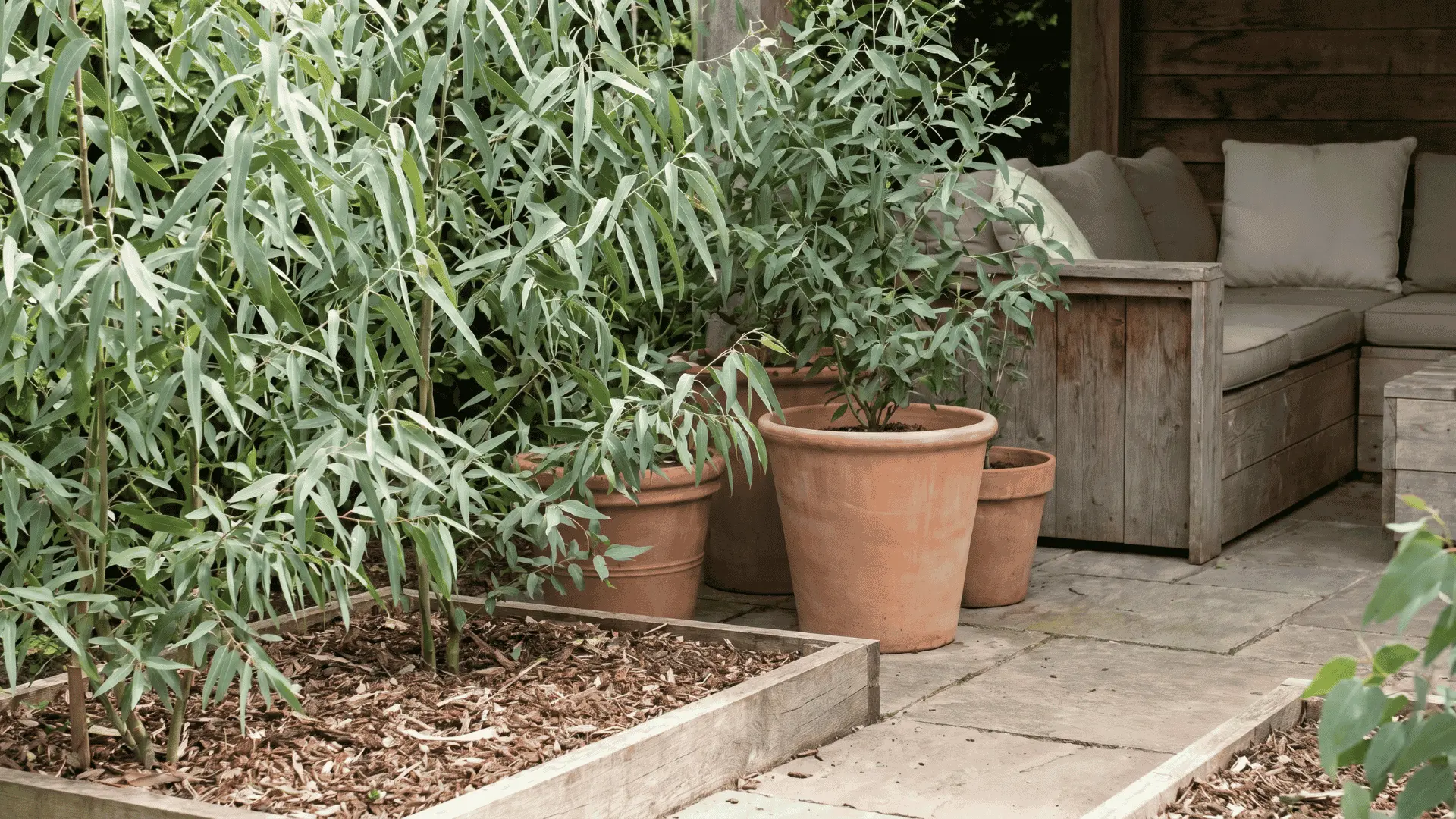
Best for: Mosquitoes
Eucalyptus emits a strong aroma that keeps mosquitoes away and can be grown in large pots or garden beds.
- Placement: Outdoor seating areas or garden corners
- Season: Spring to summer
- Soil: Well-draining soil
- Sunlight: Full sun
15. Tansy
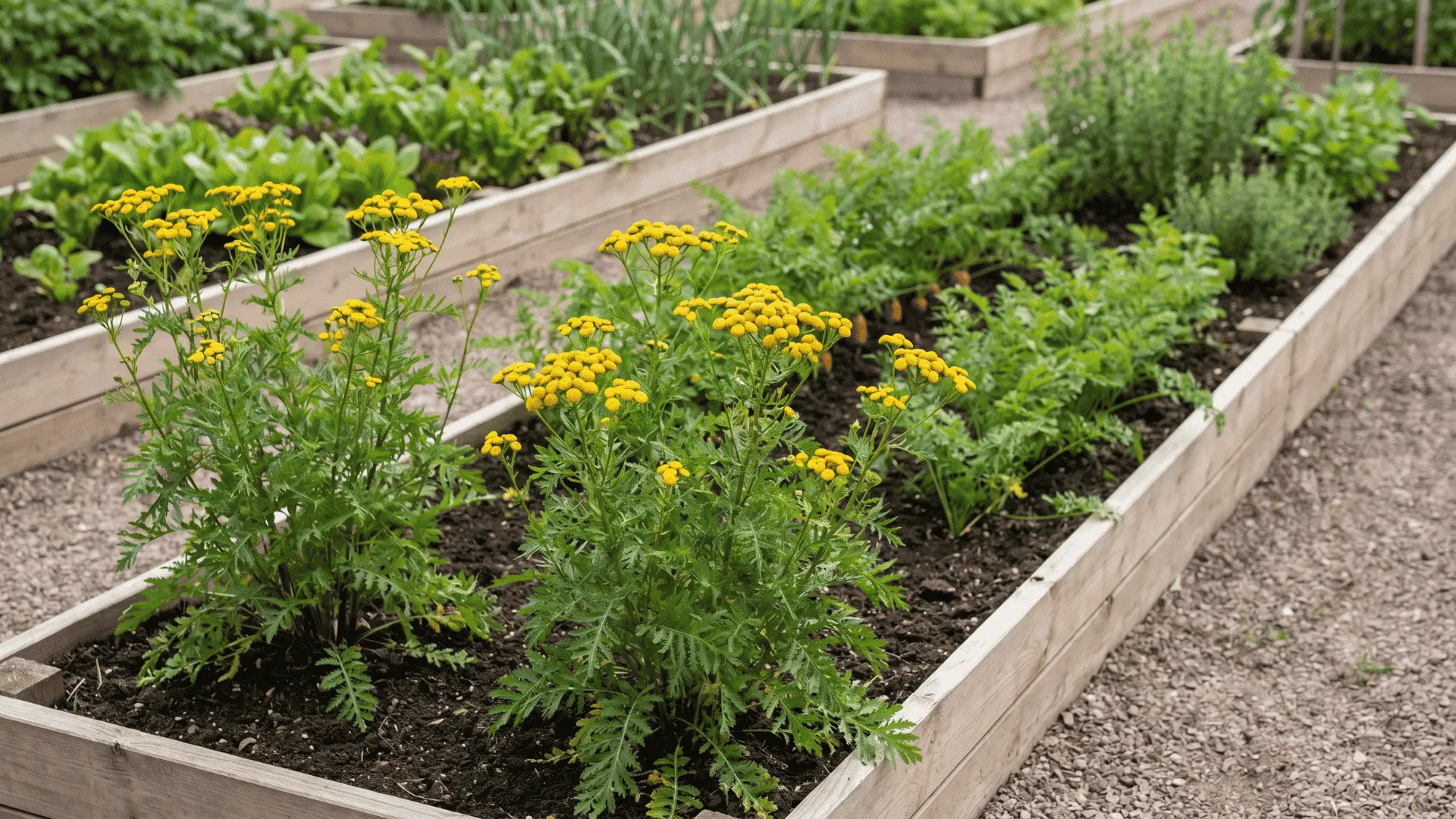
Best for: Ants, beetles, and flying insects
Tansy contains natural compounds that repel insects and can be used as a decorative, pest-reducing plant.
- Placement: Garden beds, borders, or near vegetable gardens
- Season: Summer to early fall
- Soil: Well-draining soil
- Sunlight: Full sun
Plants vs. Other Bug Control Methods
Different bug control methods vary in coverage and effectiveness. Plants provide mild, localized protection, while other methods offer stronger or broader control. Using a combination gives the most reliable results.
| Method | Coverage Area | Strength Level | Key Details |
|---|---|---|---|
| Plants | Small, nearby area | Low to moderate | Provides consistent, mild bug reduction through scent; best near seating. |
| Chemical Repellents | Direct (on body) | High | Fast, strong protection by creating a barrier on skin or in the air. |
| Citronella Candles | Small zone | Moderate to high | Produces a concentrated scent for short periods; stronger than plants. |
| Environmental Control | Whole area | High | Reduces bugs at the source via standing water removal, airflow, and cleaning. |
Best Approach:
- Plants for light support near seating areas
- Environmental control to address the source of the problem
- Repellents or candles for stronger protection when needed
This combination ensures more consistent and effective results than relying on a single method alone.
Conclusion
Plants that keep bugs away can be a helpful addition to your outdoor or indoor setup, but their real value comes from how you use them.
When placed correctly and kept healthy, they support a cleaner and more comfortable space without relying only on chemicals.
The key is to treat them as part of a bigger plan, not the only solution. Small changes like better placement and combining methods can make a noticeable difference over time.
If you want a simple and natural way to manage bugs, start by adding a few of these plants near your daily living areas and adjust based on what works best for your space.
Frequently Asked Questions
Can bug-repelling plants affect all types of insects?
No, each plant targets specific pests. For example, citronella mainly repels mosquitoes, while chrysanthemums affect ants, ticks, and roaches. They cannot cover every insect in an area.
How long do these plants stay effective?
Effectiveness depends on scent concentration and plant health. Strong oils fade quickly in open or windy spaces, so plants need regular care and strategic placement.
Can indoor placement work as well as outdoor?
Plants indoors can help in small, enclosed areas, but their scent spreads less widely. Close placement near windows or seating improves results.
Are there any safety considerations?
Some plants, like catnip and chrysanthemums, may be toxic to pets if ingested. Always check plant safety before placing them in accessible areas.


