How to Get Rust Out of Carpet?
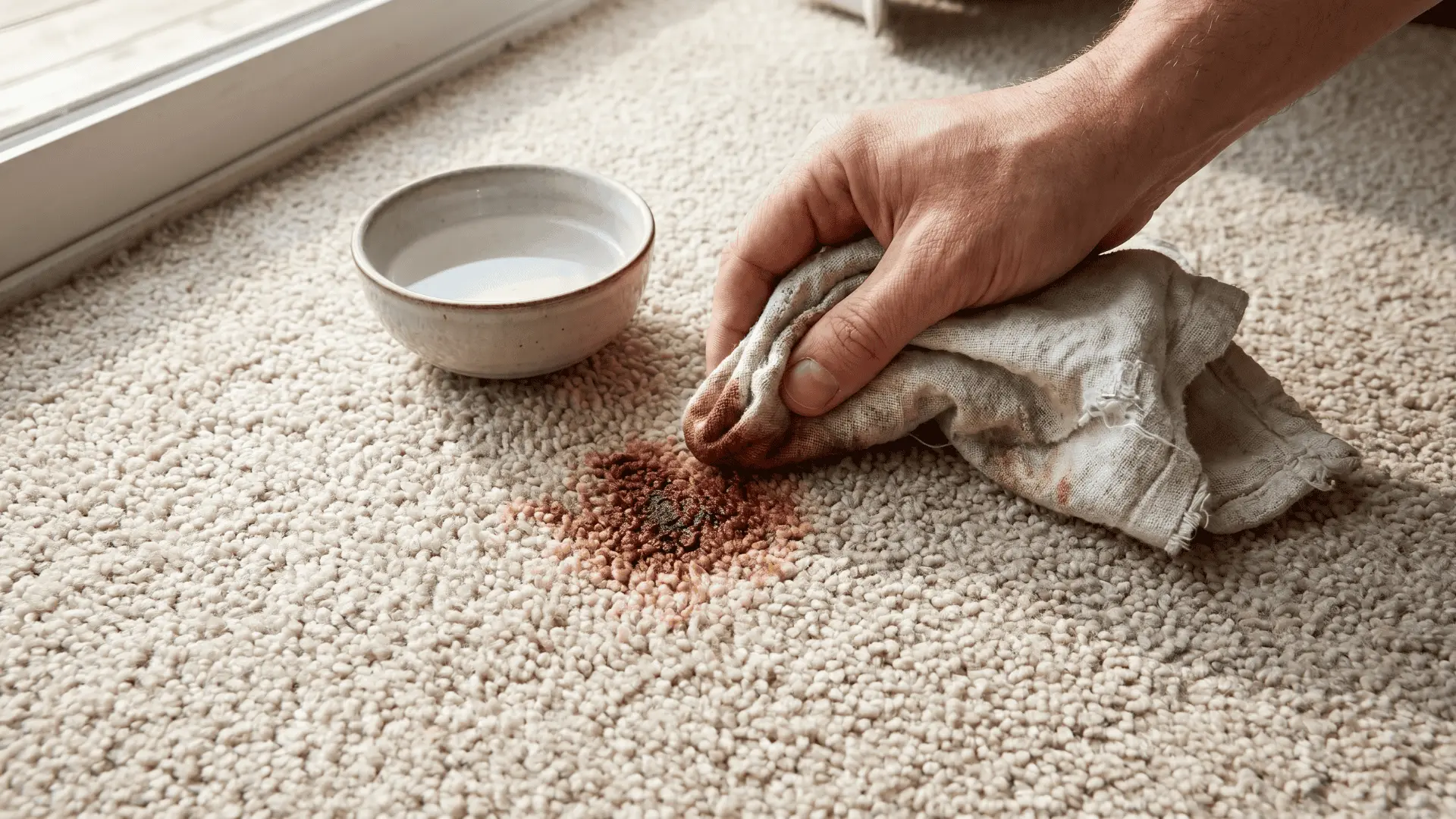
That small rust stain on your carpet can outlast even your strongest cleaning efforts.
Many people scrub harder or try different products, only to see the mark remain or reappear later.
Rust does not act like a normal spill, which is why common methods often fail.
How to get rust out of carpet depends on using the right reaction, not more force. From why rust settles deep into fibers to which solutions actually break it down, the right approach makes all the difference.
Simple steps, the right timing, and a few key choices can change the result. Start with what causes the stain to stick so firmly.
Why Rust Stains Stick to Carpet?
Rust is not a typical stain, which is why it resists regular cleaning.
A few key factors explain why it holds on so stubbornly. Below are the main reasons:
- Iron Oxide Bonding: Rust particles chemically attach to fibers instead of resting on the surface.
- Fiber Penetration: The reddish residue settles deep into the carpet’s structure during contact.
- Moisture Activation: Damp conditions accelerate the reaction and lock rust in place.
- Heat Influence: Warm environments strengthen the bond between rust and carpet material.
Step-by-Step Process: How to Get Rust Out of Carpet
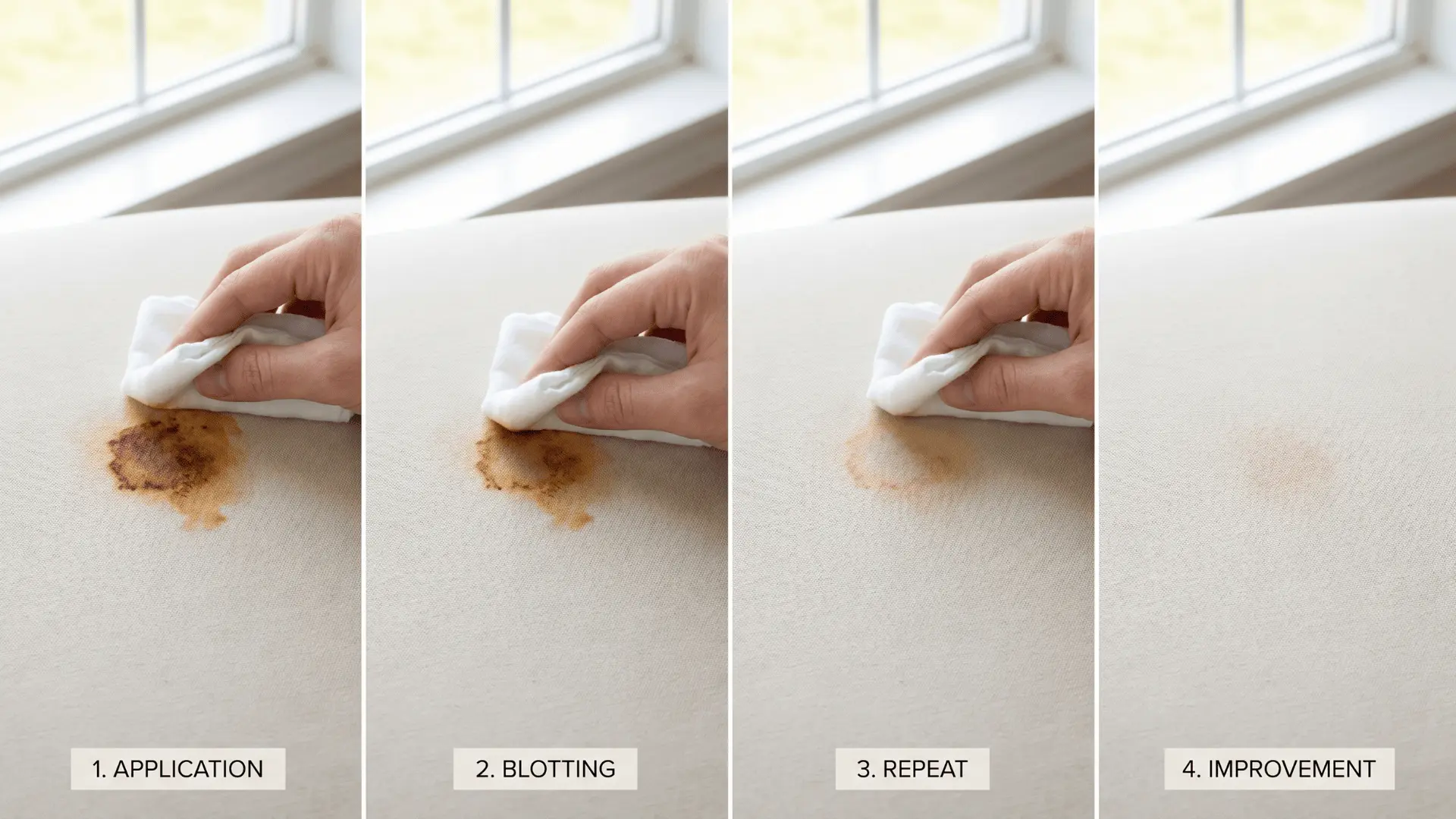
Rust stains need a specific method. If you follow the right steps, you can remove most stains without damaging the surface.
Step 1: Identify the Stain Severity
Start by checking how bad the stain is. A fresh stain usually looks light and has not settled into the fibers yet.
A moderate stain appears darker and has started to set. An old stain is deeply colored and fully embedded in the carpet.
Step 2: Remove Loose Debris Without Rubbing
If there are any dry particles on the surface, remove them gently before applying any liquid. You can use a spoon, the edge of a blunt knife, or a vacuum.
Do not rub the area at any point. Rubbing pushes rust deeper into the carpet fibers and spreads the stain, making it harder to remove later.
Step 3: Apply an Acidic Solution
Rust cannot be removed with regular cleaners, so you need something acidic. Use white vinegar or lemon juice and apply it directly to the stained area.
Make sure the area is damp but not soaked. These acids react with the rust and begin to break it down, which is the key step in loosening the stain from the carpet fibers.
Step 4: Wait 5–15 Minutes
Let the solution sit on the stain so it can work. Fresh stains usually need less time, while older stains may need the full 10 to 15 minutes.
If you try to clean it too soon, the stain will not lift properly.
Step 5: Blot Gently to Lift the Stain
Take a clean cloth or paper towel and gently press it onto the area. Lift the cloth instead of scrubbing. This motion helps pull the loosened rust out of the fibers and onto the cloth.
You may notice the stain transferring, which means the process is working. Scrubbing at this stage can undo the progress by pushing the stain back in.
Step 6: Repeat Based on Stain Response
Check the stain after the first attempt. If it has faded but is still visible, repeat the same process. Apply the solution again, wait, and blot.
Deeper or older stains often require multiple cycles to be fully removed. Patience is important here, as rushing can lead to poor results.
Step 7: Rinse and Dry Thoroughly
Once the stain is gone or reduced as much as possible, rinse the area lightly with clean water. This removes any leftover acid from the carpet.
Blot the area with a dry towel to remove excess moisture and let it air dry completely. Proper drying prevents residue marks and keeps the carpet from attracting dirt later.
Choosing the Right Method Based on Stain Severity
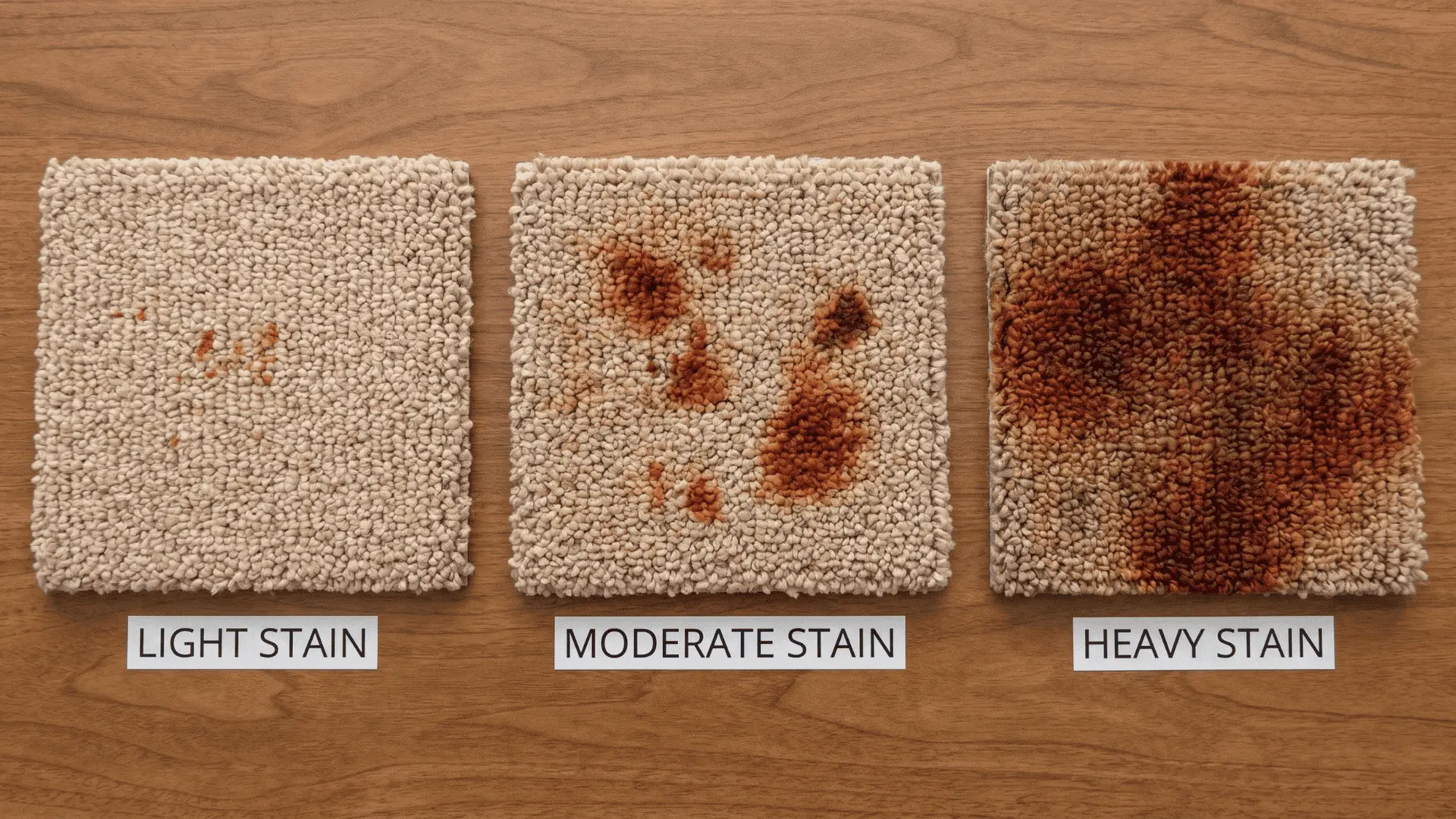
Not all rust stains need the same treatment, and using the wrong method can waste effort or damage the carpet. Match your approach to how deep the stain has set for the best results.
Below is a quick breakdown:
| Stain Severity | How It Looks | Best Method | Why It Works |
|---|---|---|---|
| Fresh or Light | Pale color, sits near the surface | White vinegar or lemon juice | Mild acid quickly reacts with surface-level rust |
| Moderate | Darker shade, partially set into fibers | Lemon juice and salt paste | Acid breaks rust while salt lifts loosened particles |
| Heavy or Old | Deep color, fully embedded in fibers | Commercial rust remover | Stronger acids dissolve tightly bonded rust deep inside |
Common Rust Removal Methods
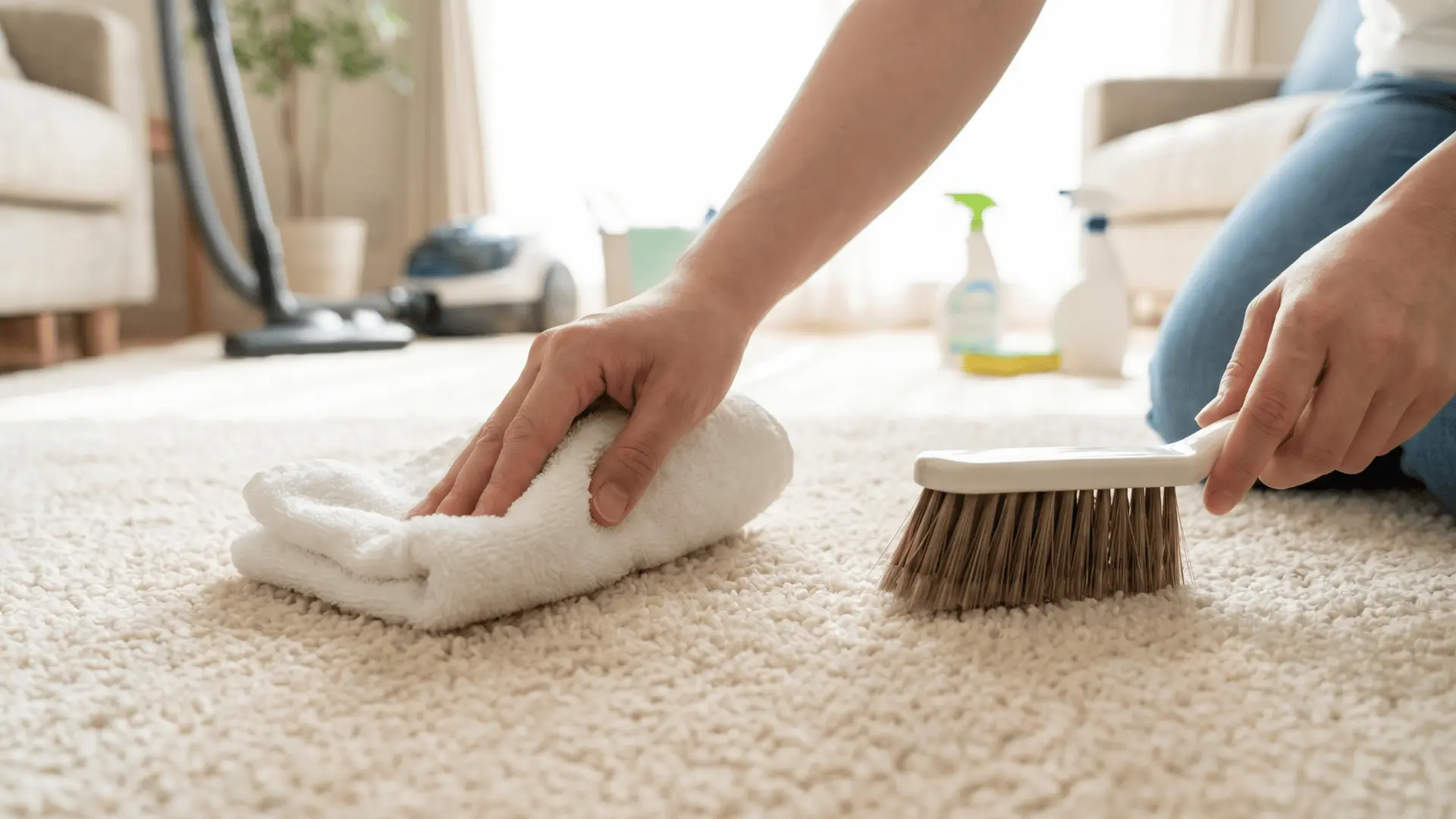
Different methods work in different ways. Understanding how each one works helps you choose the right option and avoid wasting effort.
1. Vinegar Method
Vinegar contains acetic acid, which reacts with rust and helps dissolve it. This makes it effective for fresh or light stains where the rust has not gone deep into the fibers.
For deeper stains, one application is usually not enough, so the process needs to be repeated to see results.
2. Lemon Juice Method
Lemon juice contains citric acid, which breaks the bond between rust and carpet fibers. It can work faster than vinegar in some cases because it is slightly stronger. However, using too much or leaving it on for too long can affect the carpet color, especially on lighter fabrics.
3. Lemon + Salt Paste
The lemon juice breaks down the rust, while the salt helps pull the loosened particles out of the fibers. It improves the lifting process, especially for moderate stains. After cleaning, the area must be rinsed well to remove salt residue.
4. Baking Soda + Vinegar
This combination creates a fizzing reaction but does little to break down rust. It may help loosen dirt or reduce odor, but it is not strong enough for rust removal. This method is ineffective and is often overestimated.
5. Commercial Rust Removers
These products contain stronger acids that can quickly break down deep or old rust stains. They are useful when home methods fail.
However, because of their strength, they can damage carpet fibers or cause discoloration if not used carefully. Always test on a small hidden area first.
6. WD-40 or Rubbing Alcohol
These do not dissolve rust chemically. Instead, they help loosen or shift the particles so they can be lifted from the surface. They are less effective at full removal and often require a follow-up cleaning to fully remove the stain.
When DIY Methods Stop Working
DIY methods work for many stains, but not all. If there is no fading after a few attempts or the stain returns after drying, it means the rust has settled deep into the fibers.
In such cases, switch to a commercial rust remover, and if the stain persists, professional cleaning may be needed for complete removal.
Common Mistakes That Make Rust Stains Worse
Small mistakes can make rust stains harder to remove or even permanent. Avoiding these errors improves your chances of proper cleaning.
- Rubbing or scrubbing the stain: This spreads rust and pushes it deeper into the fibers instead of lifting it
- Using too much liquid: Over-wetting allows rust to sink deeper into the carpet base
- Not rinsing properly: Leftover residue can cause discoloration and attract dirt
- Using random cleaners: Many cleaners do not break down rust, and reduce effectiveness
- Mixing multiple chemicals: This can weaken results or create reactions that set the stain further
- Skipping a patch test: Strong solutions can damage or discolor the carpet if not tested first
These mistakes affect how the stain behaves. Mechanical force spreads the particles, while incorrect chemical use can strengthen the bond between rust and the carpet, making removal harder.
Quick Checklist for Fast Rust Removal
Use this checklist when you want a quick and clear approach. Follow each point in order for better results.
- Use an acid-based solution like vinegar or lemon juice
- Blot the stain, do not rub it
- Allow enough time for the solution to react
- Repeat the process if the stain is still visible
- Rinse the area to remove any leftover solution
- Dry the carpet properly after cleaning
- Move to a stronger method if the stain does not improve
Conclusion
Rust stains behave differently from everyday spills because they form a chemical bond with carpet fibers, which makes simple cleaning methods less effective.
Using the right method based on how deep the stain is can improve results and reduce the risk of damage.
Acting early gives better outcomes, but even older stains can still be reduced with the right approach and enough patience.
One important insight is that timing and controlled moisture matter just as much as the cleaning solution used.
Another is that using too much product or repeating steps too quickly can weaken the carpet fibers.
Start with the correct method and take action as soon as you notice the stain to improve your chances of complete removal.
Frequently Asked Questions
Can Rust Stains Be Permanent?
Yes, old stains can become permanent as rust embeds deep into fibers, and strong cleaners may only lighten them, not fully remove them.
Will Rust Stains Come Back After Cleaning?
Yes, rust can return if it is not fully removed from deep fibers, as leftover particles can rise back to the surface after drying.
How Many Times Should You Repeat the Cleaning Process?
You can repeat the process 2–3 times, depending on stain depth, and if there is no improvement after that, a stronger method is needed.