Tub Spout Height Guide: Standard & Setup Tips
Getting the setup right in a bathroom often comes down to small measurements that are easy to overlook. One of those is tub spout height, which directly affects how water flows and how comfortable the tub feels during daily use.
Many people place it based on guesswork, only to notice issues later like splashing or limited space. The right approach is to understand the standard range and then adjust it based on your specific setup.
In this guide, you’ll see how to determine the correct height, what factors influence it, and how to avoid common mistakes.
Standard Tub Spout Height for Most Bathtubs
The standard tub spout height refers to the typical range used in most bathroom setups. It gives you a reliable starting point that works well for comfort, water flow, and everyday use.
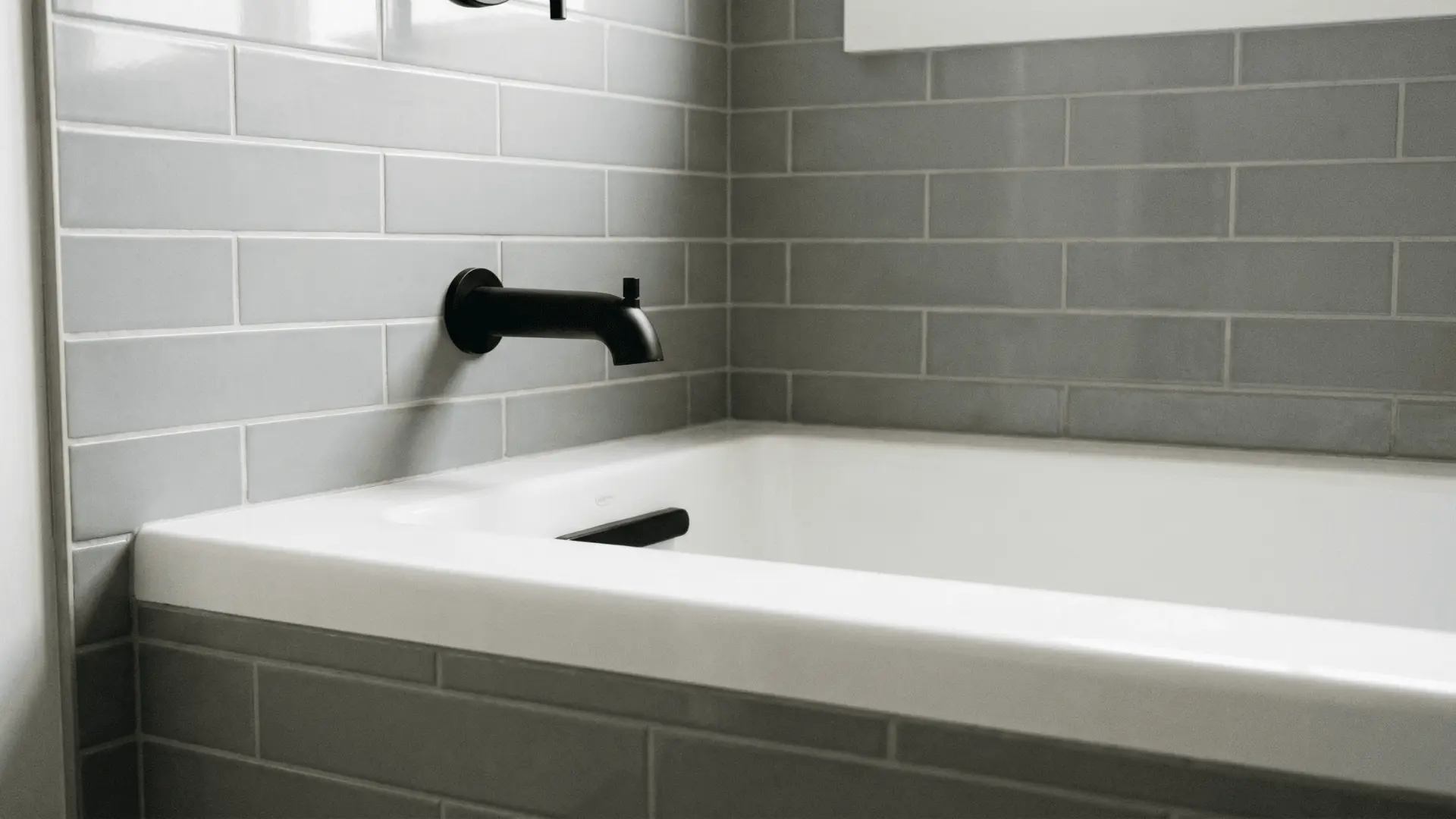
The standard tub spout height used in most setups is 4 to 6 inches above the tub rim, while it can go up to 8 inches.
This height reduces splashing, keeps water flow controlled, and allows enough space for everyday tasks like filling a bucket.
If the spout is too high, water can splash outside the tub. If it’s too low, it can feel cramped and limit clearance.
Height should always be measured from the finished floor to the center of the spout pipe (stub-out). Measuring to the center ensures proper alignment and fit. If tile or wall panels are not installed yet, their thickness must be included to avoid errors.
This range is the default starting point because it balances function and practicality. A higher spout can cause splashing, while a lower one can reduce usability and clearance.
How Tub Type Changes the Right Spout Height
The right spout height isn’t one-size-fits-all. It depends on the type of tub and how the setup is used.
1. Alcove Tub Spout Height Guidelines
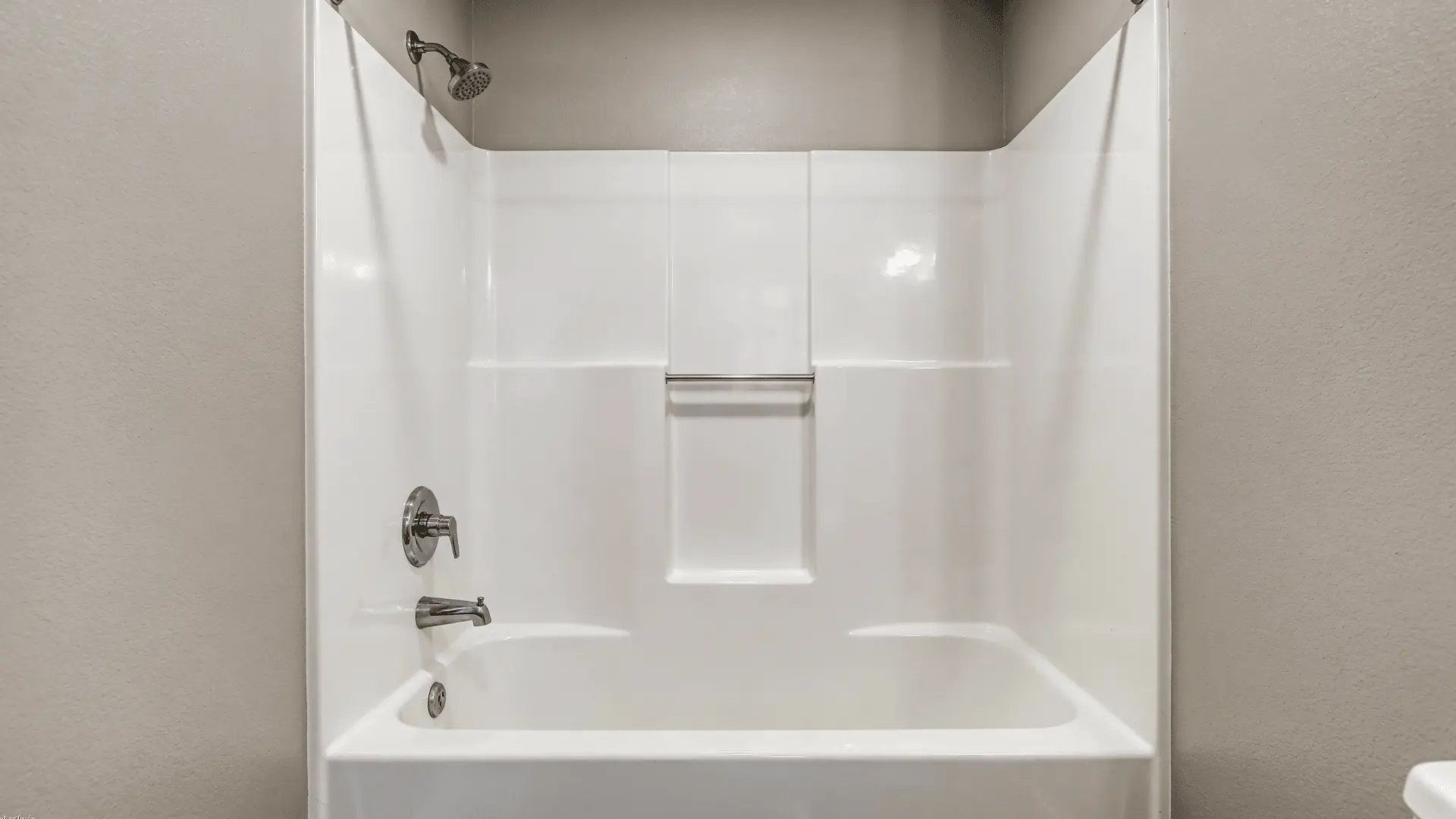
Alcove tubs are the most common and are usually paired with a wall and shower setup. For these, the standard spout height stays 4 to 6 inches above the rim, or about 18 to 22 inches from the finished floor.
This lower placement works well because alcove tubs have a fixed height and are used daily for both bathing and showering, so controlling splashing and keeping access easy is important.
2. Freestanding Tub Spout Height Guidelines
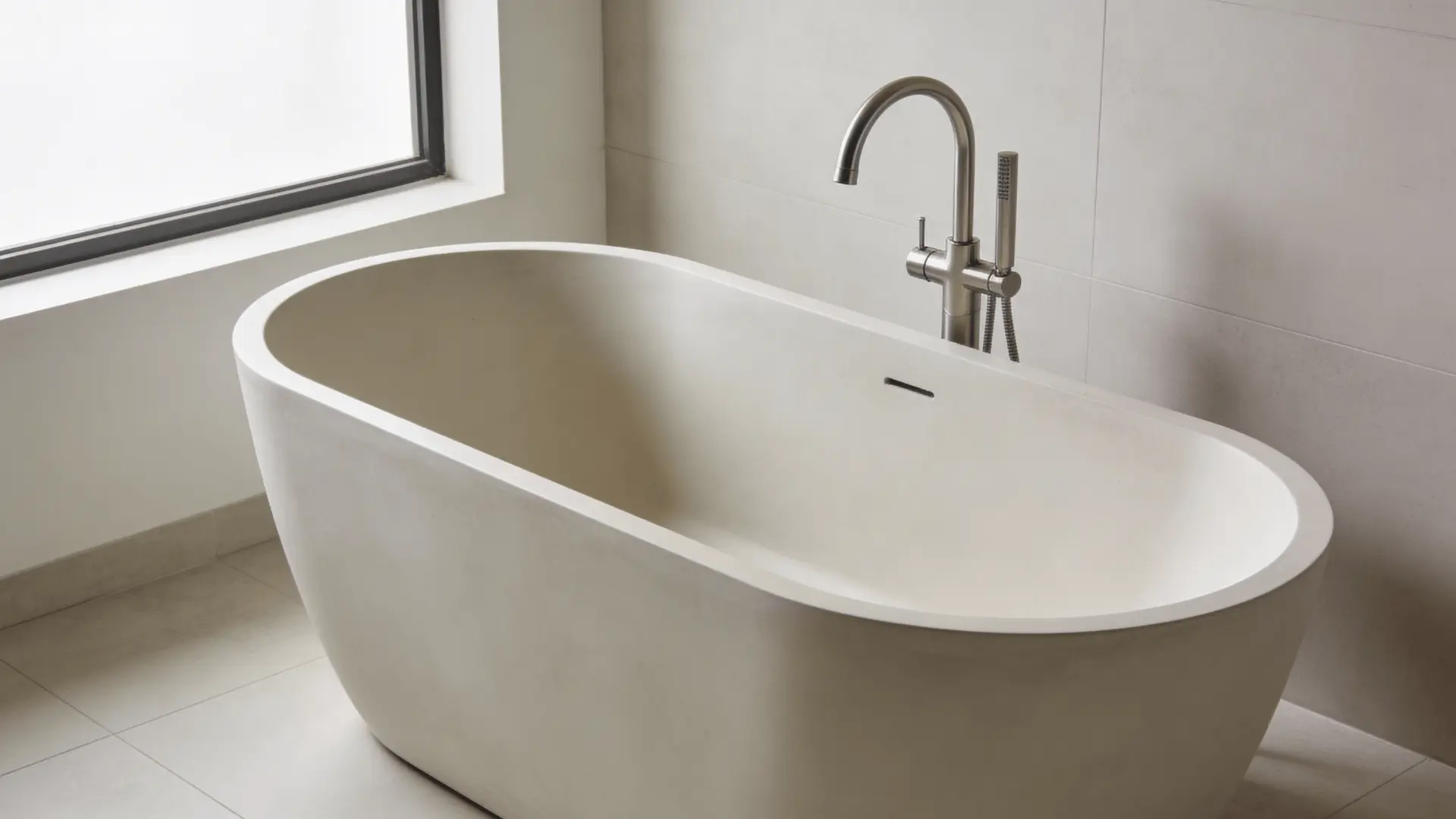
Freestanding tubs are often deeper and sit away from the wall, which changes how the spout needs to be positioned.
In these setups, the spout is typically placed 6 to 12 inches above the rim, often ending up around 28 to 36 inches from the floor.
The extra height makes it easier to reach over the tub edge and allows water to flow properly into a deeper basin without obstruction.
3. Wall-Mounted Installations and What Changes
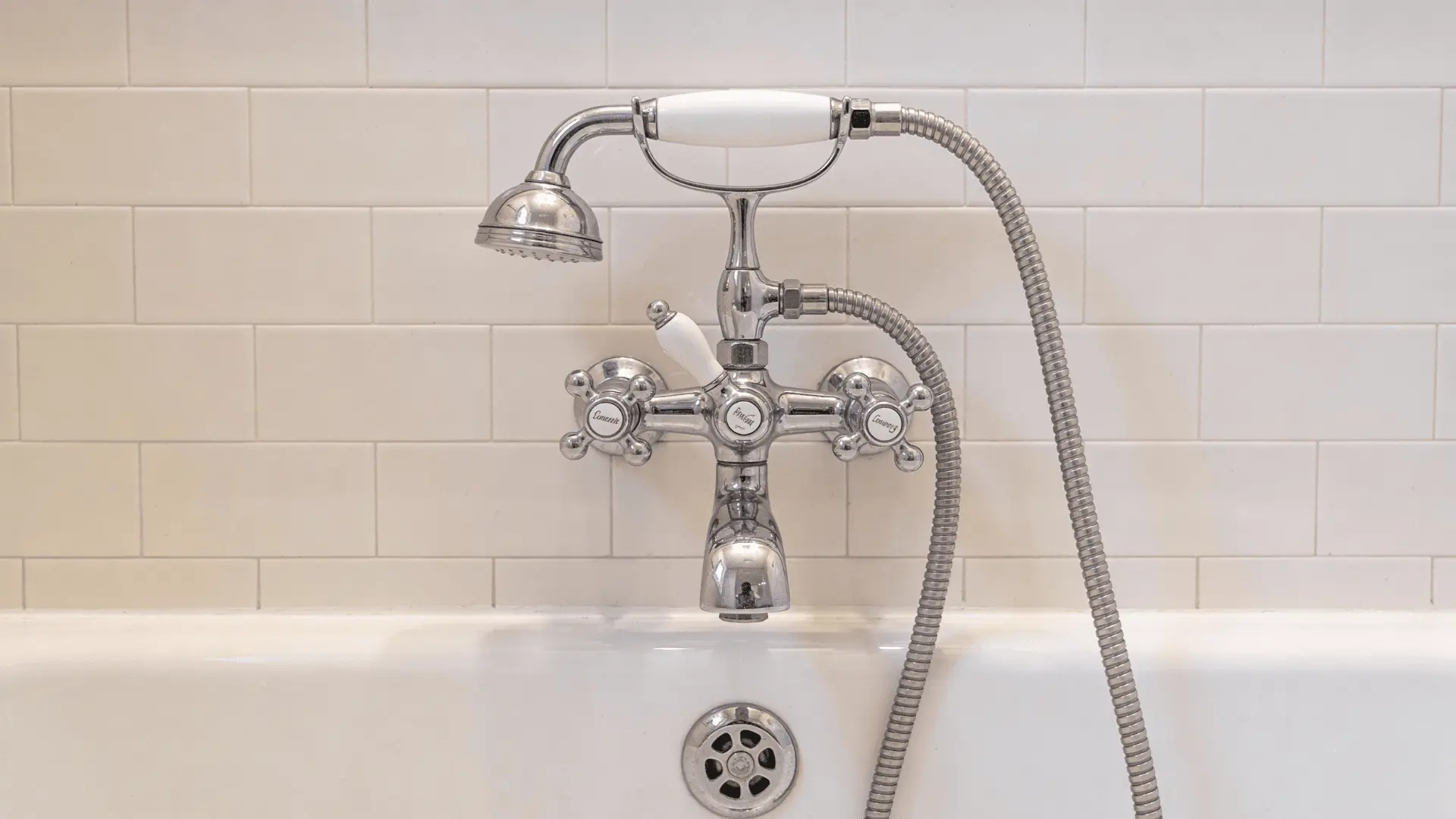
In wall-mounted setups, the spout extends from the wall rather than the tub itself, so both height and alignment matter more.
For alcove tubs, the range is usually 4 to 8 inches above the rim, while freestanding tubs placed near a wall follow the 6 to 12 inch range.
The key difference here is coordination with internal plumbing and the valve position. The spout must sit low enough to prevent splashing but high enough to stay functional and aligned with the overall layout.
Why Tub Spout Height Matters
Spout height is not just a measurement. It directly affects how your tub works every day, from water flow to ease of use.
How Height Affects Splashing and Water Control
The height of the spout controls how water enters the tub. When placed in the right range, water flows smoothly into the basin without hitting too hard. This helps:
- Reduce splashing outside the tub
- Keep water directed toward the drain area
- Improve overall filling efficiency
A well-placed spout also makes it easier to manage water flow during use.
Problems Caused by a Spout that is Too High
If the spout is set too high above the rim, water drops with more force before reaching the tub. This can lead to:
- Excessive splashing outside the tub
- Water hitting the tub surface too hard
- Less control over where the water lands
In daily use, this often creates mess and makes the setup feel poorly planned.
Problems Caused by a Spout that is Too Low
A spout placed too low can cause different issues. It may:
- Limit space for filling buckets or rinsing items
- Feel cramped during use
- Sit too close to the tub edge, affecting usability
In some cases, it may also reduce proper clearance, depending on the setup.
Getting the height right ensures the tub is comfortable to use, easy to manage, and works the way it should every time.
Minimum Clearance and Code-Related Spacing
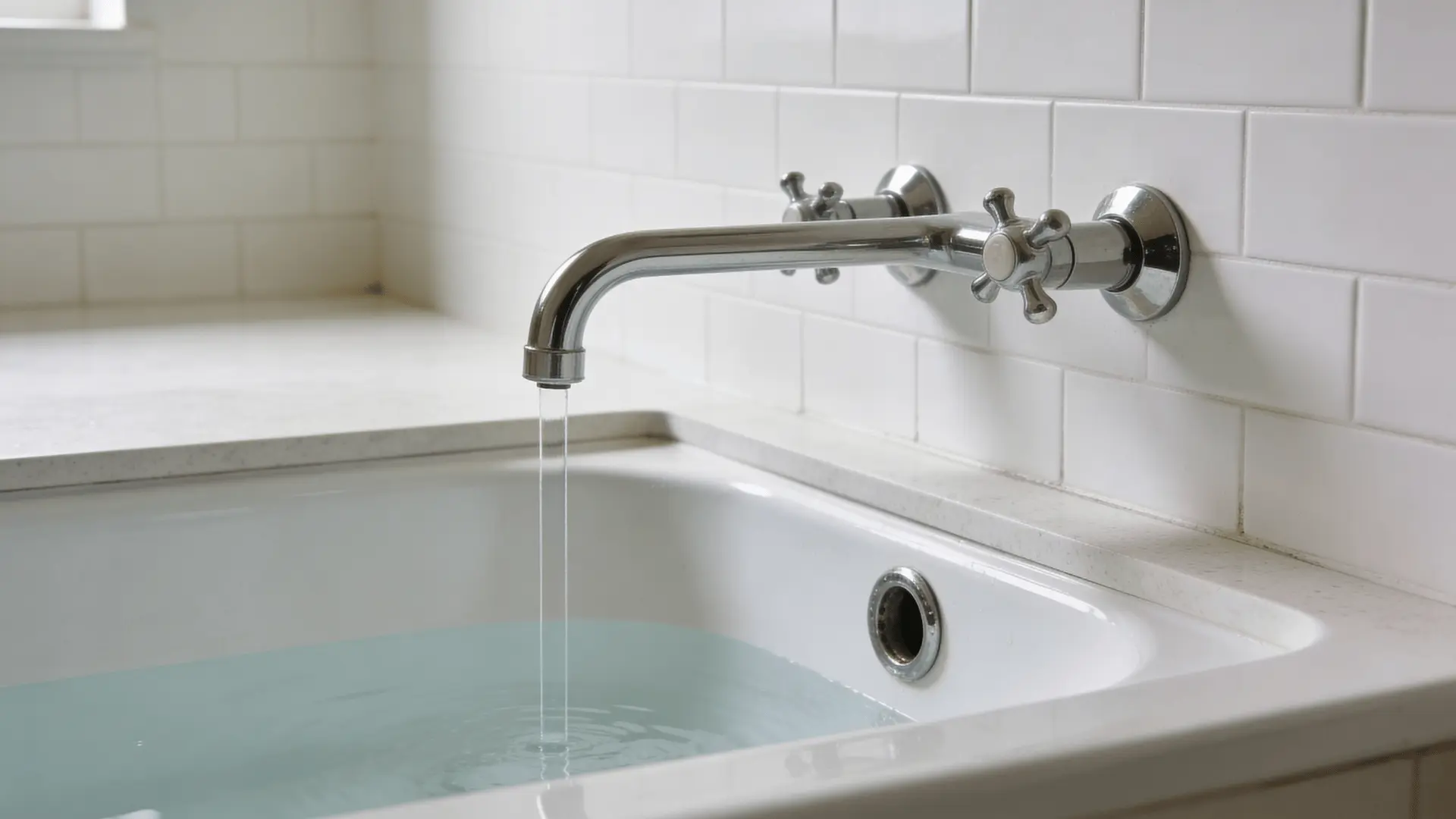
Along with comfort and usability, tub spout height must also meet basic clearance and safety rules. These are meant to prevent contamination and ensure proper water flow.
Minimum Clearance Above the Tub Rim or Overflow
The tub spout should sit at least 2 to 4 inches above the tub rim or overflow level. This creates enough vertical space between the spout and the water level inside the tub.
The goal is simple. Keep the spout clearly above standing water so water flows cleanly into the tub without interference.
In some cases, this clearance may relate to the size of the drain or overflow, but the main purpose remains the same, maintaining proper separation.
Air Gap and Backflow Prevention Explained
The space between the spout and the tub water is called an air gap. This gap plays a key role in keeping your water supply safe.
If the spout sits too low and becomes submerged, it can allow backflow, where contaminated water is pulled back into the plumbing system.
Maintaining proper height ensures water flows in one direction only, which is important for both hygiene and system safety.
When Local Plumbing Code Overrides General Rules
Standard height ranges work in most setups, but local plumbing codes may have stricter requirements.
Some areas define exact minimum clearances or specific installation rules that must be followed. These can vary based on region and plumbing standards.
Use general guidelines as a starting point, but always verify local code before final installation. If there’s a difference, code requirements take priority.
Tub Spout Height Relative to the Valve and Shower Setup
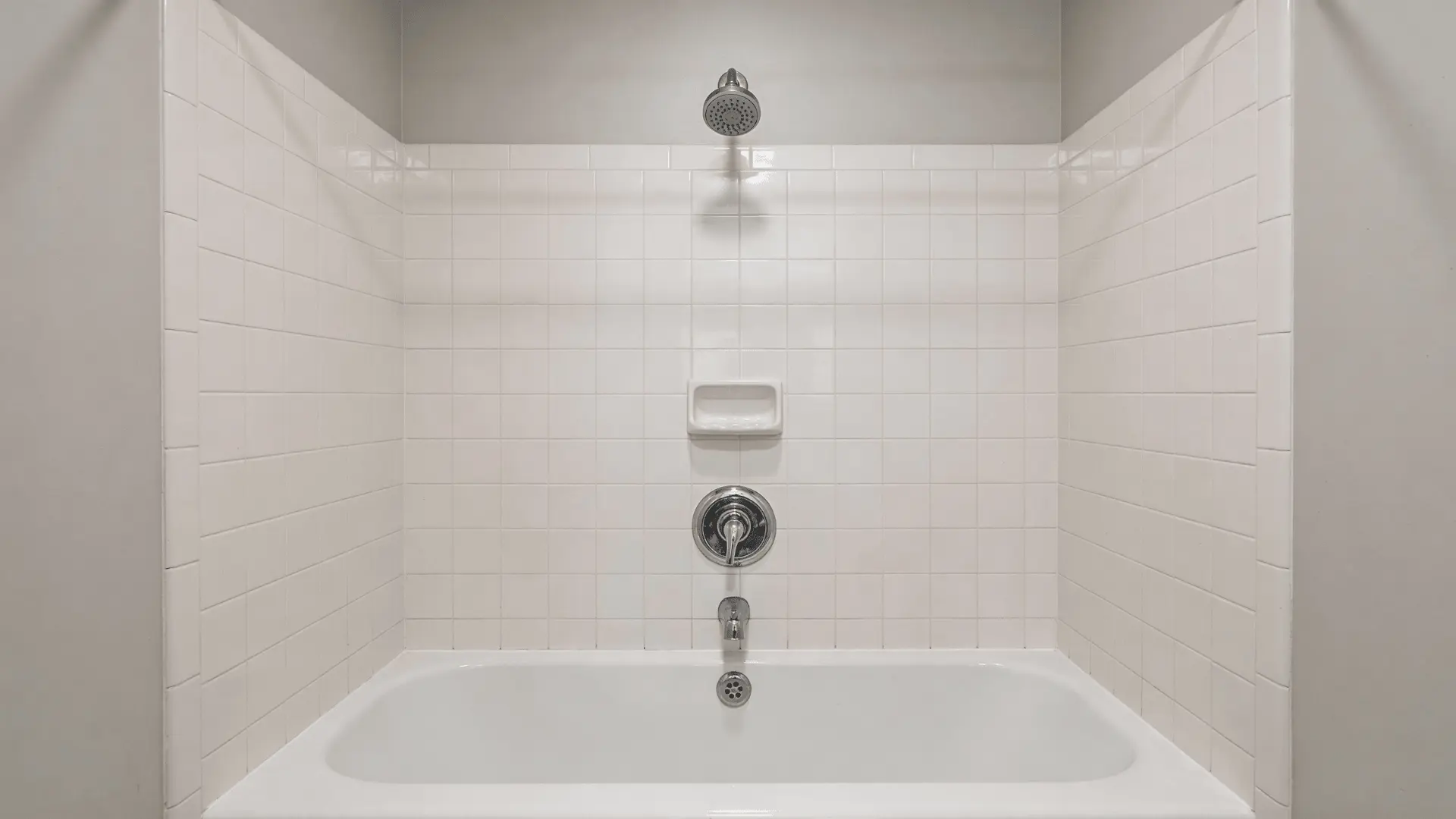
Tub spout height is closely linked to where the control valve and shower components are placed. Getting this spacing right ensures proper water flow and a comfortable setup.
Standard Distance Between the Tub Spout and Valve
In most setups, the tub spout is placed 8 to 18 inches below the control valve. This spacing helps maintain proper water flow and ensures the system works as intended.
It also allows enough separation for the diverter to function correctly without affecting pressure or flow direction.
Typical Valve Height in Tub and Shower Combos
In tub-shower combinations, the control valve is usually installed 30 to 36 inches above the finished floor.
With the spout positioned below it, both components stay within a comfortable reach and align well for everyday use.
How Diverter Style Changes Placement Decisions
The diverter, which redirects water from the spout to the showerhead, plays a key role in spacing.
In setups with a spout-mounted diverter, the distance between the valve and spout becomes more important. If the spacing is too small, water may leak upward to the showerhead even when the diverter is not engaged.
Keeping the correct vertical gap helps maintain proper pressure balance and ensures the system works smoothly without unintended flow issues.
How to Choose the Best Tub Spout Height for Your Setup
Choosing the right tub spout height becomes simple when you follow a clear process instead of guessing. A few basic steps can help you get it right the first time.
Start with the Tub Rim and Finished Floor
Begin with accurate measurements. This gives you a reliable starting point.
- Measure the tub height from the finished floor
- Add 4 to 6 inches above the rim as your base range
- Always measure to the center of the spout pipe (stub-out)
- Include the thickness of tile, adhesive, or wall panels before finalizing
Getting these measurements right ensures proper alignment after installation.
Adjust for Tub Design, Reach, and Daily Use
Next, adjust the height based on how your tub is built and how you plan to use it.
- Increase height slightly for deeper or wider tubs
- Make sure the spout is easy to reach and use comfortably
- Leave enough space for tasks like filling buckets or rinsing items
- Think about how often and how the tub will be used
These adjustments help improve usability without affecting performance.
When It Makes Sense to Go Slightly Higher or Lower
In some cases, small adjustments improve function.
- Go slightly higher for freestanding or deeper tubs
- Go slightly lower in compact setups to reduce splashing
- Stay within the standard range unless there is a clear reason to adjust
- Always maintain minimum clearance and follow local plumbing code
A well-chosen height stays close to the standard range while adapting to your specific setup and daily use.
Rough-In Tips to Get the Height Right the First Time
Getting the details right during the rough-in stage helps avoid costly fixes later. This is the point where small measurement errors can turn into bigger problems once the wall is finished.
Start by measuring from the finished wall surface, not the studs. Always include the thickness of tile, adhesive, and backer board so the final spout height doesn’t end up lower than planned.
Next, measure to the center of the spout outlet and double-check it after marking the final wall level. If possible, do a quick dry fit to confirm alignment and positioning before closing the wall.
Also, make sure the pipe length matches the spout, the pipe stays straight, and the stub-out size is correct. Securing the pipe properly helps prevent movement or misalignment later.
Fixing these issues after installation is difficult, so it’s best to confirm everything at this stage.
Avoiding Common Rough-In and Fit Problems
Small mistakes during rough-in can lead to fitting issues later, especially after the wall is finished. Taking a few extra checks at this stage helps prevent rework.
- Match the pipe length to the spout so it fits securely
- Ensure the stub-out length is correct, not too short or too long
- Keep the pipe straight and properly aligned
- Secure the pipe firmly to prevent movement
- Check spout compatibility with the pipe type
- Do a dry fit before closing the wall to catch issues early
Fixing these problems after installation is difficult, so it’s best to confirm everything during rough-in.
Recommended Tub Spout Height Ranges at a Glance
Here’s a quick reference to the most common tub spout height ranges based on setup and use.
| Installation Type | Height Above Rim | Height From Floor | Typical Use |
|---|---|---|---|
| Alcove Tub | 4–6 inches | 18–22 inches | Standard daily-use setup |
| Freestanding Tub | 6–12 inches | 28–36 inches | Deeper tubs needing more reach |
| Wall-Mounted (Alcove) | 4–8 inches | Varies | Adjusted for wall plumbing alignment |
| Wall-Mounted (Freestanding) | 6–12 inches | Varies | Used with deeper tubs near walls |
| Default (Most Homes) | 4–6 inches | ~18–22 inches | Safe starting range for most setups |
These ranges help balance usability, water flow, and splash control across most installations.
Final Checks Before Installation
Before you finalize the tub spout height, take a moment to confirm a few key details. This step helps prevent adjustments after installation.
- Measure from the finished floor to the center of the spout pipe
- Account for tile, backer board, or wall finishes that may affect the final position
- Check the manufacturer’s specifications for pipe length and proper fit
- Verify local plumbing code requirements for clearance and spacing
A quick review at this stage helps avoid rework and ensures the setup functions properly once installed.
Conclusion
Getting the tub spout height right is about more than following a number. It’s about making sure your setup works smoothly every time you use it.
When the height is properly planned, water flows better, splashing is reduced, and the space feels easier to use.
Small details like measuring from the right point, allowing for finishes, and checking clearances can make a big difference in the final result.
Before you install, take a moment to confirm your measurements and setup. A few careful checks now can prevent adjustments and issues later.
Frequently Asked Questions
Can a Tub Spout Be Too High?
Yes. If a tub spout is placed too high, water falls with more force, causing splashing and reducing control during use.
What if The Pipe is Too Short for The Tub Spout?
A short pipe can prevent a proper fit, leading to gaps, leaks, or a loose connection. The fix is extending the pipe or using a compatible spout.
What Does the 8 to 18 Inches Spacing Rule Mean?
This rule refers to the vertical distance between the control valve and the tub spout, not the height above the tub.