Second Story Addition: Costs, Reality & Worth
At first glance, adding another level to your home seems like a straightforward upgrade. A second-story addition promises more space without giving up your current location.
But what many homeowners don’t realize is how much this decision reshapes the entire house, from structure to daily living.
It’s not just about building upward; it’s about understanding the full impact before you begin.
In this guide, you’ll get a clear picture of what actually happens during the process, where challenges show up, and what separates a smooth project from a stressful one.
Expectation vs. Reality in a Second Story Addition
A second-story addition can seem like a simple way to create more space. Many homeowners expect extra rooms, a higher property value, and a smoother alternative to moving.
At first, it feels like you’re just building upward. But in reality, the process is far more involved.
Costs often exceed initial estimates. Timelines stretch longer than planned. Living conditions become difficult once construction begins.
This happens because the work impacts the entire structure, not just the top. The home must support additional weight, and even small issues can grow into larger, more expensive problems.
I’ve seen people think that it’s just adding another floor. In practice, it’s much closer to rebuilding key parts of your home from the ground up.
Why Costs Increase So Much in a Second Story Addition
Before looking at numbers, it helps to understand why costs rise so quickly in a second story addition. This type of project affects the entire structure, not just the top layer.
Several factors work together to increase the total cost:
- Foundation upgrades: Most homes are not built to support an extra level. The foundation often needs reinforcement or partial rebuilding to handle the added weight.
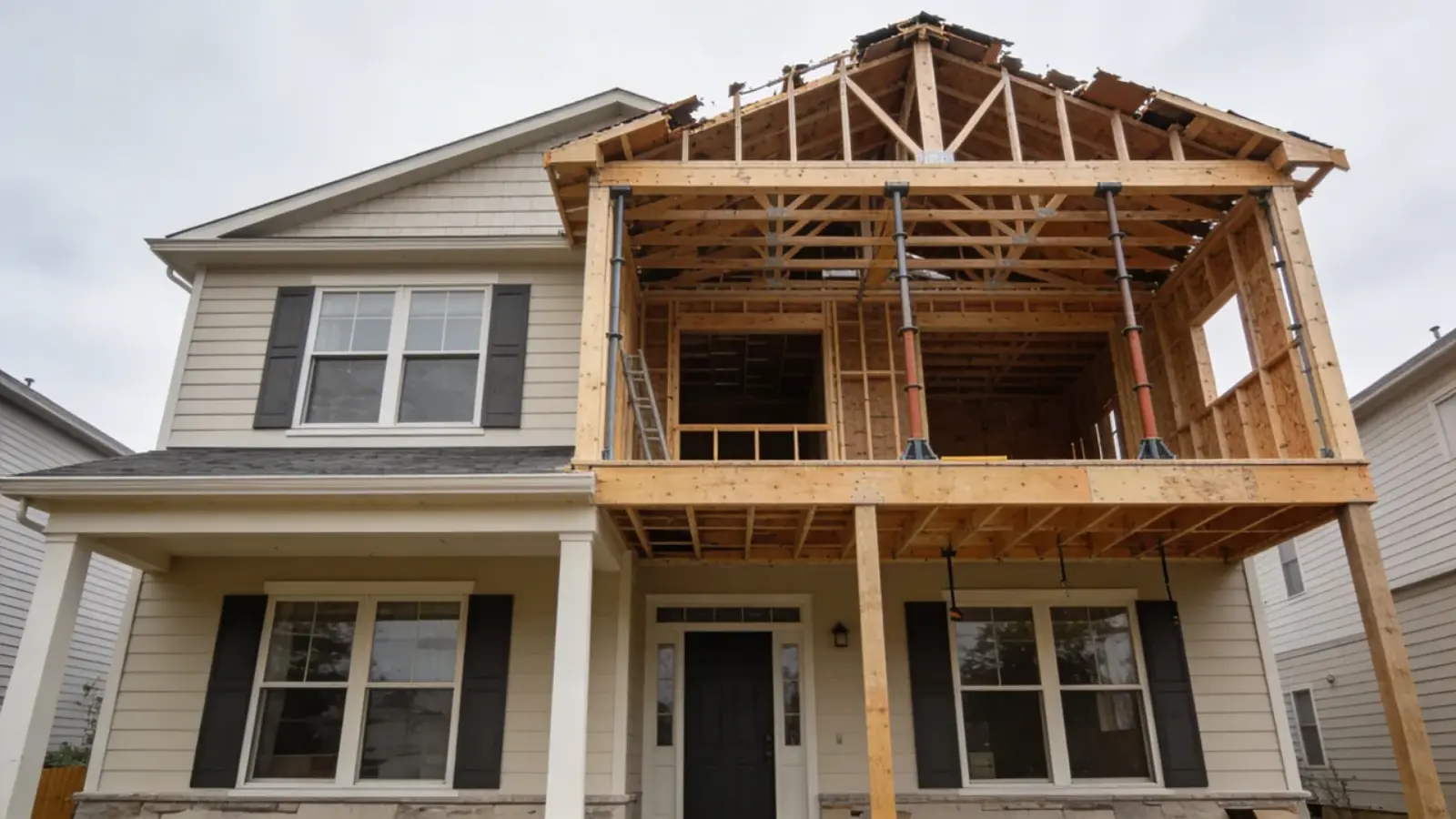
- Roof removal: The existing roof must be fully removed. This exposes the home to weather and adds urgency, protection costs, and risk during construction.
- System changes: Plumbing, electrical wiring, and HVAC systems must be extended or redesigned to reach the new floor. This adds both labor and material costs.
- Labor complexity: Building on top of an existing home is more difficult than new construction. It takes more time, precision, and coordination, which increases labor costs.
Real outcome: When these factors combine, total costs can range from $175k to $600k+, depending on home size, structural requirements, and location. In the U.S., these projects are often priced per square foot, which is why costs vary widely from one home to another.
Failure case: If structural work is underestimated early, unexpected issues can appear during construction. This often leads to sudden cost increases and project delays.
These costs build up because a second story addition reshapes the entire home, not just the upper level.
What Living Through Construction Feels Like
Many homeowners don’t realize how disruptive a second-story addition can be until it begins. In many cases, moving out becomes necessary, especially when the roof is removed and the home is exposed.
If you choose to stay, daily life can become difficult very quickly.
Noise and dust are constant because work is happening directly above your living space. Safety also becomes a concern with open areas and active construction zones inside the home.
Weather adds another layer of challenge. Since parts of the house remain exposed during construction, rain or extreme conditions can slow progress and extend timelines.
All of this can increase both living costs and stress during the project. A common assumption is that staying at home will be manageable, but most homeowners find it far more difficult than expected.
How Long a Second Story Addition Takes
A second-story addition is not a short project. Most builds take 6 to 12 months, depending on the size of the home and the level of structural work involved.
The timeline usually includes:
- Planning and approvals: 1–3 months
- Structural work and framing: 2–4 months
- Systems and interior work: 2–5 months
Delays are common. Weather, inspections, and unexpected structural issues can extend the schedule.
Many homeowners expect a faster process, but this type of project takes time because it involves rebuilding key parts of the home, not just adding space.
When Homeowners Say It Was Worth It
Not every experience with a second story addition is negative. Many homeowners feel the results were worth the effort in the right situation.
| Situation | Real Outcome | Why It Works |
|---|---|---|
| Staying in a high-value area | Avoids moving costs and keeps location benefits | Location value offsets high renovation cost |
| Limited lot size | Adds space without reducing yard | Only viable option when land is restricted |
| Strong existing foundation | Fewer structural upgrades needed | Keeps costs and complexity lower |
| Long-term ownership (10+ years) | Cost spreads out over time | Makes high upfront investment more justifiable |
| Clear pre-construction planning | Fewer surprises during build | Reduces delays, rework, and stress |
In most positive cases, homeowners planned well and expected challenges. That preparation often makes the final outcome feel more rewarding.
Why Some Homeowners Regret a Second Story Addition
While some homeowners are happy, others feel the project did not go as planned. These regrets often come from similar situations.
- Costs go too high: Budget exceeds comfort level due to unexpected structural work
- Poor layout planning: Spaces feel less functional because design decisions were rushed
- Living disruption: Noise, dust, and relocation create more stress than expected
- Contractor issues: Delays and quality problems happen due to poor selection
- Short-term plans: High cost does not match short-term return
Most regret comes from planning gaps and unrealistic expectations, not the idea itself.
Build Up vs. Other Options
A second-story addition is one way to add more space, but it’s not the only option. There are other choices to look at before deciding what works best for your situation.
Build Up (Second Story)
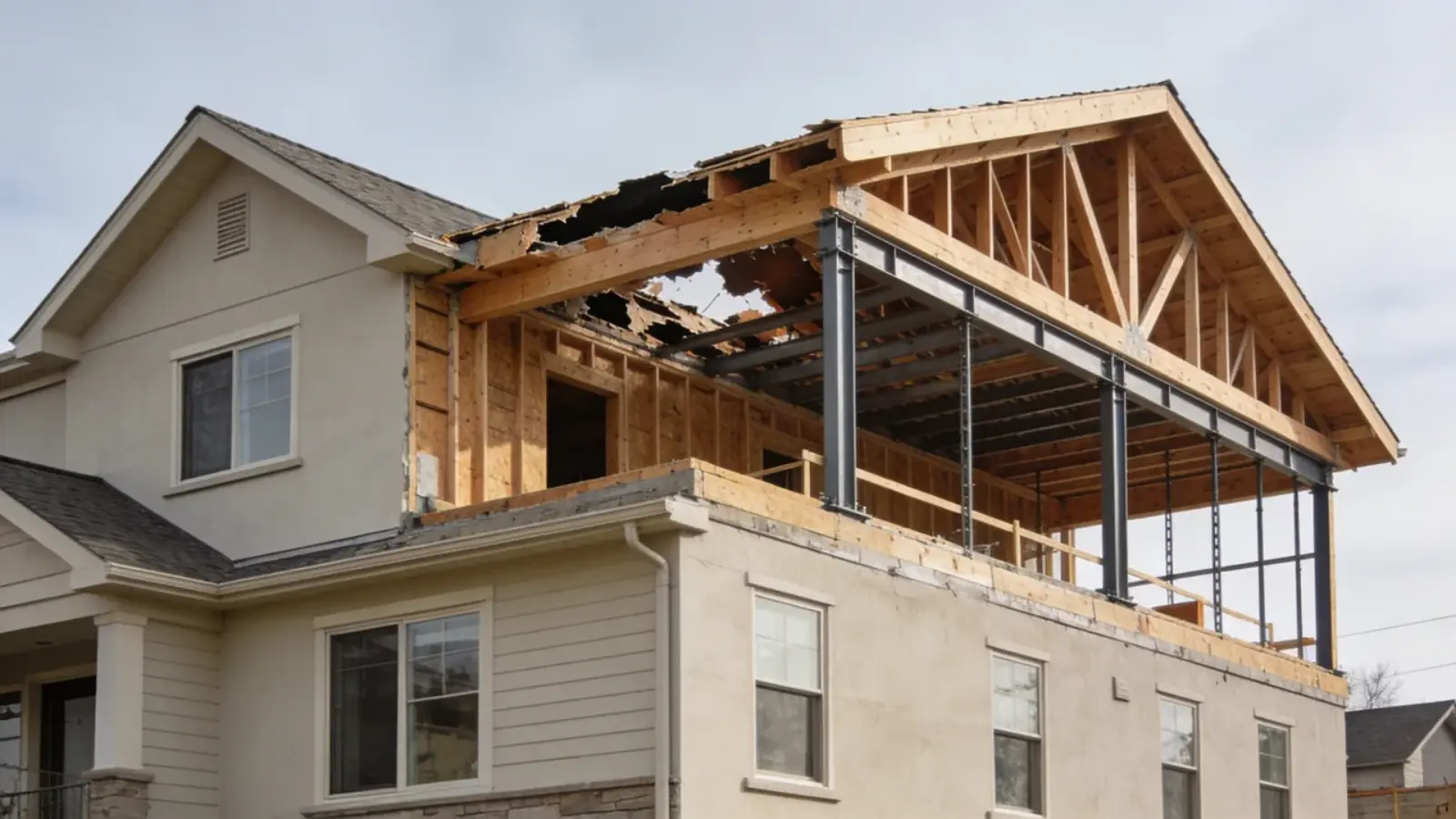
Building up means adding space without using more land. This is useful when your lot is small or already fully used. However, it involves major structural changes, including roof removal and reinforcement.
This increases both cost and complexity. Many homeowners choose this when location matters more than budget or convenience.
Build Out (Horizontal Addition)
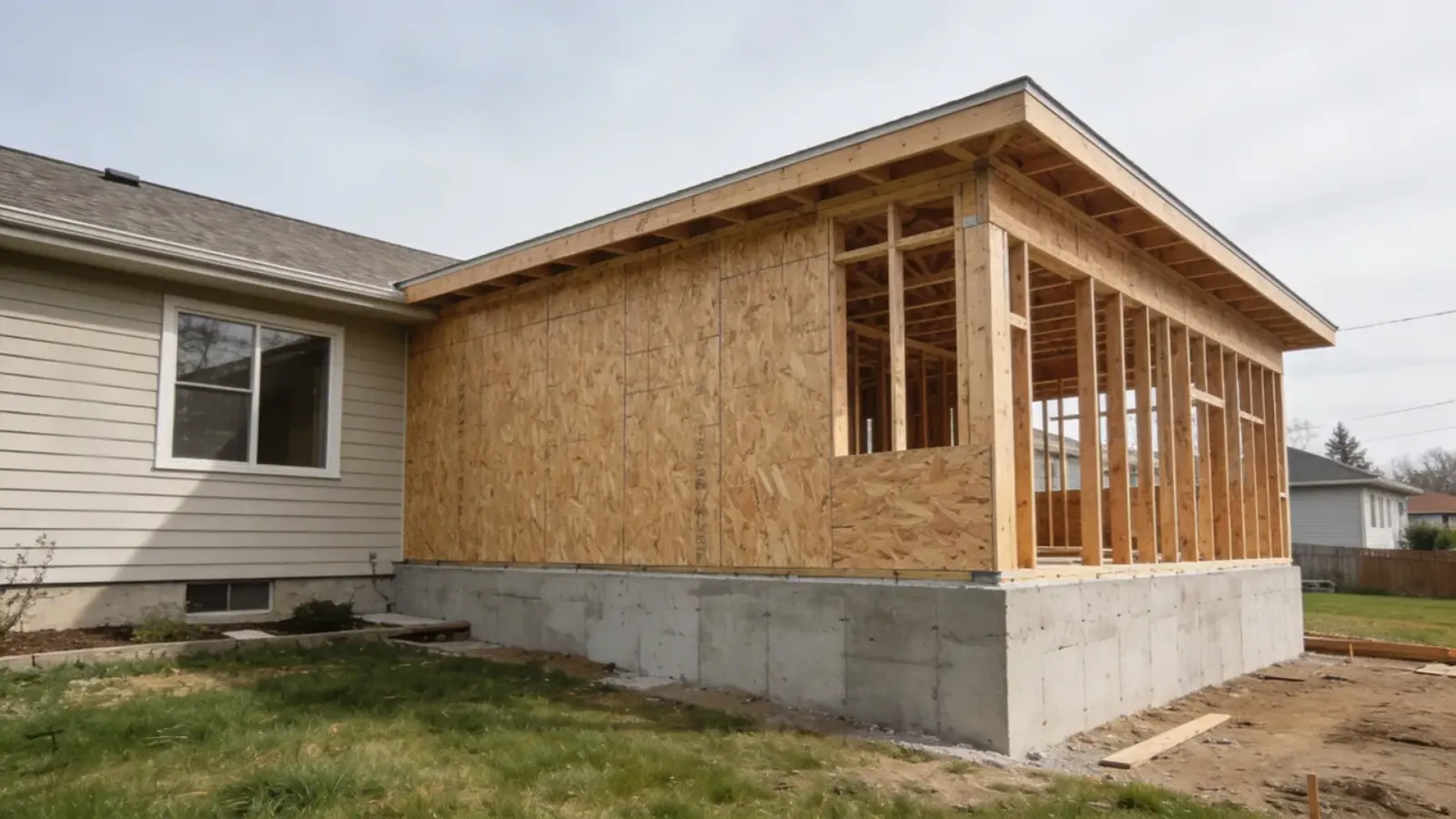
Building out extends your home into the available yard space. This option is usually simpler because it avoids major structural changes to the existing house. Construction is often faster and less disruptive.
However, it reduces outdoor space and may not be possible on smaller lots. Homeowners prefer this when they want a balance between cost and ease of construction.
Move to a New Home
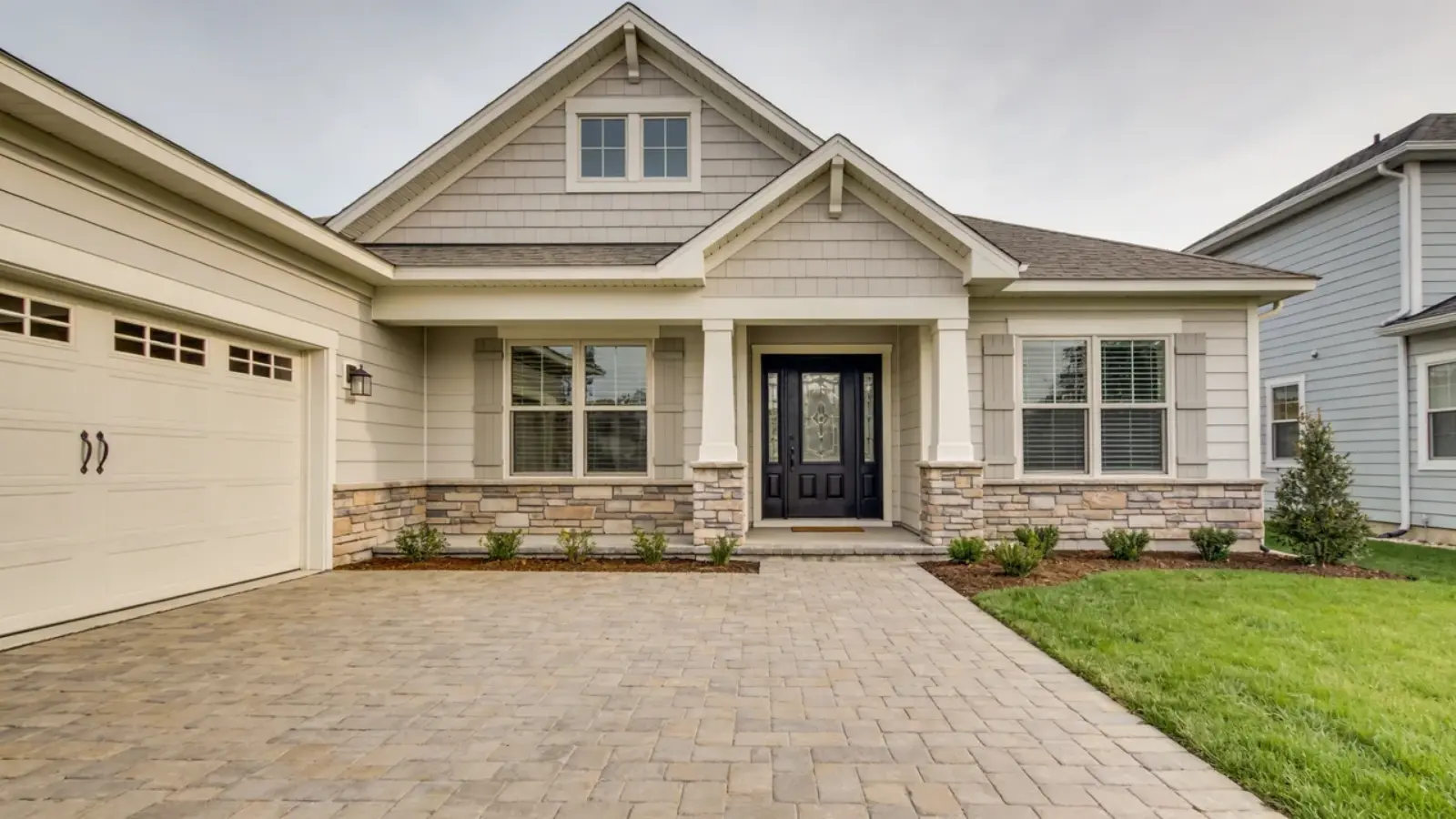
Moving avoids construction stress completely. You get a finished home without dealing with noise, dust, or delays. However, it involves buying and selling costs, along with the effort of relocation.
You may also have to compromise on location or home features. Many homeowners consider this when remodeling costs become too high.
Advice from Homeowners Who Have Done It
Many homeowners share similar advice after going through a second story addition. These insights can help you avoid common mistakes.
- Expect structural surprises: Hidden issues often appear once construction begins
- Plan temporary living arrangements early: Moving decisions should be made before work starts
- Lock design decisions upfront: Mid-project changes slow progress and increase costs
- Check contractor experience with vertical additions: This type of work is more complex than standard remodeling
- Understand timeline flexibility: Delays are common due to weather, inspections, and structural work
These insights come from real experiences and repeat across many homeowners. Following them can make the process smoother and easier to manage.
Conclusion
A second-story addition can change how your home works and feels, but the outcome depends on how well you understand the process before starting.
It’s not just about gaining space; it’s about managing complexity, cost, and disruption along the way. When expectations match reality, decisions become easier and the experience feels more controlled.
The difference often comes down to preparation and awareness, not just budget.
If you’re considering this option, take time to assess your home, your long-term plans, and what you’re ready to handle. Start planning carefully today to avoid costly surprises later.
Frequently Asked Questions
Is a Second Story Addition a Good Idea?
It can be a good option if your home structure supports it and you plan to stay long-term. Poor planning or unexpected costs can make the process stressful.
Do Most Homeowners Move out During Construction?
Yes, many homeowners choose to move out. Roof removal, safety risks, and constant noise make it difficult to stay in the house during the project.
Why Do Costs Increase During the Project?
Costs often increase due to structural upgrades, system changes, and issues discovered during construction that were not visible at the start.
Is It Better than Moving to a New Home?
It depends on your situation. Some prefer staying in the same location, while others find moving easier and less disruptive overall.