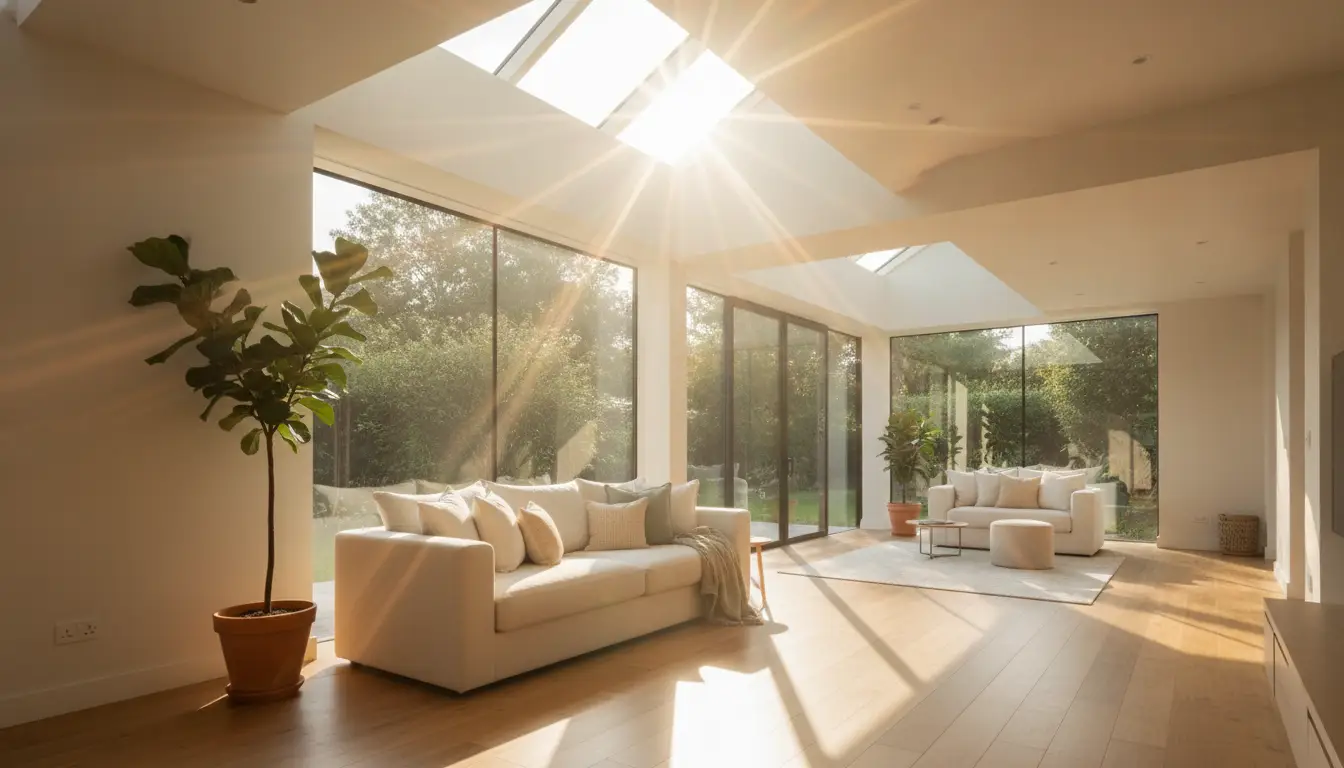
Standard Rug Sizes In Feet For Every Room
Picking a rug sounds simple. But most people end up with one that’s either too small or awkwardly large for the room.
Most rugs come in standard sizes measured in feet, and not knowing those numbers can make even a well-furnished space look completely off.
A rug that doesn’t fit the space throws the whole room out of balance, and that’s a problem more people face than they’d like to admit. But it doesn’t have to be that way.
Understanding standard rug dimensions makes the decision far less stressful. This guide breaks down the most common sizes in feet, so anyone can find the right fit without the guesswork.
Why Does Choosing the Right Rug Size Matter?
Size isn’t just a technicality; it’s a design tool. The right rug dimensions can make a small room feel open, while the wrong size can throw off even a well-decorated space.
A rug that’s too small makes furniture look like it’s floating, completely disconnected from the rest of the room. On the other hand, a larger rug improves underfoot comfort and dampens noise from foot traffic.
In open-concept homes, rugs naturally separate the dining and living areas without the need for a physical divider.
A well-sized rug also anchors furniture, bringing a sense of order to the layout. And beyond all that, it adds warmth, texture, and visual completeness to a room, making a strong impression on guests and buyers alike.
Standard Rug Sizes In Feet
Understanding the most common rug sizes will help you narrow down your options. Below are the standard sizes, organized by category, to help you determine which one works best for your room.
1. Compact Accent Rugs

Small rugs, such as 2′ x 3′ or 3′ x 5′, are perfect for areas with limited space.
They’re great for accentuating smaller spaces without overwhelming the room. These rugs work especially well in areas like a small walk-in closet, under a small coffee table, or a pedestal sink.
- Best for: Hallways, small kitchens, bathrooms, and entrances.
- Tip: Place them where they won’t obstruct movement, such as beside your bed or in front of the door.
2. Diverse Mid-Size Rugs

Medium rugs, such as those measuring 5′ x 7′ or 6′ x 9′, offer a balance of coverage and space, making them Diverse for various rooms.
These sizes work well when you want the rug to sit in the center of a furniture arrangement rather than underneath all the legs.
- Best for: Smaller living rooms, apartments, and studio spaces.
- Tip: In a living room, position the rug beneath the coffee table, leaving some space between the rug’s edges and the furniture to maintain an open feel.
3. Large Rugs

The “Goldilocks” of rug sizes. An 8′ x 10′ or 9′ x 12′ size helps define the area and ties the room’s design together.
It is large enough to tuck under the front legs of your sofa and chairs, creating a unified look. Ensuring that everything feels connected and cohesive.
- Best for: Spacious living rooms, dining rooms, and larger bedrooms.
- Tip: Ensure that the rug is large enough to fit under the legs of most furniture pieces for a cohesive look.
4. Oversized Area Rugs

Extra-large rugs, ranging from 10′ x 14′ to 12′ x 15′, are ideal for very spacious rooms. These rugs are reserved for “Great Rooms” or expansive master suites.
These rugs cover almost the entire floor, leaving only a small border of hardwood or tile visible around the edges.
- Best for: Great rooms, open-plan living spaces, and large dining areas.
- Tip: Ensure that the rug extends beyond all furniture pieces for a balanced, luxurious look.
5. Long And Narrow Runner Rugs

Runner rugs are much longer than they are wide and are typically used in narrow spaces, such as hallways. However, these Diverse rugs can also work well in high-traffic areas.
Additionally, they can be placed beneath a console table or behind a sofa to add comfort and style without overwhelming the space.
- Best for: Hallways, kitchens, at the foot of the bed, or beneath a console table.
- Tip: In high-traffic areas, choose a durable material that can withstand constant movement, such as wool or synthetic fibers.
6. Gallery Size Rugs

Gallery-size rugs are similar to runner rugs but are intended for wider, longer spaces. These rugs are perfect for large corridors where you want to create a more dramatic, elongated effect.
They can also be used in open living areas to anchor the space and create continuity from one zone to the next.
- Best for: Wide hallways, entryways, or large living rooms.
- Tip: Use gallery rugs to define longer, narrow spaces or create a flow between multiple areas in an open-plan layout.
Standard Rug Sizes in Feet Chart: A Quick Summary
Not sure where to start? This chart lays out the standard rug sizes in feet across different rug categories and room types, so it’s easy to find the right fit at a glance.
| Rug Size | Ideal Room Size | Common Uses | Room Type | Recommended Rug Size |
|---|---|---|---|---|
| Small Rugs | Ideal for 4′ x 6′ or smaller | Entryways, bathrooms, and small accent areas. | Living Room | 8′ x 10′ or 9′ x 12′ |
| Medium Rugs | Ideal for 9′ x 12′ or smaller | Living rooms, bedrooms, and smaller dining areas. | Dining Room | 8′ x 10′ or 9′ x 12′ |
| Large Rugs | Ideal for 12′ x 15′ or smaller | Larger living rooms, dining rooms, and offices. | Bedroom | 6′ x 9′ or 8′ x 10′ |
| Extra Large Rugs | Ideal for 15′ x 20′ or larger | Large living areas, great rooms, and conference spaces. | Hallway/Entryway | 2′ x 3′ or 3′ x 5′ |
| Runner Rugs | 2′ x 6′ to 3′ x 12′ | Hallways, kitchens, or under console tables. | Kitchen | 3′ x 5′ or 4′ x 6′ |
| Gallery Size Rugs | 3′ x 9′ to 6′ x 12′ | Large corridors, open-plan areas, and long spaces. | Open-Concept Spaces | 3′ x 9′, 6′ x 12′ |
How to Measure Your Room for a Rug?
To ensure you pick the right rug size, measuring your room properly is essential. Here’s how you can do it:
- Measure the Room: Use a tape measure to find the length and width of your room in feet.
- Determine Rug Placement: Think about where you want to place the rug, under furniture, centered, or as an accent piece.
- Leave Floor Space: Leave at least 12–18 inches of exposed floor space around the rug to maintain the room’s proportions.
Example: For a 12′ x 15′ living room, a 9′ x 12′ rug would leave a comfortable border of floor space around the edges.
Budget Considerations When Buying a Rug
Rug pricing varies significantly depending on construction and material.
Knowing your budget early in the process helps narrow your options and ensures you choose a rug that aligns with both your space and long-term needs.
1. Budget-Friendly Options
Machine-made rugs made of polypropylene or polyester are typically the most affordable option.
They are durable, easy to maintain, and suitable for high-traffic areas such as entryways, kids’ rooms, and rental properties. These rugs provide practical performance without requiring a large investment.
2. Mid-Range Rugs
Power-loomed wool blends offer improved texture and greater durability compared to basic synthetic options.
They offer a balanced combination of comfort, resilience, and cost-efficiency, making them ideal for living rooms and bedrooms with moderate daily use.
3. Investment Rugs
Hand-woven or hand-knotted wool rugs require a higher upfront investment but deliver long-term value.
They age gracefully, maintain their structure and color, and can last for decades with proper care. For primary living areas, investing in quality craftsmanship often proves worthwhile over time.
Tips for Choosing the Right Rug Size
Choosing the right rug goes beyond just picking one that fits. Here are some essential tips:
- Consider Furniture Arrangement: Your rug should fit under at least the front legs of larger furniture pieces, such as sofas and chairs. This creates a unified look.
- Leave Room for Movement: Ensure the rug is large enough to allow easy movement in the room, especially in high-traffic areas.
- Think About the Room’s Purpose: For a cozy bedroom, a smaller rug might work better, while a larger rug in a living room can help define the space.
- Match Rug Size to Room Proportions: The rug should complement the proportions of the room. A large rug can work wonders in a spacious room, while a smaller rug is better suited for compact spaces.
- Use Multiple Rugs for Larger Rooms: In very large rooms, consider using two or more rugs to define separate areas, such as a seating zone and a reading nook. This can add warmth and structure to the space.
- Consider the Rug’s Shape: While most rugs are rectangular, circular or square rugs can work well in specific areas, such as under a round dining table or in a hallway, adding a unique touch to the space.
Conclusion
Choosing the right rug size isn’t just about filling up space; it’s about creating a balanced, functional, and visually pleasing room.
No matter if looking to define a seating area in your living room or add warmth to a bedroom, selecting the proper rug size can make a big difference.
Remember to consider the overall layout of your room, the function of the space, and how the rug will complement your furniture.
With the right measurements and considerations, you can select a rug that not only fits perfectly but also improves your room’s look and feel.