

Types of Rooms You Don’t Need But Would Really Love to Have
Homes are usually built around what people need to survive comfortably, like sleeping, cooking, storing things, and moving around the house without difficulty.
But there is another layer of living that matters just as much. These are spaces that are not strictly necessary, yet make life inside the home feel more complete. Think of them as rooms that protect hobbies, focus, relaxation, and small moments of enjoyment.
Hobby Workshop Room


A hobby workshop room is quietly powerful because it lowers the barrier to creativity.
Many people enjoy making or fixing things, but preparation can sometimes feel tiring. Gathering materials, clearing surfaces, or setting up tools can discourage projects before they begin.
When a workspace is already waiting, even short creative sessions become possible. Someone might only work for ten minutes at a time, but those small efforts often accumulate into finished ideas over weeks.
Creativity tends to grow when it is given regular access rather than waiting for long, uninterrupted inspiration.
Indoor Garden or Plant Room
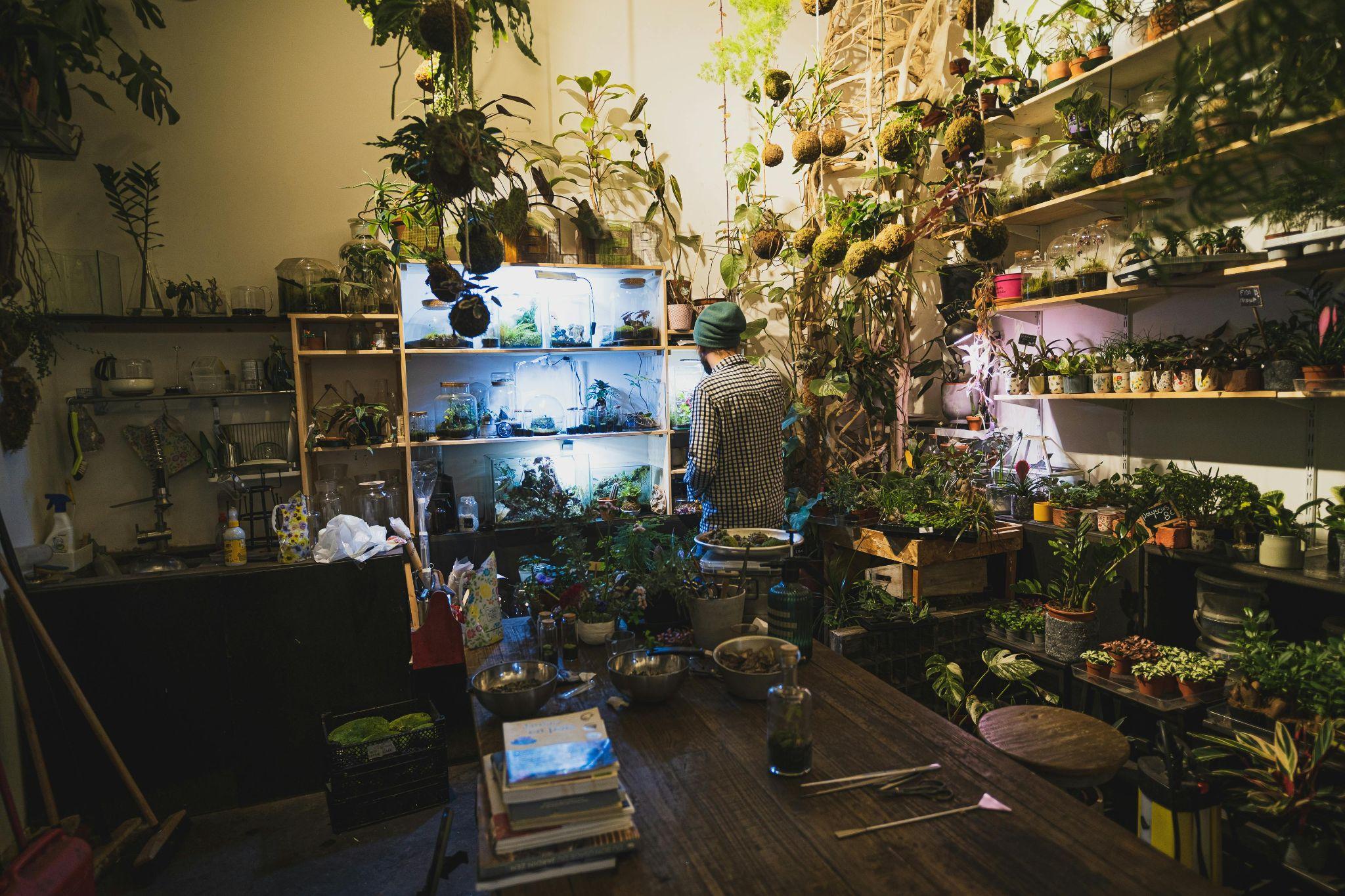

An indoor garden or plant room changes the atmosphere of a home in subtle but meaningful ways.
Sunlight passing through leaves can create gentle moving patterns across walls or floors as the day progresses. Caring for plants introduces a steady, unhurried routine.
Watering, observing growth, or trimming leaves provides moments of quiet attention that do not feel pressured by productivity.
Many people find satisfaction in watching something alive respond gradually to care. It is a small reminder that not everything in life needs to move quickly.
Fitness or Movement Room
The fitness or movement room is less about building a professional training environment and more about reducing friction. Exercise itself is rarely the main challenge; starting is often the harder part.
Traveling to a gym, preparing equipment, or waiting for the right schedule can become obstacles.
When a movement space already exists at home, exercise becomes something you can do whenever there are twenty or thirty minutes. Short but regular activity often builds better long-term habits than occasional intense workouts.
Game Room
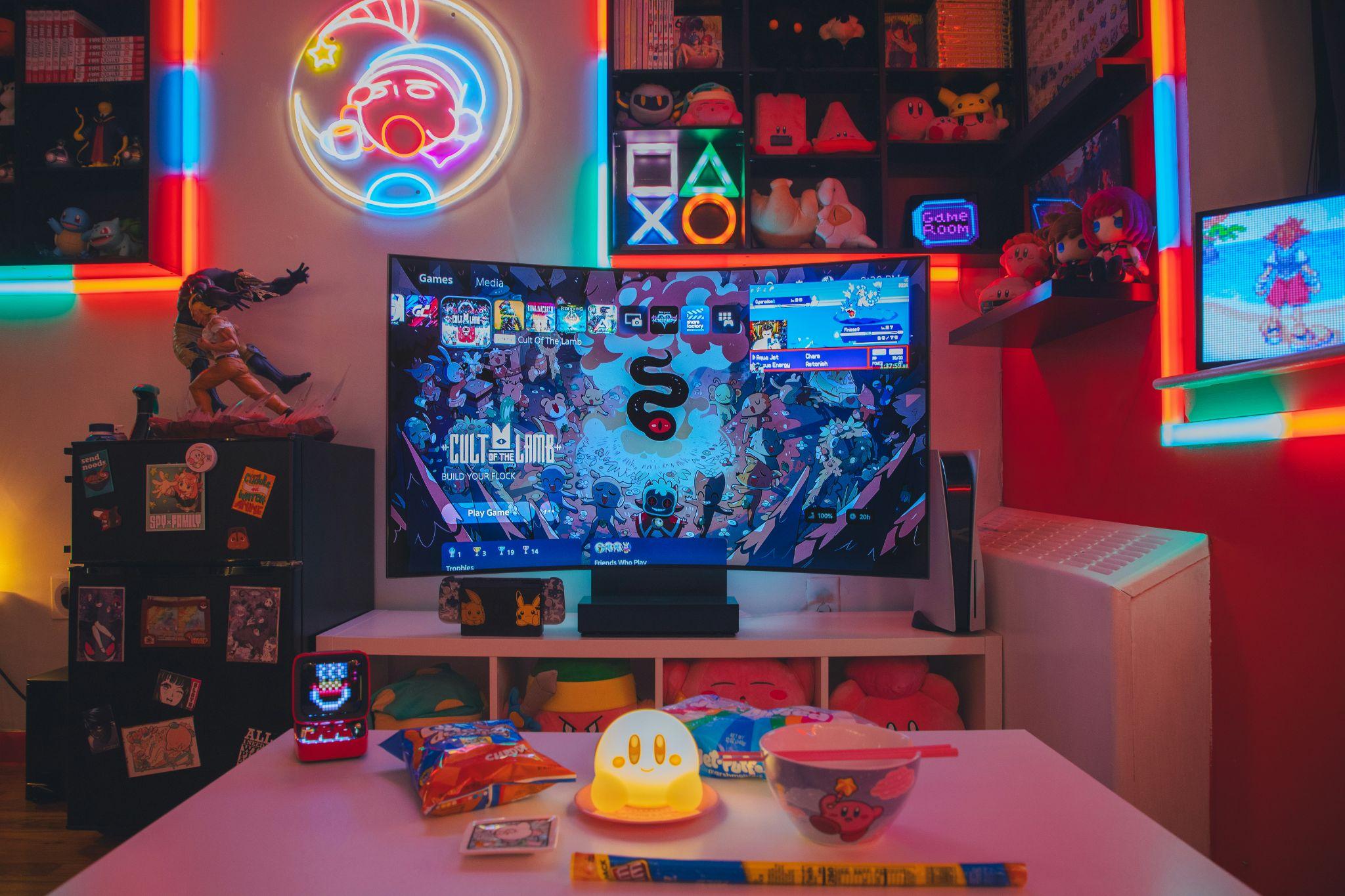

When playtime has its corner of the house, it becomes easier to shift from a work mindset to relaxation.
Walking into the room signals that distractions should stay outside for a while. People can spend time competing, laughing, or solving interesting challenges without feeling that fun is something squeezed between other responsibilities.
Since game tournaments have also become more digital, having a curated space helps you focus when playing online. You can comfortably lock in during competitive sessions, similar to preparing for events like the GZone Tour.
Choosing to enjoy leisure becomes simpler when the environment supports it.
Dressing or Walk-in Closet Room
I’m not sure about you, but having this is a good sign that you’ve made it in life.
A dressing room or walk-in closet improves how people begin their day.
Searching through scattered storage can add unnecessary stress during morning preparation.
Having clothing, footwear, and accessories organized in one location allows for calmer decision-making. Good lighting and mirrors help with outfit selection without rushing.
The benefit is practical but meaningful. Mornings feel less hurried, and preparation becomes more deliberate rather than chaotic.
Meditation or Quiet Room
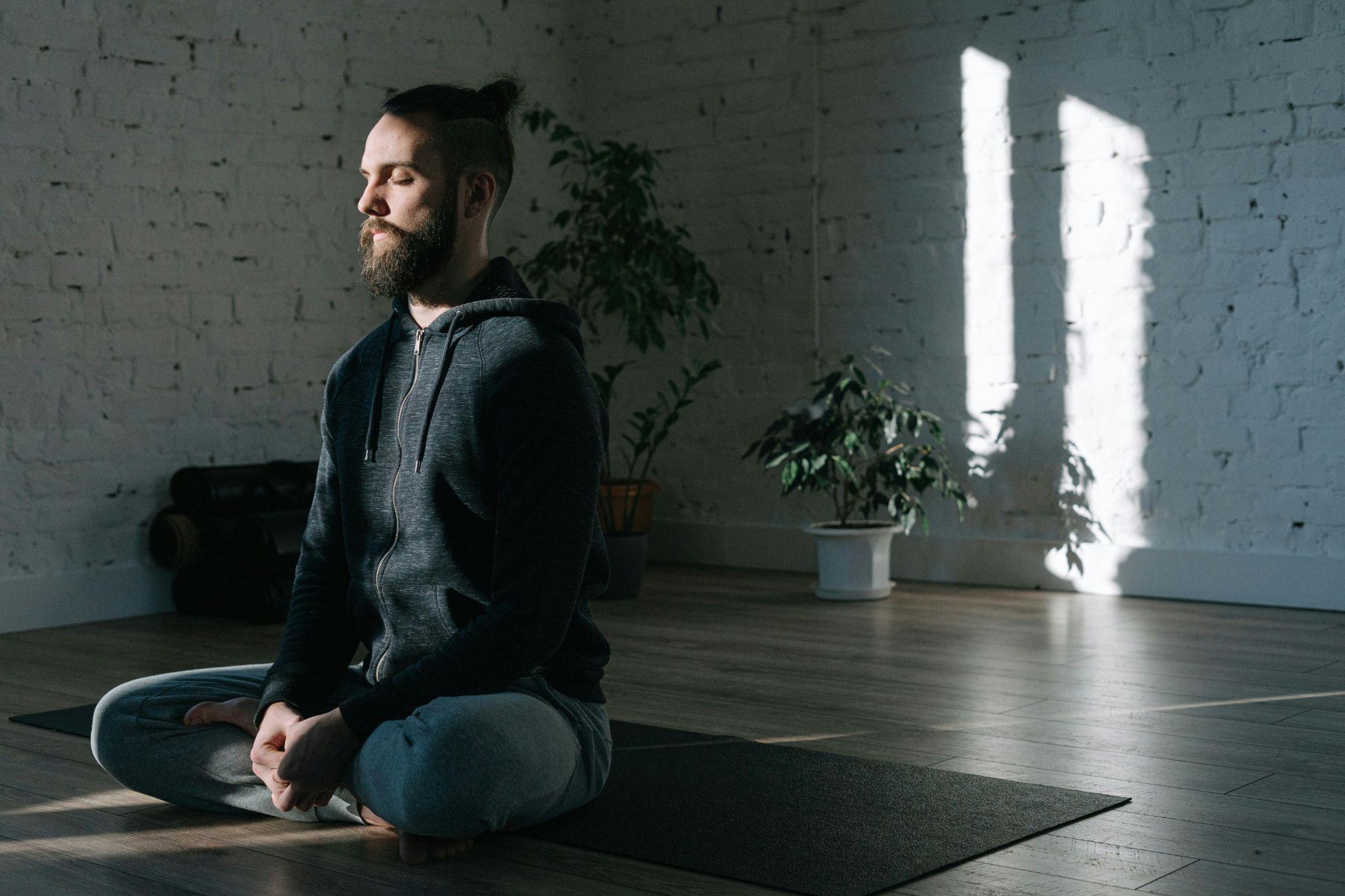

Sometimes, a room doesn’t have to have anything in it. Sometimes it just needs to be there for you to stay in.
The meditation or quiet room may be the most introspective among these ideas. Modern life is often noisy in ways that are easy to overlook, like work pressure, communication demands, and constant digital stimulation.
A low-stimulation room gives the mind permission to slow down. It does not require strict meditation practice. Sitting quietly, reading, breathing slowly, or simply staying still is already valuable. The goal is not performance but mental balance and rest.
Small Rooms, Larger Quality of Life
In the end, these rooms are not about luxury in a showy sense. They are about giving different parts of life a given environment.
Play has a place to hold. Creativity has a workspace. Movement has a starting point. Reflection has a quiet corner where it can unfold without interruption.
When a home supports these experiences, daily living often feels less crowded and more personally meaningful.
So while these rooms are not necessary for survival, they help make life inside the home feel a little more spacious, a little more personal, and a little easier to enjoy.


