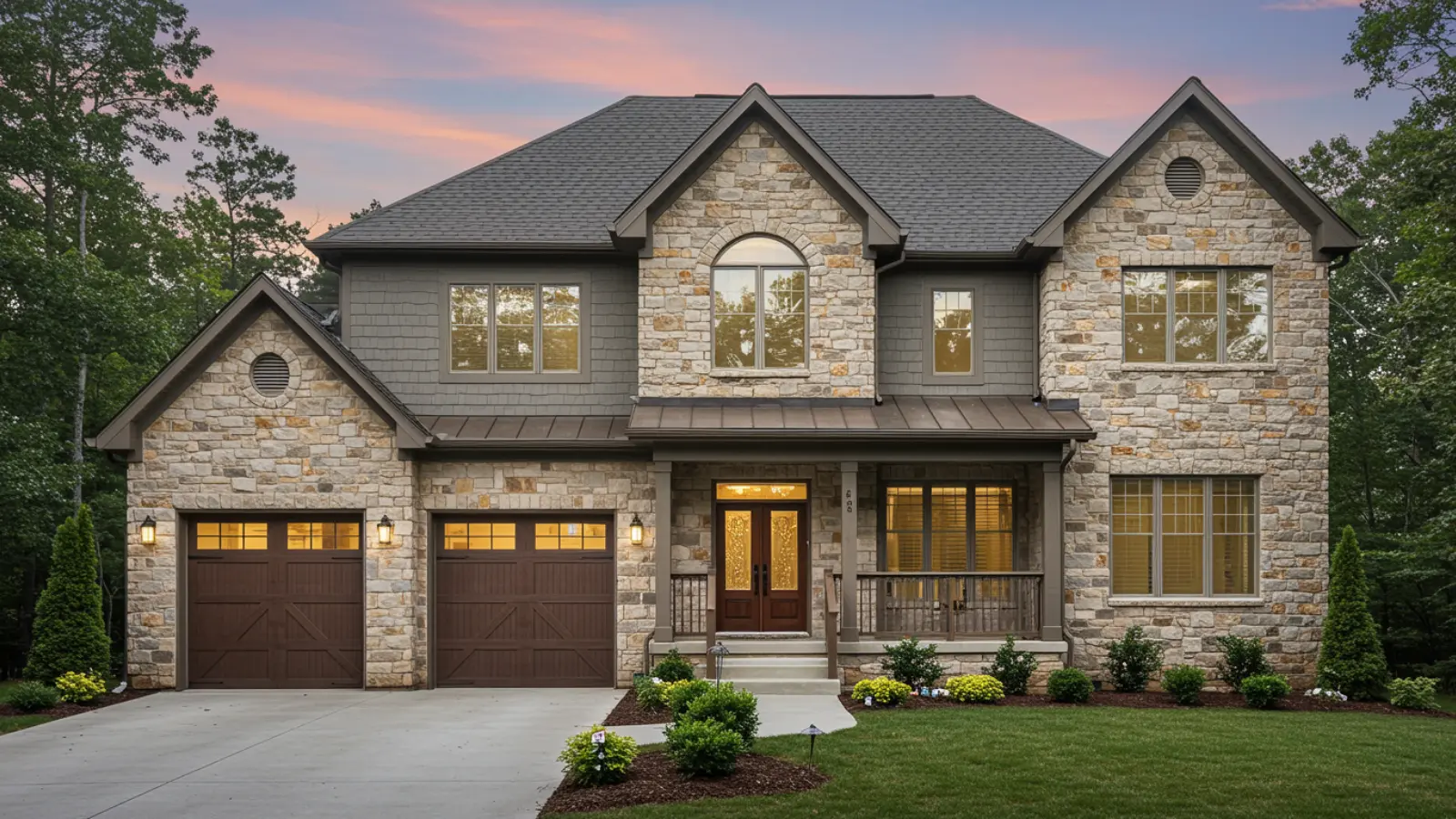
22 Craftsman-Style House Design Ideas for Modern Living
A craftsman-style house is known for its warm, welcoming feel and timeless design. But what is a Craftsman house really about, and why do so many people still choose this style today?
In this guide, let’s break down the basics in a simple way.
If you’re looking for house plans and design ideas or thinking about building, this overview will help you decide if a Craftsman-style home is the right fit for your needs and lifestyle.
What is a Craftsman House?
A Craftsman house is a home style known for its cozy look and focus on simple, well-made details. These homes became popular in the early 1900s and were designed to feel warm, practical, and inviting.
A Craftsman house usually has a wide front porch, a low-pitched roof, and strong columns that give it a solid feel. Inside, you’ll often find built-in shelves, wood accents, and a layout made for everyday living.
The goal of a Craftsman home is comfort and function, with natural materials and thoughtful design that still feels timeless today.
Craftsman Style House Design Ideas
Craftsman homes are all about comfort, function, and details that feel warm and real.
1. Wide Front Porch

A wide front porch is one of the most loved Craftsman features. It creates a welcoming first impression and adds usable outdoor space.
You can add simple wood chairs or a porch swing for daily use. This space works well for relaxing or greeting guests. Keep the design clean and not overdecorated. The goal is comfort and connection to the outdoors.
2. Low-Pitched Roof

Low-pitched roofs give Craftsman homes their grounded look. Exposed rafters add character without feeling fancy. These details show off simple craftsmanship.
They also help the house feel strong and well-built. Keep the lines clean for a timeless look. This feature works well on both small and large homes.
3. Tapered Columns

Tapered columns are a signature Craftsman detail. They usually sit on stone or brick bases for extra weight and balance.
This design makes the house feel sturdy and welcoming. The columns frame the porch beautifully. Avoid thin or plain columns. The shape is what gives the style its charm.
4. Natural Wood Accents

Wood accents bring warmth into Craftsman spaces. You’ll often see them in trim, doors, or ceiling beams. These details add texture without being loud.
Natural finishes work best and age well over time. The wood should feel real and not overly polished. This keeps the home cozy and lived-in.
5. Built-In Shelves and Storage

Built-ins are both useful and stylish in Craftsman homes. Common spots include living rooms, dining areas, and hallways. They help reduce clutter while adding character.
Built-ins also make rooms feel more intentional. Simple designs work best here. They should blend into the space, not stand out too much.
6. Central Fireplace Living Room

A fireplace often anchors the main living space. It creates a natural gathering spot for family and guests. Craftsman fireplaces usually have simple stone or tile details.
Built-in seating or shelves nearby add balance. The layout should feel relaxed and practical. This space is meant for everyday comfort.
7. Earthy and Warm Color Palette

Craftsman homes look best with warm, natural colors. Think soft browns, greens, creams, and muted blues. These shades help the home feel calm and grounded.
Avoid bright or flashy tones. The colors should flow well from room to room. This creates a smooth and welcoming feel.
8. Simple Window Trim

Window trim in Craftsman homes is usually thick but simple. It adds structure without extra decoration. The clean lines keep the design balanced.
Windows often let in plenty of natural light. This helps rooms feel open yet cozy. The trim should highlight the window, not overpower it.
9. Kitchen with Craftsman Touches

Craftsman kitchens focus on function first. Cabinets are often simple with solid doors. Open shelves or glass panels add light detail. Warm wood tones work well here.
The layout should make cooking easy and comfortable. This space should feel useful, not showy.
10. Entryway with Storage

The entryway sets the tone for the home. Craftsman designs often include benches or hooks near the door. This helps keep things organized.
The space feels welcoming and useful at the same time. Simple wood details tie it into the rest of the house. A good entryway makes daily life easier.
11. Open Dining Area

Craftsman dining spaces often feel open but still clearly defined. This is done using ceiling beams, half walls, or built-in cabinets.
The space stays connected to nearby rooms without feeling exposed. It keeps family meals cozy and focused. The design feels thoughtful and balanced. Nothing feels random or overly open.
12. Wood Ceiling Beams

Exposed ceiling beams add depth to Craftsman interiors. They draw the eye up without making the room feel busy. Wood beams also help define spaces in open layouts.
Natural or lightly stained finishes work best. These beams add charm without extra decor. They quietly enhance the room’s character.
13. Staircase with Solid Wood Details

Craftsman staircases focus on strength and simplicity. Wood railings and square balusters are common. The design feels sturdy and safe.
Open or overly modern styles don’t fit well here. A well-built staircase adds to the home’s lasting appeal. It should blend smoothly with nearby spaces.
14. Mudroom or Drop Zone

A mudroom fits perfectly with the Craftsman lifestyle. It helps manage daily mess without cluttering the home. Built-in benches, hooks, and storage keep things organized.
This space feels practical, not decorative. It supports real life and busy routines. Good flow matters more than fancy finishes.
15. Covered Outdoor Spaces

Side or back covered patios extend the Craftsman feel outdoors. These spaces add comfort and usability. Simple wood posts and clean lines work best.
They feel like a natural part of the house. These areas are great for quiet time or gatherings. The design stays relaxed and useful.
16. Solid Wood Doors

Craftsman homes often use solid wood doors. The designs are simple, sometimes with small glass panels. These doors feel sturdy and well-made.
Avoid heavy carvings or bold patterns. The goal is quiet detail and quality. Doors should match the home’s calm style.
17. Balanced Room Sizes

Craftsman layouts avoid oversized rooms. Spaces are sized for comfort and function. This makes the home feel easier to live in.
Rooms flow well without wasted space. Everything has a purpose. This balance is a key part of the style’s charm.
18. Warm Lighting with Simple Fixtures

Lighting in Craftsman homes feels soft and welcoming. Fixtures often have clean shapes and warm tones. They add character without stealing attention.
Lighting supports the mood of the space. Avoid harsh or flashy designs. The focus stays on comfort and ease.
19. Honest Materials

Craftsman design values materials that last. Wood, stone, and simple finishes are common. These materials improve with time and use. They don’t need constant updating.
This approach adds long-term value. The home feels dependable and real.
20. Clear Visual Flow
Craftsman homes are designed with smooth movement in mind. Doorways and openings line up naturally. This helps the home feel calm and organized.
Nothing feels forced or awkward. The layout supports daily routines. Good flow makes the house easier to enjoy.
21. Built-In Seating

Built-in seating adds both function and charm. Common spots include windows, dining areas, or near fireplaces. These features save space and feel intentional.
They encourage relaxed living. Simple cushions keep the look clean. Seating should feel useful, not decorative.
22. Timeless Details

Craftsman homes age well because they avoid trends. Details are chosen for long-term use. Clean lines and honest materials stay relevant.
This makes the home feel stable and lasting. The style doesn’t chase what’s new. It focuses on what works.
How to Choose a Craftsman House Design for Your Build
Choosing the right Craftsman house design is about balancing style, function, and daily needs. A good plan should look classic while still fitting your land, budget, and lifestyle.
- Start With Your Daily Needs: Think about how many bedrooms, bathrooms, and shared spaces you truly need. A well-sized plan feels comfortable, not crowded or empty.
- Check How the Plan Fits Your Lot: Lot width, depth, and slope matter more than most people think. The right fit helps the home look balanced and keeps costs under control.
- Focus on Key Craftsman Features: Decide which details matter most, like a deep front porch, tapered columns, or built-ins. These features define the style.
- Think About Long-Term Living: Choose layouts that can grow with your needs. Flexible rooms and smart storage make the home easier to live in over time.
A good Craftsman design should feel practical, welcoming, and timeless. Take time to match the plan to how you live, not just how it looks.
Budget and Build Planning for a Craftsman Style House
Craftsman homes can be affordable or high-end, depending on your choices. Understanding where money goes helps you plan smarter from the start.
| Area | What to Expect | Budget Impact |
|---|---|---|
| Exterior Details | Porches, columns, and roof features | Medium to High |
| Interior Woodwork | Trim, beams, and built-ins | Medium |
| Materials | Wood, stone, and durable finishes | Medium |
| Layout Complexity | Multiple rooflines or custom plans | High |
| Labor | Skilled work for detailed finishes | Medium to High |
Planning early helps avoid surprises later. Focus on the features that matter most and simplify where you can to stay on budget without losing the Craftsman feel.
Conclusion
A Craftsman-style house offers more than just a classic look. It brings together comfort, function, and details that feel warm and lasting.
From the welcoming front porch to thoughtful layouts and natural materials, this style is built for real living.
When planned well, a Craftsman home can fit many budgets and lifestyles while still feeling timeless. The key is choosing the right design, focusing on the features that matter most, and planning your build carefully.
If you’re thinking about building a Craftsman home, take time to check plans and note what works best for your daily life.