How to Choose the Perfect Fence Style to Match Your Home’s Architecture
The wrong fence can instantly clash with your home and drag down curb appeal.
The right one?
It quietly elevates everything. A well-chosen fence frames your architecture, reinforces character, and creates a polished first impression. This guide shows you how to select a fence style that actually belongs, starting with your home’s design DNA.
Understand Your Home’s Architectural Style First
Before you browse materials or compare fence profiles, step back and look at your home as a whole. Every architectural style has its own language. Your fence should speak that same language.
A thoughtfully chosen fence doesn’t compete for attention. Instead, it quietly supports the architecture, reinforcing what already makes your home distinctive.
When identifying your home’s style, pay attention to these elements:
- Materials: Is your exterior dominated by wood, brick, stone, stucco, or metal?
- Lines: Are the lines mostly horizontal, vertical, or symmetrical?
- Details: Does your home feature decorative trim, exposed beams, or minimalist finishes?
- Era & Influence: Is the design rooted in tradition, or does it lean contemporary?
Fence Ideas for Front Yard by Architectural Style
Matching your fence to your home’s architecture ensures your front yard feels cohesive rather than cobbled together. Below are fence ideas that naturally align with some of the most common residential styles.
Craftsman Homes: Warm, Detailed, and Grounded
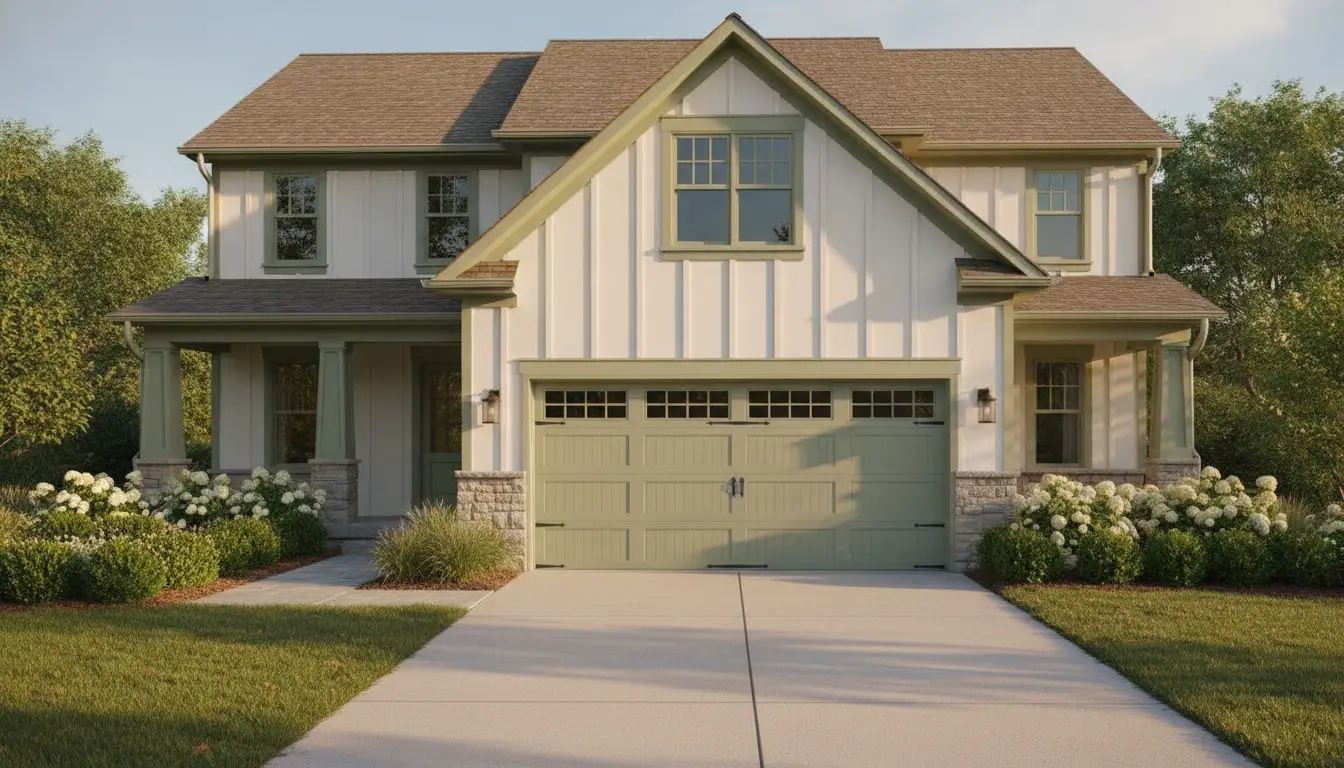
Craftsman architecture emphasizes natural materials, visible craftsmanship, and a strong connection to the landscape. Fence styles that work best here feel sturdy, handcrafted, and understated.
- Low wood picket fences or horizontal wood slats
- Mixed-material designs that incorporate stone or masonry posts
- Earth-toned finishes that echo porch columns or exposed beams
Contemporary & Modern Homes: Clean Lines and Minimalism
Modern architecture thrives on simplicity, balance, and restraint. The best fence ideas for front yard spaces in contemporary homes follow the same principles.
- Aluminum or steel panel fencing with sleek profiles
- Horizontal slats that mirror architectural lines
- Designs that prioritize openness, light, and negative space
Colonial & Traditional Homes: Symmetry and Structure
Colonial-style homes rely heavily on balance, proportion, and timeless appeal. Fencing should reinforce that sense of order rather than disrupt it.
- Classic white picket fences or evenly spaced vertical panels
- Wrought iron fencing for a refined, historic look
- Consistent heights and symmetrical gate placement
Farmhouse & Rustic Homes: Relaxed and Inviting
Farmhouse and rustic architecture lean into charm, simplicity, and approachability. Front yard fencing should feel open and easy rather than formal or imposing.
- Split rail or post-and-board fencing
- Simple wood designs with natural or lightly stained finishes
- Lower profiles that define space without creating barriers
Choosing the Right Fence Materials for Your Home’s Style
Fence material determines how your fence ages, how much maintenance it requires, and how well it continues to support your home’s architecture over time. The best choice balances visual compatibility with durability, climate, and lifestyle expectations.
Wood Fencing: Authentic Character That Requires Commitment
Wood fencing offers warmth, texture, and architectural authenticity that’s hard to replicate. It pairs naturally with craftsman, farmhouse, and cottage-style homes, especially when cedar or redwood is used.
Best for homeowners who value character over convenience:
- Rich, natural appearance that ages gracefully
- Requires regular staining or sealing
- Sensitive to moisture and temperature shifts
- Pressure-treated pine offers a lower-cost, rustic option
Vinyl Fencing: Consistency Without the Upkeep
Modern vinyl fencing delivers a clean, uniform look with minimal maintenance, making it a popular option for colonial and traditional homes. It mimics painted wood well while eliminating many long-term concerns.
Key advantages and trade-offs:
- Won’t rot, peel, or attract insects
- Performs well in wet or coastal climates
- Easy to clean and maintain
- Lacks the organic aging and texture of real wood
- Dark colors may fade unevenly in strong sun
Aluminum Fencing: Sleek, Durable, and Surprisingly Versatile
Aluminum fencing offers the elegance of wrought iron without rust, weight, or heavy upkeep. For contemporary and modern homes, its clean lines and slim profiles create structure without visual heaviness.
Why aluminum works across styles:
- Ideal for modern homes with horizontal or minimalist designs
- Can mimic traditional wrought iron for classic architecture
- Rust-resistant and low maintenance
- Better for decorative boundaries than high-security needs
Composite Fencing: The Emerging Middle Ground
Composite fencing blends wood fibers and recycled plastics to deliver the look of wood with far greater durability. It’s especially well-suited for transitional homes that mix modern and traditional elements.
|
Feature |
Composite Fencing |
|---|---|
|
Appearance |
Wood-like texture |
|
Maintenance |
Low (occasional cleaning) |
|
Durability |
High resistance to rot and insects |
|
Cost |
Higher upfront investment |
Composite is ideal for homeowners willing to invest more initially to reduce long-term upkeep.
Making the Material Decision
When comparing materials and understanding which option best supports your home’s design and environment, working with experienced fence installation professionals can help clarify the trade-offs between appearance, performance, and long-term value. Understanding cost considerations and proper installation techniques ensures your fence investment pays dividends for years to come.
Color Coordination: Making Your Fence Look Intentional
Color plays a surprisingly powerful role in whether a fence feels like a thoughtful design choice or an afterthought.
A few guiding principles can help narrow your choices:
- Match undertones, not exact shades. Warm homes pair best with warm wood stains or creamy whites, while cool-toned exteriors work well with grays, blacks, and crisp neutrals.
- Use contrast strategically. A darker fence can ground a light-colored home, while a lighter fence can soften a darker façade.
- Repeat existing accents. Drawing from window trim, shutters, or roofing colors creates visual continuity without overdoing it.
Height & Transparency: Finding the Right Balance
Fence height and visibility have a major impact on how your front yard is perceived. Too tall, and the home can feel closed off. Too low or too transparent, and the fence may lose its purpose entirely.
Front Yard Height Guidelines
For most homes, front yard fencing works best when it’s scaled to the architecture:
- Low fences (2–3 feet) create definition while preserving openness and charm.
- Mid-height fences (3–4 feet) offer more presence without overwhelming the home’s façade.
Local codes and neighborhood standards often dictate maximum heights, so those should always be checked before finalizing a design.
Privacy vs. Visual Flow
Not every home benefits from full privacy fencing in the front yard. Many architectural styles, especially modern, colonial, and craftsman look best when sightlines remain partially open. Slatted designs, spaced pickets, or mixed-material fencing can provide structure while still allowing the architecture to shine.
The most successful fence ideas for front yard spaces strike a balance between function and visual flow, enhancing the home rather than hiding it.
Common Fence Design Mistakes to Avoid
Even thoughtful homeowners can undermine curb appeal with the wrong fence. Avoid these common pitfalls to ensure your fence enhances your home’s architecture and lasts over time:
- Choosing trends over architectural style
- Overbuilding front yard fences
- Ignoring neighborhood context
- Overlooking long-term maintenance
A Fence That Completes the Home
The best fences enhance a home without overpowering it. By aligning fence style, materials, color, and scale with your home’s architecture, you create a cohesive first impression. The right choice isn’t trend-driven, it’s about harmony, balance, and timeless curb appeal.