5 Backyard Design Tips Inspired by Nature and Architecture
Backyards sit at a junction between the home and the outdoors, shaped by both but often guided by neither. Architecture offers structure and proportion, while nature brings texture, movement, and seasonal change.
When these influences meet, outdoor areas start to feel well-connected. Everything from plant choices to material selection can make the backyard feel more homey. Let’s look at a few backyard design ideas that make the space blend well into the surrounding environment.
Let Structure Guide the Layout
Architecture already solves problems around balance and proportion, so it makes sense to borrow those ideas outdoors. Observe how the house organizes space. Pay attention to wall lines, window spacing, roof angles, and entry points. These details guide where paths run and how zones relate to one another.
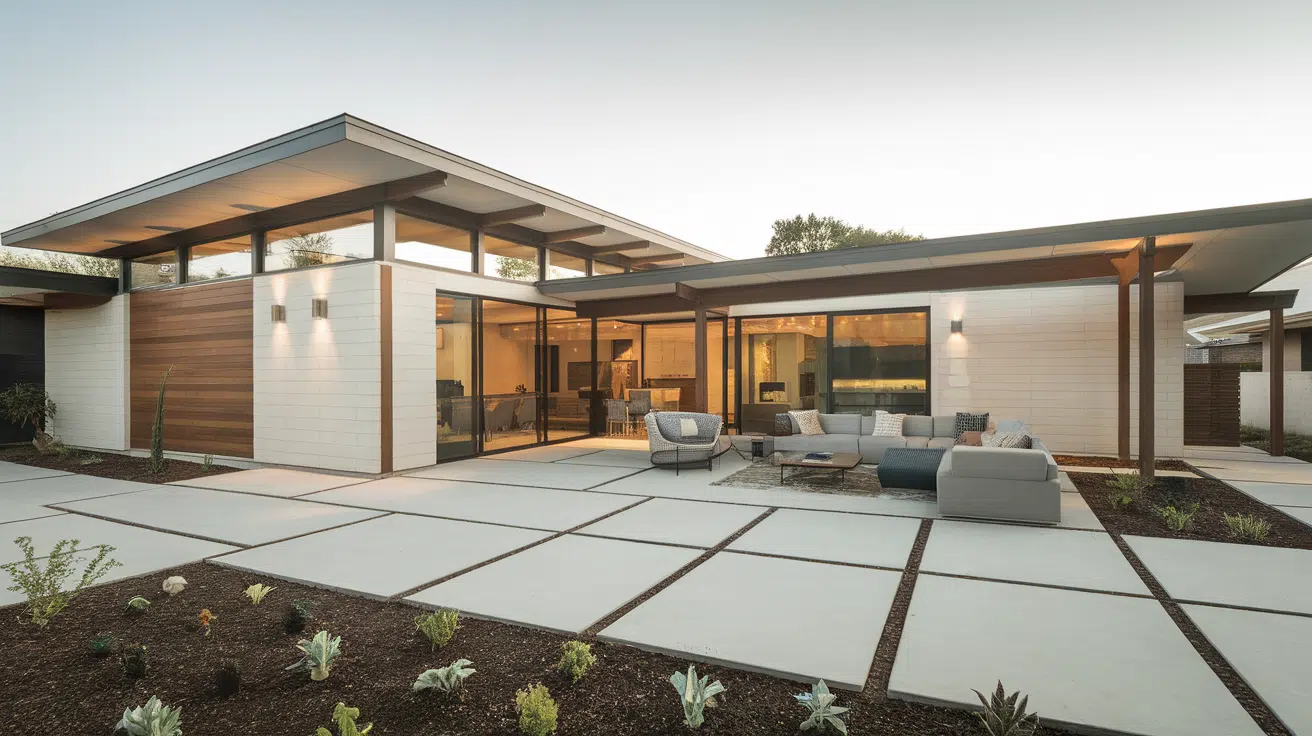
For example, use rectangular paving to mirror the footprint of your home. Low walls can follow the exterior lines, and steps in your backyard can align with sightlines and doorways. This way, you separate thoughtful outdoor planning from scattered updates and give creative landscaping for homes a sense of direction.
Use Natural Materials
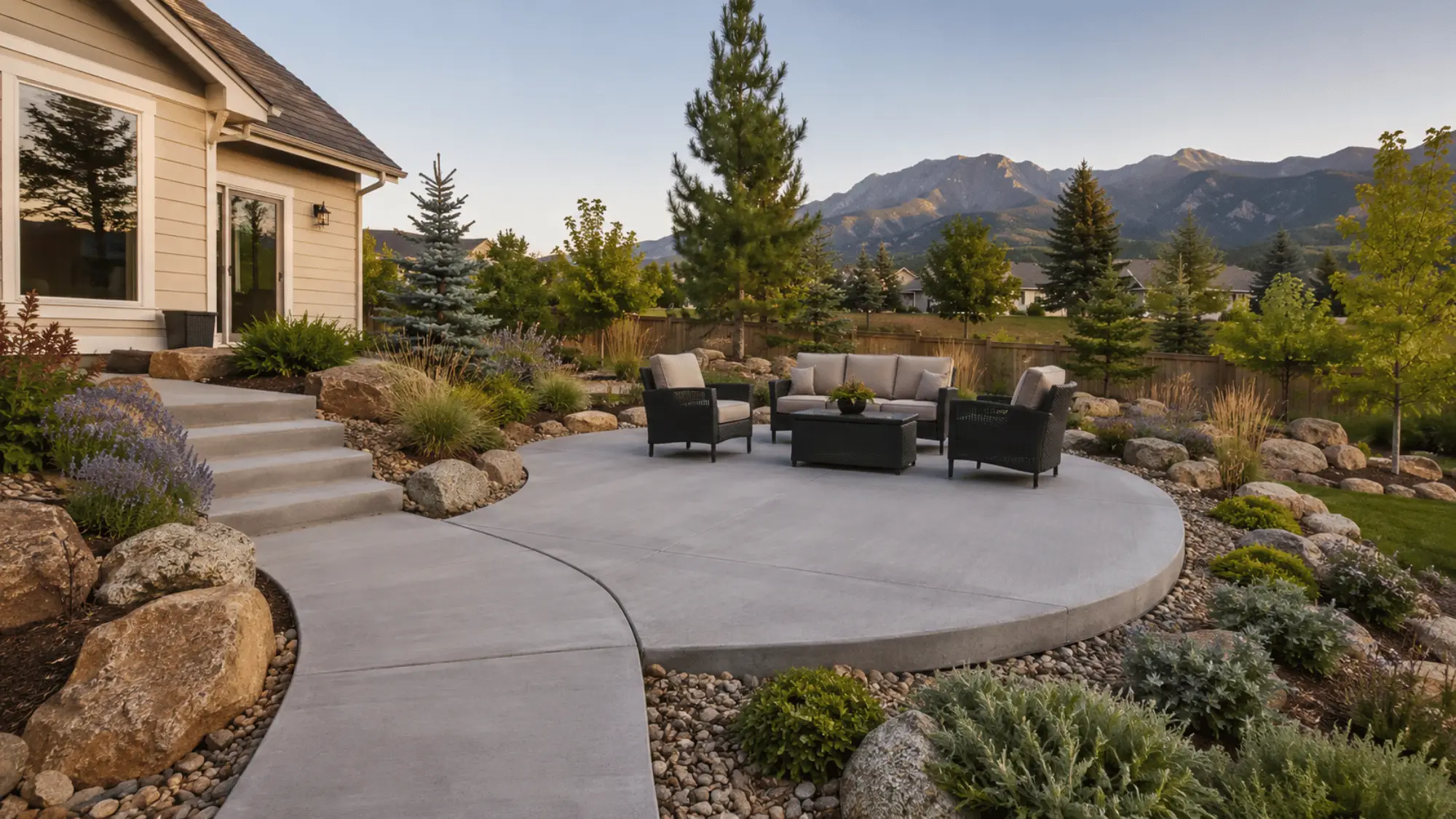
Material selection is one of the first things you do when preparing for a landscaping project. Natural materials, like stone, timber, and gravel, bring a lot of texture into your space while keeping it grounded.
If you have a brick house, pair it with warm stone outside. Homes with lighter finishes can handle pale wood or concrete quite well. The idea is to create variation. For example, use rough materials next to smooth ones and matte beside lightly polished. Straight edges can be softened by organic shapes.
However, avoid bulking up on too many materials as it can overwhelm the space. Focus on a tight group of materials and repeat them across paths, seating, planters, borders, and other parts of the backyard. The repetition will make the whole design feel well-thought-out.
Design With Light and Shadow in Mind
Light is a big part of architectural design, and outdoor areas deserve the same attention. Sun angles change throughout the day and across the year, which makes lighting choices and placement an important part of backyard design. Observe where morning light lands and where afternoon heat builds. Trees and pergolas can help manage exposure without blocking the view entirely. Here are some lighting ideas:
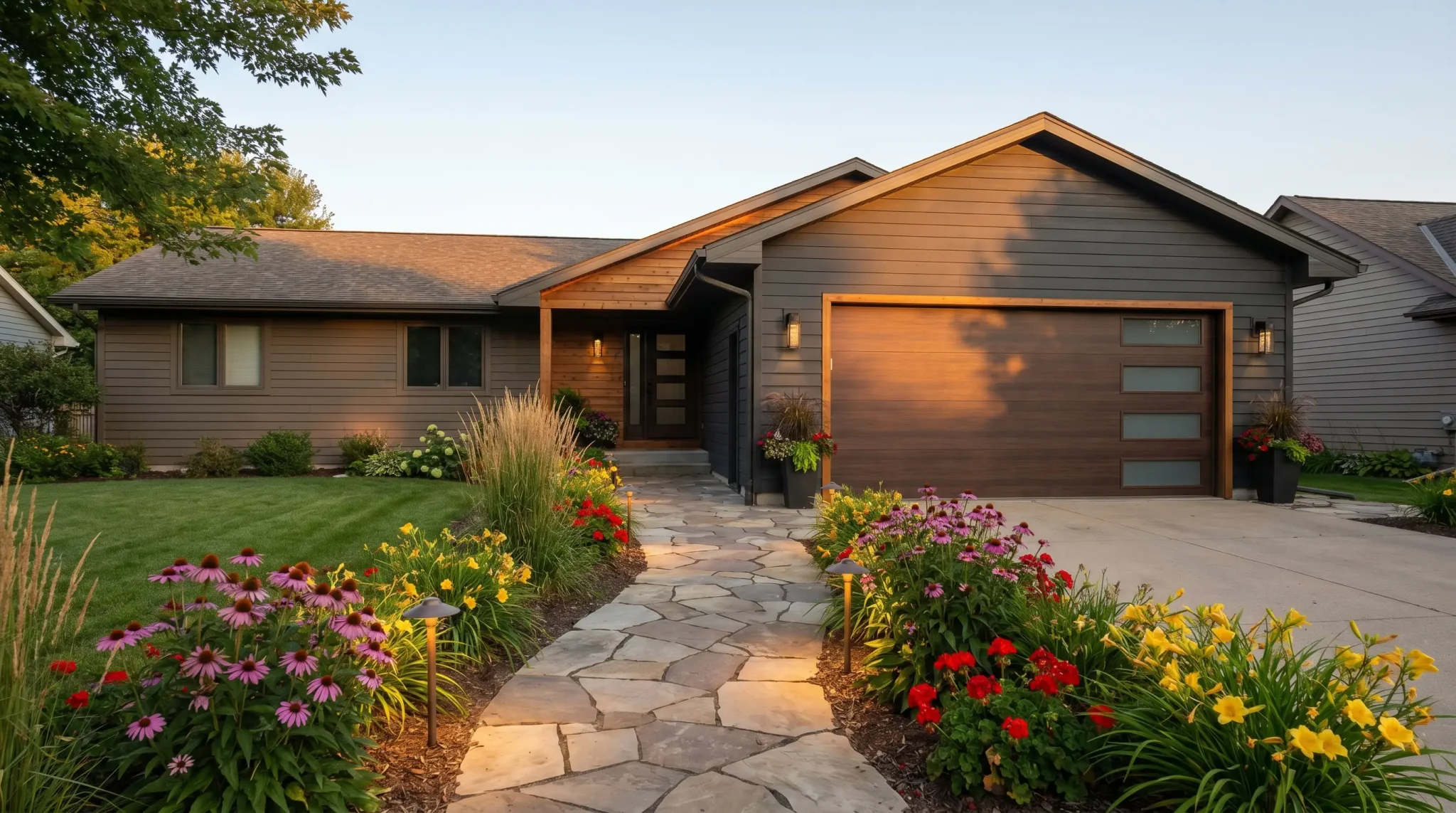
- Low path lights that follow walkways
- Wall-mounted fixtures to echo exterior sconces
- Soft uplighting near trees or textured surfaces
- Subtle step lighting for safety
This planning supports landscaping through the seasons since light needs change as days grow shorter or longer.
Blend Planting With Architectural Form
Where you put plants in your backyard should be intentional, too. Group plants by height and shape rather than mixing too many varieties. Tall plants echo vertical lines from walls or fences, while lower plantings can soften corners or trace edges.
Just make sure you think about growth patterns early. Some plants spread widely while others grow upward. Check the mature sizes of the plants you’re planning to add to your space so that the area does not feel crowded later.
Keep seasonal changes into consideration. A mix of evergreen structure and seasonal interest keeps the yard from feeling bare during colder months. The following planting strategies work quite well:
- Plant linear rows along paths or walls.
- Repeat clusters to reinforce a pattern.
- Layer plant heights near seating areas.
- Frame the nicer views in your backyard with natural groupings of plants.
Create Flow Between Indoors and Outdoors
The most awe-inspiring outdoor spaces feel like an extension of the home, and this connection starts right at the doors and windows. Align floor heights so stepping outside feels natural and not abrupt. If raising or lowering surfaces is not possible, use a wide step that matches the interior flooring depth.
Large sliding or folding doors work best when panels stack fully aside, and frames stay minimal. The opening should line up with a main seating area outside, not a grill or a storage wall. Match tones rather than textures. A light wood floor inside can pair with pale stone or concrete outdoors. Keep grout lines similar in width so surfaces feel related. Here are some rules that make your space usable:
- Maintain walk paths at least 36 inches wide.
- Place seating within 10 to 15 feet of the door.
- Use lighting with the same color temperature inside and out.
- Choose furniture heights that match indoor seating heights.
These choices support daily use across seasons without forcing constant rearrangement.
Endnote
A backyard that follows the tone set by the surrounding natural elements and architecture feels intentional because it follows logic that already exists. These outdoor areas feel connected and usable, regardless of the season.
Good backyard designs don’t chase trends, but pay attention to what is already there and build from it. When structure and nature work together, the space feels easy to use and worth returning to.