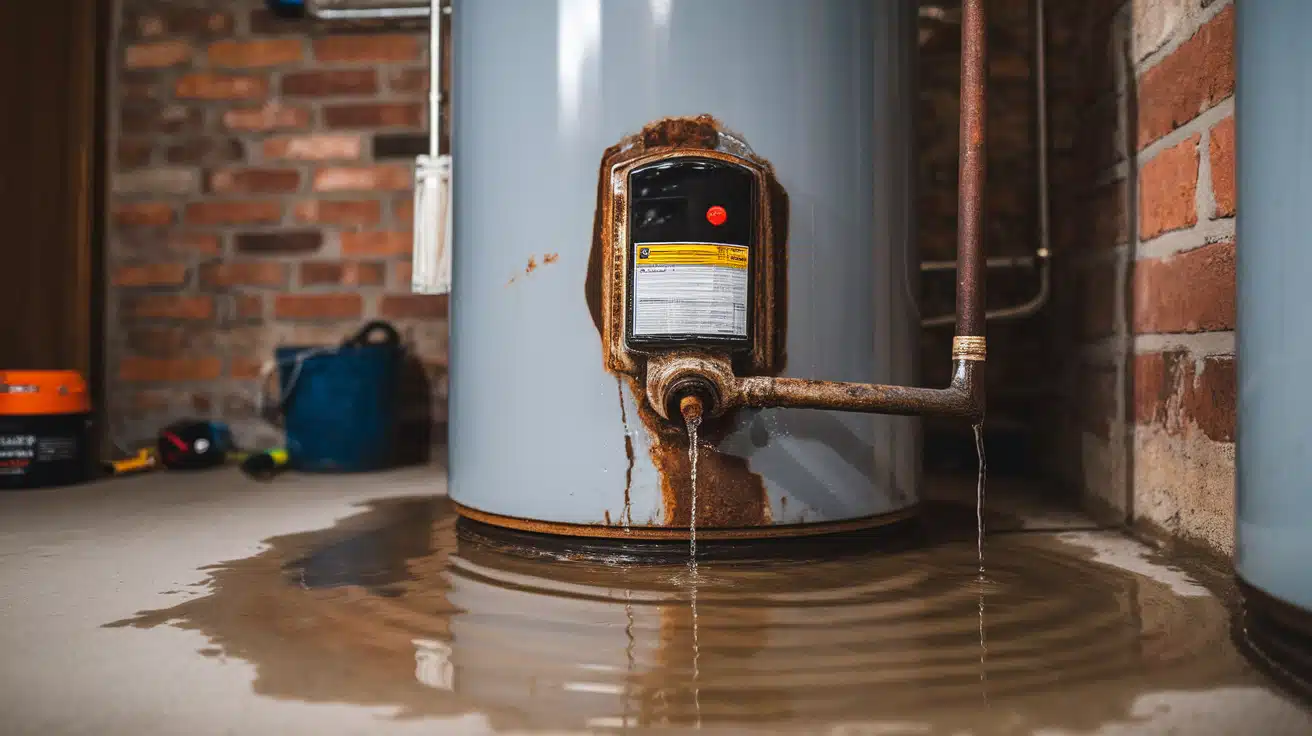
Structural Surprises That Stop Closings Cold
Ever thought you found the one—the house that checks every box—only to watch the deal fall apart days before closing? It happens more often than most buyers (and sellers) expect. One minute, everything looks set. The next, an inspection reveals the kind of problems you can’t patch up with fresh paint and a scented candle.
In today’s real estate climate, confidence is currency. Rising interest rates and tighter lender standards have made buyers more cautious than ever. A strong offer doesn’t mean much if a crumbling crawl space or leaking attic sends the buyer running. This is especially true in fast-growing markets like Graham, Washington, where buyers are eager but expect quality. They’re not paying premium prices for surprise repairs—and neither are their banks.
In this blog, we will share how structural issues stop closings in their tracks, why timing and transparency matter, and how to avoid deal-killers like roof damage before they put your contract on ice.
When Good Homes Fail Badly at Inspection
Everything can be perfect on paper. The offer, the appraisal, even the buyer’s financing. But the moment the inspector walks in with a flashlight and finds signs of deeper issues, the whole thing shifts. Structural surprises don’t give you a second chance.
Foundational cracks, wood rot, drainage problems—these are red flags that can’t be brushed aside. But nothing torpedoes a closing quite like a roof in bad shape. It doesn’t even need to be visibly falling apart. One soft spot or a few missing shingles can start a chain reaction: lender hesitation, buyer doubt, insurance headaches.
That’s why anyone preparing to sell should consider contacting a reliable Graham roof replacement company before putting their home on the market. Waiting until an inspection reveals the damage only adds pressure and delays. Fixing the problem in advance shows buyers—and lenders—that the home has been maintained with long-term value in mind.
Pretty Doesn’t Mean Safe
Modern homes are dressed to impress. Staged furniture, new countertops, fresh trim—it’s easy to assume everything’s in order. But more sellers are investing in what shows well instead of what matters most. And buyers often don’t realize until the inspection that their “move-in ready” dream home has a sagging roof, outdated electrical wiring, or sinking subfloor.
It’s not always intentional. Some homeowners don’t know the issues are there. Others genuinely think minor signs of damage aren’t worth mentioning. But when the inspection report lands, so does the reality check.
A house doesn’t need to be falling down to lose a buyer. It just needs to show signs that the next five years will be a constant repair cycle. And if a buyer feels like they’re being handed someone else’s problems, they’ll pull out, even if it costs them earnest money.
The Lending Gap Gets Wider with Damage
Banks are no longer in the business of gambling. With loan defaults still fresh in industry memory and housing prices cooling in some areas, lenders are tightening their standards. If an inspection finds structural problems, most banks will either delay funding until the repair is complete or require proof of a licensed fix before closing.
That’s a problem if you’re already working on a tight timeline. Maybe your seller needs to relocate for work. Maybe the buyer’s rate lock is expiring. Either way, one surprise in the attic or under the roofline can push everything past the breaking point.
Smart sellers don’t wait for the inspector to play bad cop. They invest in pre-inspections, take care of known issues, and come to the table with receipts. Transparency builds trust. And trust makes the difference between a smooth escrow and a dead deal.
Buyers Want Peace of Mind, Not a Project
It’s tempting to think you can offer a discount and keep the deal alive. But most buyers today don’t want a fixer-upper—even if the price is right. They’re already stretching their budgets to meet higher rates, tighter inventory, and inflated insurance costs. The last thing they want is to move in and spend their first year chasing leaks and permits.
Especially first-time buyers. They’re not coming in with tools and trade knowledge. They’re hoping for stability. A major repair feels like a trap, not a negotiation point.
This is why structural surprises stop closings cold. They make the house feel unsafe. Uncertain. Not worth the risk.
Cash Buyers Aren’t Always Your Backup Plan
Sellers often think that if a traditional deal falls through, a cash buyer will swoop in. But cash doesn’t mean carefree. Investors are ruthless. They see a cracked foundation or water-stained ceiling and immediately start calculating how low they can go on the offer.
A property with obvious structural issues becomes a bargain—or a pass. Investors might offer fifty cents on the dollar, or they might disappear after their own inspection. Either way, it’s not the safety net sellers think it is.
If you want to attract serious offers, you have to take care of serious problems before they become headlines in the inspection report.
How to Avoid the Pitfalls Before the Deal Dies
If you’re a seller: get your house looked at by professionals before it ever hits the market. Focus on the big-ticket systems—roof, foundation, HVAC, and plumbing. These are the areas that trigger most walkaways.
If you know something’s broken, fix it properly. Not with a patch. Not with a YouTube tutorial. Hire licensed pros. Keep records. Show buyers that you didn’t cut corners.
If you’re a buyer: don’t get blinded by staging. Bring in your own inspector, and don’t skip the fine print. Look for water stains, gaps in trim, uneven floors, and signs of DIY repairs. They often lead to bigger problems.
The bottom line? Closings fall apart when trust erodes. And nothing erodes trust faster than discovering the roof is shot, the support beams are soft, or the basement is a seasonal pond.
The best deals don’t survive because everything was perfect. They survive because the important things were solid. Because someone took care of the problems that mattered. And because nobody had to find out about them the hard way.