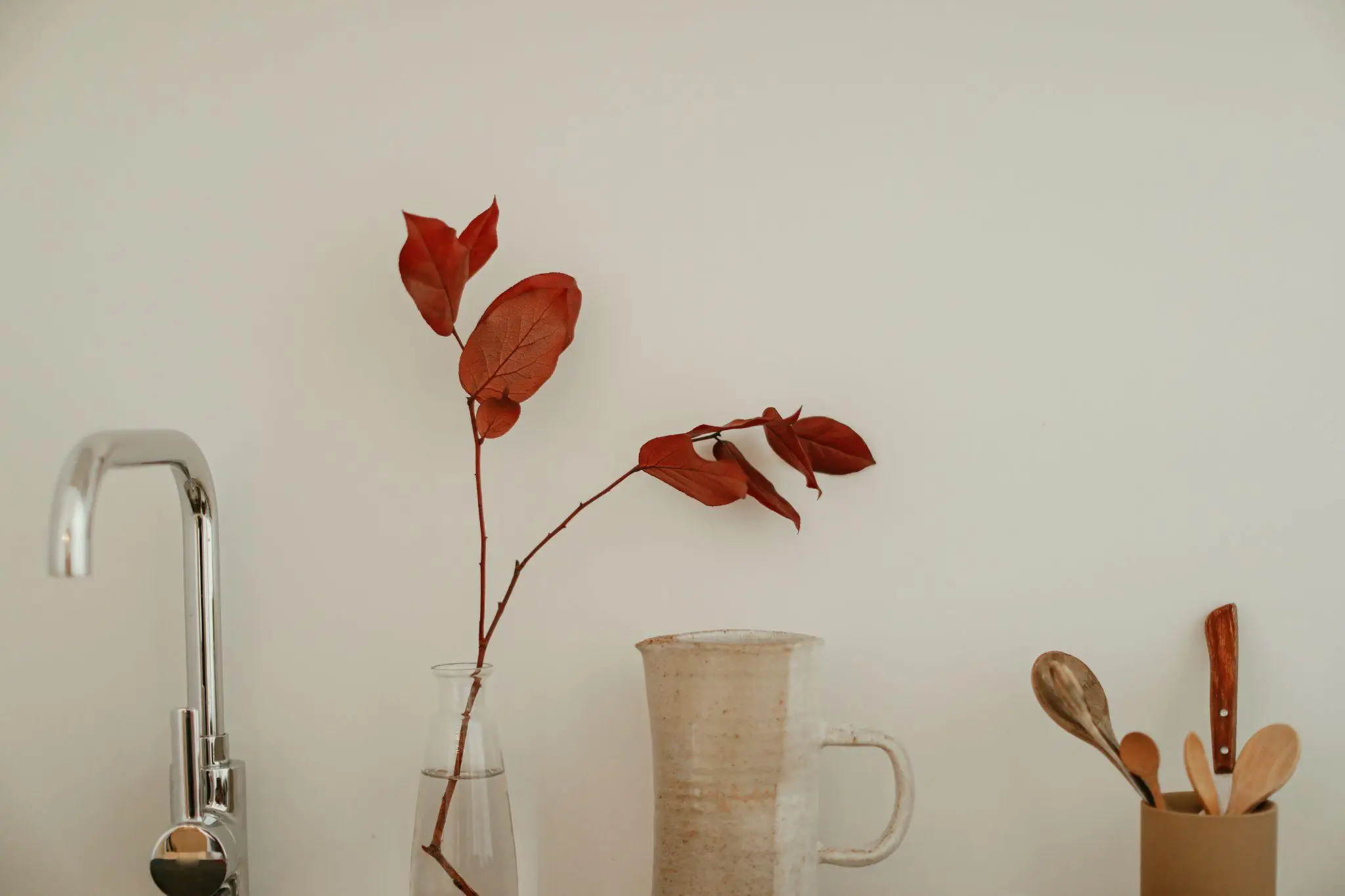
Red Bedrooms and Sleep: Mood, Myths, and Real Effects
Red is a bold, emotional color often tied to passion, intensity, and a certain sense of luxury.
I’ve always noticed how this shade can shift the energy of a room so quickly, but I’ve also questioned whether it influences how well we sleep.
For some, red feels stimulating and strong, while for others it carries warmth and security. That contrast raises an interesting thought: does red disrupt rest, or can it actually support it when balanced in the right way?
When I look at luxury red and black bedroom designs, the role of color psychology and its effect on sleep feels even more important, as both mood and rest come together in shaping the space.
The Psychology of Red in Interior Design
Red has long been seen as a stimulating shade, symbolizing passion, energy, and power. In interiors, it can instantly draw attention and create a vibrant atmosphere, which is why it often shows up in dining and social spaces.
Research on red in daily environments suggests that it heightens alertness and raises heart rate, linking the color closely to activity rather than relaxation.
While this intensity can make a room feel dramatic or luxurious, it also explains why some people struggle with red in bedrooms.
In contrast, softer hues like blue and green are usually tied to calmness, balance, and restfulness. These cooler tones naturally align better with the goals of a sleep space, encouraging peace instead of stimulation.
Common Myths About Red Bedrooms and Sleep
When it comes to bedroom design, red often attracts strong opinions. Many of these ideas come from assumptions rather than how color psychology truly works in interiors.
Myth 1: Red Always Prevents Good Sleep.
Fact: Sleep quality is influenced more by lighting, textures, and overall design than by color alone. Deeper reds can even feel grounding rather than disruptive.
Myth 2: Red Walls Automatically Make a Room Feel Claustrophobic.
Fact: In reality, red walls don’t always make bedrooms feel tight; as explored in our guide on whether red walls make small bedrooms bigger or tighter, the effect depends on shade and balance.
Myth 3: A Red Bedroom Will Always Feel Aggressive.
Fact: Bright scarlet tones may feel intense, but muted or darker reds often create a cozy and intimate atmosphere.
Myth 4: Red Overwhelms Luxury Design Schemes.
Fact: Red augments luxury when paired with black, gold, or muted neutrals. Proportion and balance matter more than the color itself.
These myths show that red in bedrooms is not as one‑dimensional as it’s often portrayed.
Its impact depends on the tone, how it’s paired with other colors, and the overall design choices, rather than the color itself dictating whether a space feels restful or overwhelming.
Real Research: How Red Affects Rest and Mood

Red is a complex color in relation to rest and emotional response. Scientific studies show that red light influences physiological and psychological states, impacting heart rate, alertness, and mood.
This research helps clarify how various shades and uses of red affect sleep quality, especially in bedroom settings.
1. Red and Physiological Stimulation
Research on red light shows it can increase alertness and heart rate, making it stimulating for some individuals.
A study showed that one hour of red light before bed raised alertness and anxiety in insomniacs, disrupting sleep onset, fragmenting sleep, especially REM sleep linked to emotional regulation (Pan et al., 2023).
However, red light has less effect on melatonin suppression compared to white or blue light, making it less disruptive to the circadian rhythm overall.
Another study on female athletes found red-light therapy improved sleep quality and melatonin levels, suggesting red light’s potential benefits in certain contexts (Zhao et al., 2012).
2. Warm vs. Muted Shades of Red
The shade of red matters greatly. Bright crimson reds are generally more arousing and can elevate mood and heart rate, which might not support restful sleep.
In contrast, muted shades like burgundy feel more calming and cozy, which can help create a grounding, intimate space.
This deeper tone is less likely to cause the negative emotional or physiological responses linked to brighter reds, allowing for a more balanced ambiance.
3. Red as an Accent vs. Dominant Color
Using red as an accent rather than a dominant color tends to lessen any stimulating effects in the bedroom.
Small touches of red, such as cushions, artwork, or accessories, add warmth and energy without overwhelming the senses or disrupting sleep patterns.
When red dominates a room, the potential for heightened alertness and emotional response increases, which can complicate achieving restful sleep.
Understanding these factors can help in designing bedrooms that combine red’s emotional appeal with a restful atmosphere.
Tips to Make Red Bedrooms Sleep-Friendly
Red can be a striking choice for a bedroom, but balancing its boldness is key to keeping the space restful.
Here are some practical tips to make red bedrooms more sleep-friendly:
- Balance red with neutral tones like black, beige, or gray to soften its intensity and create calming contrasts.
- Use red as an accent color on a single wall, bedding, or décor rather than painting the entire room to avoid overwhelming the senses.
- Layer textiles such as curtains, rugs, and cushions in varying shades and textures to soften red’s boldness and add cozy warmth.
- Incorporate natural elements like plants or wood tones to bring grounding, organic balance to red’s energetic presence.
- Opt for warm, muted reds over bright crimson shades to support a soothing and intimate bedroom atmosphere.
Balancing red with these design approaches allows a bedroom to harness its rich energy while promoting relaxation and sleep. These techniques turn bold red into a comforting backdrop without sacrificing style or mood.
Wrapping It Up
I’ve learned that red can be a powerful, passionate choice for bedrooms without sacrificing restfulness. It all comes down to shade, balance, and thoughtful design.
Layering muted reds with neutrals and using red as accents instead of full walls creates a calming, luxurious space. Soft textiles and natural elements soften bold tones, keeping the room cozy and inviting.
Ultimately, red doesn’t have to be a sleep disruptor; it can uplift mood and create warmth when handled well.
I’m curious to hear how red has influenced your bedroom style or rest. Feel free to share your experience in the comments below.