
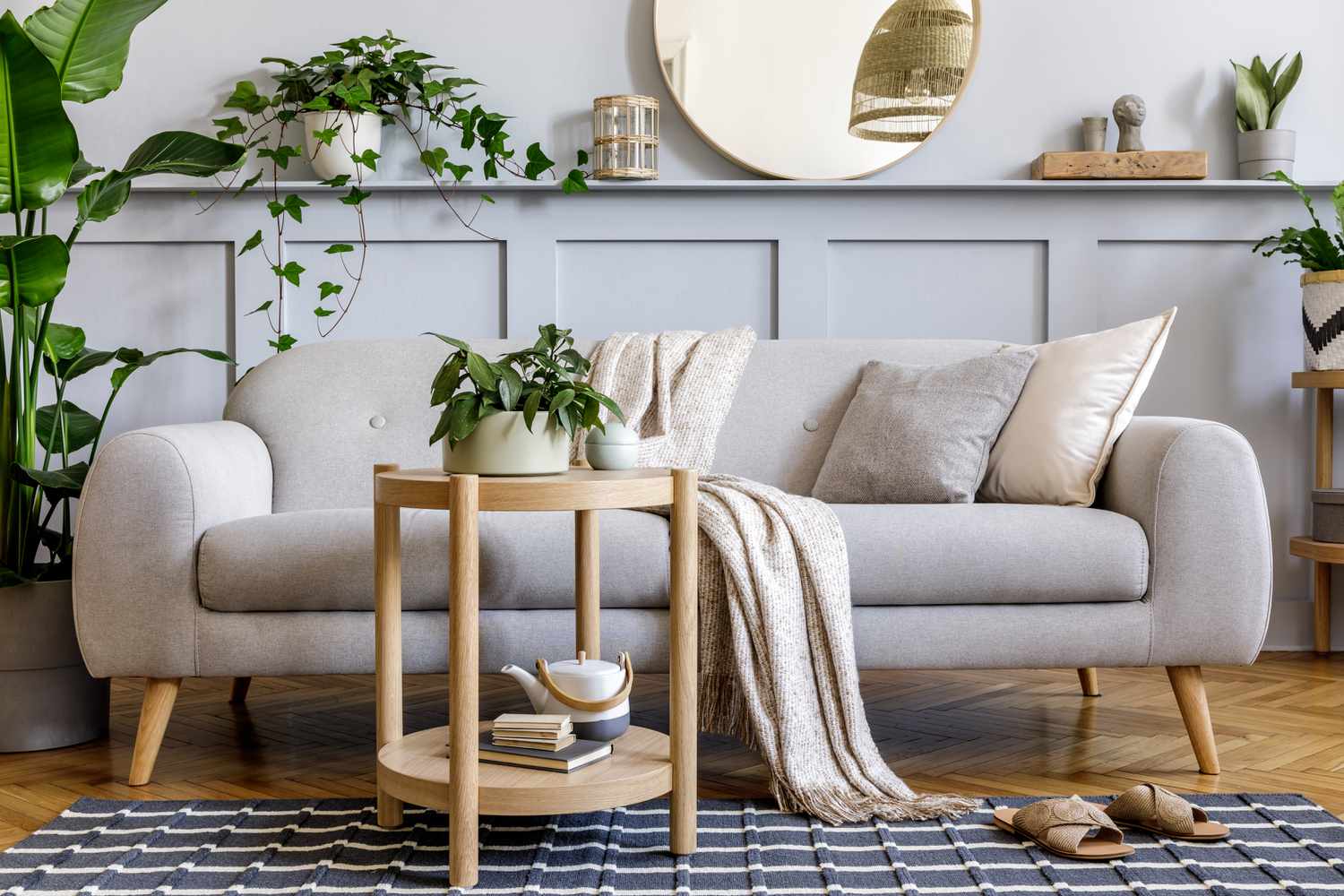
How Small Apartment Design Ideas Can Maximize Your Space & Appeal
Small square footage isn’t the problem. Visual chaos is. The right mix of layout decisions, lighting, and a few hardworking pieces will make a studio feel intentional and a one-bed read generous. The goal isn’t to cram more in—it’s to make what you keep do more.
Plan the Flow First: Zones, Scale, and Sightlines
Start with the path you actually walk. Where do you drop keys? How do you move from the door to the kitchen, the sofa, the bed? If furniture blocks that natural flow, the apartment will feel cramped no matter how pretty it looks. Float pieces off the walls to define zones—sofa plus chair for conversation, a narrow console behind the sofa for entry catch-all, a small table that can swing between dining and desk. You’re drawing lanes for the eye and for feet.
Scale is your next lever. One well-sized sofa usually beats a loveseat plus two small chairs. Same idea in the bedroom: a full or queen with a slender frame and tall headboard reads bigger and more restful than a bulky storage bed that dominates the footprint.
If you’re mid-search and want a sanity check on neighborhoods, layouts, and how to prioritize square footage vs. light, a concise apartment search guide can help you narrow the options before you start furnishing. Use it to think through where a flex wall, daybed, or drop-leaf table might matter most.
Sightlines are the quiet trick. Keep the tallest items (bookcases, wardrobes) against the farthest wall in each zone so the room “opens” as you step in. Use a single large rug to anchor a seating area rather than multiple small ones that chop the space. And when in doubt, leave a clean line of floor visible; open floor equals open feeling.
Light and Color: Make the Small Feel Spacious
Light is the cheapest way to “add” square footage. Stack layers: an overhead on dimmer for general wash, two table lamps for mood, and a task lamp for reading or prep. Unify color temperature so the apartment doesn’t bounce between yellow and blue; DOE guidance on color temperature and lumens suggests warm white (roughly 2700–3600K) for living areas, which photographs well and feels calm. If a room has one small window, put a mirror opposite to double the daylight and place a lamp near the reflection to fake a bigger source.
Color should support the light. A restrained base palette—think mid-tone neutrals—keeps walls and bigger pieces cohesive, while accents (art, pillows, a throw) add personality without visual weight. If your rental forbids paint, use texture instead: a nubby throw on the bed, linen curtains hung high and wide to make the window look larger, a single oversized canvas to pull the eye up.
Reflective and translucent materials do quiet work. A glass or acrylic coffee table keeps the floor visible, and matte metal lamps read modern without shouting. Gloss paint on a low cabinet or a lacquered tray on an ottoman throws back just enough light to feel lively at night.
Storage That Disappears: Vertical, Under, and In-Plain-Sight
Start vertical. A bookshelf mounted high leaves room below for a low dresser or bench. In the kitchen, a magnetic strip for knives and a slim rail for utensils free drawer space and make prep feel professional. Over-toilet cabinets in the bath can be slim and still swallow linens, and a framed mirror with hidden shelves turns a tiny vanity into honest storage.
Under-everything counts. Roll-out bins beneath the bed, lidded baskets under a console, and flat boxes under the sofa swallow seasonal clothes and hobby gear. If you buy a bed, look for high clearance or choose a simple metal frame and a tailored skirt; the storage is there, but you’re not staring at it. In the living area, a storage ottoman beats a coffee table in most small apartments—one piece for feet, trays, blankets, and board games.
Then style the storage you can’t hide. Open shelving should hold fewer, larger items: a stack of cookbooks, a handsome pot, a single plant. In the closet, matching slim hangers and a clear color gradient make even tight rods feel intentional. It’s not for Instagram; it’s for your brain. Order reduces decision fatigue, and tidy storage prevents the “overflow” that steals surfaces from everyday life.
Furniture That Works Overtime: Transform and Tuck
Think transformable, not just tiny. A drop-leaf table rotates from console to two-top dinner to four-top hosting. A daybed with a real twin mattress serves as sofa by day and guest bed at night; add a bolster and two 22-inch pillows so it sits like a lounge. A nesting table pair gives you surfaces for snacks and laptops, then stacks out of the way.
Choose slender legs or wall-mounts. Sofas and credenzas with visible floor underneath read lighter; wall-mounted shelves or nightstands free up square inches and simplify sweeping. If you’re short on depth, look for shallow wardrobes (18–20 inches) and visually quiet finishes—wood grain that runs horizontally on low pieces can make a narrow room feel wider.
Edit what you bring in. One special chair, a bold piece of art, or a dramatic pendant can carry personality for the whole place. Too many “statements” cancel each other out and shrink the room. When you add something new, ask what it replaces. If the answer is “nothing,” you’re probably crowding yourself.
Kitchen and Bath: Clean Lines, Honest Function
Kitchens in small apartments win on clarity. Clear counters down to the items you use daily, then corral them on a tray to keep the surface looking wide. If appliances don’t match, make them equally spotless and let the story be layout, not brand. Put a shallow shelf by the stove for oils and salt so prep feels efficient; swap tired hardware for something simple that photographs well and resells easily when you move.
In the bath, scale matters. A curved shower rod adds shoulder room, and a neutral curtain pulled tight after use makes the room feel wider. Upgrade the mirror to a larger rectangle or a pill-shape that hits close to the ceiling; lifting that line adds height. If you can’t paint, a new rug and towels in one tone calm the space and hide odd tile without pretending it isn’t there.
Styling With Restraint: Layers, Not Clutter
Curate surfaces like you’d edit a sentence. One stack of books, one object with character, one plant. That’s enough. On the bed, neutral base linens plus a textured throw beat six pillows you have to wrangle every night. In the entry, a bowl for keys and a wall hook for a tote keep the drop zone tidy so mess doesn’t bleed into the living area.
Plants do double duty: they bring life and act as soft dividers between zones. Choose one taller specimen to lift the eye (a ficus, olive, or dracaena in a light pot), then a trailing vine on a high shelf to balance it. Keep planters in a single material family so the composition feels calm.
Finally, be honest about hobbies. If you play guitar, hang it. If you paint, a tidy easel in the corner with a small cart looks intentional and keeps the coffee table clear. Real life reads better than generic “decor,” and it’s easier to maintain.
Photo-Ready, Every Day: Routines That Keep the Look
A small apartment looks big when it’s easy to reset. Give yourself a two-minute morning routine (make the bed, open blinds, turn a lamp on low) and a five-minute evening routine (wipe counters, empty the drying rack, return remotes to the tray). The payoff isn’t aesthetic alone; it’s psychological. You start and end in a space that’s ready for you.
When hosting, slide a chair to widen the conversation zone and pull the rug straight so the room photographs square in guests’ stories. Put a small carafe and two glasses on the nightstand if someone’s staying over. The same layout rules apply: clear paths, anchored zones, consistent light.
If you’re moving soon, stage for photos like a listing: lead with the best angle in the living area, then the kitchen, then the bedroom. Lamps on, drapes open, cords hidden. Good pictures don’t just impress other people—they remind you what “reset” looks like when the week gets busy.
Conclusion
Maximizing a small apartment isn’t about buying miniature everything. It’s about flow you can feel, light that flatters, storage you don’t see, and furniture that earns its floor space. When you plan the path, unify the glow, and edit with purpose, the place stops feeling cramped and starts feeling like a home you can breathe in.


