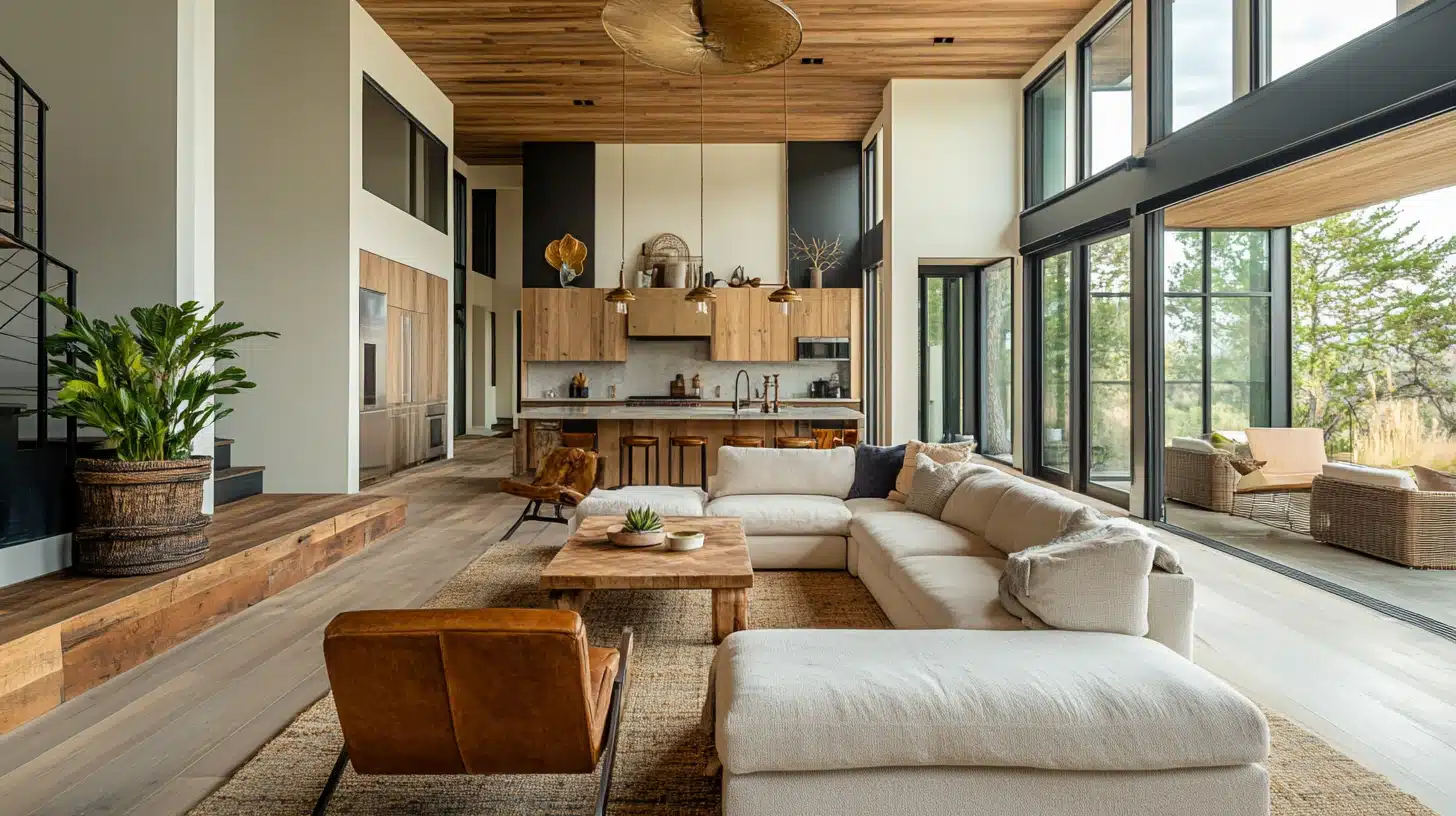
Essentials for Hosting a Successful Event in Your Living Space
How many times have you agreed to host a gathering, only to panic later when you notice how small the space feels compared to the guest list? Throwing an event at home can feel exciting in theory, but it quickly becomes a test of planning, flexibility, and knowing when to adapt. In this blog, we will share the essentials for hosting a successful event in your living space.
Setting the Stage for Comfort
Before sending invitations, the first step is to evaluate how your space will handle both people and activities. Seating is often the biggest hurdle since most homes are not designed for hosting large groups. Moving furniture strategically helps open pathways, and borrowing or renting folding chairs avoids the awkwardness of guests hovering without a place to sit. Lighting deserves equal attention, since harsh overhead bulbs rarely create the atmosphere you want. Floor lamps, string lights, or even candles shift the mood while guiding guests through different areas.
Food and drinks anchor most gatherings, yet their setup often determines whether the night runs smoothly or turns into constant interruptions. A buffet or designated food station keeps traffic flowing, while a self-serve drink table avoids bottlenecks around the refrigerator. However, events are not just about what you provide but also about how well you prepare for the unexpected. Power outages, now more frequent with storms and aging infrastructure, can derail a party in seconds. Installing whole home generators is one of the most practical safeguards because it keeps lights, appliances, and even heating or cooling running without disruption. Guests remain comfortable, food stays safe, and the event carries on without anyone fumbling for flashlights. Professional installation makes the process straightforward and provides long-term reliability. Few investments are as noticeable to guests as uninterrupted comfort when everything else in the neighborhood goes dark.
Managing Flow and Energy
A successful event often feels effortless to guests, yet that illusion comes from carefully managing how people move through the space. Positioning food, drinks, and seating in separate zones spreads the crowd and reduces congestion. Music also guides flow—upbeat playlists encourage mingling early, while softer background tunes later make conversation easier. Testing the volume before guests arrive prevents the constant adjustments that break rhythm throughout the night.
Temperature plays an underrated role as well. With a room full of people, the environment heats quickly, making ventilation essential. Cracking windows or running fans can help, but for larger groups, adjusting the thermostat before guests arrive works better. This keeps the atmosphere comfortable from the start rather than scrambling once the room already feels too warm.
Keeping the Details Practical
Good hosts anticipate what guests will need before they ask. Small touches like extra trash bins, clearly visible restrooms, and stocked hand towels keep people from interrupting the host mid-conversation. In colder months, a designated coat area avoids clutter piling near the door. In warmer months, accessible water stations encourage hydration without everyone crowding the kitchen.
Technology now plays a surprising role in events. Smart speakers handle playlists without constant phone interruptions, while portable projectors transform plain walls into backdrops for slideshows, movies, or even sports games. These tools create shared experiences without demanding extra effort from the host. Still, keeping backup chargers handy ensures that nobody is scrambling to keep devices alive midway through the night.
Food and Drink Strategy
Hosting success often depends less on what you serve and more on how it is served. Finger foods and small plates allow guests to circulate freely instead of balancing heavy dishes. Preparing as much as possible in advance reduces stress during the event itself, letting you spend time with guests rather than staying tied to the kitchen.
Drinks benefit from simplicity. A signature cocktail prepared in pitchers, along with water and a basic selection of beer or wine, covers most preferences without turning the host into a full-time bartender. Labeling drinks or placing garnishes nearby adds convenience without fuss. For longer events, stocking plenty of non-alcoholic options keeps the energy balanced and prevents anyone from feeling left out.
The Role of Current Trends
Recent years have reshaped the way people think about gatherings at home. Rising costs for dining out and the growing interest in personal connections after long stretches of isolation have made home-based events more appealing. Social media has also influenced expectations, with guests often arriving ready to photograph every detail. This shift pressures hosts to balance authenticity with presentation, making thoughtful setups more important than extravagant displays.
Another noticeable trend is sustainability. Guests appreciate compostable plates, reusable glasses, and local food options, not just for aesthetics but also for aligning with broader values around reducing waste. Even energy efficiency ties into hosting, as people take note of how homes adapt to modern concerns about climate and reliability. Hosting today is no longer just about entertainment; it also reflects how households respond to social and environmental challenges.
Handling the Unexpected
No matter how carefully you plan, surprises happen. A sudden storm may force everyone indoors, or a shortage of ice could derail drink service. Having a backup plan for activities, seating, and even parking prevents small issues from growing into frustrations. Borrowing coolers, arranging overflow parking nearby, or preparing an indoor game or activity keeps momentum alive when circumstances shift.
Communication also matters. If food runs later than expected, announcing a quick timeline keeps guests patient rather than restless. If you need to adjust the schedule—say, moving dessert earlier to cover a delay in entertainment—most people will adapt as long as they feel informed. Calm hosts set the tone, and your composure often matters more than the hiccup itself.
Building Lasting Connections
At the heart of any event lies the chance to connect. Too often, hosts get caught up in logistics and forget to engage with the very people they invited. Delegating small tasks to friends, like monitoring the music or refilling appetizers, frees you to participate fully. Guests notice when the host is present, and that presence creates the real memories of the evening.
Games, shared stories, or even casual group introductions help break barriers for guests who may not know each other well. Setting aside space for smaller conversations also helps, as not everyone thrives in the main crowd. In the end, the event succeeds when people leave feeling included, comfortable, and eager to return.
Hosting an event in your living space reflects both preparation and adaptability. Balancing comfort, flow, food, and atmosphere requires planning, but the payoff is an evening where people feel connected and cared for. Today’s realities—whether unpredictable power outages, the pressure of social media, or changing values around sustainability—make these efforts more than just practical. They show that hospitality has evolved, and with the right essentials, even small spaces can become memorable venues for meaningful gatherings.