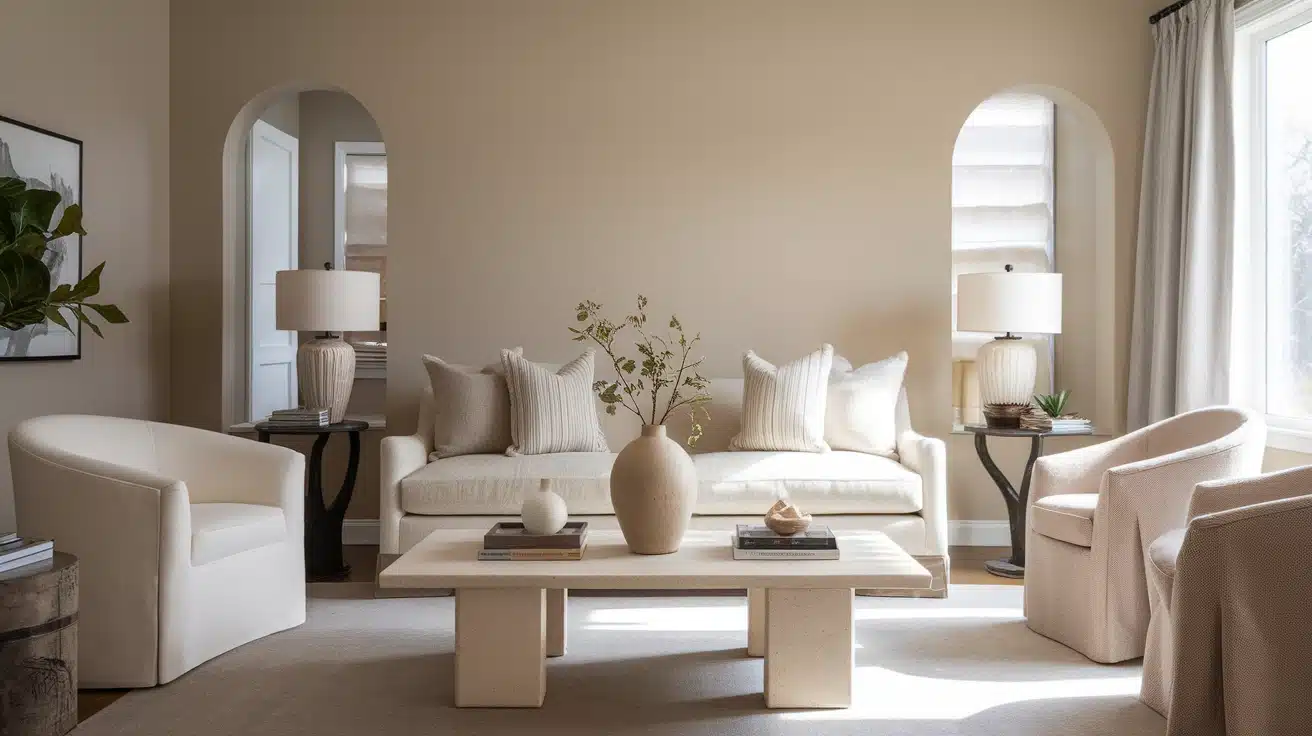
Apartment Entryway Ideas: Style, Storage & Package Safety
A great entryway doesn’t need a foyer, a fancy console, or even many square feet. It needs a plan. When those first five feet from the door work, everything else gets easier—keys land where they should, shoes stop multiplying, packages don’t sit out, and the whole apartment feels calmer. The ideas below are renter-friendly, quick to execute, and grounded in the small choices that actually move the needle.
Think of this as a tidy, no-drama reset. We’ll map the flow, choose storage that behaves, fix the light and sightlines, then add simple habits to keep deliveries safe. No sledgehammers, no overpromising—just the stuff you’ll still be glad you did in six months.
Map the apartment entryway flow before you buy anything
Start with the choreography. Stand at your front door and open it. Where does the door swing? What does it crash into? Where do your hands go the second you’re inside—mail, tote, keys, shoes? Sketch a quick layout to capture the “landing strip”: a slim surface for keys and mail, a mirror for last looks, and a seat for shoes.
If depth is tight, a 10–12″ console or a narrow wall shelf does the job; pair it with wall hooks instead of a coat tree so the floor stays clear. The goal is to enter, put things down, and close the door without a sideways shimmy.
A bench is the workhorse in a small entry because it solves two problems at once—somewhere to sit and somewhere to stash. If you can’t find one shallow enough, build it to fit: this straightforward DIY entryway bench guide walks through materials, cuts, and finishing so you get a sturdy, custom piece that actually fits your nook. Aim for ~18″ seat height for comfort; when space is tighter, shave depth to ~15–16″ and let wall storage carry the rest.
Storage that behaves: closed bins, wipe-clean finishes, and smart floors
Open baskets look neat for about a week. Real life needs closed storage. Give each person a lidded bin under the bench for “daily shoes,” and keep a second bin or drawer for returns and tools that always drift (tape measure, hex keys, spare batteries). The less visual noise, the faster your entry resets after work. Labeling helps more than you’d think—“Mail to drop,” “Gym,” “Weekend”—so you make decisions once and enjoy the aftermath.
Finishes matter at the door because grit and water test everything. If you’re choosing permanent materials in a condo, porcelain or ceramic tile handles abuse without drama and cleans fast. Prefer a pattern or want better traction? Geometric or textured options bring style and grip without a fussy maintenance routine; here are solid, real-world examples in these modern entryway tile ideas. In rentals, a washable runner and a boot tray will carry most of the load. Keep the runner just narrower than the doorway’s clear opening so the door doesn’t sweep it up.
Light, sightlines, and a calmer corridor
Most entryways read smaller than they are because they’re dim. Fixing the light is usually the fastest path to “this looks finished.” Swap in brighter bulbs and warm the color temperature so faces look good in the mirror and the space doesn’t feel like a utility closet. If you’ve got a ceiling box, a flush-mount with a diffused lens spreads light without glare; if not, lean on plug-in sconces, a slim floor lamp tucked by the console, or even a battery-powered picture light over the mirror. A mirror opposite or adjacent to the door bounces light deeper into the apartment and gives you a natural spot for last-minute checks.
Keep sightlines clean. Avoid tall furniture right at the threshold, and run the rug lengthwise to “pull” you in. If your entry bleeds into a tight corridor, the tricks here—lighter paint, consistent flooring transitions, low-profile fixtures—apply down the hall, too. For more practical, photo-backed tweaks, this guide to narrow dark hallway ideas shows how paint, runners, and wall-mounted lighting change the experience without rewiring.
In shared buildings, it also helps to ask management about lobby and mailroom visibility. Many communities rely on an apartment security camera with live monitoring in common areas; paired with good lighting and clear paths, that visibility discourages opportunistic tampering where packages tend to collect.
Package safety that sticks (without overhauling your lease)
Apartment deliveries are a fact of life, and you don’t control the lobby. You do control how long parcels sit uncollected and how you respond to suspicious messages. The U.S. Postal Inspection Service’s guidance is simple: pick up mail promptly, and when you’re away, use hold-for-pickup or request a signature for important items rather than leaving them unattended. Those two habits alone cut the window for theft and reduce the chance your package goes wandering. See the full set of tips from the Postal Inspection Service’s page on mail and package theft prevention.
If your building has a bank of mailboxes, it may also have parcel lockers. USPS standards for new or remodeled apartments require “at least one parcel locker for every five mailbox compartments,” and they prefer lockers placed in well-lit vestibules, halls, or lobbies where carriers can serve them without dodging door swings. If you’re pushing for upgrades during a renovation, that language helps your case; you can point to the USPS handbook section that spells out the 1:5 parcel-locker minimum in plain terms. More lockers means fewer packages left loose on the floor.
One more habit pays off: don’t tap links in delivery texts unless you requested notifications. Scam messages mimic carriers convincingly and bank on urgency. The Federal Trade Commission’s consumer alerts recommend verifying delivery status directly with the retailer or carrier you know—use the official app or website you normally use—rather than any link that lands in your inbox.
If a text claims a missed delivery or fee, pause and check independently; the FTC’s most recent guidance is clear on avoiding fake shipping notifications. The thirty seconds it takes to look it up yourself is worth not handing credentials to a phish.
Make it look intentional (because you live with it daily)
Once the bones are set—flow, storage, light—give your entry one repeated texture so it reads as a single idea. Maybe it’s a woven basket under the bench and a matching tray on the console. Maybe it’s warm wood on the bench and a walnut frame around the mirror.
Pick a tight palette (three tones is plenty) so shoes, bags, and coats don’t turn into visual confetti. If you want seasonal lift without a full re-style, swap a runner and stems in your vase; this fall entryway table decor roundup has mix-and-match combinations that translate well beyond autumn.
Two extra, unglamorous tips that stick: first, put a small, lidded tray on the console for pocket junk—AirPods, receipts, lip balm—so it doesn’t colonize surfaces. Second, label the hidden stuff. A Sharpie on the underside of a lid is enough to turn “Where do returns go?” into muscle memory. When every item has a pre-decided home, your entry keeps resetting itself with almost no thought.
Apartment entryway FAQ (quick hitters you’ll actually use)
How deep should an entry bench be in a small space?
If you’re tight on depth, aim for ~15–16″ and keep the seat height around 18″ for comfort. When you need more capacity, go taller with wall storage (hooks, shelves, a shallow cabinet) rather than deeper furniture that crowds the swing of the door. For a made-to-fit option, the DIY entryway bench how-to is a good pattern to follow.
What flooring holds up best at the door?
Porcelain and ceramic tile take grit and moisture without a fuss and wipe clean. If you crave pattern or texture, consider a matte finish with a small-scale geometric; you’ll get traction and style in one shot. The examples in these entryway tile ideas are a useful starting point.
How do I brighten a windowless hallway off the entry?
Use brighter bulbs in a warm tone, mirror the view to throw light deeper, and keep the runner long so it “pulls” the eye forward. For specific paint and fixture moves, see narrow dark hallway ideas that work.
Bottom line: Treat your apartment entryway like a tiny workspace with a job: get you in, get your stuff settled, and keep packages moving quickly to safety. Nail the flow, pick storage that behaves, fix the light, and layer in a few building-smart habits. That’s how the smallest square footage starts pulling the biggest weight.