Transform Your Living Room: The Art of Effortless Sofa Styling
A well-styled sofa serves as the centerpiece of any living room, creating visual interest and comfort simultaneously. The secret to achieving that perfectly curated look lies in mastering the details, from cushion arrangement to textile layering. Understanding the fundamentals of styling a throw with your sofa can instantly elevate your space from ordinary to magazine-worthy, transforming both aesthetics and functionality with minimal effort.
Essential Elements of Sofa Styling
Color Coordination and Contrast
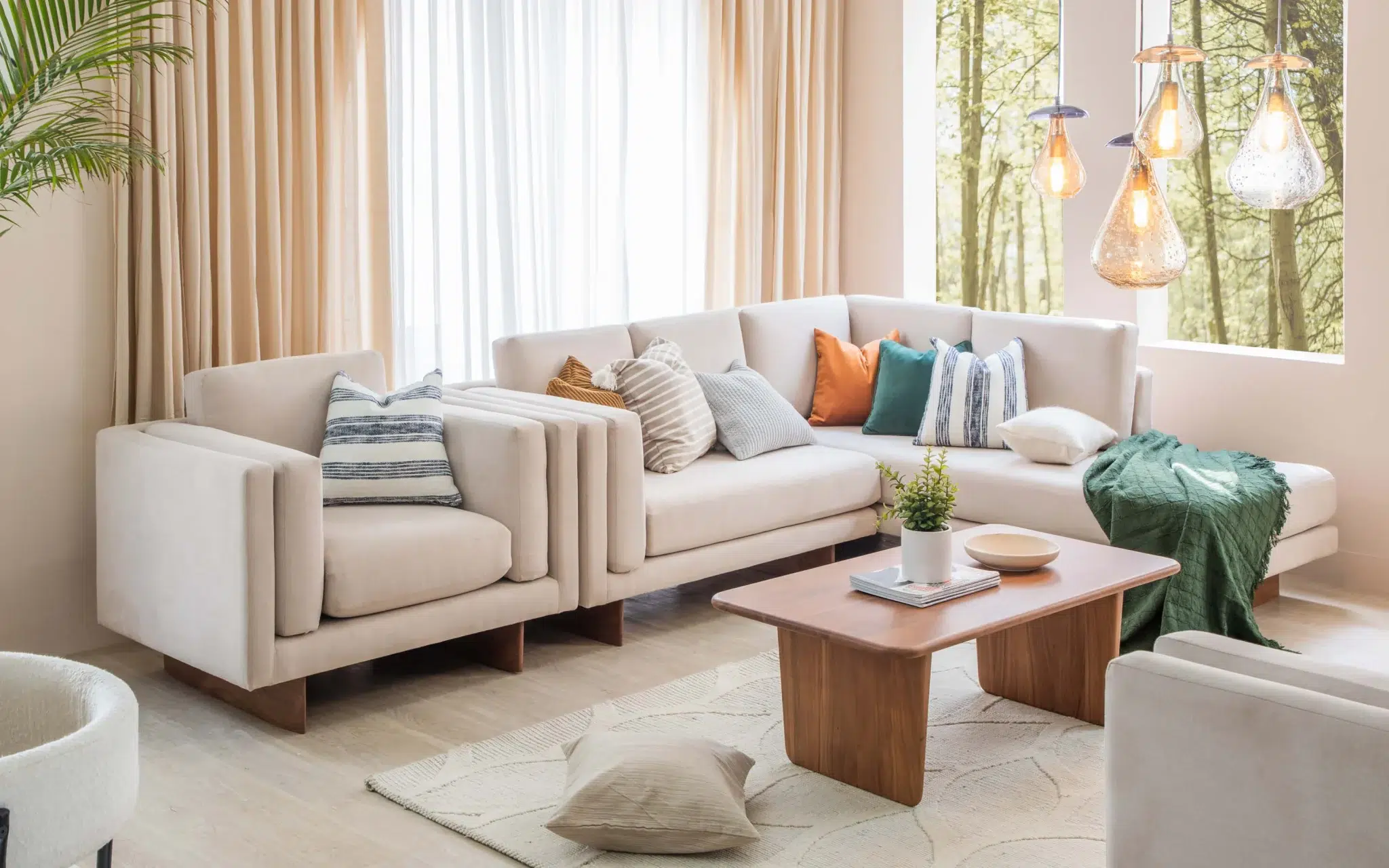
Successful sofa styling begins with thoughtful color selection. Choose throws and cushions that either complement your existing palette or provide strategic contrast. Neutral sofas offer unlimited possibilities, while bold-colored furniture requires more careful coordination to avoid overwhelming the space.
Texture Layering Techniques
Mixing textures creates visual depth and tactile interest. Combine smooth cotton with chunky knits, velvet with linen, or leather with wool throws. This layering approach adds sophistication while maintaining comfort and usability.
Strategic Throw Placement Methods
The Casual Drape
Position throws naturally over one corner or arm of your sofa, allowing fabric to cascade gracefully. This effortless approach works particularly well with lightweight materials and creates an inviting, lived-in atmosphere.
Structured Folding Techniques
For formal settings, fold throws neatly and place them strategically across sofa backs or arms. This method showcases beautiful fabrics while maintaining clean lines and organized aesthetics.
Cushion and Pillow Coordination
Size and Shape Variation
Combine different pillow sizes and shapes for visual interest. Mix square and rectangular cushions, varying sizes from 18-inch to 24-inch options. This creates dynamic arrangements without appearing cluttered or overwhelming.
Pattern Mixing Mastery
Successfully combining patterns requires understanding scale and color relationships. Pair large florals with small geometrics, or bold stripes with subtle textures, ensuring at least one common color thread connects all elements.
Seasonal Styling Adaptations
Summer Refresh Strategies
Lighter fabrics like linen and cotton work best for warmer months. Choose breathable materials in fresh colors such as whites, blues, and soft greens to create cooling visual effects.
Winter Warmth Elements
Heavier textures like wool, cashmere, and faux fur provide both visual and physical warmth during colder seasons. Deep, rich colors create cozy atmospheres perfect for intimate gatherings.
Practical Maintenance Considerations
Fabric Selection for Families
Choose washable, durable materials when children or pets frequent your sofa area. Performance fabrics offer style without sacrificing practicality, maintaining appearance despite regular use.
FAQ Section
How many throws should I use on one sofa? One to two throws typically work best. Multiple throws can appear cluttered unless your sofa is exceptionally large or sectional-style.
What’s the ideal throw size for standard sofas? 50×60 inch throws work well for most standard sofas, providing adequate coverage without overwhelming the furniture proportions.
How do I choose throw colors that won’t clash? Select throws within the same color family as your existing decor, or choose neutrals that complement any palette. Consider your room’s undertones when making selections.
Can I mix different throw materials on the same sofa? Yes, mixing materials adds visual interest. Ensure they share similar color tones or complementary textures for cohesive styling results.
How often should I wash decorative throws? Wash throws monthly or as needed, depending on usage. Regular maintenance preserves appearance and hygiene while extending fabric lifespan.
Conclusion
Mastering sofa styling transforms your living space into a welcoming, sophisticated environment. Through thoughtful throw placement, strategic color coordination, and texture mixing, you create inviting focal points that reflect personal style while maintaining comfort and functionality for daily use.