
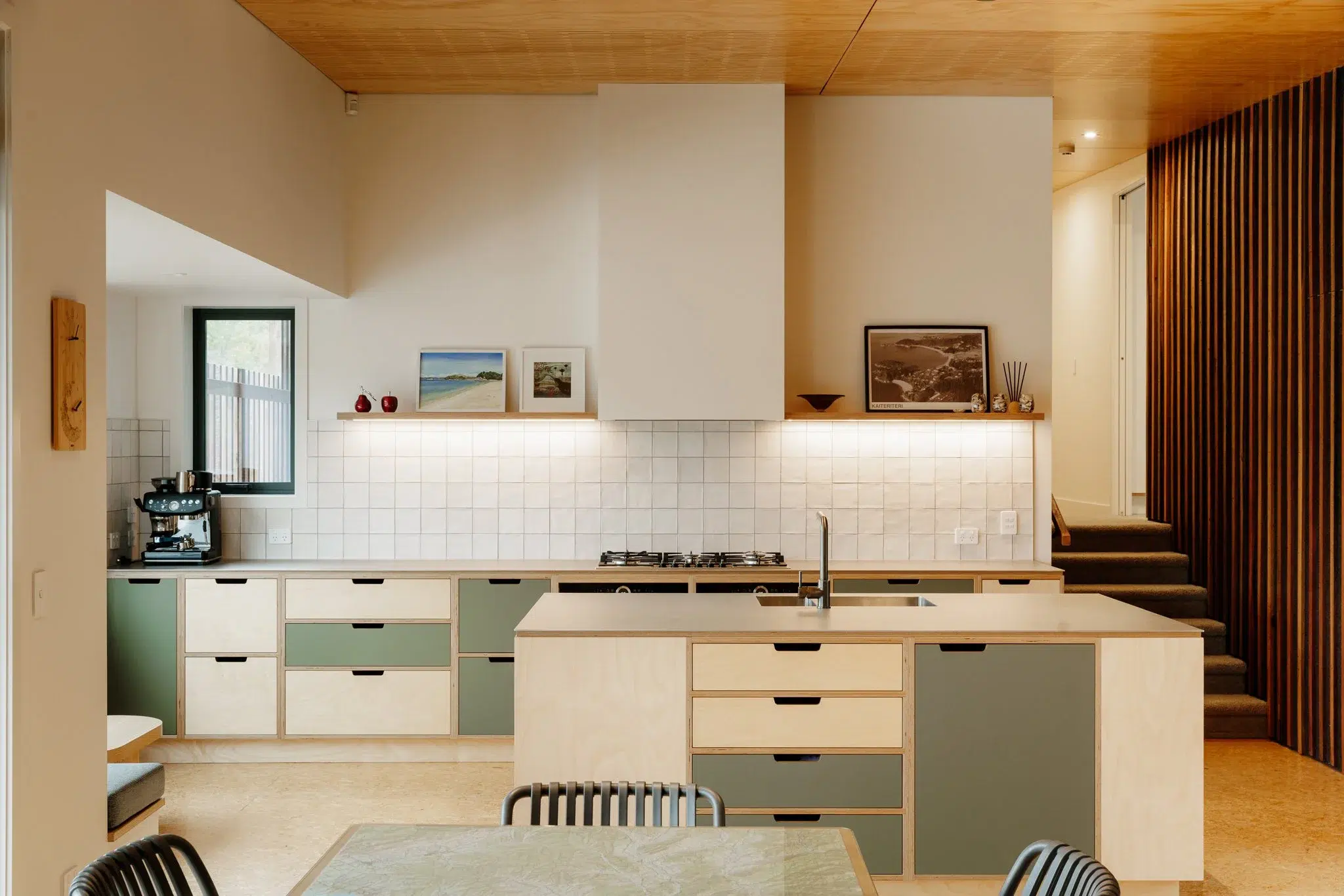
Why More Homes Are Opting for Birch Plywood Kitchen Cabinets
In recent years, there has been a quiet yet notable shift in the way British homeowners approach kitchen design. While sleek painted finishes and glossy laminates still have their loyal fans, birch plywood kitchen cabinets have been steadily claiming the spotlight. Once considered the preserve of Scandinavian interiors or bespoke joinery enthusiasts, birch plywood is now making its way into homes across the UK, praised for its durability, natural beauty, and understated elegance.
As someone who has worked in kitchen design for more than a decade, I have watched this trend grow from niche to mainstream. It is not just a fad driven by social media aesthetics. Birch plywood offers a blend of practical benefits and design versatility that is hard to ignore.
Why Birch Plywood Kitchen Cabinets Are A Popular Choice
Birch has long been valued in Northern and Eastern Europe for its strength and pale, fine grain. Plywood made from birch became popular in the early 20th century, especially in Finland and the Baltic states, where its stability and resistance to warping were ideal for furniture and interiors. By the mid-century, Scandinavian designers were using it in modernist homes, including kitchens, for its clean look and practicality. In the UK, it stayed relatively niche until recent years, when the influence of Scandinavian design and bespoke joinery brought it firmly into the spotlight.
The Appeal of Birch Plywood
At first glance, birch plywood might not seem like the most obvious choice for cabinetry. Many people still associate it with utility furniture or trade counters. However, modern kitchen design has reimagined the material, embracing its pale grain, warm undertones and distinctive layered edges as a design feature rather than something to hide.
Birch plywood is made by bonding multiple thin layers of birch veneer together, with the grain of each layer running in opposite directions. This cross-graining method creates exceptional strength and stability, making it less likely to warp or crack compared to solid wood. The smooth, fine-grained birch veneer takes finishes beautifully, whether you prefer a natural sealant, a bold stain, or a painted surface.
Strength That Stands the Test of Time
Kitchens are high-traffic spaces, and cabinetry takes the brunt of daily use. From slammed cupboard doors to the weight of stacked dinnerware, your cabinets need to withstand constant wear. Birch plywood’s structural integrity is one of the reasons it has become a favourite among joiners and kitchen fitters. Because it is engineered from multiple layers, it is more resilient than chipboard or MDF, which can sag or swell over time, especially if exposed to moisture.
For homeowners, this means that investing in birch plywood cabinetry is less about chasing a trend and more about making a long-term choice. When properly sealed, it resists spills and humidity remarkably well, making it ideal for the ever-busy British kitchen.
A Natural Aesthetic for Modern Living

The visual appeal of birch plywood is part of its growing popularity. Its pale, creamy tones work beautifully in both contemporary and traditional settings. Left in its natural state with a clear finish, it reflects light and brightens the room, making it particularly well-suited to smaller kitchens or open-plan spaces where you want to maintain a sense of airiness.
One of the signature design elements of birch plywood cabinetry is the exposed edge. Instead of hiding the layers with edge banding, many modern designs showcase them as part of the style. These visible layers add a tactile quality and a touch of craftsmanship, signalling that this is a considered material choice rather than a budget compromise.
In more minimalist interiors, birch plywood provides warmth without overpowering the space. In family homes, it offers a friendly, approachable feel that is easy to pair with other materials such as stone, stainless steel, or painted timber.
Sustainability Matters
Another reason birch plywood is having its moment is its sustainability credentials. In an era where homeowners are increasingly conscious of where their materials come from, birch plywood offers a reassuring choice. Many suppliers source their birch from responsibly managed forests, often in northern Europe, where replanting and long-term forest health are priorities.
The efficient use of timber in plywood manufacturing also means there is less waste compared to producing large panels of solid wood. For those aiming to reduce their environmental footprint without compromising on quality, birch plywood fits the bill.
Versatility In Design
One of the joys of working with birch plywood is its adaptability. It can be incorporated into kitchens of all styles, from ultra-modern to rustic farmhouse. In a sleek, handleless kitchen, birch plywood can be paired with matte white fronts for a crisp, Nordic look. In a more traditional home, it can be used for open shelving, pantry doors, or an island unit to add texture and contrast.
Because of its strength, birch plywood is also ideal for creating custom features such as curved corners or built-in seating. It can be cut and shaped with precision, opening up design possibilities that might be risky or impractical with other sheet materials.
The Rise of Bespoke Joinery

Part of the reason birch plywood cabinets are appearing in more UK homes is the growth of independent joiners and small-scale kitchen makers. While large kitchen retailers tend to stick to standard finishes and materials, bespoke makers are more willing to experiment. They appreciate the workability of birch plywood and the fact that it allows for creative design while still delivering a durable product.
Social media platforms like Instagram and Pinterest have helped to spread these ideas, showing homeowners what is possible when you move beyond conventional kitchen materials. The combination of functional strength and natural beauty has struck a chord with those looking for something unique yet timeless.
Care and Maintenance
Despite its durability, birch plywood still benefits from a little care. A clear lacquer or oil finish will protect the surface from spills and stains while allowing the natural grain to shine through. Day-to-day cleaning is straightforward, usually requiring nothing more than a damp cloth and mild soap.
For those who prefer painted cabinets, birch plywood offers a stable base that resists the hairline cracks that can appear in solid timber over time. If your tastes change, it can be sanded and refinished, extending its lifespan and reducing the need for replacement.
Why The Trend is Here to Stay
Trends in kitchen design often come and go, but birch plywood feels different. It bridges the gap between contemporary and classic, offering a material that is as practical as it is attractive. Its warm, natural tones resonate with the ongoing preference for calming, nature-inspired interiors. Its robust build suits busy households that want beauty without fragility.
For UK homeowners who value craftsmanship, sustainability, and lasting quality, birch plywood ticks every box. While it may have started as a designer’s choice for bespoke kitchens, it is now making its way into the mainstream for good reason. This is not just a momentary infatuation; it is the rediscovery of a material that has always been quietly brilliant.


