

How to Clean Brick Floors: Step-by-Step Guide
Brick floors bring an attractive, classic feel to any room. They add so much warmth and character, but I’ve noticed that keeping them clean can be more challenging than it looks.
Their textured surface can easily trap dirt, but with the proper cleaning routine, you can keep them looking fresh and beautiful.
I’ll walk you through the best daily cleaning habits, provide step-by-step instructions, offer deep cleaning techniques, show you how to handle tough stains, and share long-term maintenance tips.
Ready to learn how to clean brick floors and keep them in top shape? Let’s get started!
Causes of Brick Floor Wear and Staining
Brick floors can start to look worn and dirty over time due to several factors. The porous nature of the material allows dirt, moisture, and stains to penetrate, leading to long-term buildup.
Spills, grease, and food stains can become embedded if not cleaned properly. Additionally, high foot traffic, exposure to harsh cleaning chemicals, and lack of regular maintenance can cause the surface to lose its original shine.
Regular care, such as sealing and cleaning with the right solutions, helps prevent these issues, maintaining the beauty of your brick floors for years to come.
How to Clean Brick Floors: A Step-by-Step Guide
Cleaning brick floors the right way helps protect their charm and extend their life. Follow these simple steps to keep your floors fresh, clean, and damage-free.
Tools and Materials Required
- Traditional Broom
- Carpet Sweeper
- Mop
- Soft-Bristled Brush
- Clean Towels or Rags
- Bucket
- Cleaning Solution
Step 1: Prepare the Area
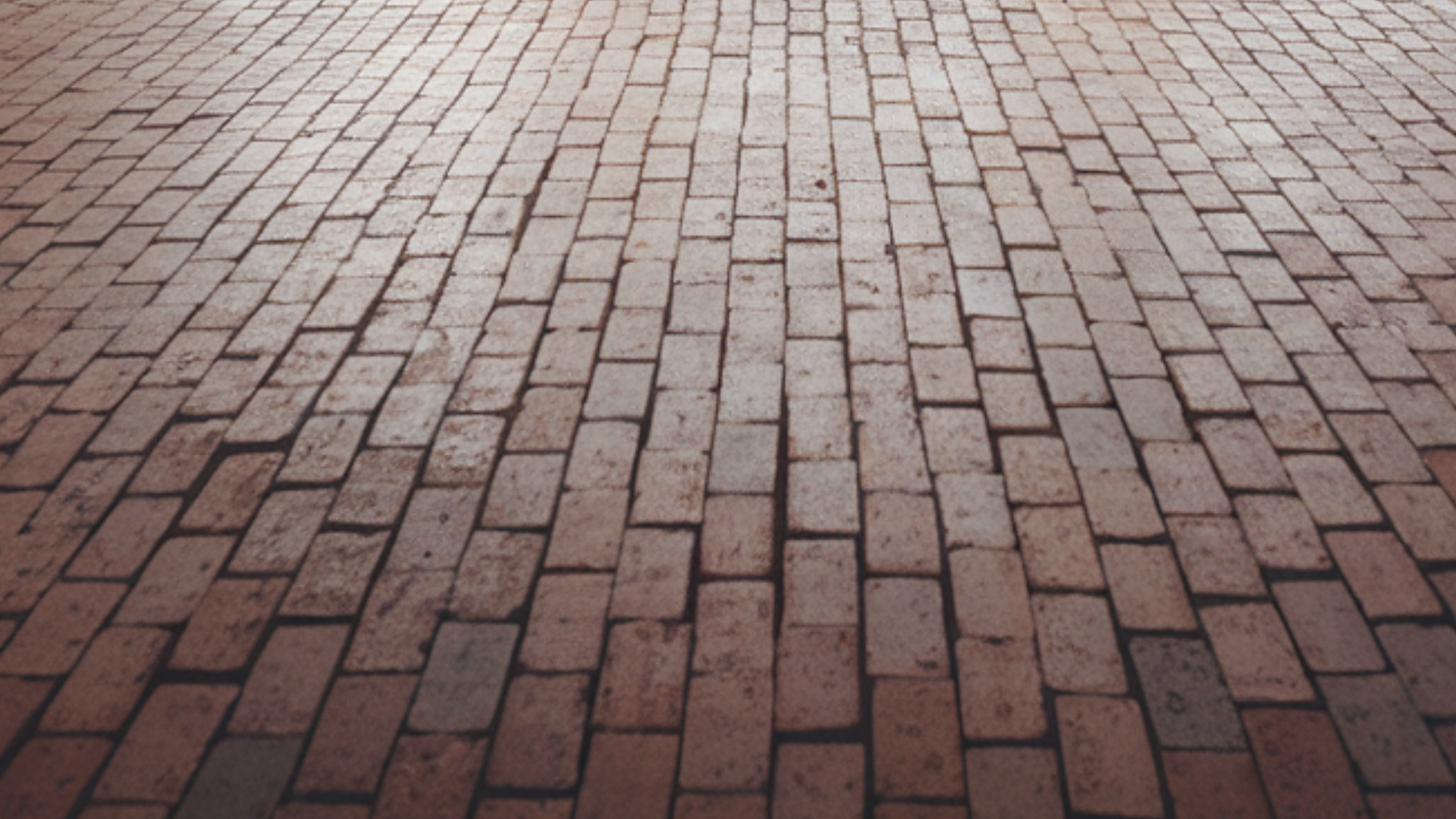
Before you start, remove any furniture, rugs, or obstacles from the floor. This makes sure you have enough space to move around while cleaning and avoids bumping into anything while mopping.
It’s also a good idea to open windows or turn on a fan to promote good airflow, which helps the floor dry faster and prevents moisture from lingering too long, potentially damaging the brick over time.
Step 2: Pre-wet the Floor

Lightly dampen the floor with clean water. This step is crucial because it helps prevent the cleaning solution from soaking into the porous brick too quickly.
The pre-wetting creates a barrier that allows the cleaning solution to work more evenly across the surface, ensuring a deeper clean without over-wetting the floor.
Step 3: Apply the Cleaning Solution

Using your mop, apply the cleaning solution in small sections, approximately 4 feet by 4 feet at a time. Use just enough solution to clean the surface without soaking it.
Too much water can damage the brick over time and hinder its drying process. Avoid over-saturating the floor to ensure it dries properly.
Step 4: Scrub and Remove Residue
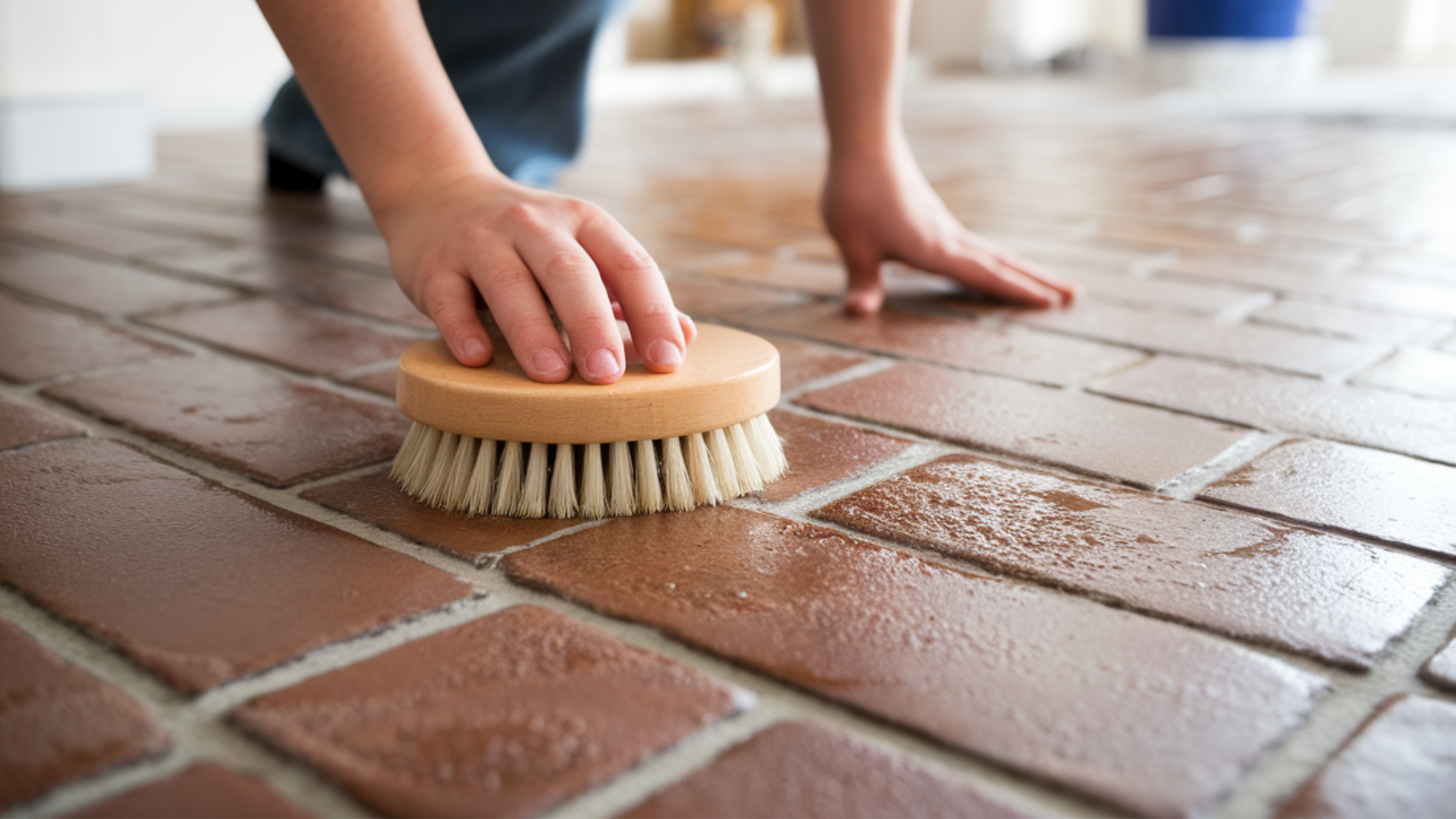
After applying the cleaning solution, scrub tough spots with a soft-bristled brush, focusing on grout lines and stains. Use gentle circular motions.
Rinse thoroughly with clean water, changing it frequently as needed. Dry the floor immediately with clean towels to prevent water absorption.
Choosing the Right Cleaning Solution
The right cleaning solution is essential for maintaining brick floors. Gentle, natural cleaners protect the surface and keep floors looking their best without harsh chemicals.
Mild Detergents: Stick to mild detergents such as dish soap mixed with warm water to avoid damaging the porous brick surface.
Vinegar-Water Solution: A mix of 1 part vinegar to 10–15 parts warm water works well for general cleaning. Always dilute, as undiluted vinegar can harm brick and mortar.
Alternative Natural Cleaning Options:
- Baking Soda: Mix 3 parts baking soda with 1 part water to make a paste for scrubbing stubborn marks.
- Lemon: Mix lemon juice with warm water for a fresh-scented, gentle cleaner.
- Combination Cleaner: Combine vinegar, baking soda, and water for an effective natural solution.
Effective Methods for Cleaning Brick Floor Stains
Brick floors are prone to various stains from daily use, but most can be tackled with the right approach. Let’s discuss some brick stains and techniques for stain removal.
For Common Brick Stains
For most stains, start with a vinegar and water mixture (1 part vinegar to 3 parts water).
Brick floors can face daily mishaps, such as food spills, grease splatters, and ink marks. Food stains from tomato sauces, fruit juices, and wine can typically be removed with basic cleaning solutions.
Grease stains from cooking oils soak into the porous brick and require more effort. Ink stains require prompt attention; fresh stains are easier to remove than older ones.
For Tougher Stains
Tough stains, like grease or deep-set food marks, require a bit more effort. Here’s how to tackle them with practical and gentle cleaning methods:
Baking Soda Paste: Mix 3 parts baking soda with 1 part water to make a paste. Apply it to the stain and let it sit for 20-30 minutes. Gently scrub with a soft-bristled brush in circular motions. Rinse and dry thoroughly.
Diluted Bleach Solution: Mix 1 part bleach with 10 parts water. Test in an inconspicuous area first. Apply carefully, let sit for 5-10 minutes, scrub, then rinse thoroughly.
Professional Help: For persistent stains, professional cleaning services can handle tough stains without damaging the brick.
Drying and Maintenance Advice for Brick Floors
Sweep or vacuum daily, especially in high-traffic areas. Avoid overusing cleaning products to prevent residue.
Before sealing, ensure the floor is cleaned and completely dry. Apply thin coats and let each coat dry thoroughly. Wait a full day after cleaning before sealing.
Use a water-based sealer for indoor floors and a solvent-based sealer for outdoor floors. Perform the water test to check if resealing is needed.
Most sealers last 2-3 years but may require resealing more often in high-traffic areas. Avoid strong acids, heavy-duty degreasers, and abrasive cleaners.
Product Recommendations for Cleaners and Sealers
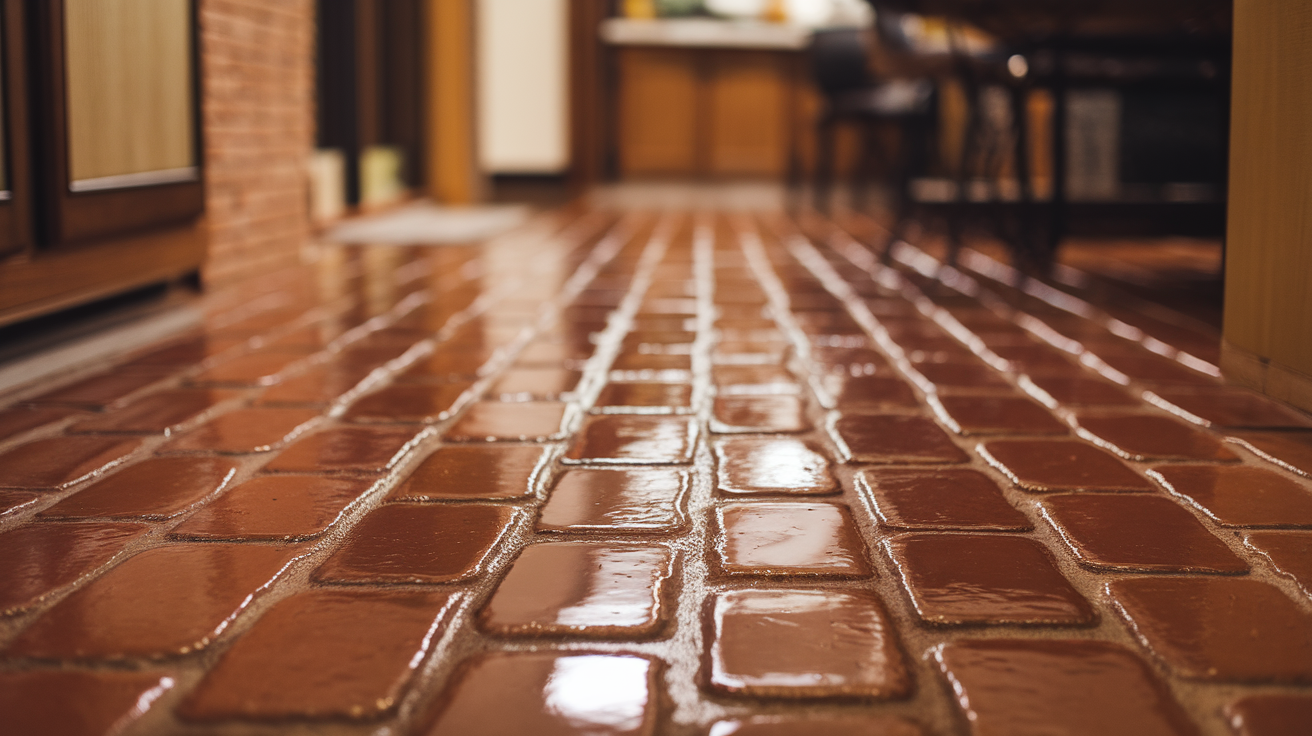
Here are some highly recommended cleaners and sealers for maintaining and protecting your brick floors:
Commercial Cleaners for Brick Floors
- Zep Neutral pH Floor Cleaner: A reliable pH-neutral cleaner perfect for regular maintenance of brick floors. It won’t damage the surface and helps maintain the natural look.
- Biokleen Bac-Out Stain+Odor Remover: An enzyme-based cleaner that effectively handles protein stains like pet accidents. It’s gentle on surfaces and highly effective for organic materials.
- Krud Kutter Original Concentrated Cleaner/Degreaser: This heavy-duty degreaser is perfect for grease stains and other tough grime. Just be sure to use it sparingly on brick floors.
Sealers for Brick Floors
- Miracle Sealants 511 Impregnator Sealer: A top-rated penetrating sealer that provides durable protection without changing the natural look of your brick floors. It’s water-based and ideal for indoor use.
- Tuff Duck Granite, Grout & Marble Sealer: This penetrating sealer provides excellent protection for indoor brick floors, preserving the surface’s natural appearance. It also prevents staining from liquids.
- StoneTech BulletProof Sealer: A solvent-based sealer is perfect for outdoor brick floors. It protects against stains and harsh weather, making it suitable for high-traffic areas.
Common Mistakes to Avoid When Cleaning Brick Floors
To keep your brick floors looking their best, avoid these common mistakes that can lead to long-term damage and extra maintenance.
- Using Too Much Water: Overwetting the floor can cause water to seep into the brick, weakening the mortar and damaging the surface.
- Using Harsh Chemicals: Avoid acidic or abrasive cleaners, as they can discolor the brick and damage the porous surface over time.
- Scrubbing Too Hard: Vigorous scrubbing can scratch and wear down the brick, leading to rough spots that trap more dirt.
- Skipping the Sealing Process: Failing to seal the brick can lead to more stains and accelerated wear, necessitating more frequent cleaning and maintenance.
- Using the Wrong Cleaner: Make sure you’re using pH-neutral or mild detergents to prevent damage and achieve effective cleaning.
These simple tips can help protect your floors while keeping them clean.
Conclusion
Cleaning brick floors doesn’t have to be difficult. With the right tools, cleaning solutions, and regular upkeep, you can keep your brick floors looking beautiful for years.
I’ve noticed that sealing them helps protect against spills and stains, making maintenance so much easier.
Give these tips a try, and I’m sure you’ll see how simple it is to keep your floors looking fresh when you know how to clean brick floors properly.
With just a little care, your brick floors will continue to shine for years to come. For more helpful floor care tips, check out my other guides.
Frequently Asked Questions
Can I use Dawn to clean the brick?
Yes, Dawn dish soap is a mild detergent and can be used to clean brick floors when mixed with warm water. Just be sure to dilute it properly to avoid soap residue buildup.
What is the disadvantage of brick flooring?
Brick flooring can be porous, absorbing stains and liquids, which makes it prone to dirt buildup and staining. It also requires regular maintenance and sealing to maintain its appearance and durability.


