Natural Mahogany Wood: Identify, Choose, and Use It Right
If you’ve been thinking about using natural mahogany wood in your next home project, you’re not alone.
I’ve been there, trying to figure out if it’s the right choice, what makes it special, and how to know you’re getting the real thing. That’s precisely why I put this guide together for you.
We’ll cover how to identify genuine mahogany, where it suits your space best, and how to maintain its beauty for years to come.
By the end, you’ll feel confident choosing and using it in your home. Ready to get started?
Understanding Natural Mahogany Wood
Mahogany is available in several varieties based on the tree species and origin. Each type differs slightly in appearance, hardness, and application.
| Type | Origin | Key Features |
|---|---|---|
| African Mahogany | West and Central Africa | Slightly lighter, coarser grain, affordable |
| Honduran Mahogany | Central & South America | Classic tone, fine grain, high-quality for furniture |
| Cuban Mahogany | Caribbean (rare today) | Historically prized, tighter grain, limited supply |
Natural vs Stained Mahogany
Natural mahogany refers to wood that is left in its original color, showcasing its natural tone and grain pattern. Stained mahogany has been treated with colorants to either darken it or imitate aged wood.
While staining can improve uniformity, it may also hide natural grain variation. Choosing between them depends on your project’s design needs, and maintaining an authentic appearance is important.
How to Identify Real Mahogany
Genuine mahogany has a straight, uniform grain with occasional interlocking and a reddish to deep brown color that darkens over time. It’s moderately heavy, smooth to the touch even when unfinished, and resists warping.
Fresh cuts release a sweet, earthy scent. When polished, it shows soft chatoyancy, a gentle glow. Avoid wood with irregular grain or overly uniform staining, as this may indicate the use of substitutes.
Key Traits of Mahogany Wood and Its Performance
Mahogany is widely recognized for its distinctive appearance and dependable strength, making it a popular choice for both aesthetic appeal and functionality.
Color and Grain
Mahogany features a warm brown tone that deepens beautifully with age. Its straight, even grain creates a smooth surface ideal for staining or polishing.
Occasional interlocking patterns add visual interest. The wood’s natural texture and clarity eliminate the need for heavy treatments, making it highly desirable for refined interior finishes and fine furniture craftsmanship.
Durability and Stability
Mahogany is highly stable, resisting warping, cracking, and shrinking across climates. Its dense yet workable structure supports strong joints without being overly heavy.
This balance makes it ideal for furniture, cabinetry, and trim, where long-term durability and precision are key. It retains its shape well over time, making it a dependable material for both structural and decorative purposes.
Resistance to Rot and Insects
Thanks to its dense grain and natural oils, mahogany is highly resistant to rot, mold, and insect damage. While not indestructible, it outperforms many other woods in moist or humid environments.
When properly finished, it becomes an excellent choice for bathrooms, kitchens, or even outdoor projects, maintaining its integrity and appearance over time with minimal maintenance.
Where Natural Mahogany Wood Shines in Interior Spaces
Mahogany is a dependable material used across industries. Its stability, smooth finish, and rich appearance make it suitable for indoor furnishings, structural paneling, and specialty crafted items.
Mahogany Furniture
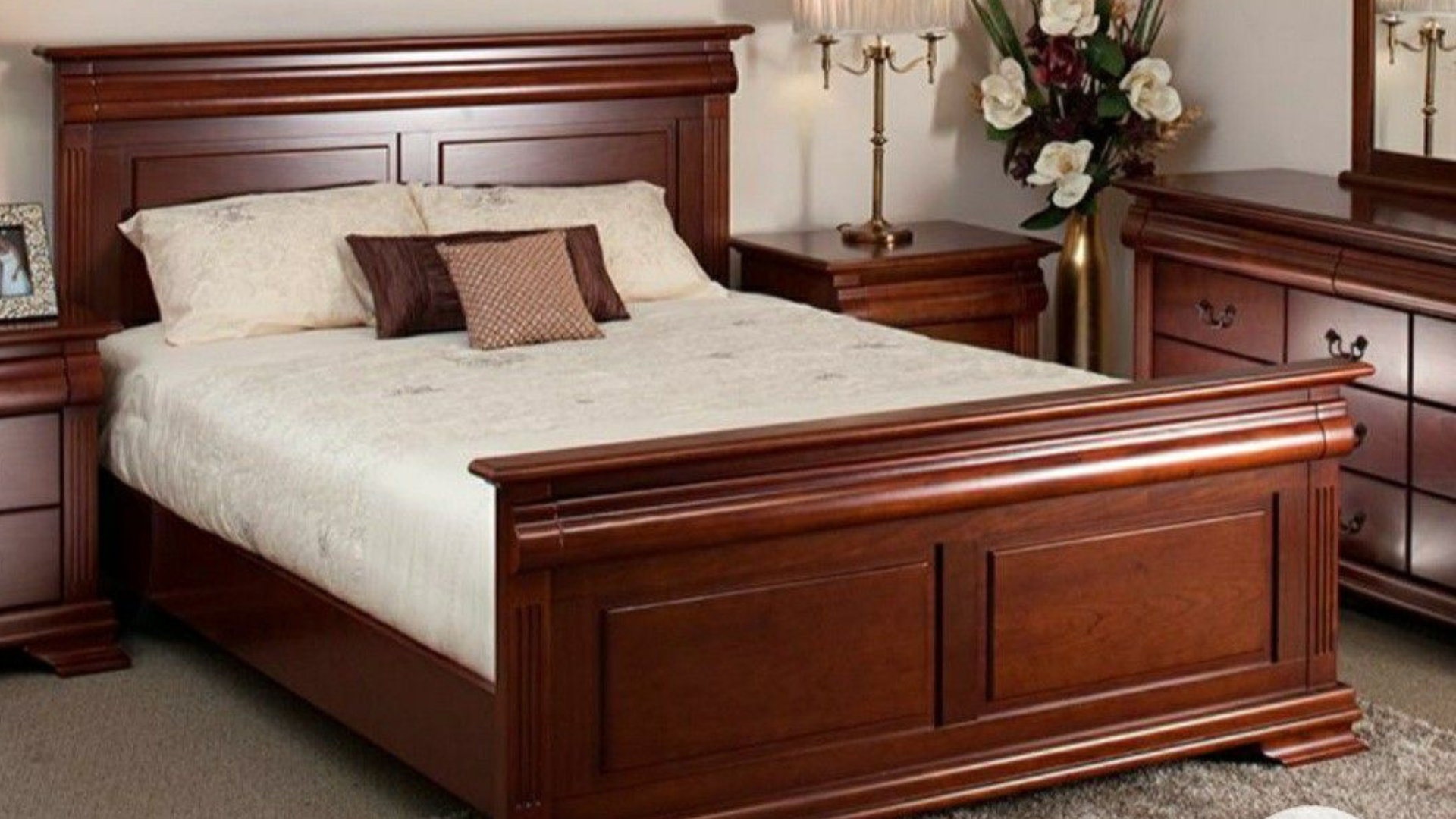
Natural mahogany is a top choice for crafting premium interior furniture, from grand dining tables and elegant bed frames to cabinets and accent pieces.
Its fine grain and rich color bring refinement to any space, whether in traditional or contemporary styles. Custom-built mahogany furniture offers exceptional durability and timeless appeal, making it ideal for luxury homes.
Its natural warmth pairs beautifully with leather, glass, and soft textiles, creating a grounded yet refined atmosphere in living or dining areas.
Mahogany Flooring
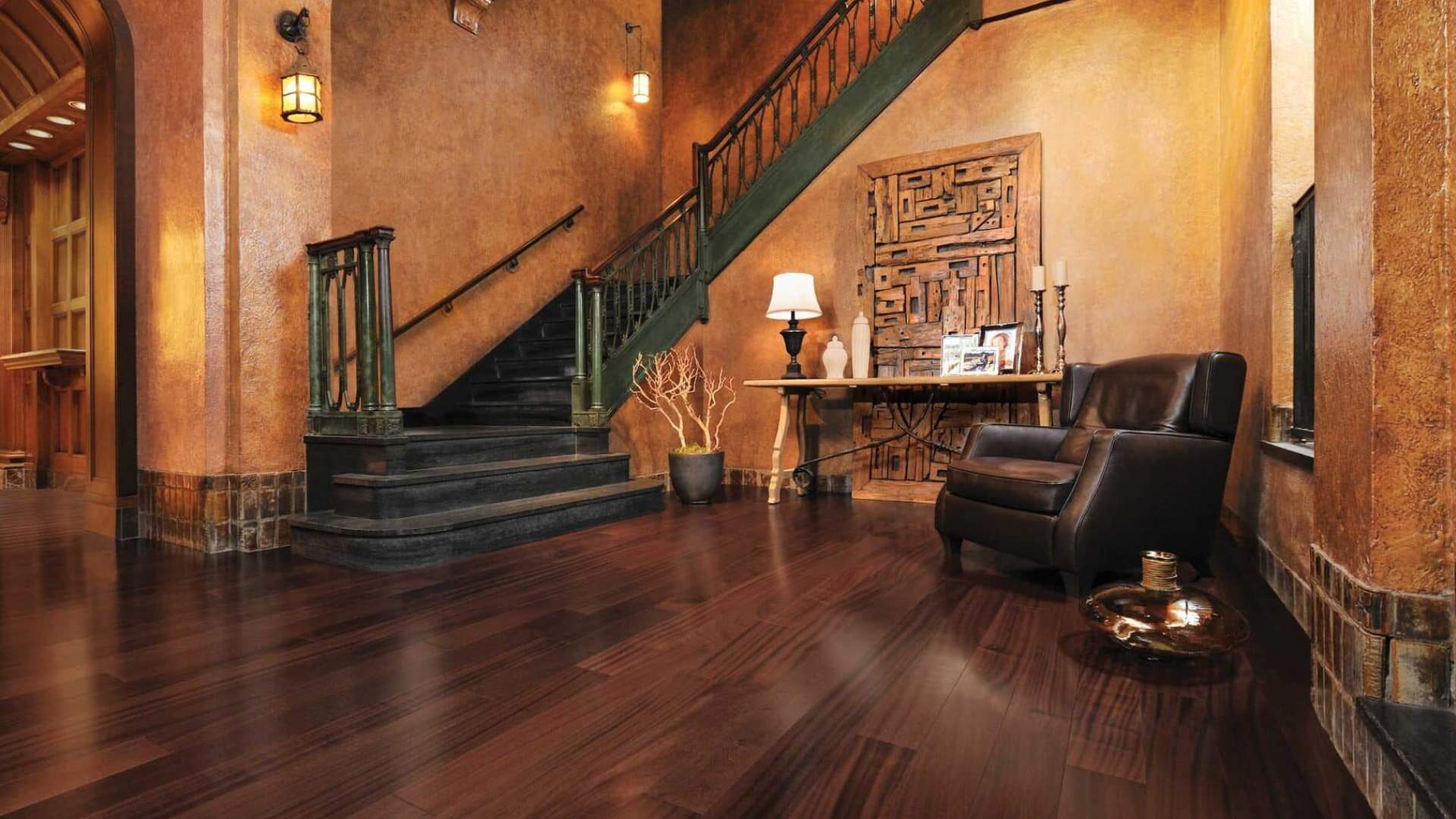
Mahogany flooring lends warmth and elegance to interiors, offering a deep, lustrous finish that improves both classic and modern designs.
Its dense grain resists dents and warping, making it ideal for high-traffic areas like hallways or living rooms. With proper sealing and occasional polishing, mahogany floors maintain their appearance for decades.
If paired with neutral palettes or bold decor, their consistent tone and smooth surface provide a polished backdrop that elevates the ambiance of any interior space.
Mahogany Wall Paneling & Trim
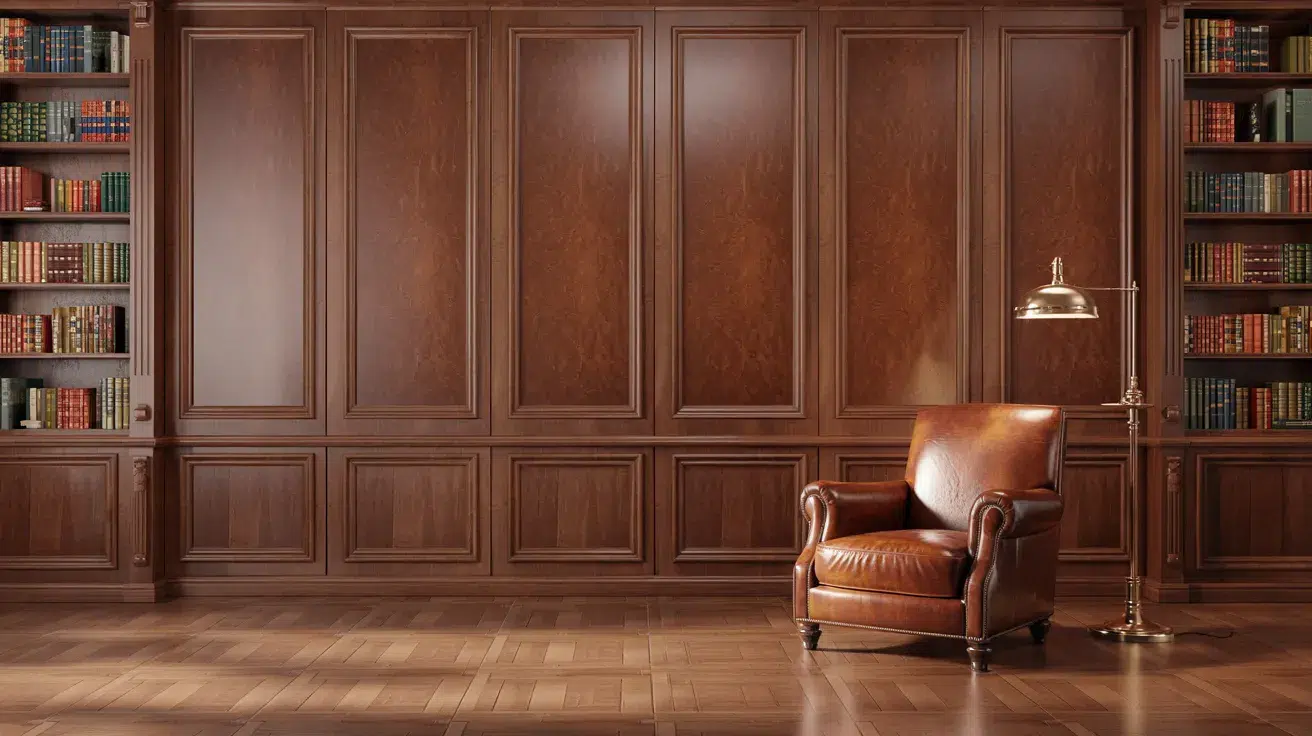
Wall paneling and architectural trim in natural mahogany add refined detail to interior spaces.
Typical applications include crown molding, baseboards, and wainscoting that frame a room with richness and depth. In libraries, offices, or formal dining rooms, mahogany panels create a traditional, stately feel.
The wood’s straight grain and warm hue enhance symmetry and balance, while its durability ensures long-term beauty.
Mahogany trim also complements painted walls and coffered ceilings, blending craftsmanship with architectural character.
Mahogany Kitchen Cabinets
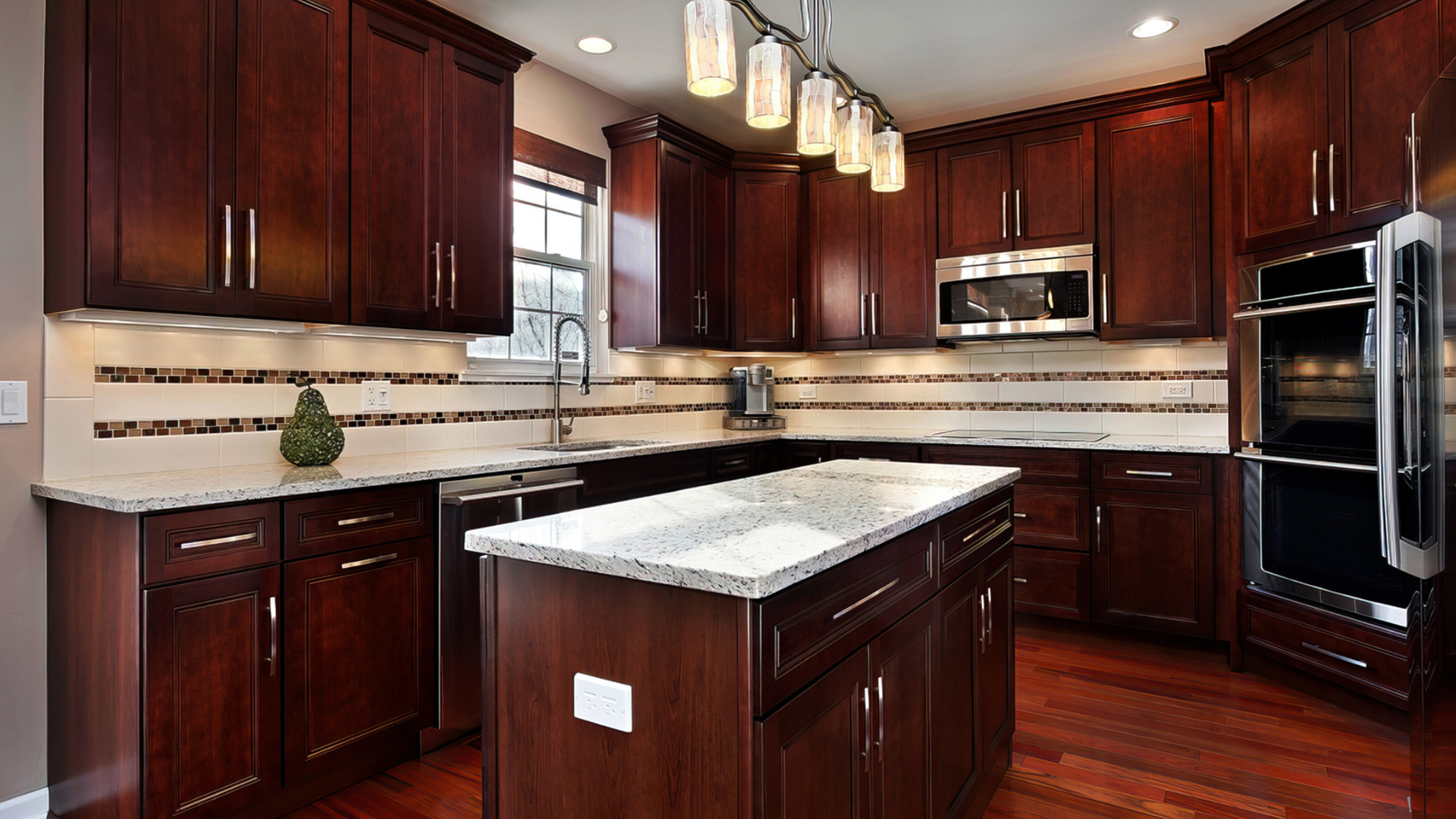
Mahogany is an exceptional material for kitchen cabinetry, offering strength, visual warmth, and timeless beauty.
Its rich reddish-brown tones pair elegantly with hardware finishes like brass, brushed gold, or matte black.
If you’re designing a classic galley kitchen or an open-concept space, mahogany cabinetry anchors the layout with refinement. It machines cleanly and resists warping, making it a reliable long-term investment.
From full cabinet runs to kitchen islands and built-in shelving, mahogany brings refinement and durability to culinary spaces.
Mahogany Bathroom Cabinets
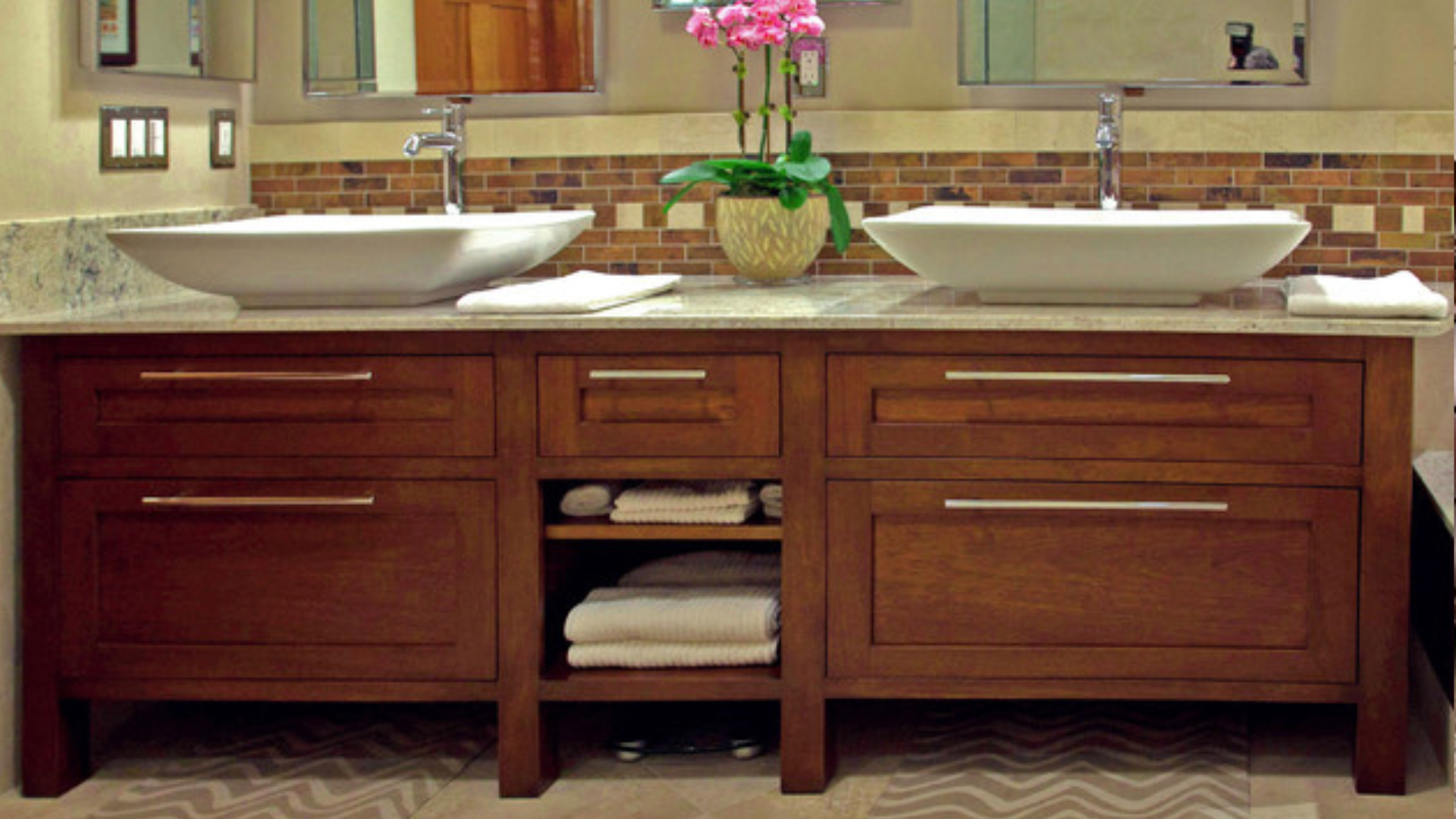
In bathrooms, mahogany cabinetry adds a refined, spa-like ambiance while offering excellent moisture resistance. Its dense grain and sealed finish withstand humidity better than many common hardwoods.
The wood’s deep, natural color improves vanities, linen towers, or custom shelving, especially when accented with sleek hardware or natural stone countertops.
If used in contemporary designs or traditional bathrooms, mahogany contributes warmth and longevity. Its ability to withstand wet environments makes it a luxurious yet practical choice for daily-use spaces.
Mahogany Interior Doors
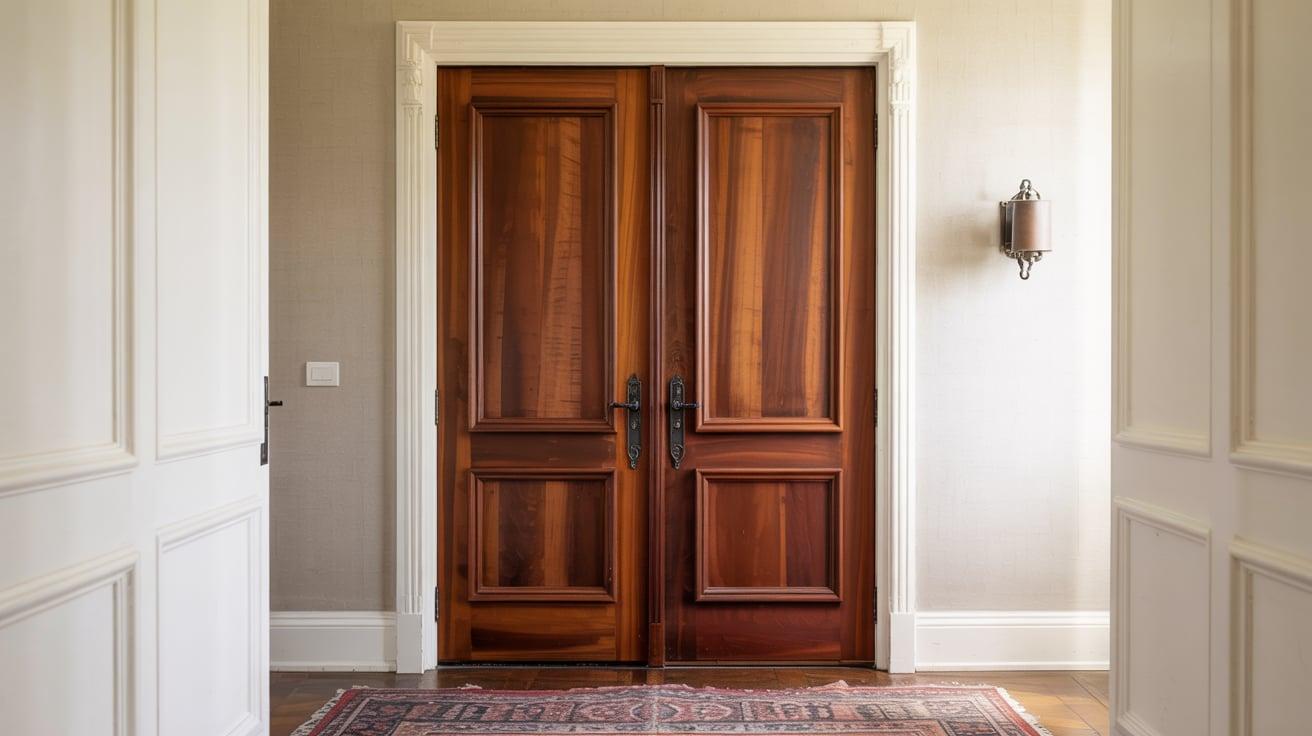
If used as grand entry doors or refined interior panel doors, their deep tone and fine grain elevate the overall design.
Mahogany complements both traditional and modern interiors, offering durability and sound insulation.
Its rich finish pairs beautifully with brass or black hardware, making it ideal for bedrooms, studies, or hallways where character and sophistication are key. A mahogany door instantly creates a welcoming and upscale impression.
Mahogany Staircases
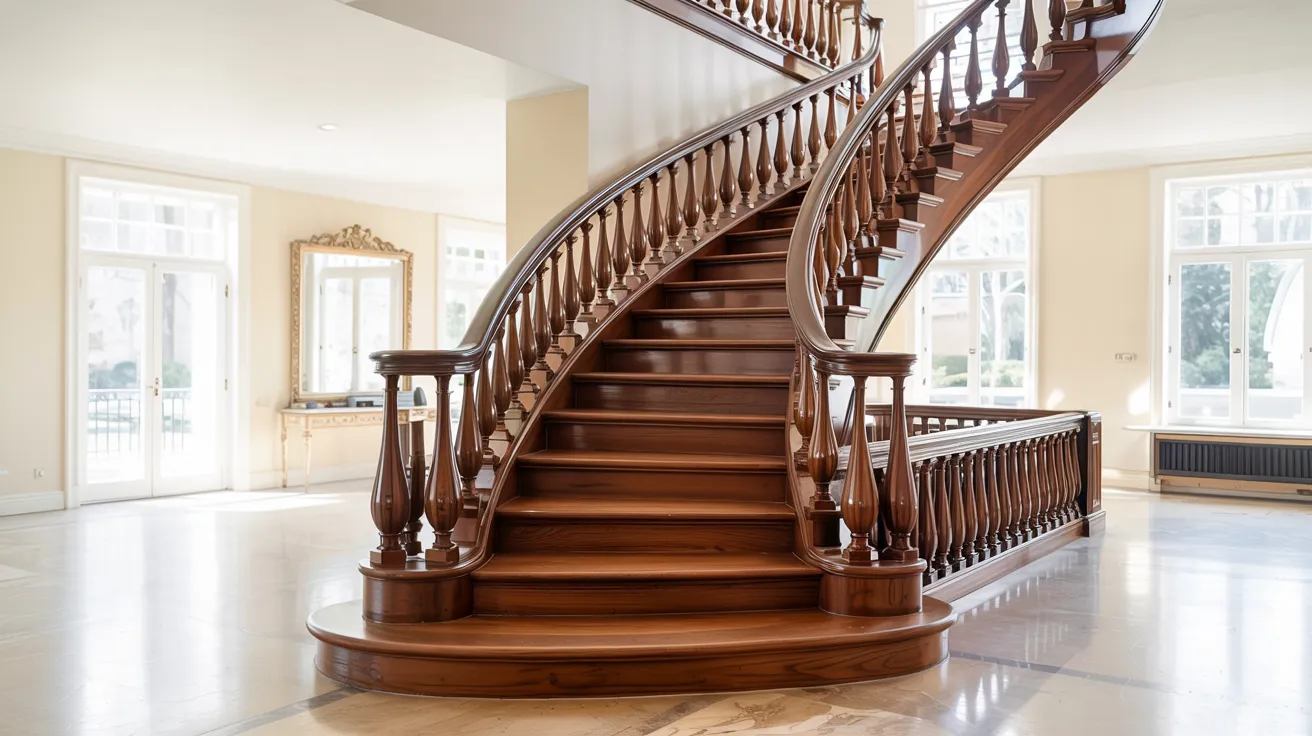
The wood’s strength and stability make it perfect for both straight and curved designs, supporting detailed balusters, handrails, or full risers.
Its natural sheen and uniform grain offer a smooth, elegant finish that pairs well with wrought iron or brushed metal accents.
If featured in a grand foyer or as a central design element in open-concept layouts, a mahogany staircase anchors the space with richness and refined structure.
Mahogany Lumber Cuts, Sizes, and Grade Information
Understanding how mahogany is milled and measured helps buyers choose the right material for their needs, whether for fine woodworking, structural use, or decorative purposes.
S2S, S4S, Quarter Sawn Explained
S2S (surfaced on two sides) leaves edges rough for trimming, while S4S (surfaced on four sides) is ready to use. Quarter-sawn boards are milled at an angle for added stability and visual striping, ideal for fine joinery.
Thickness, Width, and Length Specs
Mahogany lumber is typically sold in 4/4, 6/4, and 8/4 thicknesses (quarters of an inch), with widths ranging from 4 to 12 inches and lengths from 4 to 12 feet.
Thicker boards are ideal for carving or structural components, while thinner ones are well-suited for paneling and furniture frames. Consistent sizing aids in matching grain patterns and simplifies project layout and assembly.
When to Use Plywood vs Solid Mahogany
Solid mahogany is best suited for visible or load-bearing areas, such as tabletops and cabinet frames, offering strength and a rich grain.
Plywoodfeatures a mahogany veneer over a core, making it lighter and more affordable, and is ideal for drawer bottoms, backs, or panels. It also resists warping over wide spans.
Choose based on your budget, structural needs, and whether the piece will be subjected to heavy use or stress.
Comparison with Look-alike Woods
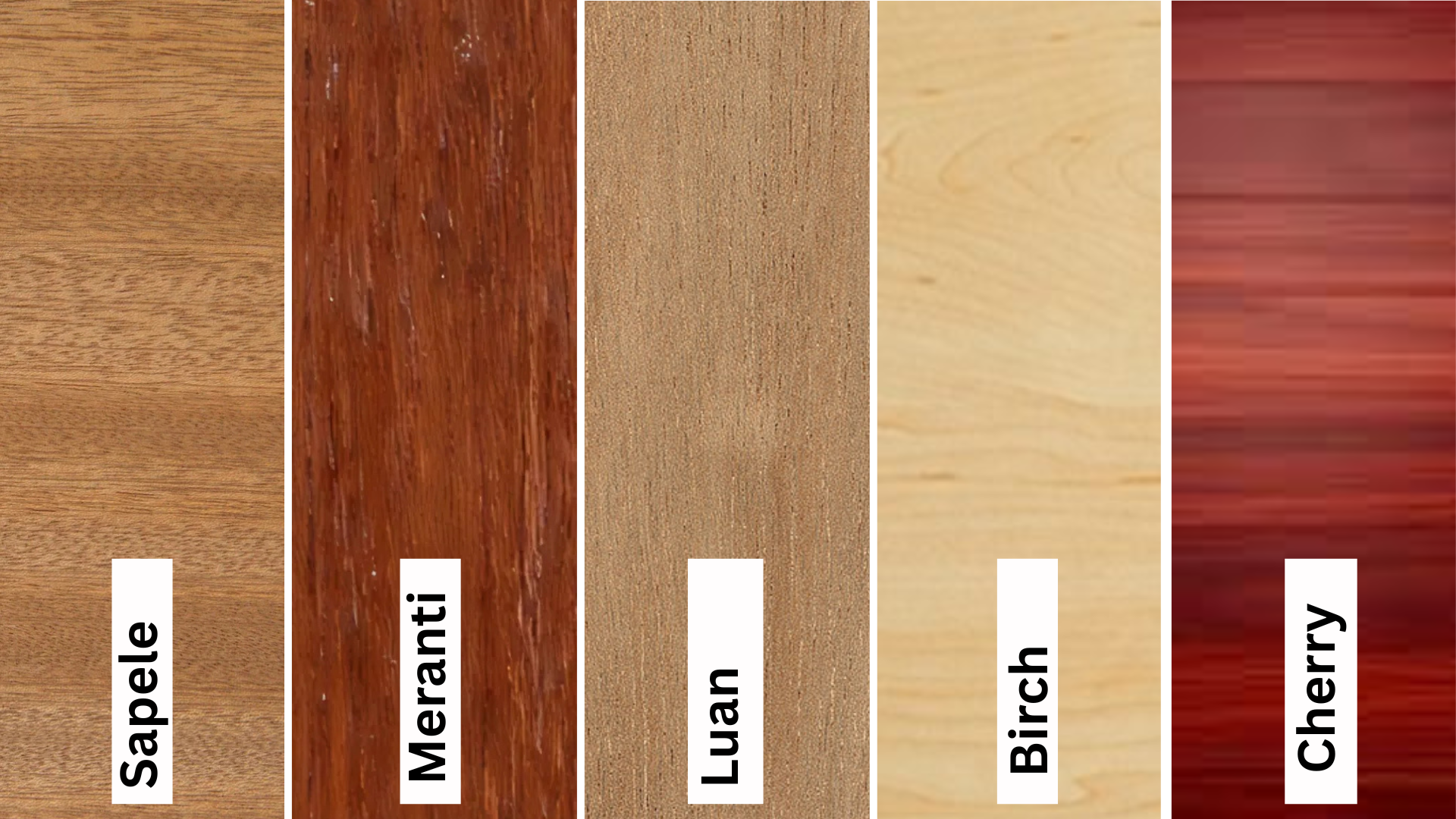
Some wood types closely resemble mahogany but fall short in key characteristics such as grain uniformity, weight, and natural tone retention.
|
Wood Type |
Key Differences from Real Mahogany |
Common Use Cases |
|
Sapele |
Heavier, more interlocked grain, often darker with striping |
Doors, flooring, trim |
|
Meranti |
Softer, more porous, less durable, uneven color |
Cabinets, paneling, and budget furniture |
|
Luan |
Lightweight, coarse-grain, lacks durability |
Plywood, underlayment |
|
Birch |
Pale wood stained to mimic tone, different grain pattern |
Furniture, veneers |
|
Cherry |
Reddish color, but lighter grain and different density |
Fine furniture, cabinetry |
Choosing and Sourcing Mahogany Lumber
Selecting mahogany involves understanding how it’s sold, where to find reliable vendors, and how to obtain specific sizes or finishes tailored to your project needs and delivery preferences.
Size and Type Options Available
Mahogany is sold in various dimensions and grades, including rough-cut boards, pre-surfaced lumber, and veneer sheets.
Selection often depends on whether you’re building furniture, doing trim work, or crafting smaller items.
Where to Buy (Online and In-Store Vendors)
Local hardwood dealers, specialty wood shops, and major home improvement stores sell mahogany. In-store shopping lets you inspect grain and texture directly.
Online vendors offer specifications, reviews, and size options, with some displaying photos of the exact boards. This helps ensure confident selections for specific projects, especially when buying remotely.
Custom Cuts and Shipping Options
Many suppliers offer cutting services to match specific project dimensions.
Delivery services range from local pickup to national shipping, with options for selecting preferred lengths, grain direction, and board preparation.
Care and Maintenance Tips for Mahogany Wood
Maintaining mahogany helps preserve its appearance and strength. Regular upkeep prevents damage and extends the life of furniture, flooring, or trim.
- Dust Regularly: Use a soft, dry cloth to prevent buildup that can scratch the surface over time.
- Avoid Excess Moisture: Wipe spills promptly and use coasters or pads to protect surfaces from water rings and heat marks.
- Use Mild Cleaners: Clean with a damp cloth and gentle soap if needed; avoid harsh chemicals or abrasives.
- Polish occasionally: Apply a wood-specific polish or oil to maintain the surface finish, following the manufacturer’s instructions.
- Protect from Sunlight: Keep items out of direct sunlight to reduce fading or uneven darkening over time.
- Maintain Stable Conditions: Store or use mahogany in areas with consistent humidity to prevent warping or cracking.
Conclusion
Now that you’ve got a solid understanding of natural mahogany wood, you know why it’s such a trusted option in both design and durability.
If you’re adding warmth to your kitchen, upgrading a staircase, or building custom furniture, you’re now equipped to make wise, confident choices.
Remember to buy from reliable sources and give it the care it deserves; it’ll pay off in both style and longevity.
If you’re curious about how other woods compare or need more design ideas, check out the rest of my blogs for inspiration!