Trompo Meat: A Celebration of Taste and Tradition
Trompo meat is not just a dish—it’s a culinary tradition steeped in history and flavor.
From the streets of Mexico City to the kitchens of Monterrey, vertical-spit roasted meat has become a symbol of cultural fusion and culinary mastery.
This blog explores the origins, preparation, regional variations, and timeless appeal of trompo meat.
From its Middle Eastern roots to its Mexican evolution, we’ll understand how generations of cooks have perfected this unique cooking method.
We’ll also examine the marinades, techniques, and regional styles that make each version special.
Learn how this flavorful tradition came to life, its evolution, and why it delights taste buds worldwide. Learn what makes trompo meat a cherished part of Mexican cuisine and its growing influence globally.
What Is Trompo Meat?
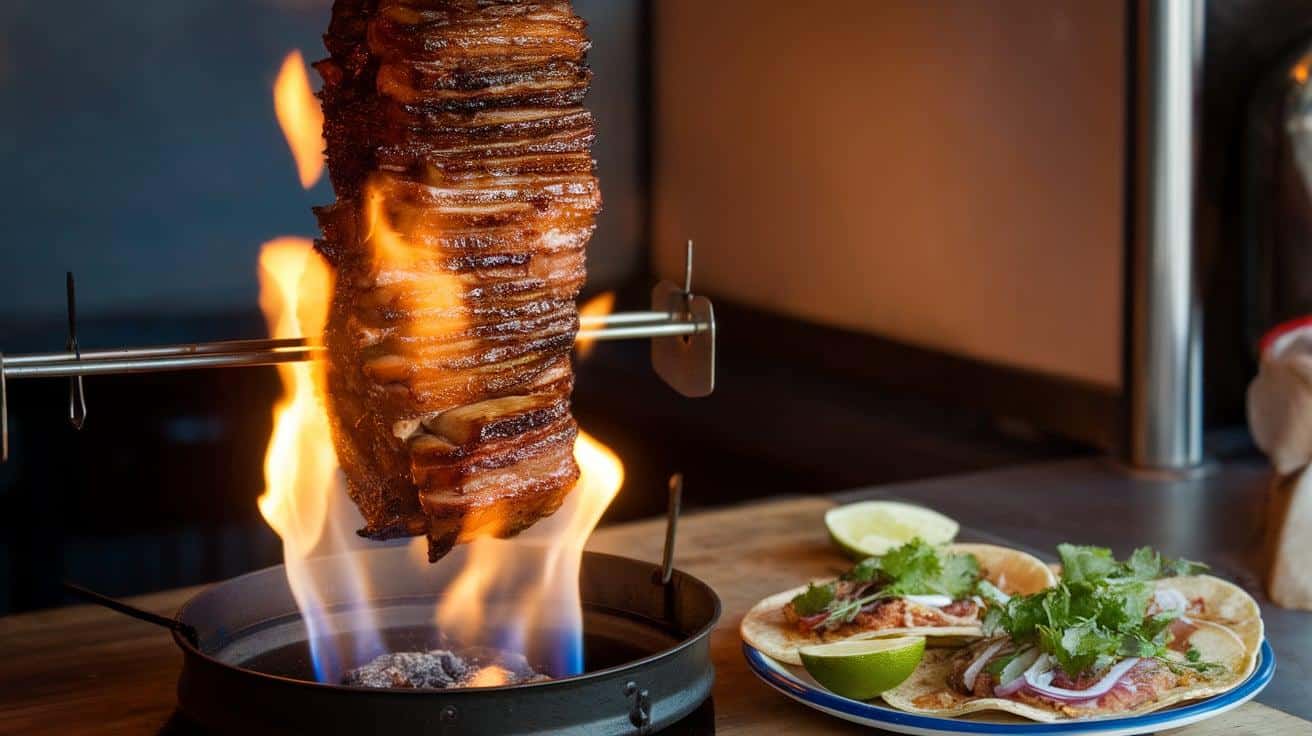
Trompo meat stands as a testament to Mexican cooking expertise. It features seasoned meat stacked and cooked on a vertical spit.
This preparation method creates thin, flavorful slices of meat that combine tenderness with perfectly crispy edges. The most common version uses pork for al pastor, though some places offer beef or chicken varieties.
Signature Features
The name “trompo” comes from the Spanish word for spinning top, referring to the distinctive rotating motion of the meat on the vertical spit.
As the meat turns, it develops a signature outer layer where the marinade caramelizes against the heat.
The slow rotation ensures that each slice contains a crispy exterior and tender, juicy interior, making trompo meat special.
Cultural Significance
Trompo meat represents more than a cooking method—it shows how food can bridge different cultures and traditions.
The technique began with Lebanese immigrants bringing their vertical cooking methods to Mexico, where local cooks adapted them with Mexican ingredients and flavors.
Today, trompo meat is a prime example of how culinary traditions can merge to create something unique and wonderful.
A Voyage Through History: Origins of Trompo Meat
1. Middle Eastern Roots
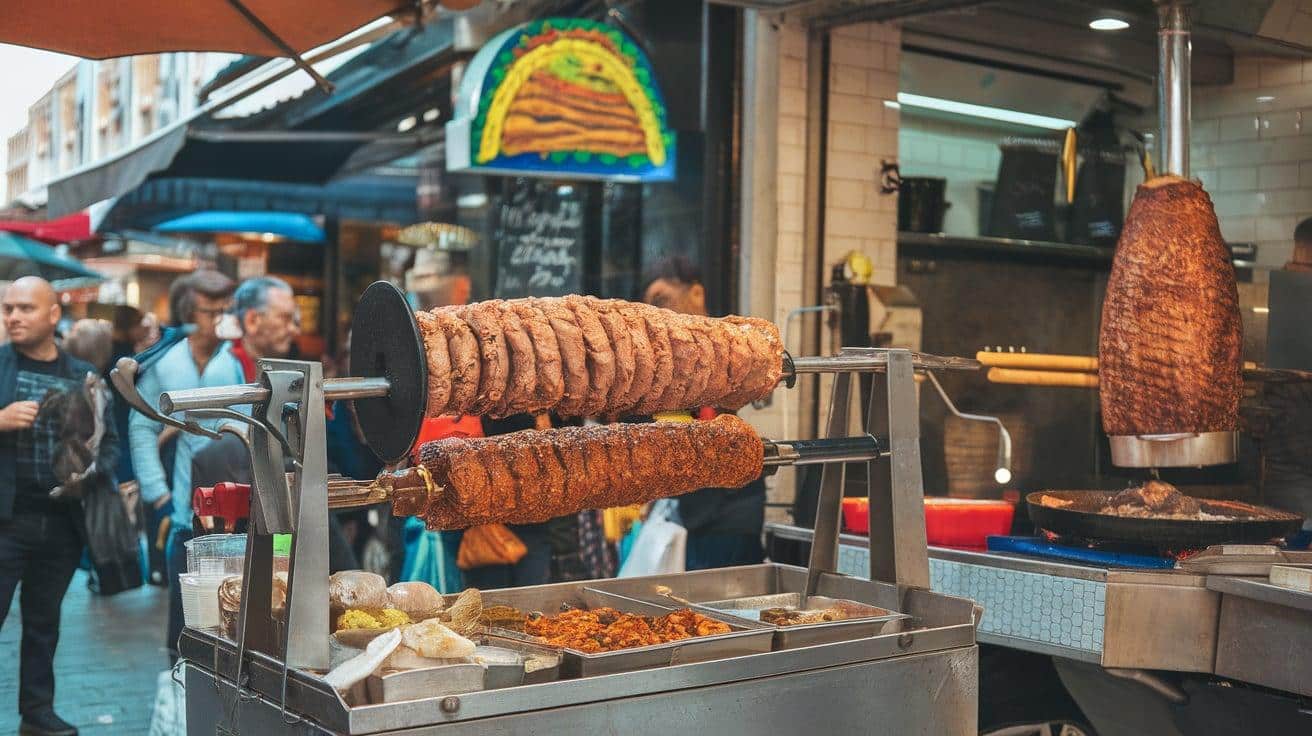
The story of trompo meat began in the late 1800s when Lebanese immigrants arrived in Mexico, bringing their traditional cooking methods.
These newcomers carried the technique of cooking seasoned meat on vertical spits, known as shawarma, in their homeland.
The method took root in Mexico, where local tastes shifted from the traditional lamb to pork, setting the stage for a new culinary creation.
2. Mexican Adaptation
In the 1930s, Puebla saw the birth of tacos árabes, the first Mexican adaptation of this cooking style.
Local cooks created a unique fusion by serving the spit-roasted meat in a special flatbread called pan árabe.
By the 1960s, Mexico City cooks had modified the dish, adding local spices and chiles to create what we now know as tacos al pastor.
3. Expansion Across Regions
The popularity of trompo-style cooking spread rapidly throughout Mexico, with each region adding its touch.
Mexico City became famous for its red-tinged al pastor, while Monterrey developed its distinctive orange-colored trompo.
The technique moved northward into the United States, finding new audiences in cities with large Mexican communities.
The preparation of the meat changed slightly as it moved from place to place. Some regions kept the traditional vertical cooking method, while others finished the meat on flat grills.
Each variation added something special to the trompo meat tradition, creating today’s rich variety.
The Art of Preparing Trompo Meat
Marinade Magic
The secret to perfect trompo meat is its complex marinade, which combines spices and seasonings.
Guajillo chilies form the foundation, providing a mild heat and rich color that defines the meat’s appearance.
Achiote paste gives the marinade depth, while vinegar and pineapple juice tenderize the meat and brighten the flavor.
Most recipes include Mexican oregano and cumin, giving the meat its earthy notes. Garlic adds a savory base that ties all the flavors together.
The marination process takes time, usually 4 to 24 hours, and allows the meat to absorb the full range of flavors.
Cooking Process
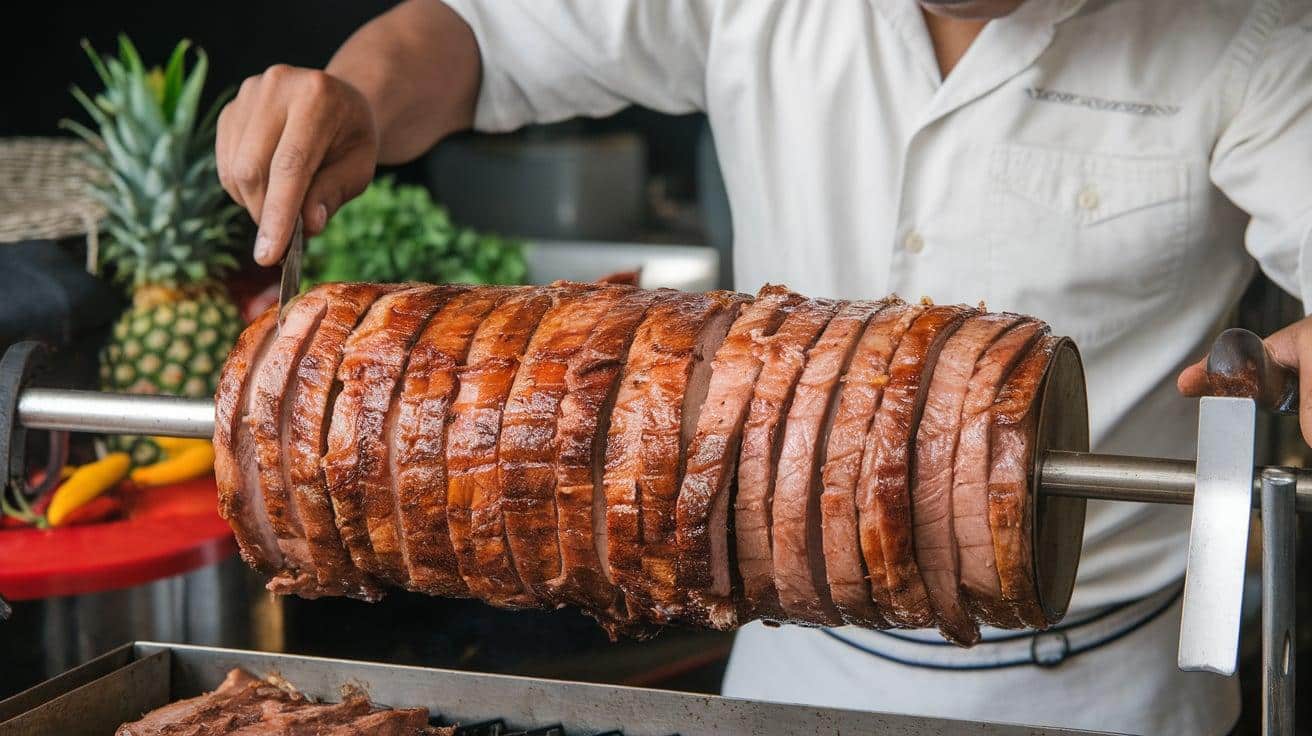
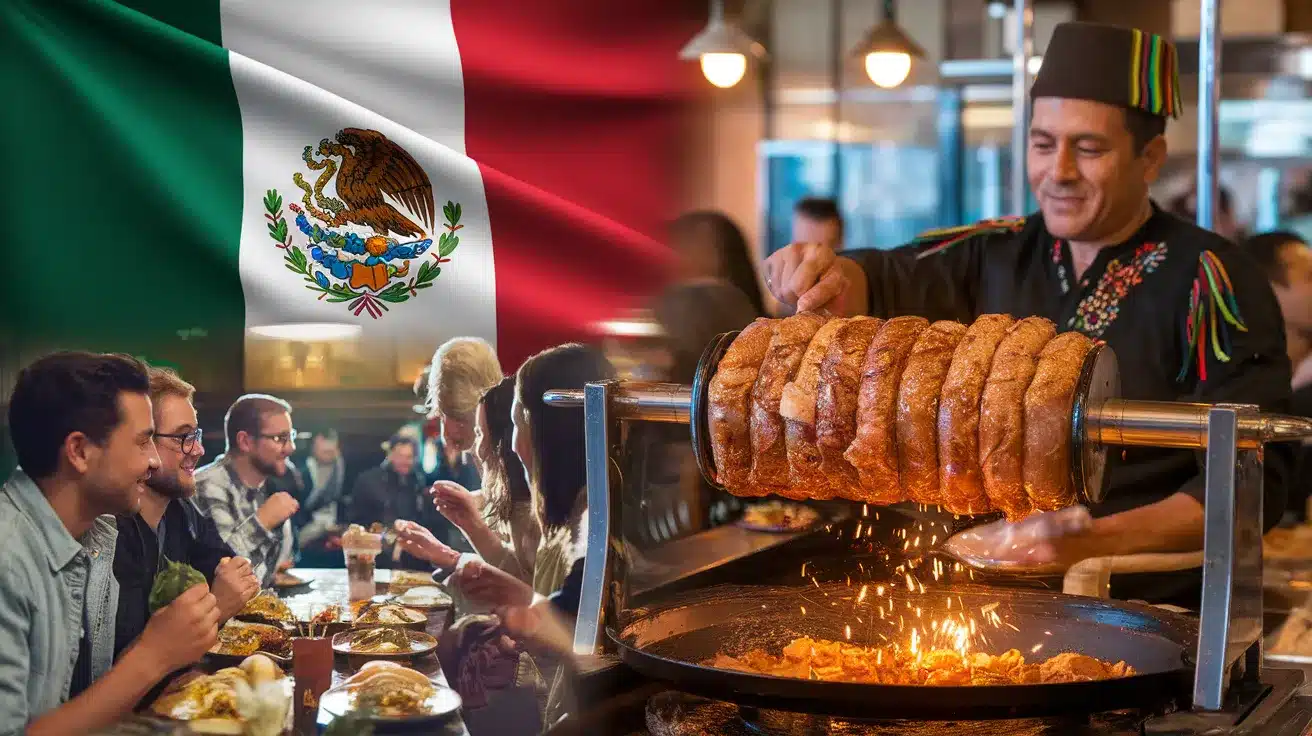
Creating trompo meat requires careful attention to the stacking process. Thin slices of marinated meat are layered upon each other to form a distinctive cone shape.
A skilled taquero knows the importance of pressing each layer firmly to ensure even cooking. The process starts with placing an onion at the base of the spit, which releases its flavors as it heats.
The cooking happens slowly, with the meat turning steadily near a heat source. Many traditional spots use charcoal for its smoky flavor, though gas flames work well too.
The outer layer browns and crisps while the inner layers stay moist. Some cooks place a pineapple at the top of the spit, letting its juices naturally baste the meat.
Serving Styles
When it comes to serving, trompo meat shows its true flexibility. The most common presentation remains the classic taco, where the beef is home in warm corn tortillas.
Some regions prefer flour tortillas, and when cheese is added, it creates what’s known as a gringa. The meat also works well in tortas, burritos, and pizza toppings.
The finishing touches matter just as much as the main ingredient. Fresh onions and cilantro provide a crisp contrast to the rich meat.
Salsas vary by region and preference, ranging from spicy red chile de árbol to cooling green avocado versions. Each addition helps create a complete flavor experience, making trompo meat a beloved dish.
Regional Variations of Trompo Meat
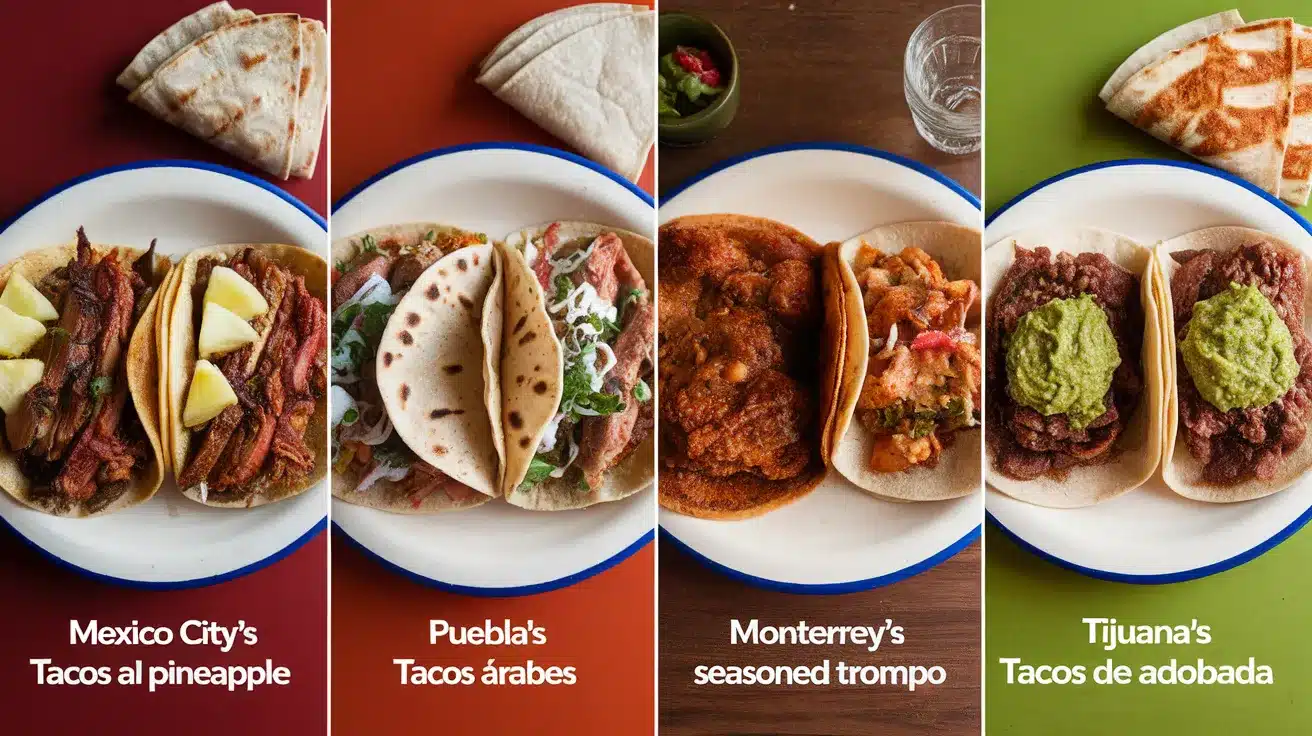
1. Tacos al Pastor
Mexico City made tacos al pastor its signature dish, setting standards that spread across the country. The meat glows bright red-orange color from achiote paste and dried chilies.
The city’s taquerias maintain their secret blends of spices passed down through generations.
Each taqueria takes pride in its unique recipe, though they all share the classic combination of marinated pork and sweet pineapple.
The preparation in Mexico City follows strict traditions. Taqueros stack thin slices of marinated pork on the vertical spit with careful attention to detail.
A pineapple crowns the top of the meat tower, its juices slowly seeping down during cooking.
The result captures a perfect balance of sweet, spicy, and savory flavors that have made Mexico City’s version world-famous.
2. Tacos Árabes
Puebla’s contribution to trompo meat history stands apart with its unique serving style. These tacos use a special bread called pan árabe, closer to pita than the corn tortilla.
The meat is marinated in a lighter sauce, stressing the pork’s natural flavors. This style stays closest to its Middle Eastern roots, clearly connecting to traditional shawarma.
The cooking method in Puebla focuses on achieving perfectly crispy edges while keeping the meat tender inside.
Taqueros serve these tacos with a simple chipotle sauce that adds smoky heat without overpowering the meat. This simpler approach highlights the pork’s quality and the cook’s skill.
3. Tacos de Trompo
Monterrey developed its distinct take on trompo meat, which is marked by its bright orange color from paprika-heavy seasoning.
The northern style skips the pineapple entirely, focusing instead on the pure meat flavor. Taqueros in this region finishes the meat on a hot grill, adding an extra layer of caramelization and smoke to each serving.
The meat in Monterrey-style tacos receives extra attention during the final preparation. After shaving it from the spit, the meat and tortilla are crisped on the grill.
This step creates a unique texture that sets tacos de trompo apart from other regional styles.
4. Tacos de Adobada
Tijuana’s version brings its character to trompo meat with a unique topping style. The meat shares similar seasonings with other regions but stands out through its presentation.
Cooks top these tacos with a smooth, creamy guacamole-style salsa that adds richness to each bite. The border region’s interpretation shows how trompo meat continues to evolve and adapt.
Modern Innovations and Global Appeal
New Twists on Tradition
The trompo meat tradition continues to grow through creative new interpretations. In 2012, chef Roberto Solís introduced al pastor negro, using burned tortillas and charred dried chilies to create a striking black-colored marinade.
This version adds deep, smoky notes to the traditional flavor profile. The success of al pastor negro opened doors for other creative approaches to trompo preparation.
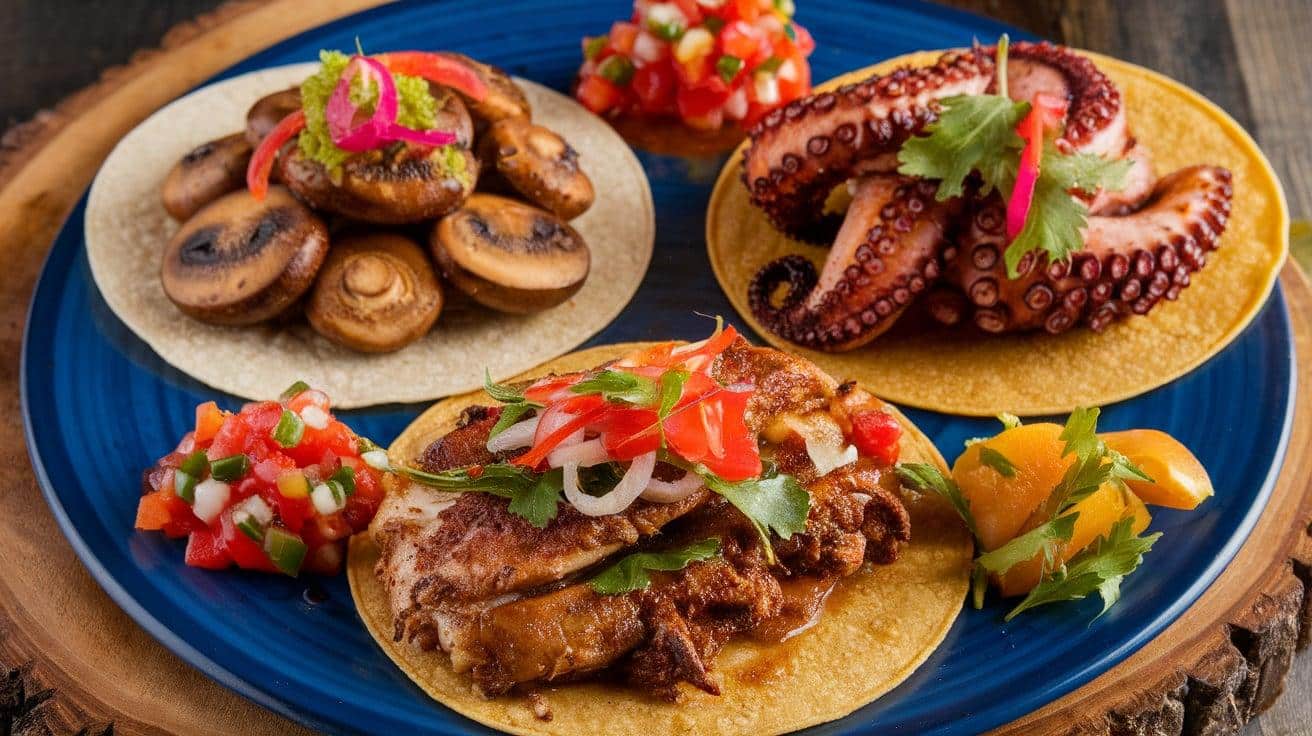
Plant-based options have emerged to meet changing dietary preferences. Some restaurants now offer mushroom trompos that replicate the texture and satisfaction of traditional meat versions.
Cauliflower trompos, seasoned with poblano chile marinades that create rich, satisfying flavors, have also gained popularity.
These vegetarian options show how trompo cooking can adapt while maintaining its core appeal.
Innovative protein choices have also entered the scene. Some bold chefs have created octopus trompos, bringing seafood into this traditionally land-based dish.
The tender texture of well-cooked octopus pairs surprisingly well with traditional trompo seasonings. This combination shows how traditional techniques can adopt new ingredients while respecting their origins.
Global Influence
The reach of trompo meat extends far beyond Mexico’s borders. In the United States, cities with large Mexican communities have adopted these cooking methods.
Restaurants in Chicago, Los Angeles, and other major cities now serve authentic tacos árabes and al pastor.
American diners have come to appreciate the complex flavors and cooking skills that trompo preparation requires.
The influence has come full circle, with Middle Eastern countries now offering their interpretations. Some Lebanese restaurants serve “shawarma mexici,” featuring chicken prepared with Mexican-inspired marinades.
This cultural exchange shows how food traditions can travel across continents, picking up new influences.
Why Trompo Meat Is So Famous?
Flavor Complexity
Trompo meat represents the perfect cooking technique, combining caramelized outer layers with juicy interiors.
The marinades blend chile heat, citrus brightness, and earthy spices, creating complex flavor profiles that unfold with each bite.
Cultural Symbolism
This cooking style emerged when Lebanese immigrants brought shawarma methods to Mexico.
Local cooks added Mexican ingredients, transforming the dish into beloved varieties like al pastor, tacos árabes, and Monterrey-style trompo tacos.
Versatility
The cooking method works beyond traditional pork, including creative options like mushrooms and octopuses.
While tacos remain classic, trompo meat enhances tortas, pizzas, and fusion dishes. This adaptability, combined with its rich cultural heritage and layered flavors, explains its growing global appeal.
Each regional style adds its signature: Mexico City’s achiote-marinated al pastor crowned with pineapple, Monterrey’s paprika-seasoned version, and Puebla’s shawarma-inspired tacos árabes.
Together, they showcase how traditional techniques can evolve while honoring their roots.
Wrapping It Up
Trompo meat is a shining example of how cooking techniques can cross borders and create something extraordinary.
From its Middle Eastern roots to its Mexican evolution, this meat preparation method shows the power of cultural exchange in creating memorable food.
The careful attention to marinades, the skill of stacking and cooking, and the various regional interpretations all contribute to its special place in modern cuisine.
This cooking style continues to unite people, whether enjoyed as traditional tacos al pastor in Mexico City, paprika-spiced trompo in Monterrey, or newer creative forms.
Its lasting appeal lies in its flavors and ability to adapt while maintaining its core identity. Trompo meat reminds us that great food can bridge cultures and create lasting traditions.