9 Ways to Reduce Operating Costs in Your Commercial Property

Photo courtesy of Pexels
Acquiring your dream commercial property often comes with a lot of early excitement. You want the best retail or office space, so you spend a lot on utilities, internet plans, and equipment that feels essential. However, those costs can tighten margins before you know it.
Adjusting how much it costs to run your property today can create more financial breathing room for you tomorrow. It helps you future-proof your business by making it more sustainable and cost-efficient. Here are nine ways to reduce those operating costs in your commercial space.
Stay on Top of HVAC Maintenance
Comfort matters in retail and office spaces. People notice when a room feels too warm or too cold. That’s why HVAC systems often run for long hours in these spaces. That can push up energy bills and strain the system over time.
This is why it’s vital to have regular HVAC maintenance in your commercial property. It includes cleaning filters and checking for proper airflow. This ensures the system works efficiently and doesn’t cost you extra on your bills. You get more stable temperatures in your space and better control over operating costs.
Upgrade to Energy-Efficient Roofing
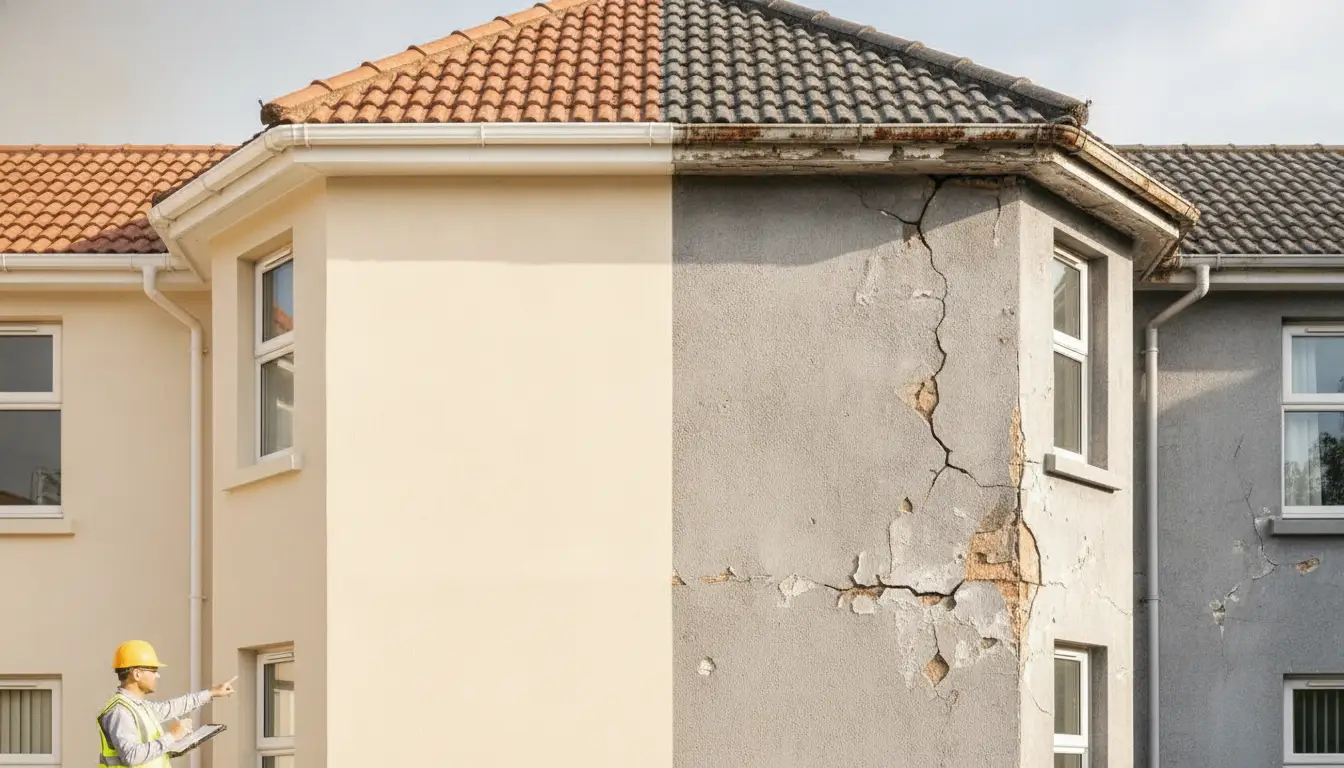
If heat comes in too easily or cool air escapes, your HVAC system works overtime. You’ll notice the effect later, when your utility bill climbs. Investing in energy-efficient commercial roofing can help keep indoor temperatures more stable. It uses better insulation layers that reduce heat absorption and slow down temperature transfer. That means less pressure on your HVAC systems, leading to utility costs that actually make sense.
Switch to LED Lights
Lighting runs every day in both offices and retail spaces, so it has a significant impact on your energy bills. Fluorescent bulbs tend to use more energy than you realize. They also burn out faster, which means more frequent replacements and maintenance interruptions.
LED lighting changes the game. Compared to fluorescent lights, LEDs use far less electricity to produce the same brightness. They last significantly longer, too, which means you don’t have to buy new bulbs or change them as often. Make the switch, and you’ll get savings out of lower energy costs and maintenance budgets.
Optimize Layout for Natural Light
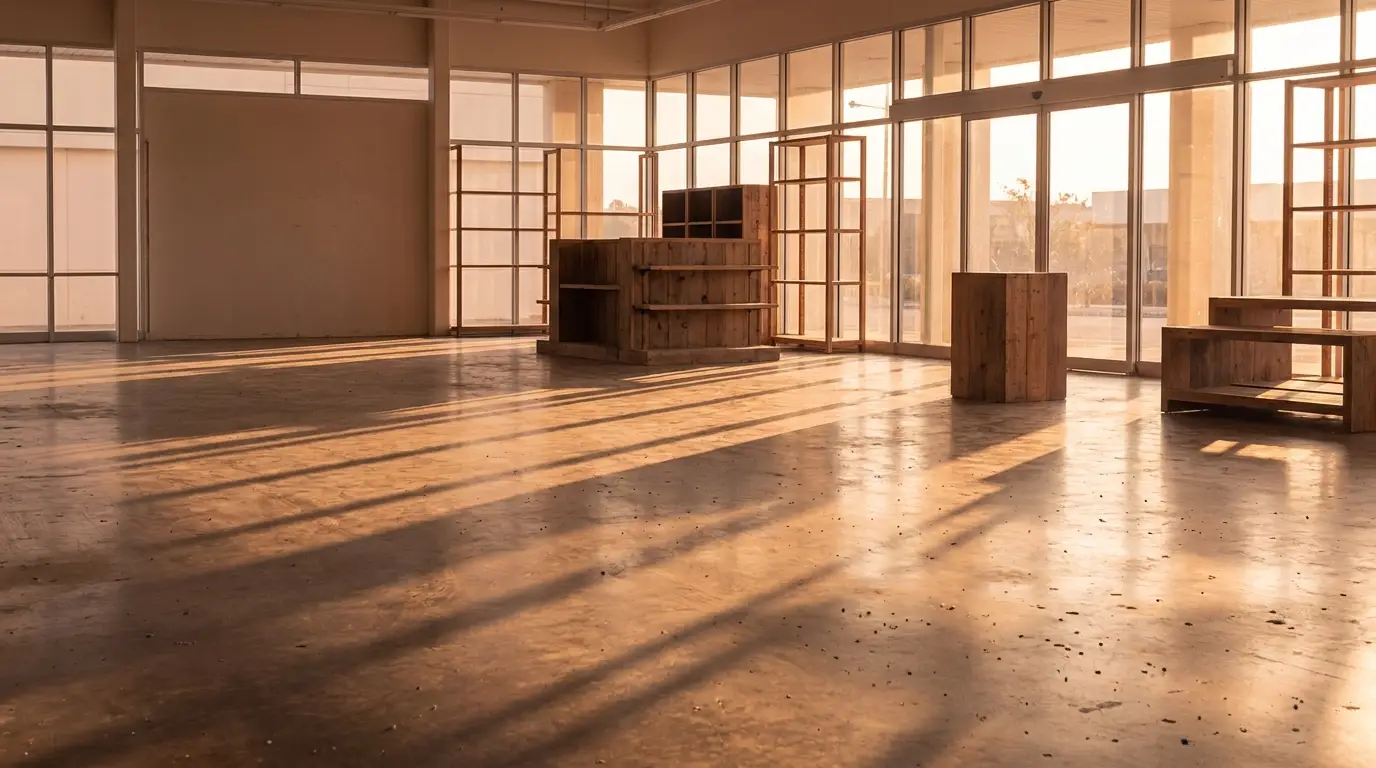
Natural light is one of those free resources that most property owners forget to take advantage of. Offices close it off with partitions, while retail layouts prioritize symmetry and aesthetic displays over sunlight. Then, the lights stay on longer than needed, and the utility bill grows.
Strategic layout changes that maximize natural light can help cut business electricity costs. Let the sunlight in, and you won’t need to use lighting as much. It also improves the overall customer experience, one of the key pillars of a retail business.
Conduct Regular Equipment Audits
Old equipment can cost a lot more than you realize, like a seven-year-old printer that chews through electricity or a fridge in the break room that needs repairs every couple of months. Regular equipment audits help you see which of your commercial property’s appliances are still efficient, and what’s pushing your expenses higher each month.
In many cases, upgrading to newer, more energy-efficient models ends up being more cost-effective than continuing repairs. That’s the kind of thing you’ll realize with consistent audits.
Rely on Fewer Machines
Over time, business spaces tend to collect machines the way kitchens collect unused gadgets. Each one adds a bit to the energy bill without always adding real value. Streamlining equipment keeps things simpler and cheaper to run. Instead of having a printer, a scanner, and a photocopier, invest in a single machine that handles all three tasks.
In a retail space, downsize to a single modern POS system rather than multiple outdated devices. When you’re smart with it, you get less clutter, less energy drain, and less to pay for.
Automate Energy Shutdowns After Hours
Empty commercial spaces still consume energy after employees go home for the day. The lights stay on, and appliances hum in the background, which makes your bills balloon unnecessarily.
Automating shutdowns helps fix that. Timers or smart controls can turn off lights, display systems, and devices once business hours end. It’s one of those upgrades that doesn’t affect how you work during the day, but has a huge impact on your monthly expenses.
Monitor Water Usage
Water costs also boost monthly overhead costs in a commercial space. A slow leak in a restroom or frequent cleaning routines can add up without feeling drastic in the moment. However, when you look at your water bill, you’ll realize there’s a lot of work to do.
Try basic strategies to reduce your water bill, such as regularly checking fixtures to prevent leaks and choosing efficient taps. In restrooms, post signs reminding employees to conserve water. Monitor water usage in kitchens, too, to help keep costs more predictable.
Rethink After-Hours Cleaning Frequency
Clean spaces matter a lot in both retail and office settings. Still, not every area needs a super thorough cleaning every single day. Some zones see constant traffic, while others stay untouched all day. If you spend resources cleaning every spot too often, you could end up losing money unnecessarily.
While commercial cleaning is important for any business, adjusting frequency based on actual use can help you control costs. For example, high-traffic areas such as entrances may require daily attention. Meanwhile, storage rooms can follow a lighter, twice-a-week schedule. When you plan the schedule right, you keep your property looking polished while avoiding high costs.
Endnote
The ideas above should help you be more aware of the expenses that come with running a commercial property. When you’re smarter about the operation costs, you and your business will stay financially steady. There’s less waste, fewer surprises, and more control over where your money goes.