Why Your Garden Needs a Design Brief Before It Needs a Spade
Most garden projects start in the wrong place.
Someone buys a house. The garden is either a blank slate of mud or someone else’s decade-old choices that never felt right. The impulse is to get started: pull things out, buy plants, order paving, look at fences. The urge to do something is understandable. It is also, in most cases, the reason gardens end up feeling half-finished or subtly wrong after a lot of time and money.
The missing step is thinking before spending. And that means starting not with materials or plants, but with a brief.
What a Design Brief Actually Is
It sounds more formal than it needs to be. A brief is just a clear statement of what you want the garden to do, who it needs to work for, and what constraints you are working within.
In practice: How do you actually use outdoor space? Do you eat outside in summer, or does that rarely happen? Do children use the garden, and will that change in five years? Do you want low maintenance, or are you happy to garden actively? Is there a view worth keeping, or a boundary that needs screening?
These questions feel obvious but they rarely get asked before work begins. Most homeowners skip straight from “I want the garden to look better” to picking a paving style or deciding where to put a lawn. The brief is what sits in between those two things, and skipping it is why so many garden projects produce spaces that look fine but never quite feel right.
Why the Brief Has to Come Before Everything Else
The brief shapes every decision that follows. Including the ones that seem unrelated.
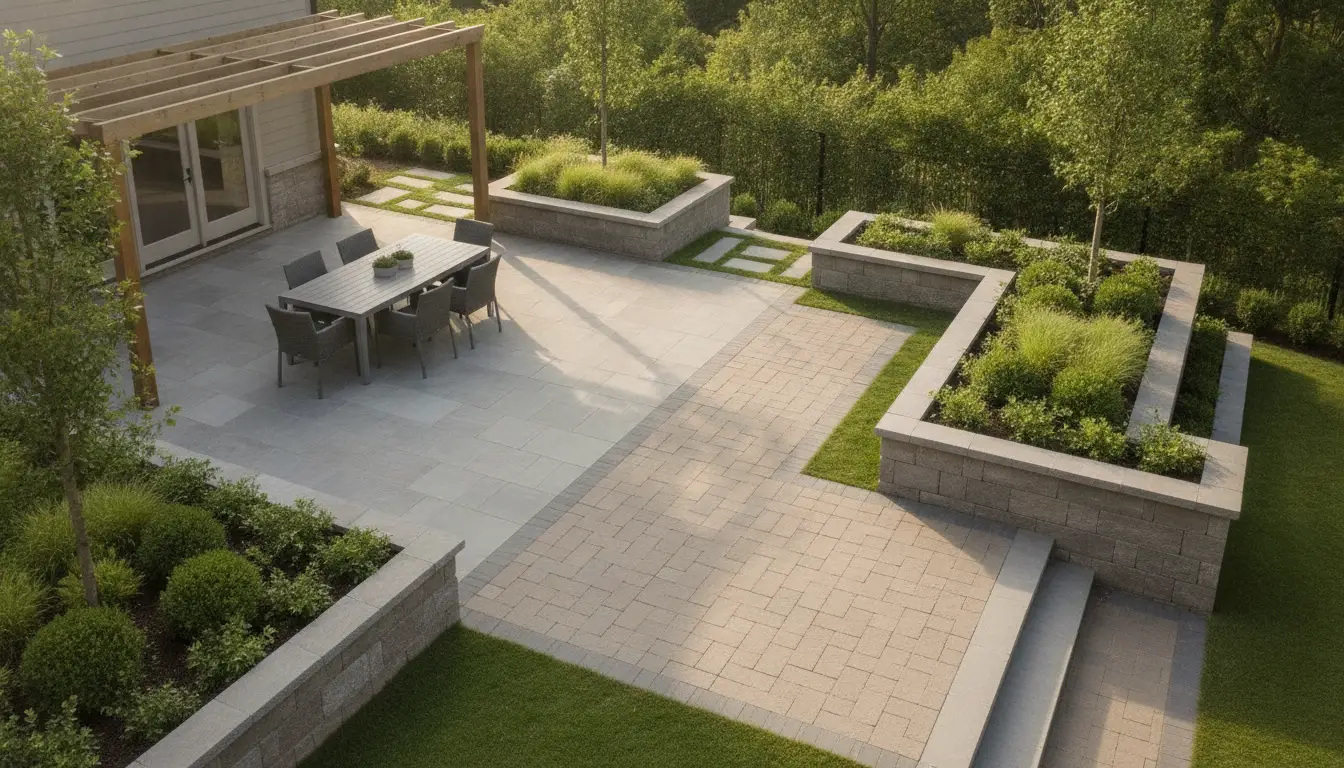
Take zoning as an example. A garden that needs to function as a play space for young children, a dining area for adults, and somewhere to grow vegetables are three different things. Without a brief, those three needs compete for the same space and none of them gets handled well. With a brief, you can zone deliberately: children’s area here, dining there, raised beds along that boundary where they catch the best sun.
Or take planting. The plants you choose depend on the conditions in your garden, yes. But they also depend on how much time you want to spend maintaining them, whether you want year-round interest or just summer colour, whether you have dogs or children who will wreck anything too delicate. A design brief establishes those requirements before you spend anything on plants that turn out to be wrong for your actual life.
The same logic applies to hard landscaping. Paving materials, path widths, steps, walls. All of these look different in a catalogue than they do in a real garden, and the right choice depends on what the space needs to do. A path that looks elegant in a photo might be too narrow for a wheelbarrow, or too light in colour to hide the mud from a wet summer. The brief is what stops you making those decisions based on appearance alone.
What a Good Brief Covers
It does not need to be long. A page or two of honest answers to the right questions is more useful than a detailed mood board with no practical grounding.
Start with the people. Who uses the garden and how? Think about this over the full week, not just in ideal conditions. Tuesday evening after work looks different from a Sunday afternoon with guests. If children are part of the picture, think about how their needs will change over the next five to ten years; a trampoline area becomes a seating area eventually, and a brief that accounts for that saves you redesigning the garden twice.
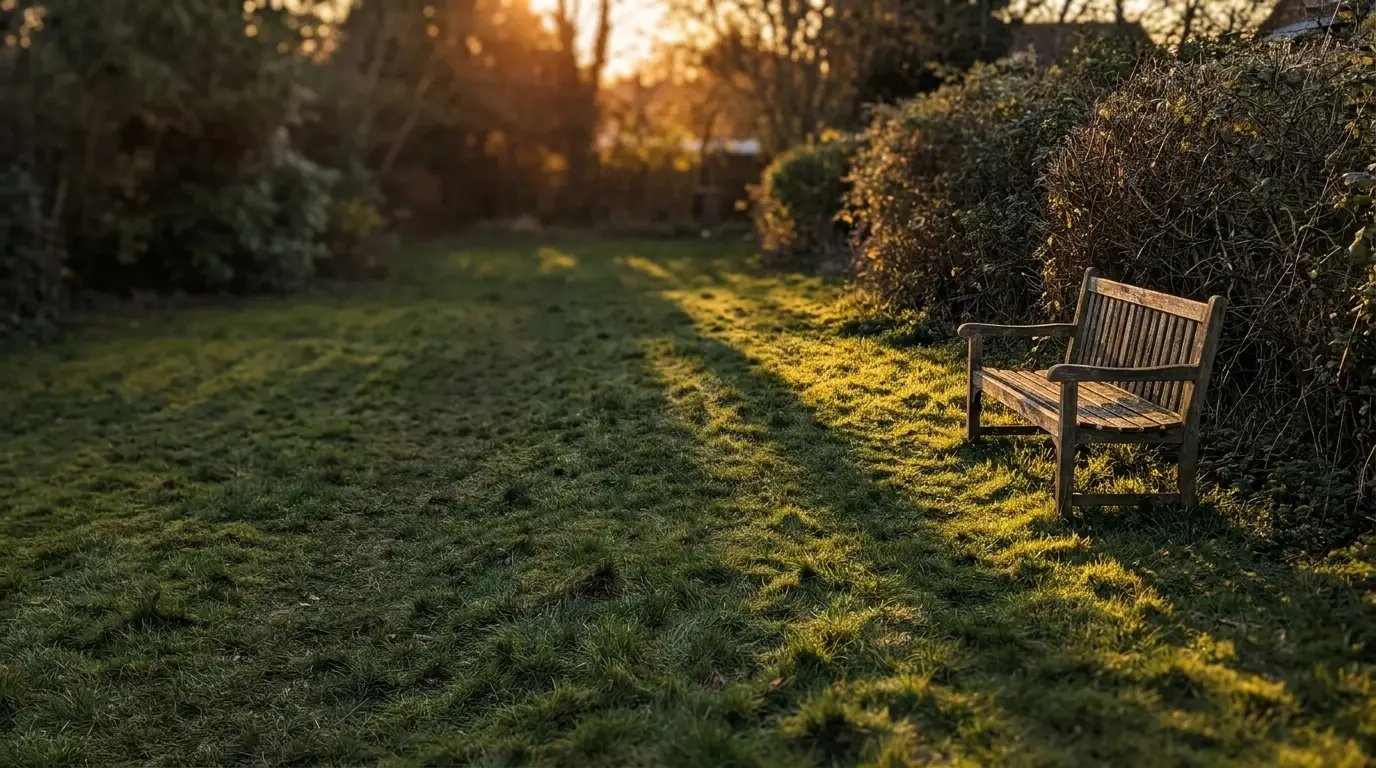
Then look at the site. Aspect, meaning which direction the garden faces, determines where you get sun at different times of day. This is probably the most important single factor in where things go. A dining area that only gets sun at lunchtime is a frustrating place to eat dinner. A seating corner that catches the last of the evening light is used constantly. Walk around your garden at different times of day before committing any space to a purpose.
Soil and drainage matter too. Waterlogged ground eliminates a large number of plants. Thin, dry soil in a sheltered spot opens up others. Knowing this before you start means your planting choices are realistic.
Style comes last. This is where most people begin, but it works better as a constraint than a starting point. Once you know what the space needs to do and what the site allows, you can think about what style fits those requirements.
Where Professional Design Adds Value
Many homeowners attempt the brief themselves, get a reasonable way through it, and then reach a point where translating it into an actual design is beyond what they can do on paper.
That is the point at which a professional garden designer earns their fee. Not by coming up with ideas you could not have had, necessarily, but by knowing how to turn requirements into a workable plan that accounts for the things you would not have thought to consider.
Levels, for instance. Most domestic gardens have some change in level, and managing that well is a structural problem before it is an aesthetic one. Getting it wrong means drainage problems, retaining walls that fail, or steps that are awkward to use.
Plant selection is another area where expertise pays off. A designer who knows your soil type, your aspect, and your maintenance preferences will give you a planting plan that works in reality. The right plants in the right places reduce ongoing maintenance considerably.
The value of a professional garden design approach is not just the plan itself. It is having someone translate your brief into decisions you can trust, before anything has been bought or disturbed.
The Questions Worth Asking Before You Meet a Designer
If you are thinking about working with a designer, or even just doing a more considered version of the project yourself, there are a few questions worth sitting with before anything else.
What would make this garden feel finished? Not what would make it look better, but what would make you feel it was actually done. Some people want low maintenance above everything. Some want a beautiful space regardless of the work it takes. Some want somewhere to grow food. Some want a garden that works for a party of twenty. Knowing which of these matters most to you will orient every other decision.
What has not worked about it so far? This is often more revealing than describing what you want. A garden that is never used has a reason. It might be shade, or poor access from the house, or a surface that is unpleasant underfoot. A garden that feels cluttered has a reason. A garden that drains badly has a reason. Understanding the problem before designing the solution is half the work.
According to the American Society of Landscape Architects, homeowners who undertake a professional design process before construction report significantly higher satisfaction with the result than those who proceed directly to installation. It is easier to change a plan on paper than to undo work already done.
The Difference Between a Garden Plan and a Garden Design
These are not the same thing and the distinction matters.
A garden plan is a drawing of what goes where. Dimensions, positions, materials. Useful, but it does not tell you why those decisions were made.
A garden design is a response to a brief. It explains the thinking behind the layout, the plant choices, the material selections. It gives you something to refer back to when decisions come up during the build.
The difference shows up when things do not go exactly to plan, which they rarely do. An unexpected drainage issue. A plant that is unavailable. A budget adjustment. When you have a design, you have a set of principles to apply. When you only have a plan, every deviation is a problem with no clear answer.
Starting Over vs. Starting Right
There is a version of every garden project that begins again after two or three years because the first attempt did not work. A patio in the wrong place. Planting that looked good in year one and is now a burden. A lawn that nobody uses because it sits in shade. According to the Royal Horticultural Society, poor planning is among the most commonly cited reasons homeowners report dissatisfaction with completed garden projects.
The brief does not guarantee a perfect result. But it means the decisions you make are grounded in something real: how you live, what the site allows, what you are willing to maintain, what the space is actually for. That is a more reliable foundation than starting with a paving sample and working backwards.