What to Do When Your Transponder Key Stops Working
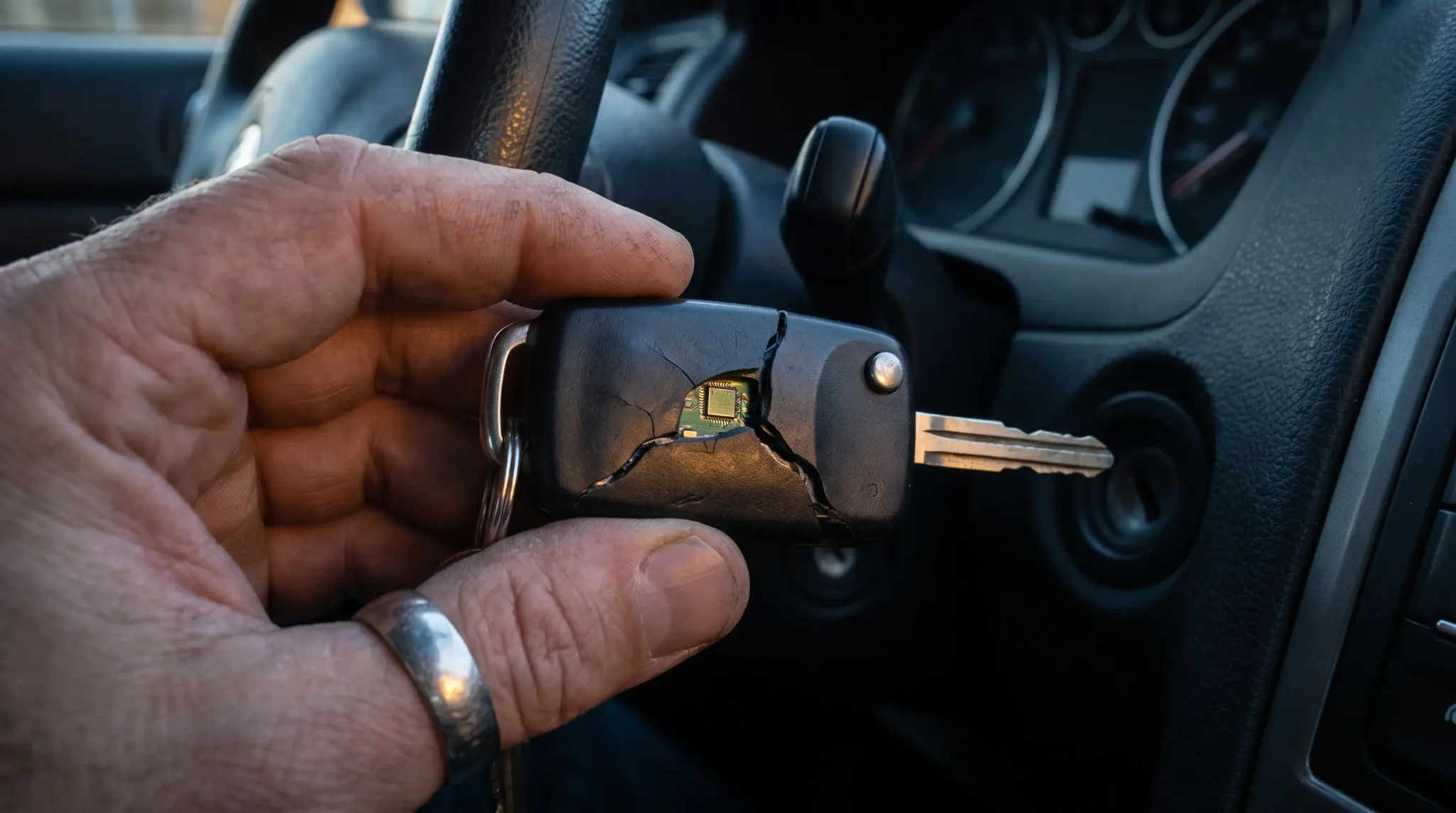
A transponder key contains a small chip that communicates with your vehicle’s immobiliser. If the car does not recognise the chip, the engine may refuse to start even if the key blade turns perfectly. That is why a transponder fault can feel confusing: the mechanical key works, the dashboard lights may appear, but the car will not run.
According to industry locksmith specialists LocksmithLocal, before assuming the worst, separate three issues: remote locking, mechanical turning and immobiliser authorisation. A fob battery can stop the buttons working. A worn blade can stop the key turning. A transponder or immobiliser issue can stop the engine starting. The fix depends on which part has failed.
Common Symptoms
Transponder problems often show as a flashing security light, “key not recognised” message, engine starting then cutting out, ignition turning but no start, or one key working while another does not. Remote button failure alone is not always a transponder issue. If the key unlocks the car manually and turns the ignition but the engine refuses, look at the immobiliser side.
Push-button start cars may say the key is not detected. Sometimes holding the fob against a marked emergency start point allows the car to read a weak key. The owner’s manual often shows this backup location.
Try the Spare Key
If you have a spare, try it. If the spare starts the car, the fault is likely in the original key: damaged chip, failed fob electronics, broken case, weak battery for proximity functions or lost programming. If neither key works, the vehicle’s antenna, immobiliser module, battery, wiring or ignition system may be involved.
Do not repeatedly crank the engine if the security light suggests immobiliser rejection. You may drain the battery and add another problem.
Replace the Fob Battery Where Relevant
Traditional transponder chips in blade keys often do not need a battery to be read by the immobiliser, but remote fobs and proximity keys do. A weak fob battery can stop remote locking and prevent a smart key from being detected. Replace it with the correct battery type and check polarity.
After battery replacement, some vehicles need resynchronisation. Follow the manual for your specific make and model. If the key still is not recognised, programming or key repair may be needed.
Inspect the Key
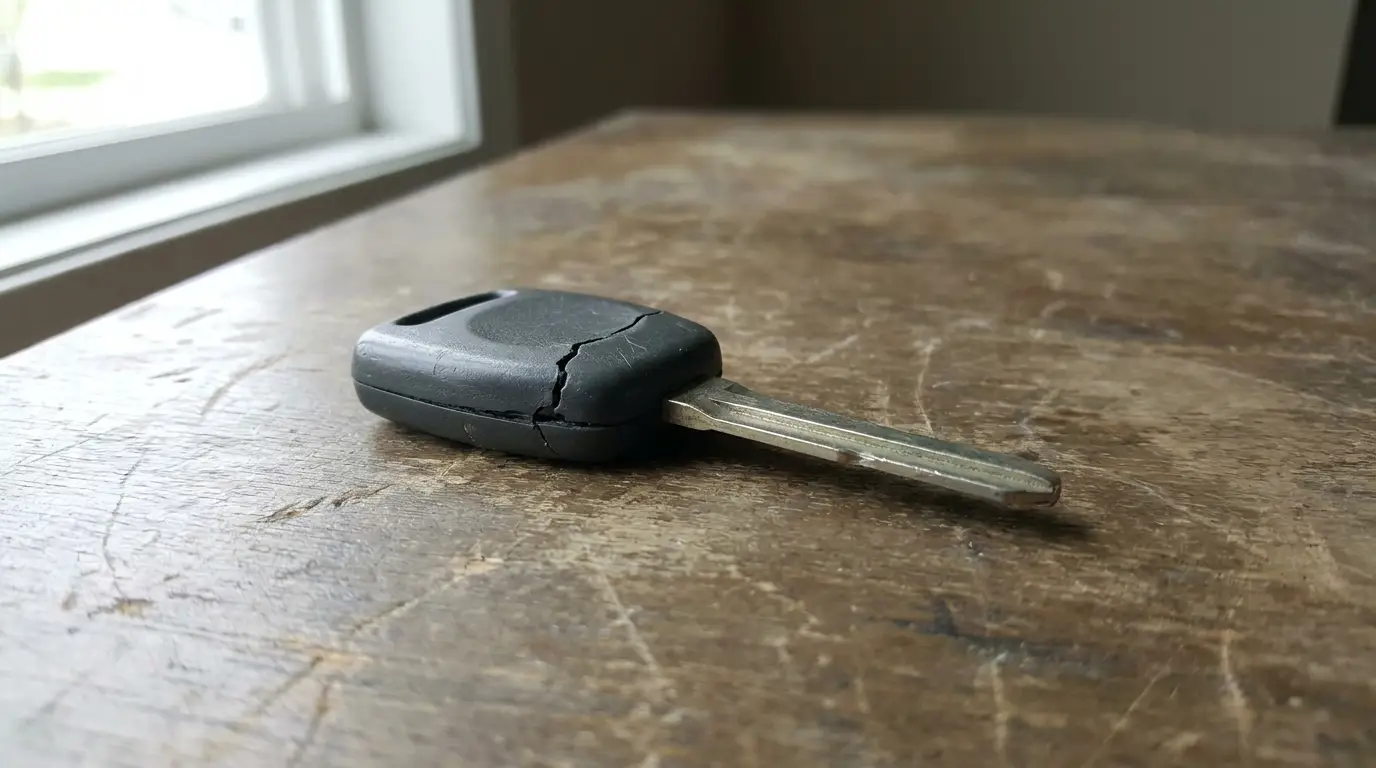
Look for a cracked shell, water damage, missing buttons, loose blade, damaged circuit board or signs that the key has been dropped hard. Many keys fail after going through a washing machine or being left in damp conditions. A taped-up key may work for months, then suddenly fail when the internal chip shifts or the board cracks.
If the blade is separate from the chip, be careful. Some people replace a key case and accidentally leave the transponder chip in the old shell. The new blade then turns the ignition but cannot start the car because the chip is missing.
Could It Be the Car Battery?
Yes. Low vehicle battery voltage can create strange immobiliser and key recognition symptoms. If the dashboard is dim, central locking is weak or the car has been unused for a long time, check the vehicle battery. However, do not assume every no-start issue is battery-related. If the security warning is active, the immobiliser still needs attention.
A locksmith or vehicle technician may test both the key and vehicle systems before programming anything.
Reprogramming and Replacement
If the key has lost programming or the chip has failed, an auto locksmith may be able to program a replacement transponder to the car. This can often be done on-site for common vehicles. If the key is damaged but still readable, cloning may be possible. If all keys are lost or none are recognised, the process is more complex and may require diagnostic access to the immobiliser.
For some vehicles, dealer-only security access or ordered parts are required. A professional should confirm coverage before attending.
Erasing Lost or Suspect Keys
If your transponder key stopped working because another key was lost or stolen and a new key is being programmed, ask whether the missing key can be erased. This is important when key security is compromised. Erasing means the old key should no longer start the engine, although physical door access depends on vehicle design.
For normal failure where all keys are accounted for, erasing may not be necessary.
What Not to Do
Do not keep buying random online key blanks without checking chip type, frequency and compatibility. Do not swap key shells without transferring the transponder. Do not tape a cracked key indefinitely. Do not assume the remote battery is the only issue if the engine will not start. Do not accept programming from anyone who will not verify vehicle entitlement.
Also avoid disconnecting the car battery repeatedly unless advised. On some vehicles, that can create additional coding or alarm issues.
What Information to Give When Calling
Tell the locksmith:
- Make, model, year and registration
- Whether the key turns in the ignition
- Whether the remote buttons work
- Whether the engine cranks, starts then stops, or does nothing
- Whether the security light flashes or a message appears
- Whether you have a spare key
- Whether the key was dropped, wet or repaired recently
- Whether all keys are present or one is lost
These details help identify whether it is a key, fob, immobiliser, battery or ignition issue.
Cost Factors
Cost depends on whether the key can be repaired, whether a new transponder is needed, whether you have a working spare, whether the vehicle is locked, whether the job is on-site and whether old keys need deleting. Repairing a case or replacing a battery is cheaper than programming a smart key. All-keys-lost work costs more than adding a spare.
Ask for a quote that includes the key, cutting if needed, programming and testing. The finished key should lock, unlock and start the vehicle if those functions are part of the agreed work.
The Practical Answer
A transponder key that stops working is not always a disaster, but it does need proper diagnosis. Try the spare, check the fob battery, inspect for damage and note any immobiliser warnings. If the key still is not recognised, call a specialist before spending money on incompatible parts.