What Makes a Neighborhood Feel Like Home?
Finding the right house is an exciting milestone, but creating a true sense of home often depends on much more than the property itself. A neighborhood plays a major role in shaping your daily experience, influencing everything from your morning walks to the friendships your family builds over the years. While attractive homes and convenient locations certainly matter, the strongest communities offer something even more valuable: a genuine feeling of belonging.
A neighborhood that feels like home is one where people know one another, shared spaces are cared for, and residents take pride in the community they have built together. These qualities develop over time through thoughtful planning, strong communication, and active participation from homeowners. Whether you are buying your first home or relocating to a new area, understanding what creates a welcoming neighborhood can help you make a more confident decision.
If you are interested in understanding how effective community management contributes to thriving neighborhoods, in this article you can learn more about the qualities that help homeowners associations support successful communities.
Friendly Neighbors Make a Difference
One of the first things that makes a neighborhood feel welcoming is the people who live there.
Simple conversations while checking the mail, waving during evening walks, or introducing yourself to new residents create a sense of familiarity that grows over time. These small interactions often become the foundation for lasting friendships and stronger community connections.
Children also benefit from growing up in neighborhoods where they recognize familiar faces and build relationships with other families nearby.
Shared Spaces Bring People Together
Well designed neighborhoods provide opportunities for residents to connect naturally.
Walking trails, playgrounds, parks, clubhouses, picnic areas, and green spaces encourage people to spend time outdoors while creating places where conversations happen naturally. Families gather, children make friends, and neighbors become more than just people living nearby.
These shared spaces help transform a collection of houses into a connected community.
A Clean and Well Maintained Environment
The appearance of a neighborhood influences how people feel about living there.
Maintained landscaping, clean sidewalks, attractive entrances, and cared for common areas create a welcoming atmosphere for both residents and visitors. When homeowners see that shared spaces receive regular attention, they often feel greater pride in maintaining their own properties as well.
A clean neighborhood contributes to both comfort and community pride.
Opportunities to Build Friendships
Strong neighborhoods encourage people to spend time together.
Community gatherings, seasonal celebrations, volunteer projects, neighborhood yard sales, walking groups, and family events all provide opportunities for residents to meet and build relationships. These connections strengthen the overall community while making it easier for new families to feel welcome.
The friendships formed through these activities often become one of the most rewarding aspects of neighborhood life.
Walkability Encourages Everyday Connections
Neighborhoods become more inviting when residents can comfortably explore them on foot.
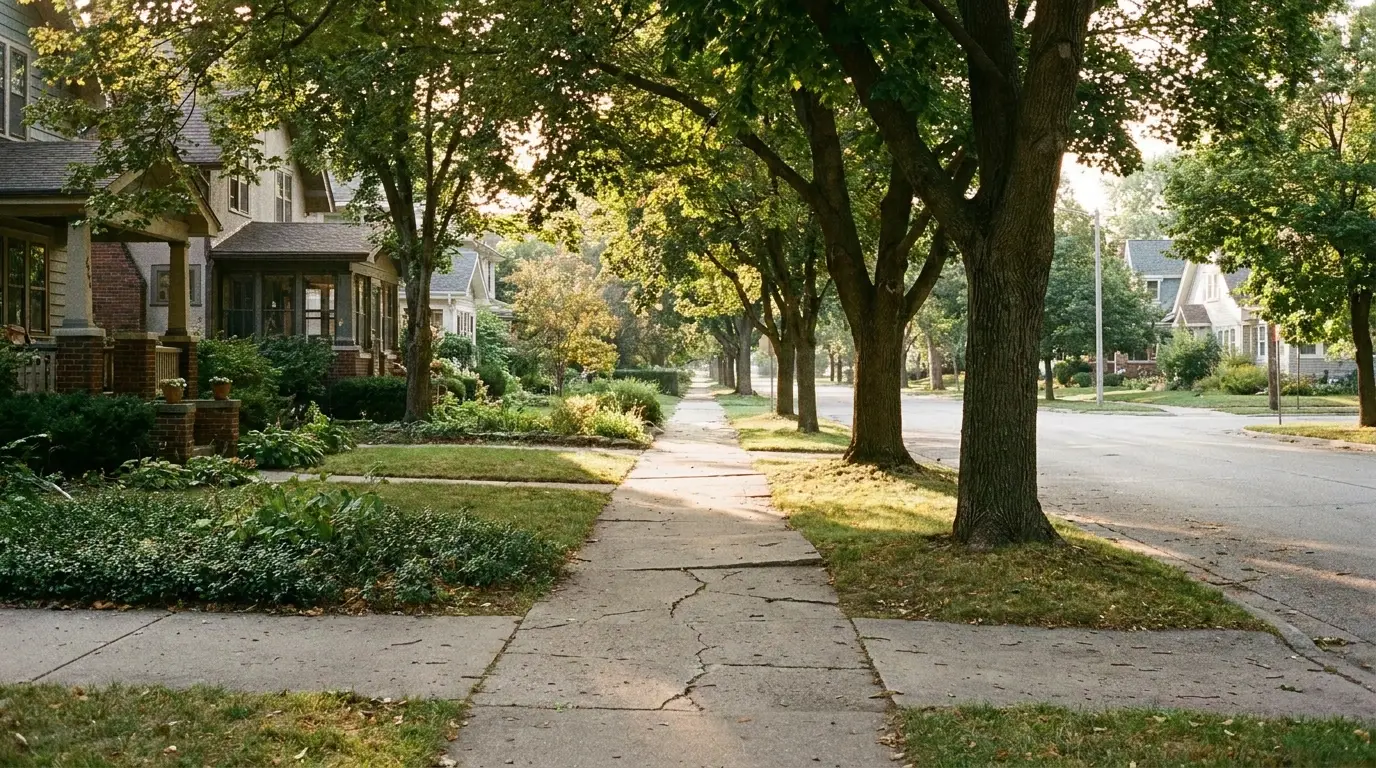
Sidewalks, safe crossings, tree lined streets, and walking paths encourage families to spend more time outdoors. Walking through the neighborhood increases opportunities to greet neighbors, enjoy local scenery, and become familiar with the community.
These simple daily interactions help strengthen the sense of belonging.
Families Value Stability
Many people hope to remain in the same neighborhood for many years.
Stable communities allow children to build lasting friendships, parents to develop trusted relationships with neighbors, and families to establish routines that become part of everyday life. Watching children grow together and celebrating milestones with familiar faces creates memories that extend far beyond the home itself.
Long term relationships contribute greatly to a neighborhood feeling like home.
Pride Creates Stronger Communities
Neighborhoods thrive when residents genuinely care about where they live.
Maintaining homes, caring for landscaping, respecting shared spaces, and participating in community activities all contribute to an environment where everyone benefits. Community pride often becomes visible through clean streets, attractive properties, and welcoming public spaces.
When homeowners invest in their community, the neighborhood becomes stronger for everyone.
Communication Builds Trust
Open communication helps neighborhoods function smoothly.
Residents appreciate receiving updates about community projects, maintenance schedules, neighborhood improvements, and upcoming events. Clear communication reduces misunderstandings while encouraging homeowners to become more involved in decisions affecting the community.
Feeling informed helps residents feel connected.
Everyday Convenience Improves Quality of Life
Convenient access to schools, grocery stores, parks, healthcare, restaurants, and recreational facilities makes everyday life easier.
Families spend less time traveling and more time enjoying their neighborhood. Being able to accomplish daily errands close to home contributes to a greater sense of comfort and satisfaction.
Convenience complements the social benefits of a strong community.
Feeling Safe and Comfortable
A neighborhood feels like home when residents feel comfortable spending time outside.
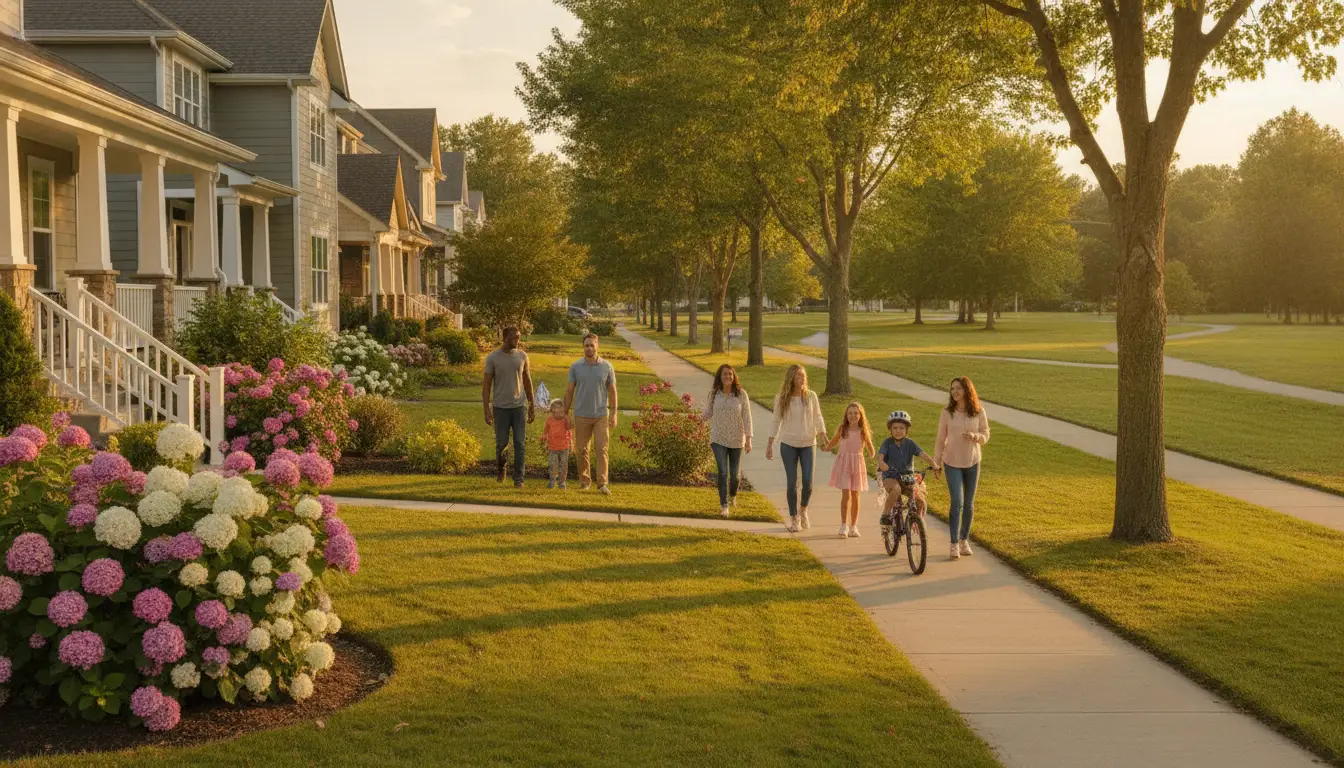
Children riding bicycles, families taking evening walks, neighbors chatting in front yards, and people enjoying parks all contribute to an atmosphere where residents feel connected to the community.
These everyday moments help create the welcoming environment that many families seek when choosing where to live.
Home Is About More Than a House
While the design and features of a home are important, many of life’s most meaningful memories happen outside the front door.
Children playing with neighborhood friends, conversations with neighbors during evening walks, holiday celebrations, and years of shared experiences all contribute to a lasting sense of belonging.
A neighborhood becomes home because of the people, relationships, and experiences that develop over time.
Final Thoughts
A neighborhood that feels like home offers much more than attractive houses. It provides welcoming neighbors, well maintained shared spaces, opportunities to build friendships, and an environment where families feel connected and supported. These qualities create communities where people enjoy living and where lasting memories are made.
When choosing your next home, take time to explore the neighborhood as carefully as you evaluate the property itself. The right community can enrich your daily life, strengthen your relationships, and create a true sense of belonging that lasts for many years.