What Makes a Home Design Beautiful, Functional, and Timeless?
A successful home feels attractive at first glance, then proves its worth through ordinary routines. It makes movement easier, stores necessary belongings, allows for useful daylight, and stays comfortable through seasonal changes. Lasting interiors depend on proportion, material quality, lighting, ventilation, and adaptability rather than short-lived decoration. Personal taste still matters, but it works best within a plan that respects human behavior, building performance, and the practical demands of everyday life.
A Balanced Starting Point
Portland homes call for decisions that respect wet winters, modest daylight, historic construction, and varied household routines. People seeking home design in Portland often examine room connections, window orientation, storage demands, and material maintenance before selecting finishes. That early assessment keeps aesthetic preferences grounded in comfort, building performance, and long-term use. Good planning also protects an existing structure’s character.
Begin With Daily Habits
Observation should precede demolition or purchasing. Household members can record where clutter collects, which doors interrupt movement, and when particular rooms feel crowded. A kitchen may need landing space beside appliances, while an entry could require seating near concealed storage. These observations form a practical brief, one based on behavior instead of assumptions.
Give Every Room a Clear Job
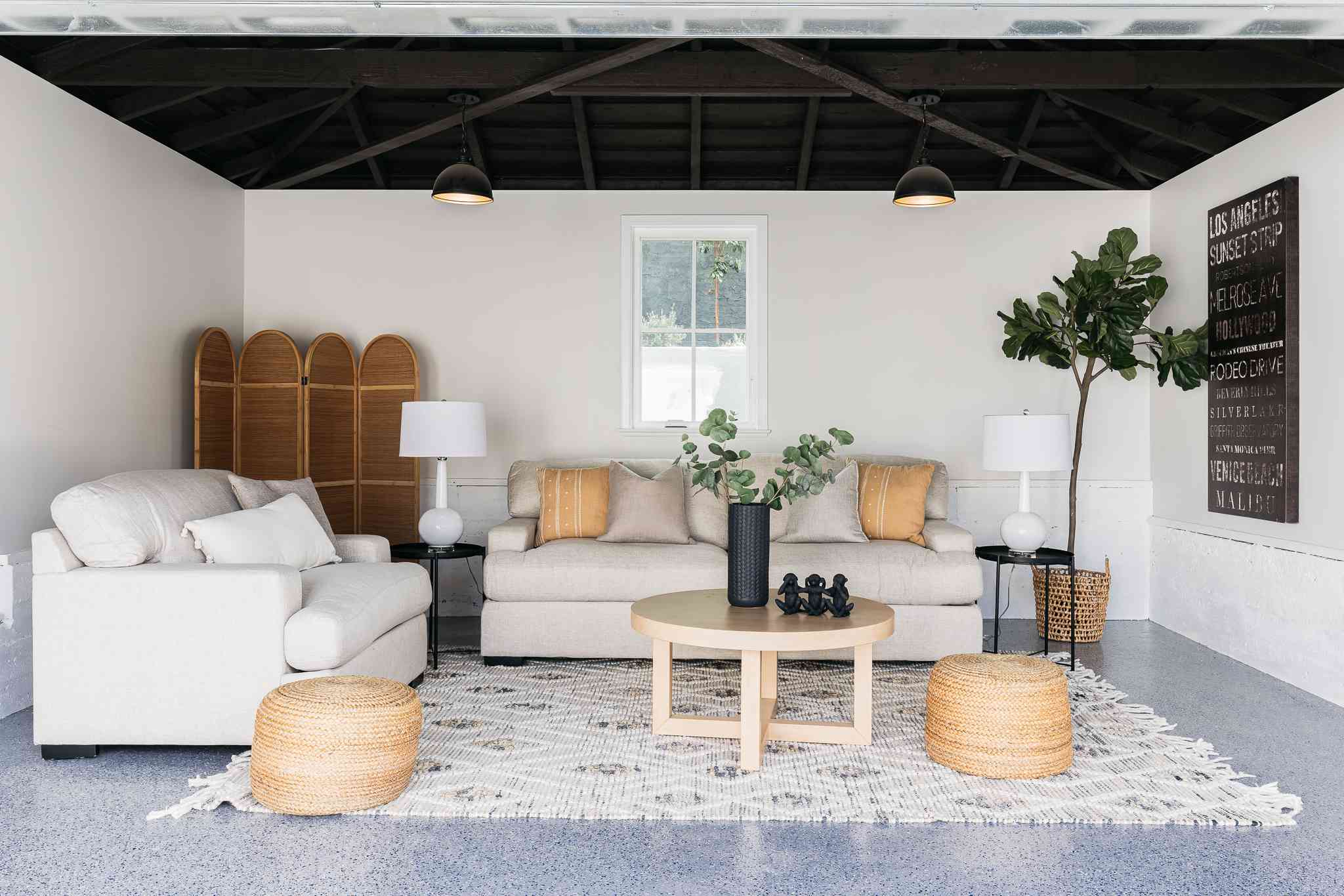
A room can serve several purposes without losing definition. Dining areas may handle meals, homework, and remote work when lighting and furniture can shift easily. Open plans need visual cues, such as cabinetry, rugs, ceiling changes, or varied flooring. Those signals separate activities while preserving sightlines and conversation between adjoining areas.
Use Proportion Before Decoration
Scale usually influences comfort more strongly than ornament. Main walking routes should provide about 36 inches of clearance, while kitchen aisles often need 42 inches for one cook. Two users may require additional space. Such measurements are guidelines, not absolutes, yet they help furnishings, cabinetry, and architectural elements relate naturally.
Prioritize Natural Light
Daylight affects perceived room size, visual comfort, and mood. Window placement should account for orientation, glare, privacy, and seasonal sun angles. After sunset, layered illumination becomes essential. Ambient light fixtures provide general brightness, task lamps help concentrated activities, and accent sources bring attention to artwork or texture. Warm-white bulbs, commonly 2700K to 3000K, create a calmer evening setting.
Select Materials for Real Life

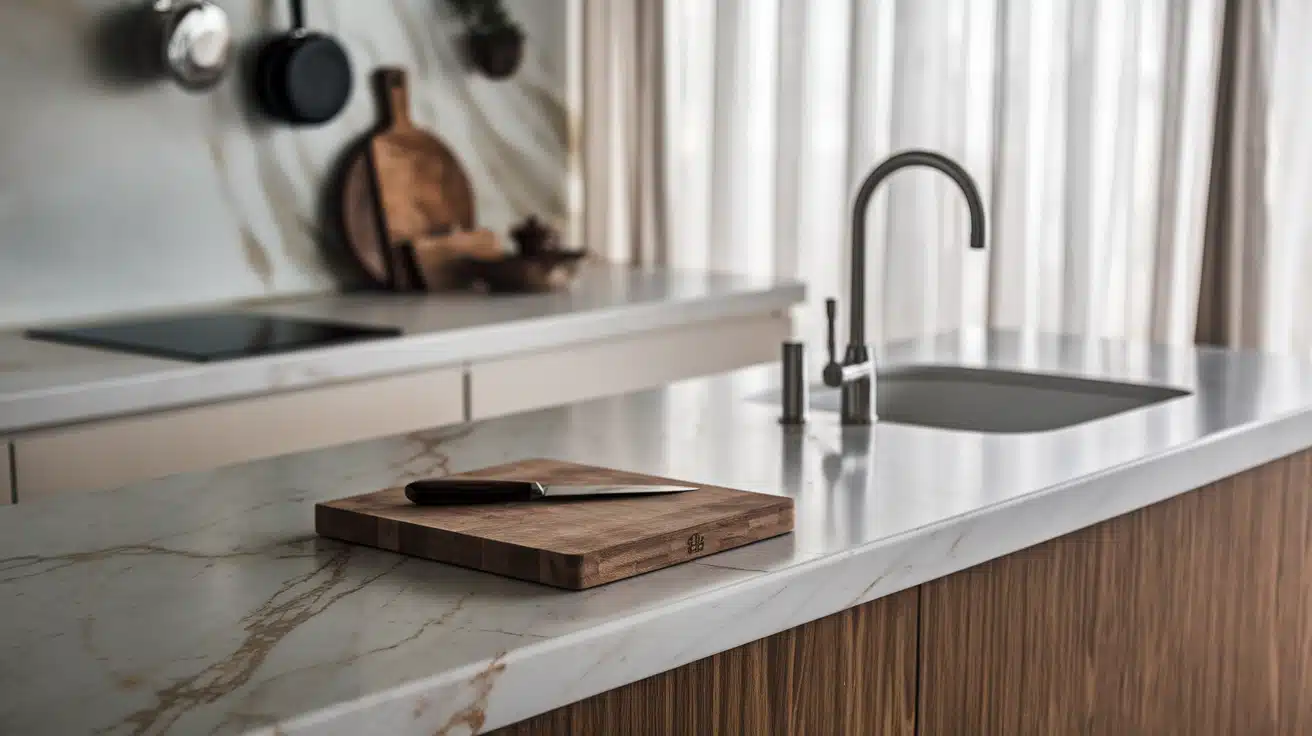
A lasting interior uses surfaces that respond well to household demands. Wood, stone, ceramic, and quality metal can gain character over time when cleaning requirements suit the residents. Kitchens and entries need stain resistance, secure installation, and accessible repairs. Restrained selections also age well. A few related finishes usually create stronger continuity than a crowded collection of competing textures.
Build Storage Into the Architecture
Useful storage places everyday items near their point of use while keeping surfaces clear. Full-height cabinets make efficient use of vertical areas, and shallow drawers can organize utensils, linens, or charging equipment. Entry closets may allow 18 to 24 inches per regular coat position, depending on occupancy. Built-ins should preserve passageways and include durable hardware.
Plan for Safety and Change
Adaptability can remain visually subtle. Lever handles, brighter stair lighting, slip-resistant flooring, and reinforced bathroom walls help residents manage future mobility changes. Bathrooms benefit from clear floor areas, handheld shower fittings, and secure backing for grab bars. These provisions support present comfort while reducing the disruption and expense of later alterations.
Connect Beauty With Performance
A pleasing interior performs better when insulation, windows, ventilation, shading, and mechanical systems receive equal attention. Efficient assemblies can limit heat loss and reduce temperature swings. Quiet heating and cooling contribute to restorative sleep and daily comfort. Furniture must also avoid blocking registers, returns, or window openings. Good performance gives decorative decisions a sound physical foundation.
Use Detail With Restraint
Memorable character often comes from a few deliberate elements. A distinctive stair rail, handmade tile strip, wood ceiling, or sculptural pendant can establish focus without overwhelming the room. Repeating one finish or hue in separate locations creates visual continuity. Trend-heavy choices may date quickly, whereas edited details leave room for art, seasonal objects, and future adjustments.
Measure Results Before Completion
A final review should test more than appearance. Cabinet reach, appliance clearance, door swings, lighting levels, and storage capacity deserve practical inspection before installation ends. A ten percent contingency may help address concealed conditions during renovation, although each property differs. Written selections, verified dimensions, and staged checks reduce avoidable corrections and protect the intended result.
Conclusion
A lasting home emerges from choices that join visual pleasure with physical ease. Proportion guides movement, storage controls clutter, lighting protects comfort, and durable materials withstand repeated use. Adaptable features also prepare rooms for changes in mobility, family size, or daily routine. Personal expression remains essential through color, art, and crafted details. With careful planning, a residence can feel distinctive today and remain useful, welcoming, and attractive for many years.