What Is the Difference Between a Shed and A Garage?
When people start thinking about creating extra space on their property, two options usually come up right away: a shed or a garage. At first glance, they may seem like similar structures—four walls, a roof, and a door—but in reality, they serve very different purposes.
The choice often depends on lifestyle, storage needs, and long-term plans. To make the right decision, it’s helpful to understand where they differ and how each one fits into everyday life. Many homeowners in the U.S. consider both storage sheds and garages before investing, because these spaces can change how a property functions day to day.
The Purpose of A Shed
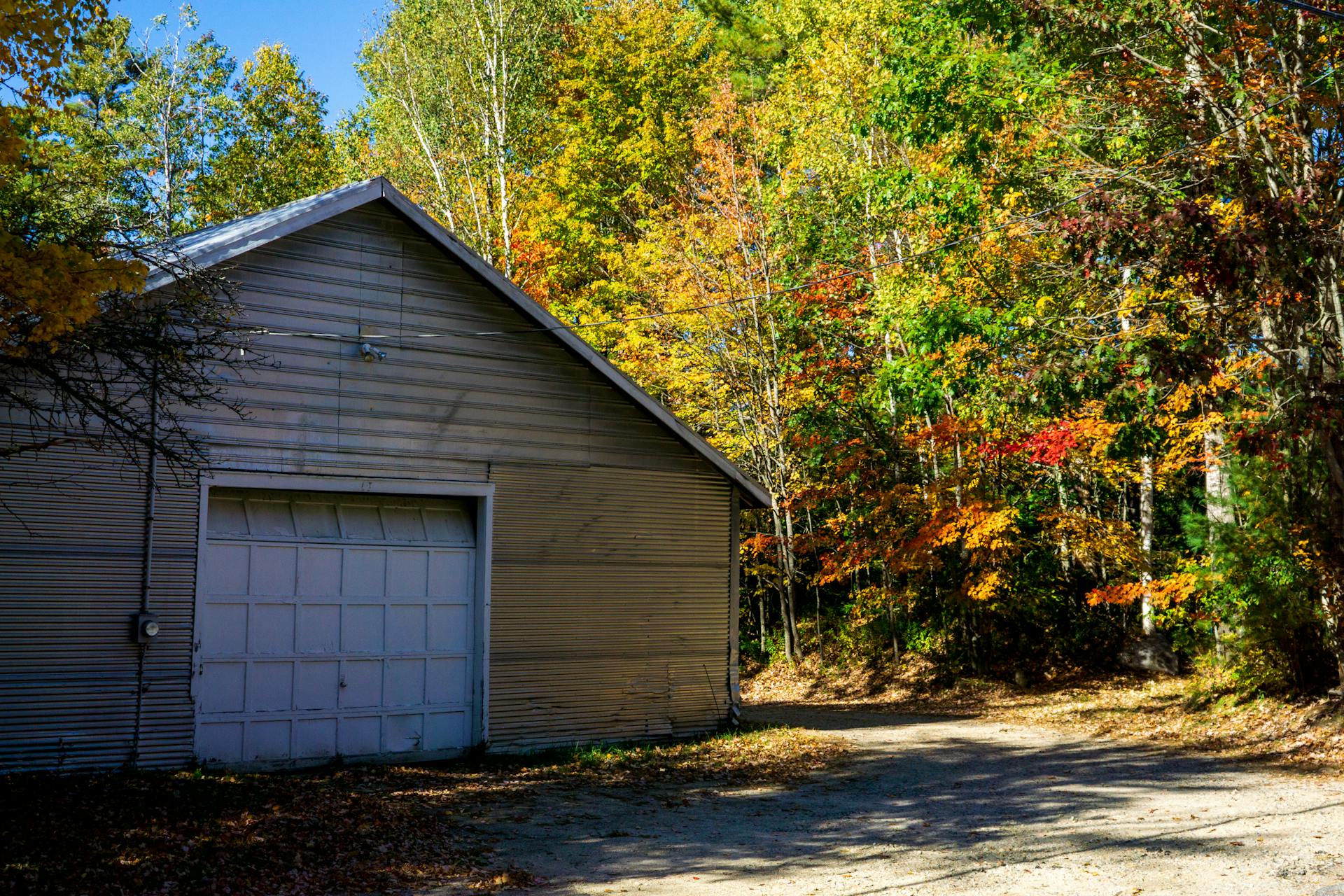
A shed is typically designed for storage rather than heavy use. Most homeowners use sheds to store lawn equipment, gardening tools, bicycles, or seasonal items like holiday decorations. The construction is usually lighter than that of a garage, with wood, vinyl, or metal being the most common materials.
Sheds are also flexible. They can be small enough to hold just a few tools, or large enough to serve as a hobby workshop. What makes them appealing is the simplicity—they can be placed in almost any corner of the yard, and they don’t always require major permits or heavy foundation work.
The Purpose of A Garage
Garages, on the other hand, are far more robust. They are built to house vehicles, which means they need strong foundations, larger doors, and often electrical setups for openers, lighting, and sometimes heating. A garage isn’t just a parking space; many families also use it for storage, home gyms, or even additional living areas when converted.
Because garages are more integrated with the home structure, they often add real estate value. They are designed to be permanent and to withstand everyday use, heavy loads, and varying weather conditions.
Key Differences Between a Shed and A Garage
While both provide extra space, here are some of the most notable distinctions:
- Size: garages are usually larger and higher, while sheds are smaller and more compact.
- Function: sheds focus on storage, garages on vehicles and multipurpose use.
- Foundation: garages need a solid concrete base, while sheds often use lighter supports or wooden floors.
- Cost: garages are significantly more expensive due to materials, permits, and construction complexity.
- Value: garages generally increase home value, while sheds mainly improve functionality.
When to Choose a Shed
A shed is ideal if you:
- need quick storage for gardening and outdoor tools
- want a separate hobby space, like woodworking or crafting
- prefer a budget-friendly option
- have limited backyard space
- don’t need to store a vehicle
For many suburban homes, a shed is enough to stay organized without the cost of a larger structure.
When to Choose a Garage
A garage becomes the better option if you:
- own one or more vehicles that need protection from weather
- want extra security with lockable, insulated doors
- are considering adding property value in the long run
- plan to use the space for more than just storage—like a gym, studio, or workshop
- want a permanent structure connected to your home
Cost Considerations
Budget plays a big role in the decision. A simple shed might cost a few thousand dollars, depending on size and material, while garages often range from tens of thousands upward. Here’s a simplified comparison:
|
Feature |
Shed (average) |
Garage (average) |
|---|---|---|
|
Size |
100–300 sq. ft. |
300–600+ sq. ft. |
|
Cost |
$2,000–$8,000 |
$20,000–$50,000+ |
|
Foundation |
Light base |
Concrete slab |
|
Lifespan |
10–20 years |
30+ years |
This shows how the two options differ not just in scale, but also in long-term investment.
Lifestyle Perspective
Think about how you live and what you prioritize. If you spend weekends gardening or need to keep kids’ bikes and outdoor toys organized, a shed will make life easier. If you want to protect your car from hail in the Midwest, or snow in the Northeast, a garage may feel like a necessity. Some homeowners even choose both—a garage for vehicles and a shed for seasonal storage.
The Role of Design and Aesthetics
Sheds and garages also affect how a property looks. Modern sheds can be sleek, colorful, and even styled like miniature homes. Garages, while more standardized, can be customized with carriage doors, windows, or attached breezeways. Matching these structures to the home’s design is important, especially if curb appeal matters to you.
Security and Maintenance
Garages tend to offer stronger security, with heavy doors, locks, and sometimes integration with smart systems. Sheds, while secure enough for tools, can be easier to break into if not reinforced.
In terms of maintenance, sheds might require occasional repainting or roof replacement, depending on the material. Garages, being more permanent, often demand less frequent but more expensive repairs.
Which Option Is Right for You?
Ultimately, the decision comes down to balancing cost, function, and lifestyle. Ask yourself:
- Do I need to protect vehicles?
- How much am I willing to spend?
- Will this structure add value to my home?
- Do I prefer something quick and flexible, or permanent and long-term?
Answering these questions honestly will guide you toward the right choice.
While both sheds and garages give homeowners extra space, they serve different needs. Sheds are practical, affordable, and easy to install, while garages are long-term investments that expand both functionality and property value. If you’re still weighing options, browsing resources like company storageshedsandgarages.com can help you explore real-world examples and get inspiration.
Making the right choice ensures that your property works better for your everyday life, whether that means organized tools, protected cars, or simply more breathing room at home.