What Is Stucco: Everything You Need to Know
Have you ever noticed those smooth, textured walls covering homes across the Southwest? The ancient Romans used this mysterious building material to create structures that still stand thousands of years later.
Modern homes feature the same basic recipe their ancestors mixed centuries ago.
What makes this simple combination powerful? Why do builders trust it to protect homes from heat and weather? The secret lies in humble ingredients becoming something durable.
Stucco Definition and Basic Composition
Stucco is a construction material applied wet to walls that hardens into a dense, solid coating. It creates both a protective and decorative finish for homes.
Used since ancient times by the Romans and the Aztecs, stucco evolved significantly after 1871, when Portland cement replaced lime-based mixtures, creating a stronger, more durable product.
What Is Stucco Made Of? Key Ingredients
Understanding each ingredient helps explain why stucco performs so well on exterior walls. Here’s how each component contributes to creating a long-lasting, weather-resistant finish.
- Portland Cement: Acts as the powerful glue that binds everything together and gives stucco its rock-hard strength.
- Sand: Determines the final texture and appearance; finer grains create smooth surfaces while coarser grains add roughness.
- Lime (Hydrated): Keeps the mixture workable during application and allows slight movement without cracking as temperatures change.
- Water: Triggers the chemical reaction that transforms the wet mixture into a solid coating during the curing process.
- Acrylic or Glass Fibers: Modern reinforcements that help stucco stretch slightly and resist stress cracks from settling or temperature shifts.
- Color Pigments: Permanent tints mixed throughout the material, eliminating the need for exterior paint and maintenance.
Types of Stucco: Traditional vs. Synthetic Stucco
Choosing the right stucco for your home means understanding the key differences between time-tested traditional stucco and modern synthetic alternatives, each with distinct advantages worth considering.
| FEATURE | TRADITIONAL STUCCO (HARD COAT) | SYNTHETIC STUCCO (ACRYLIC/EIFS) |
|---|---|---|
| Durability | Extremely durable, can last 50 to 100 years with maintenance | Durable but more impact-sensitive than hard coat |
| Water Resistance | Breathable but can absorb moisture if not sealed properly | Highly water-resistant and crack-resistant |
| Cost | Usually lower material cost but labor-intensive | Higher cost due to insulation layers and materials |
| Application Method | 3-coat system: scratch, brown, finish | Applied over foam insulation board with acrylic finish |
| Best Use Cases | Traditional homes, long-lasting exterior finishes | Energy-efficient builds, modern construction, and moisture-prone areas |
Stucco Application Process

Applying stucco requires careful preparation and multiple layers to create a durable finish. Professional crews typically handle installation because it demands skill, timing, and usually three to four workers.
- Surface Preparation: Workers clean the wall and install moisture barriers to prevent water from reaching the structure behind the stucco.
- Lath Installation: Metal mesh or wire lath is attached to create a framework that helps the wet stucco adhere securely to the wall.
- Scratch Coat Layer: The first coat is applied and scratched with grooves while wet, providing a rough surface for the next layer to bond.
- Brown Coat Layer: A second coat smooths out the surface and creates a flat, level base for the final decorative layer.
- Finish Coat Application: The final layer adds color and texture, whether smooth, rough, or patterned, creating the home’s finished appearance.
- Curing Time: Each coat must dry properly before adding the next layer; complete curing takes several days to develop full strength.
Where Is Stucco Used?
Stucco serves as a diverse coating for both interior and exterior surfaces. While most commonly seen on building exteriors, stucco also adds decorative appeal to indoor spaces.
Exterior Applications

Stucco excels as an exterior coating, protecting homes from the elements while creating attractive facades. It’s especially popular in warmer climates and regions with Mediterranean-style architecture.
- Building Facades and Walls: Creates seamless, weather-resistant exterior surfaces that protect homes from rain, wind, and temperature changes.
- Regional Popularity: Most common in Southwest and West Coast homes, where the climate suits stucco’s properties and aesthetic appeal.
- Diverse Substrates: Works on various base materials, including concrete blocks, brick, wood framing, and metal lath systems.
- Climate Durability: Performs best in dry, warm climates; handles sun exposure, heat, and moderate moisture without deteriorating quickly.
Interior Applications

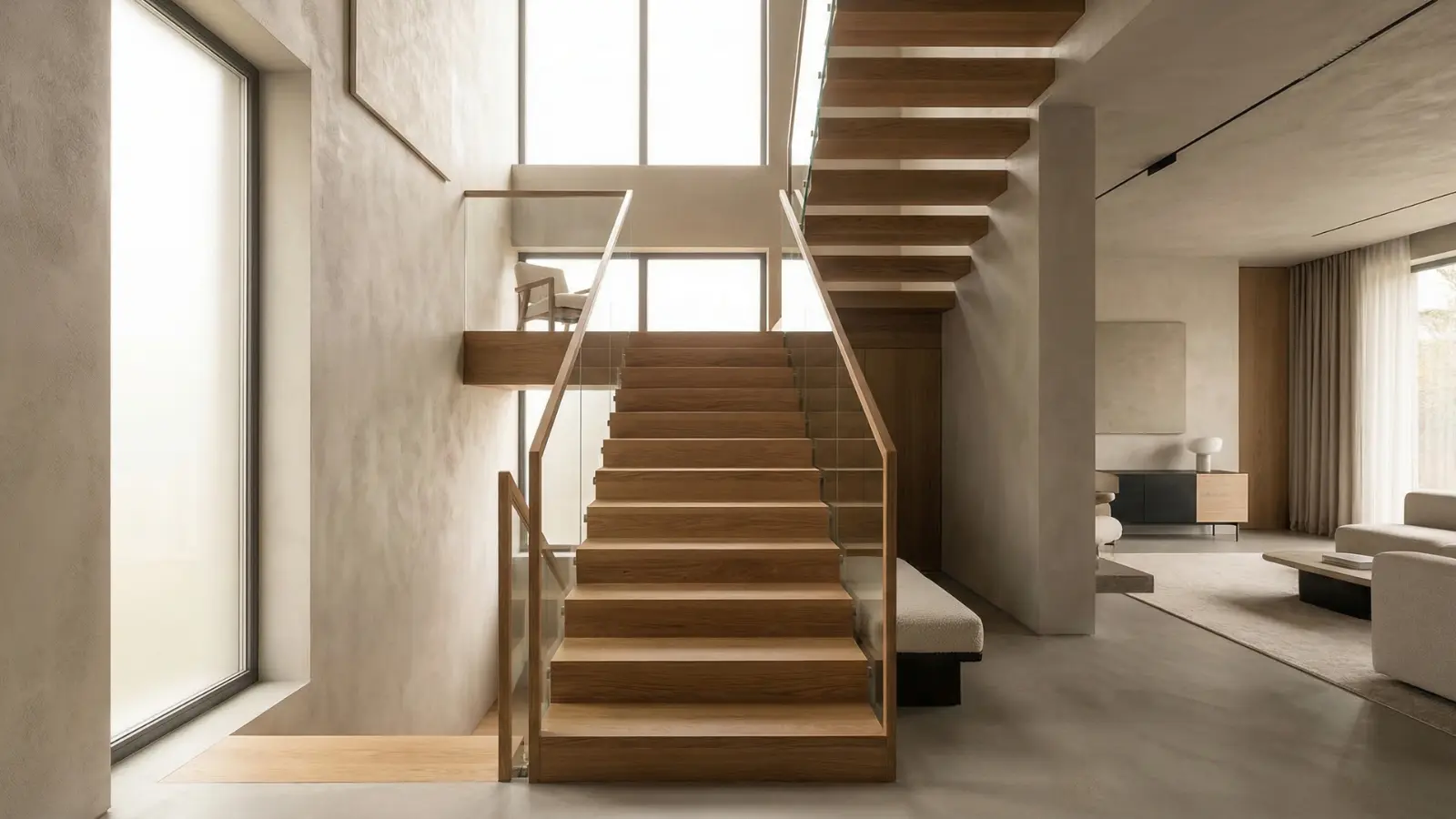
Inside homes, stucco alters plain walls and ceilings into textured, visually interesting surfaces. Whether renovating a stucco house or updating interiors, it adds character and depth that flat paint cannot achieve.
- Decorative Wall Finishes: Creates textured surfaces ranging from subtle patterns to dramatic, hand-troweled designs that add visual interest.
- Ceiling Treatments: Applied to ceilings for unique texture effects, though less common today than in past decades.
- Architectural Character: Enhances Mediterranean, Spanish, or Southwestern interior design styles with authentic textured surfaces.
- Custom Textures: Can be smoothed, swirled, or patterned during application to match any design preference or architectural style.
Stucco: Advantages vs. Disadvantages
Stucco offers a strong, energy-efficient, and visually diverse exterior finish, but it also presents challenges such as cracking and moisture sensitivity that require proper installation and maintenance.
| ADVANTAGES | DISADVANTAGES |
|---|---|
| Exceptional durability (50 to 100-year lifespan) | Hairline cracking is common and may need repairs |
| Energy-efficient insulation reduces heating/cooling costs | Moisture vulnerability if exposed to excess water |
| Low maintenance with long-lasting color | Installation requires skilled professionals |
| Wide range of textures and colors for design flexibility | Labor costs vary significantly by region |
| Cost-effective long-term value | Removal and replacement can be difficult and time-consuming |
Stucco Maintenance and Care
Proper maintenance keeps stucco looking good and performing well for decades. Following a few simple care routines helps prevent costly repairs and extends your stucco’s lifespan.
- Regular Inspections: Check your stucco every few months for cracks, chips, discoloration, or water stains that may indicate damage that needs repair.
- Gentle Cleaning: Use a garden hose or low-pressure washer for exterior walls; clean interior stucco with a soft brush and mild soap.
- Quick Repairs: Fix small cracks and chips immediately before they grow larger and allow water to seep behind the stucco surface.
- Protective Sealants: Apply waterproof sealers every few years to boost water resistance and extend your stucco’s lifespan.
- Smart Landscaping: Keep plants, sprinklers, and soil away from stucco walls to prevent constant moisture contact, which can cause damage.
Wrapping It Up
Now you know what stucco is: a durable coating made from cement, sand, lime, and water that protects homes inside and out.
This centuries-proven finish combines simple ingredients for unmatched durability and timeless appeal in any construction project
Contact a local stucco contractor today to discuss your project and get a free estimate.