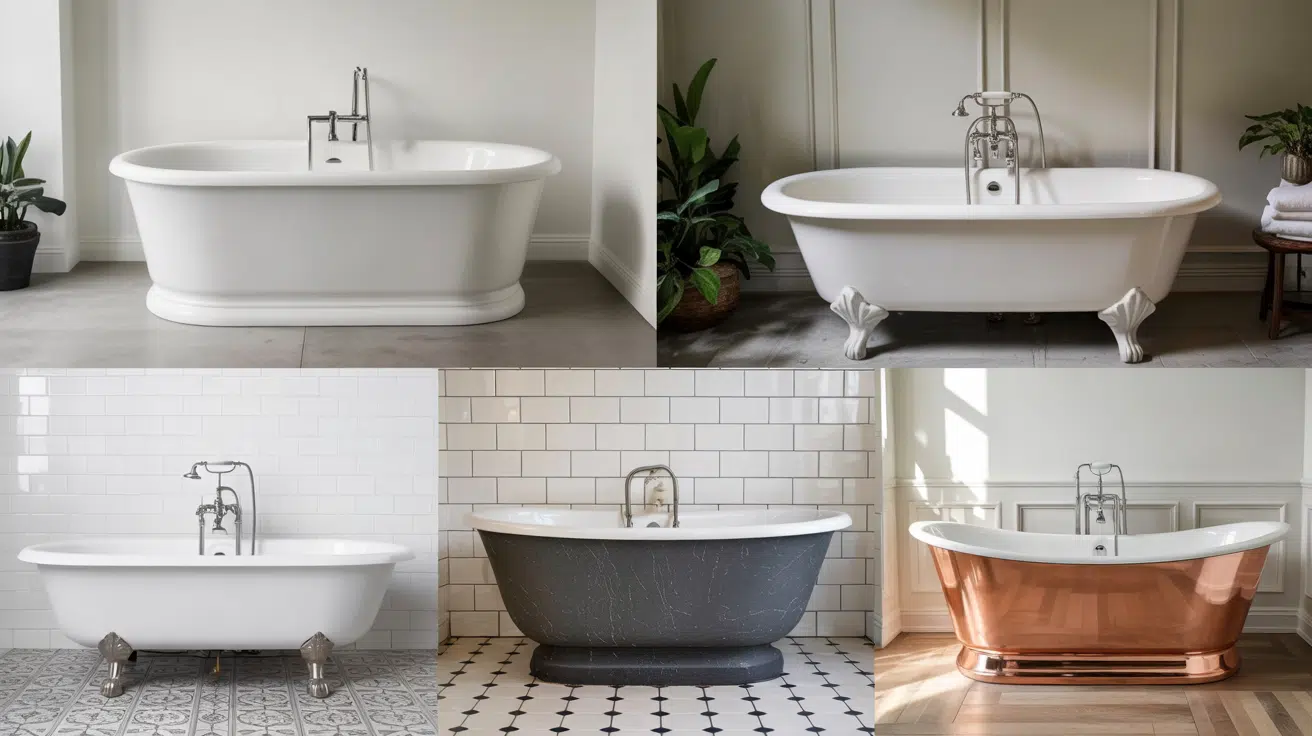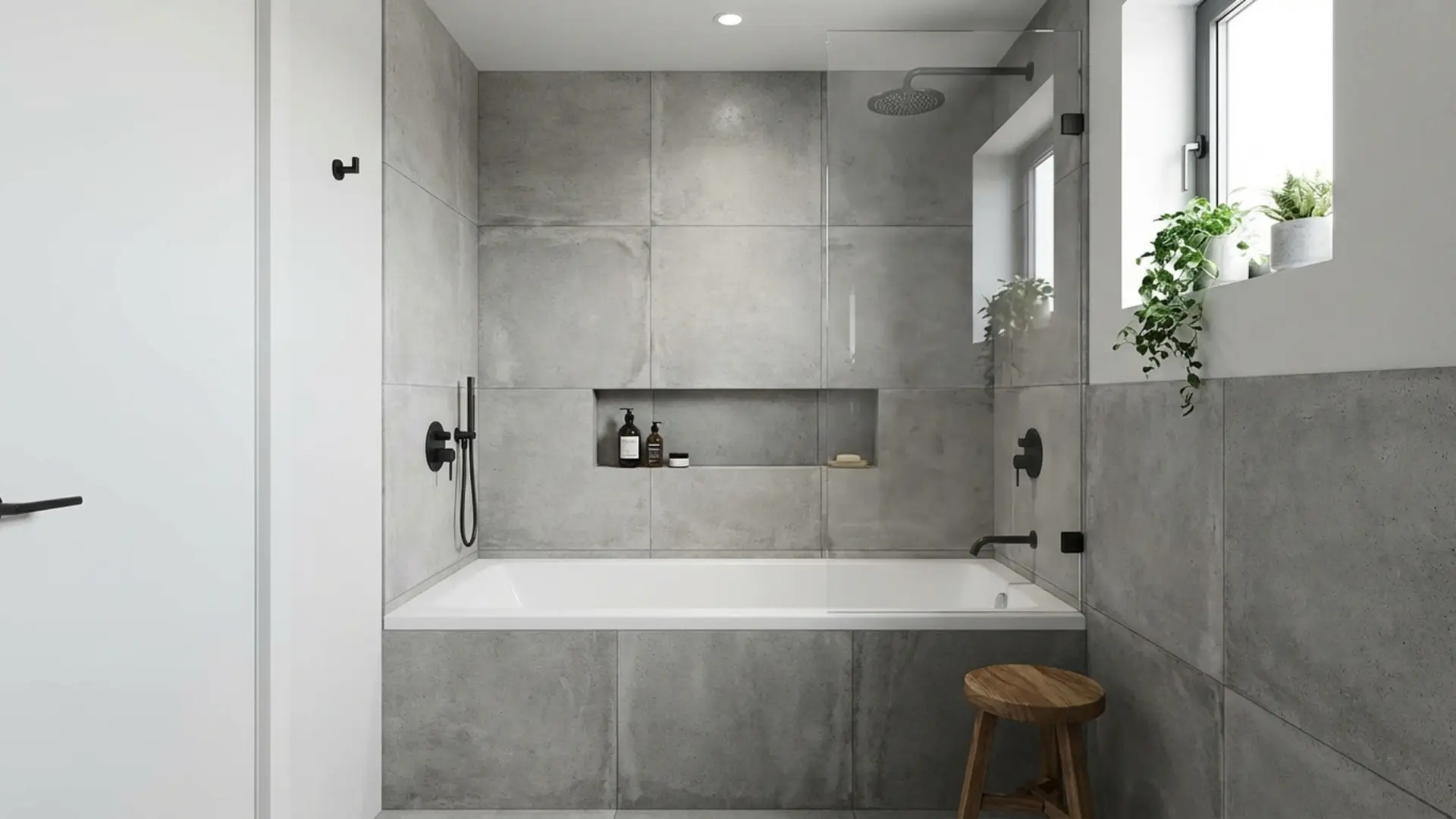
What is an Alcove Bathtub?
An alcove bathtub is a built-in tub designed to fit between three walls, leaving only the front side visible and accessible. This layout makes it one of the most practical and widely used bathtub styles in modern homes.
It is especially suitable for bathrooms with limited space, as it fits neatly into standard layouts without occupying extra floor area. Because of its efficient design, homeowners and builders often choose it for both renovations and new installations.
In many homes, an alcove bathtub is paired with a shower. It is commonly surrounded by tiled walls and enclosed with a shower curtain or glass panel, creating a convenient two-in-one bathing solution.
This type of bathtub is built for simplicity and everyday use. Rather than focusing on luxury, it prioritizes functionality, ease of installation, and efficient space utilization.
When compared to freestanding, drop-in, or corner tubs, the alcove bathtub stands out for its affordability, practicality, and space-saving design. It offers a reliable solution for those who want a functional bathroom without complicated installation.
Understanding how an alcove bathtub differs from other types can help you select the best option for your space, budget, and daily needs.
Key Features of an Alcove Bathtub
These features explain why alcove bathtubs are widely used in modern homes. They focus on practicality, space use, and ease of setup.
- Fits into a three-wall space: Designed to sit between three walls, making it ideal for compact bathrooms
- Space-saving layout: Does not take up extra floor area, which helps in smaller layouts
- Standard size availability: Common sizes (like 60 inches) make planning and replacement easier
- Works with a shower setup: Often paired with a shower head, making it a dual-purpose unit
- Front-facing finished panel: Only one side is visible, reducing the need for extra finishing work
- Easy installation process: Simpler to install compared to drop-in or freestanding tubs
- Budget-friendly option: Lower material and installation costs compared to other bathtub types
These features make alcove bathtubs a practical choice for daily use. They are best suited for homes that need a simple and efficient bathing solution.
Types of Bathtubs You Should Know
Before comparing options, it helps to understand the main types of bathtubs available. Each type is designed for a different layout, budget, and usage style.
1. Alcove Bathtub
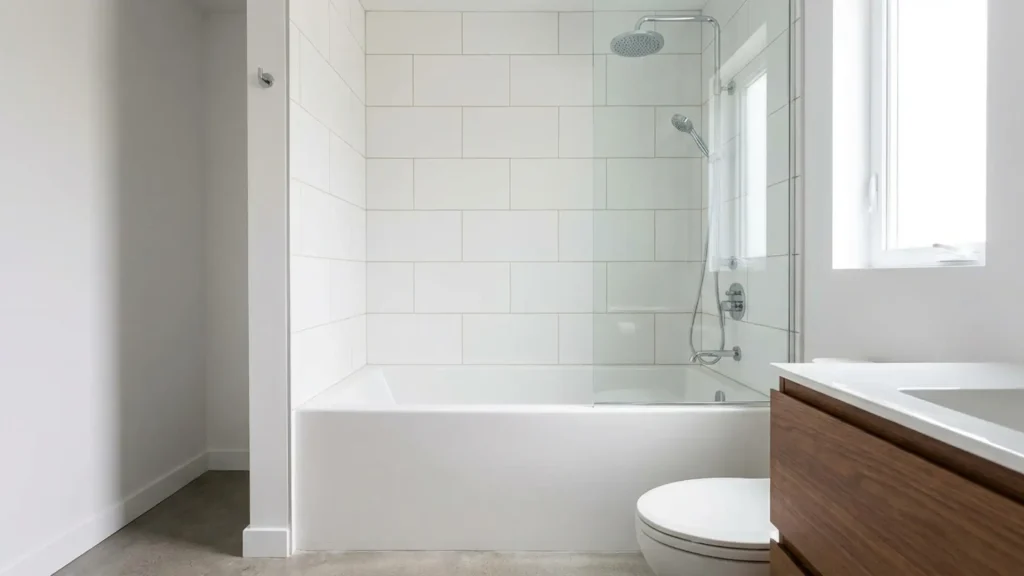
An alcove bathtub is installed between three fixed walls, with only the front side open. This setup is ideal for bathrooms with limited space.
It is commonly used in homes because it fits neatly into standard layouts. Most alcove tubs are also paired with a shower, making them a practical two-in-one solution.
This type focuses on everyday use. It is simple to install, easy to maintain, and works well for families or regular bathing needs.
2. Freestanding Bathtub
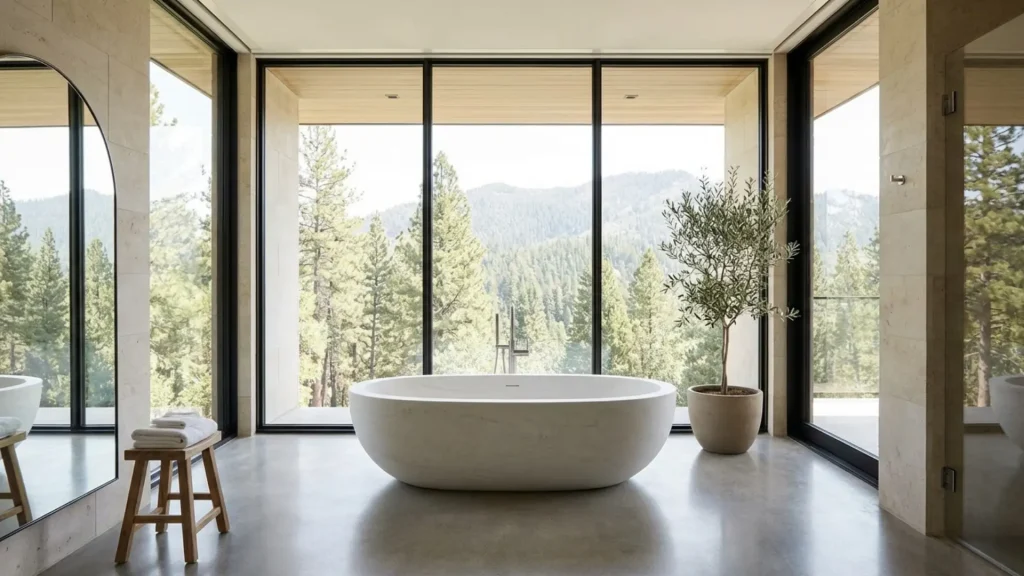
A freestanding bathtub is placed independently and is not attached to any wall. It can be positioned anywhere in the bathroom, depending on the plumbing setup.
This type is often used in larger bathrooms where space is not a concern. It is usually chosen for its visual appeal and is often placed as a centerpiece.
Freestanding tubs are best suited for soaking and relaxation. However, they are not always ideal for shower use and may require more cleaning around the base.
3. Drop-in Bathtub
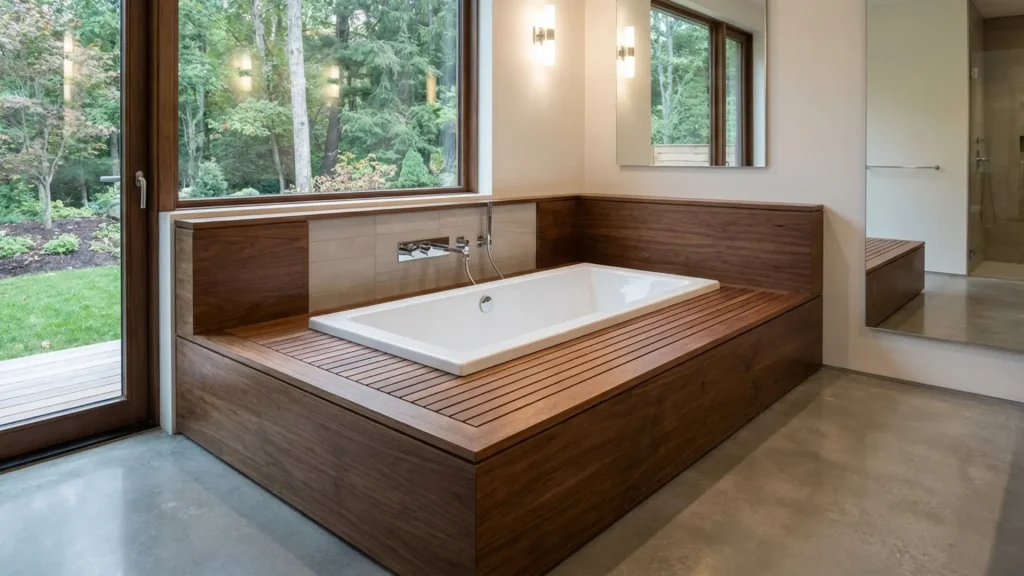
A drop-in bathtub is installed in a custom-built deck or platform. Only the inside of the tub is visible, while the outer structure is covered.
This design allows more flexibility in terms of finish and styling. You can match the deck material with the rest of the bathroom design.
Drop-in tubs require more planning and construction work. They are often used in bathrooms where design and layout customization matter more.
4. Corner Bathtub
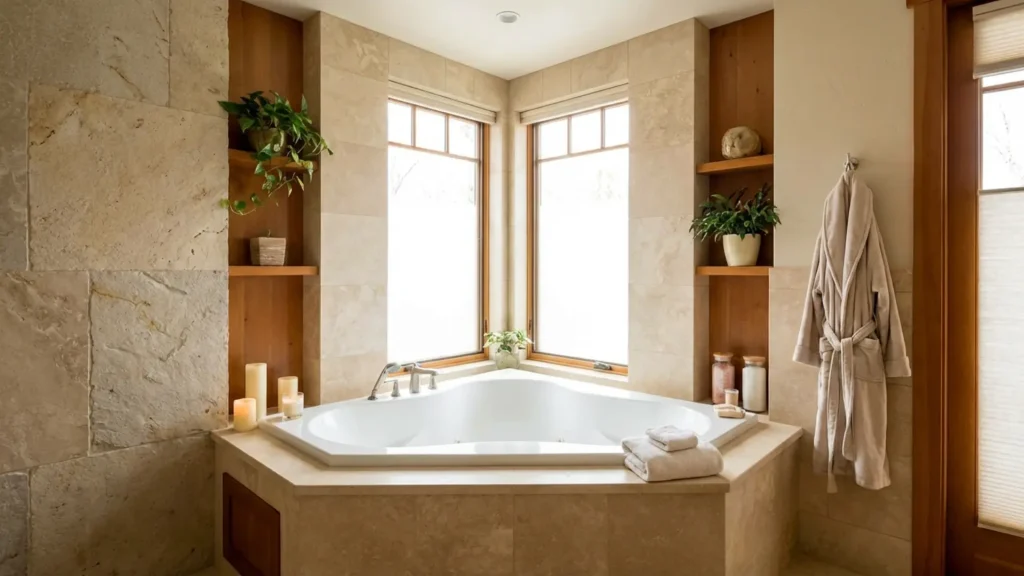
A corner bathtub is installed at the corner of the bathroom, usually with a wider shape. It is designed to use corner space efficiently while offering more room inside the tub.
These tubs are generally larger than standard alcove tubs. They are often used for longer soaking and added comfort.
Corner bathtubs work best in medium to large bathrooms. They are less common in compact spaces due to their size and layout needs.
Alcove Bathtub vs. Other Bathtub Types
This table gives a clear side-by-side comparison of all major bathtub types. It helps you quickly understand which option best fits your needs.
| Feature | Alcove Bathtub | Freestanding Bathtub | Drop-in Bathtub | Corner Bathtub |
|---|---|---|---|---|
| Installation | Between 3 walls | Standalone placement | Inside built deck | Corner installation |
| Space Needed | Low | High | Medium to High | Medium to High |
| Shower Use | Yes | No (in most cases) | Optional | Rare |
| Cost | Low | High | Medium to High | Medium |
| Setup Effort | Easy | Medium | Complex | Medium |
| Purpose | Daily use | Design + soaking | Design-focused | Relaxation |
| Size | Standard | Varies (often large) | Flexible | Usually large |
This quick comparison makes decision-making easier. You can choose based on your space, budget, and how you plan to use the bathtub.
Space and Size Requirements
Space is one of the biggest factors when choosing a bathtub. Each type needs a different amount of room and layout planning.
- Alcove Bathtub: Standard models typically measure 60 inches long and 30–32 inches wide, making them ideal for most homes. However, depending on the layout, alcove tubs are also available in lengths ranging from 48 to 72 inches.
- Freestanding Bathtub: Comes in various sizes, but usually needs extra clearance on all sides. Works best in large bathrooms with available movement space.
- Drop-in Bathtub: Size depends on the deck or frame built around it. Requires additional space for the surrounding structure.
- Corner Bathtub: Usually wider and deeper than standard tubs. Needs more floor space, making it better suited to larger bathrooms.
In smaller bathrooms, alcove bathtubs are the most practical option. For larger layouts, other types offer more flexibility and comfort.
Cost Comparison (Alcove vs. Other Bathtubs)
Cost is an important factor when choosing a bathtub, as it includes both the product price and the installation expense. Each bathtub type comes with a different cost range based on design, size, and setup needs.
| Bathtub Type | Tub Price Range (USD) | Installation Cost (USD) | Total Estimated Cost |
|---|---|---|---|
| Alcove | $200 – $1,000 | $500 – $1,500 | $700 – $2,500 |
| Freestanding | $800 – $5,000+ | $1,000 – $3,000 | $1,800 – $8,000+ |
| Drop-in | $500 – $2,500 | $1,000 – $3,500 | $1,500 – $6,000 |
| Corner | $600 – $2,500 | $800 – $2,500 | $1,400 – $5,000 |
Overall, alcove bathtubs offer the most cost-effective solution. Other types may require a higher budget due to design choices and additional installation work.
Installation Differences Between Bathtub Types
Installation requirements can vary a lot between bathtub types. Some are quick to set up, while others need more planning and construction.
| Bathtub Type | Installation Requirements | Structural Needs | Plumbing Setup | Complexity Level |
|---|---|---|---|---|
| Alcove Bathtub | Fits into a pre-framed three-wall enclosure with a finished front panel | Minimal structural modifications | Connects to existing wall plumbing | Low (Easiest to Install) |
| Freestanding Bathtub | Requires precise positioning and leveling in an open space | May need reinforced flooring due to weight | Uses exposed or floor-mounted plumbing | Medium |
| Drop-in Bathtub | Installed into a custom-built deck or platform | Requires framing and support structures | Plumbing installed within the deck | High (Most Complex) |
| Corner Bathtub | Installed at the intersection of two walls | Requires proper alignment and additional floor space | Needs adjusted plumbing connections | Medium to High |
Overall, alcove bathtubs are the simplest to install. Other types may require more work depending on design and layout.
Materials and Durability
The material of a bathtub affects its strength, weight, and lifespan. Different materials also impact cost and maintenance over time.
Acrylic is one of the most common materials used for alcove bathtubs.It is lightweight, easy to install, and retains heat well. It also resists cracks, making it suitable for regular use.
Fiberglass is lighter and more affordable than most materials, making it a popular budget-friendly option. However, it is generally less durable than high-quality acrylic or cast iron. Over time, fiberglass may show signs of wear, such as scratches or surface fading, especially with frequent use.
Cast iron bathtubs are much heavier and more durable. They have a strong outer coating that resists scratches and lasts for years.
Each material has its pros and limitations. Acrylic is often the best balance between cost, durability, and ease of use for most homes.
Style and Design Appeal
Beyond functionality, visual appeal plays an important role in choosing the right bathtub. Each type offers a distinct look that complements different bathroom styles.
- Alcove Bathtubs: Known for their clean and practical design. They blend seamlessly into standard layouts and work well with tiled walls, glass panels, or shower curtains.
- Freestanding Bathtubs: Often considered a statement piece. Their sculptural appearance makes them ideal for modern, minimalist, or spa-inspired bathrooms.
- Drop-in Bathtubs: Offer strong customization potential. The surrounding deck can be finished with stone, tile, or wood to match the overall décor.
- Corner Bathtubs: Provide a balanced mix of comfort and style. Their spacious design adds a touch of luxury while efficiently utilizing corner space.
While alcove bathtubs prioritize practicality, freestanding and drop-in options are typically chosen for their visual impact and design flexibility.
Pros and Cons of Alcove Bathtubs
Before making a decision, it helps to look at both the advantages and limitations. This gives a clear picture of what to expect.
Pros
- Space-saving design: Fits well in small and medium bathrooms
- Affordable option: Lower cost compared to most other bathtub types
- Easy installation: Works with standard layouts and requires less setup
- Supports shower use: Ideal for a combined shower and tub setup
- Low maintenance: Fewer exposed sides make cleaning easier
Cons
- Limited design flexibility: Fixed installation reduces placement options
- Basic appearance: Focuses more on function than style
- Standard sizing only: Less variety compared to custom options
- Not ideal for luxury use: Less suitable for long soaking or spa-like setups
These points help balance practicality with limitations. Alcove bathtubs are best for simple, everyday use rather than design-focused spaces.
Final Thoughts
An alcove bathtub is a practical choice for most homes, especially when space and budget are key concerns. It fits neatly into standard layouts and works well for daily use.
When compared to freestanding, drop-in, and corner bathtubs, it stands out for its ease of installation and lower cost.
Other options may offer more design flexibility, but they often require more space and a higher investment.
If your goal is a simple, efficient, and functional bathroom setup, an alcove bathtub is a strong option. Take time to compare your space, budget, and usage needs before making a final decision.
Frequently Asked Questions
Can an Alcove Bathtub Be Used without A Shower?
Yes, an alcove bathtub can be used without a shower. However, it is commonly paired with a shower because of its three-wall setup.
Is an Alcove Bathtub Good for Long Soaking?
Alcove bathtubs are mainly designed for daily use. They may not be as deep or spacious as freestanding tubs for long, relaxing soaks.
How Long Does an Alcove Bathtub Last?
The lifespan depends on the material used. Acrylic tubs can last 10–15 years, while cast iron options can last much longer with proper care.