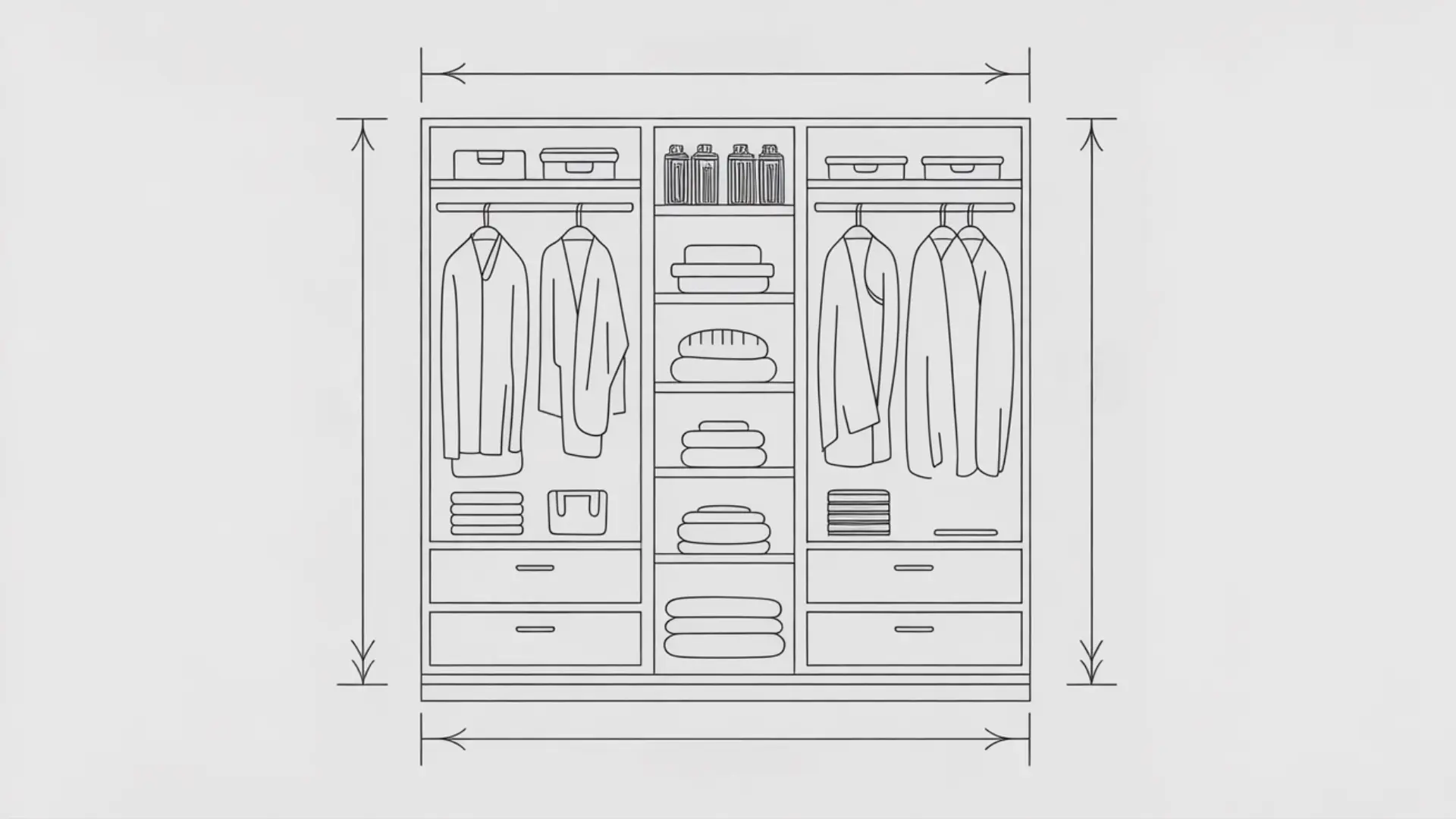
What Is a Hutch and How a Hutch Cabinet Is Used?
Many people feel confused when shopping for storage furniture. They see terms like “hutch,” “cabinet,” and “buffet” thrown around, but what do they actually mean?
What is a hutch, and how does it differ from other furniture pieces?
This blog will clear up the confusion. It explains what a hutch is, how it’s designed, and the practical ways people use it in their homes.
Readers will learn the key features that make a hutch unique, where to place one, and how to choose the right style for their space. Also, they’ll see the difference between a hutch and similar furniture options.
What Is a Hutch?
A hutch is a two-piece furniture unit that combines storage with display space. It has a lower section, usually with closed cabinets or drawers, and an upper section with open shelving or glass-fronted compartments.
The two parts sit stacked, creating a tall, vertical piece. Originally, hutches were kitchen furniture meant to store dishes and food supplies.
The open shelves made it easy to grab plates and bowls, while the closed lower cabinets kept other items out of sight. Over time, the design evolved. Now people use hutches in dining rooms, living rooms, and even home offices.
The defining feature is that vertical split, bottom for hidden storage, top for display. This setup makes a hutch both practical and decorative, which explains why it’s been around for centuries.
What Is a Hutch Cabinet?

A hutch cabinet refers specifically to the lower portion of the hutch. This is the base unit that provides enclosed storage.
Some people also use the term to describe the complete two-piece set, though technically, the cabinet is just the bottom half.
The Hutch Cabinet Typically Includes:
- Closed doors that hide dishes, linens, or other items
- Interior shelves for organized storage
- Drawers in many designs for utensils and smaller objects
- A flat top surface that serves as a counter or display area
This cabinet section does the heavy lifting when it comes to storage. It keeps clutter tucked away while the upper hutch portion handles the display work.
The cabinet usually stands around 30 to 40 inches tall, though sizes vary based on the overall design.
Some hutch cabinets are sold separately so that people can mix and match or use just the base without the top shelving unit.
Main Parts of a Hutch Cabinet
Understanding the different components helps when shopping for or assembling a hutch. Here’s a breakdown of the main parts:
| Part | Function |
|---|---|
| Base Cabinet | The lower enclosed section with doors and drawers for hidden storage |
| Cabinet Doors | Front panels that open to reveal interior shelving and storage space |
| Drawers | Pull-out compartments for utensils, linens, or small items |
| Interior Shelves | Fixed or adjustable horizontal surfaces inside the base cabinet |
| Countertop | The flat surface on top of the base cabinet, often used for serving or displaying |
| Upper Hutch | The top section has open or glass-fronted shelves for displaying items |
| Display Shelves | Open horizontal platforms in the upper section for plates, decor, or glassware |
| Back Panel | The rear wall of the hutch is sometimes decorative or mirrored |
| Glass Doors (optional) | Transparent front panels on the upper section to protect the displayed items |
| Crown Molding (optional) | Decorative trim along the top edge for a finished look |
| Hardware | Handles, knobs, and hinges for opening doors and drawers |
Practical Functions of a Hutch
People use hutches for both practical storage and decorative purposes. The design makes them flexible enough to fit into dining rooms, kitchens, living spaces, and even home offices. Here are the most common ways:
- Storing dinnerware, plates, and serving dishes
- Displaying fine china and glassware collections
- Organizing table linens, napkins, and placemats
- Keeping flatware and utensils within easy reach
- Showcasing family heirlooms or antiques
- Creating a coffee or tea station with mugs and supplies
- Storing wine bottles and bar accessories
- Displaying seasonal decor items
- Organizing office supplies in a home workspace
Hutch Vs Cabinet Vs Sideboard

These three furniture pieces often get confused, but they have distinct differences in design and function. Here’s how they compare:
| Feature | Hutch | Cabinet | Sideboard |
|---|---|---|---|
| Structure | Two-piece unit (base + upper section) | Single enclosed piece | Single low, wide piece |
| Height | Tall (60-84 inches typically) | Varies (30-72 inches) | Short (30-40 inches) |
| Primary Use | Display and storage combined | Enclosed storage only | Serving surface and storage |
| Top Section | Open shelves or glass doors | Solid top or none | Flat serving surface |
| Bottom Section | Closed cabinets and drawers | Shelves and compartments | Cabinets and drawers |
| Display Function | High (upper shelves for showing items) | Low to none | Minimal (only top surface) |
| Storage Type | Both hidden and visible | Fully enclosed | Hidden behind doors |
| Best Location | Dining room, kitchen | Any room needing storage | Dining room, hallway |
| Width | Moderate (36-60 inches) | Varies widely | Wide (48-72 inches) |
| Typical Style | Traditional, formal | Versatile, any style | Classic, often modern |
Types and Styles of Hutches
Hutches come in several varieties based on both their function and design style.
The type you choose depends on where you’ll place it and what you’ll store, while the style should match your home’s decor. Here’s a breakdown of both categories.
By Function and Location

These hutch types are defined by their purpose and the room they’re designed for. Think about what you’ll store and where the hutch will go to determine which functional type works best.
1. Kitchen Hutch
A kitchen hutch focuses on functionality and easy access. It typically has deeper shelves to hold mixing bowls, cookware, and pantry items.
The lower cabinets often include pull-out drawers for utensils and tools. Many kitchen hutches feature a work surface between the upper and lower sections, giving cooks extra prep space.
2. Dining Room Hutch
This is the classic hutch most people think of when they hear the term. Dining room hutches are built to store and display formal dinnerware, serving platters, and glassware.
The upper section usually has glass doors to protect fine china while keeping it visible. These pieces tend to be larger and more decorative than kitchen versions.
3. Corner Hutch
Corner hutches fit into room corners, making them ideal for smaller spaces. They have a triangular or curved base that tucks neatly into the angle where two walls meet.
Despite the compact footprint, they still offer decent storage and display space. The angled design can actually make a room feel bigger by drawing the eye upward.
4. China Hutch
A china hutch is specifically designed to showcase formal dishware and collectibles. It has glass shelving, interior lighting in some models, and minimal closed storage.
The focus here is on display rather than hiding things away. These hutches work best in formal dining rooms where presentation matters.
5. Buffet Hutch
This type pairs a low, wide buffet cabinet with a smaller hutch top. The buffet section provides serving space during meals, while the upper hutch adds display shelves without overwhelming the room.
It’s a popular choice for people who want storage but don’t need a full-height piece.
6. Secretary Hutch
A secretary hutch combines a drop-down desk with traditional hutch storage. The lower section has a fold-out writing surface, making it perfect for home offices or small apartments.
The upper shelves hold books, files, or office supplies. This type turns a hutch into a complete workspace.
By Design Style

Design styles focus on the visual aesthetic rather than function. Choose a style that complements your existing furniture and matches your home’s overall decor theme.
7. Traditional Hutch
Traditional hutches feature ornate details like crown molding, carved accents, and raised panel doors. They’re usually made from dark wood finishes such as cherry or mahogany.
Glass doors with mullions are standard in the upper section. This style works best in formal dining rooms with classic furniture.
8. Modern Hutch
Modern hutches have clean lines, minimal hardware, and simple geometric shapes. They often use lighter wood tones or painted finishes in neutral colors.
The design skips heavy ornamentation in favor of a sleek, streamlined appearance. These work well in contemporary homes with open floor plans.
9. Rustic Hutch
Rustic hutches embrace natural wood with visible grain patterns and imperfections. They often have distressed finishes, metal hardware, and a handcrafted look.
Open shelving is more common than glass doors. This style fits perfectly in country homes, cabins, or spaces with a cozy feel.
10. Farmhouse Hutch
Farmhouse hutches combine practicality with charm. They typically feature painted finishes (often white or cream), beadboard backing, and simple hardware.
The design includes open shelving, plate racks, or hooks for a lived-in appearance. These hutches bring warmth to kitchens and casual dining areas.
11. Industrial Hutch
Industrial hutches mix wood with metal frames, exposed hardware, and raw finishes. They have a warehouse-inspired look with open shelving and minimal doors.
The materials often include reclaimed wood and iron or steel accents. This style suits lofts, urban apartments, and eclectic interiors.
12. Mid-Century Modern Hutch
Mid-century hutches feature tapered legs, sliding doors, and teak or walnut wood. The design is functional yet stylish, with glass display areas and clean proportions.
They sit lower than traditional hutches and have a horizontal emphasis. These pieces work in retro-inspired or minimalist spaces.
13. Coastal Hutch
Coastal hutches use light, weathered finishes that evoke beachside living. White, blue, or sandy tones dominate, often with distressed paint.
Glass doors and open shelving create an airy feel. This style brings a relaxed, vacation-home vibe to any dining area or kitchen.
How to Choose the Right Hutch Cabinet for Your Home?
Selecting the right hutch involves more than just picking a style you like. Consider these factors to find a piece that fits your space and meets your needs:
- Measure your available wall space before shopping
- Check ceiling height to ensure the hutch won’t look cramped
- Think about what you’ll store and display
- Count how many shelves and drawers you actually need
- Match the hutch style to your existing furniture
- Consider the wood finish and color scheme of your room
- Decide between open shelving and glass doors for the upper section
- Check if the hutch comes in two pieces or one solid unit
- Set a realistic budget before you start looking
- Test the quality of doors, drawers, and hardware in person
- Look for adjustable shelves for flexibility
- Consider whether you need lighting inside the hutch
- Measure doorways to make sure the hutch will fit through
Is a Hutch Cabinet Still Popular Today?
Yes, hutches remain popular, though they’ve evolved significantly. Modern designs feature cleaner lines, neutral finishes, and mixed materials that fit contemporary homes.
The core appeal hasn’t changed; everyone needs storage, and the dual-function design still makes sense.
What’s different is how people use them. Beyond dining room china storage, hutches now serve as media centers, home office organizers, or entryway statement pieces.
Interior designers recommend them for small spaces because vertical storage maximizes room without consuming floor area.
The farmhouse and rustic design trends have also boosted hutch popularity. Open shelving with distressed finishes fits perfectly with country-style styles.
Social media shows plenty of styled hutches in modern interiors, proving the concept has adapted rather than disappeared.
The Bottom Line
Now you know what a hutch is and how it works in real homes. This two-piece furniture combines hidden storage with open display space, making it practical for multiple rooms beyond just the dining area.
The key is measuring your room, deciding what you’ll store, and picking a style that matches your existing furniture.
Don’t overthink it. If you need both storage and a way to showcase your favorite items, a hutch handles both jobs in one piece.
Start by browsing local furniture stores or online retailers. Look at dimensions first, style second, and remember, hutches have stayed popular for good reason; they work.