What Is a Garden Tub? Simple Guide
A garden tub is often mentioned in home listings, but many people are not sure what it actually means. Is it just a bigger bathtub, or something different in design and use?
Understanding what a garden tub is helps clear this confusion. It explains why these tubs are deeper, how they are used, and where they fit best in a bathroom.
This blog breaks it down in a simple way. You will learn what defines a garden tub, how it works, how it compares to other tubs, and where it is typically used.
What Is a Garden Tub?
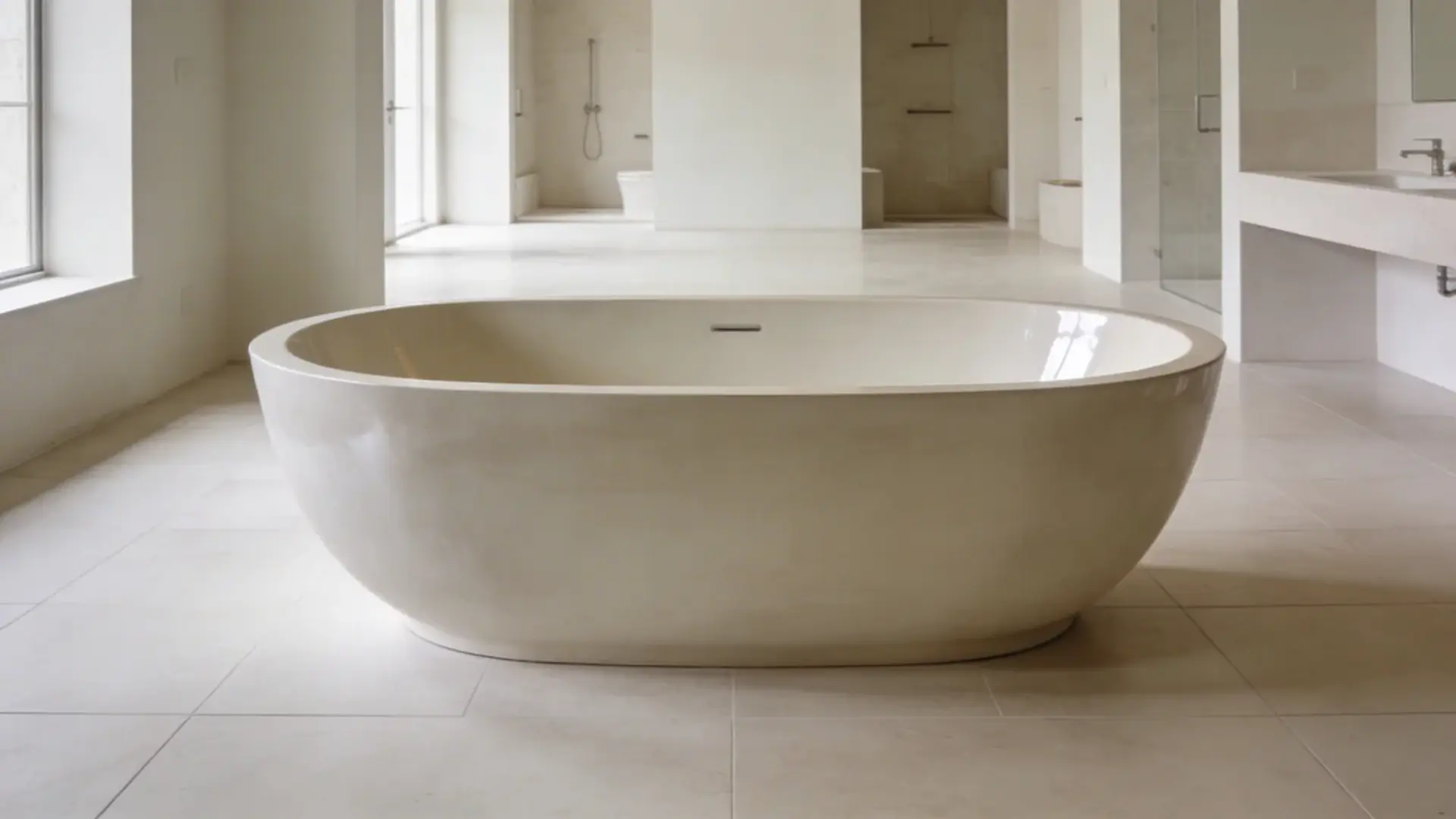
Garden tubs are large, deep bathtubs designed for full‑body soaking rather than quick daily use. It is usually wider and deeper than a standard tub, which allows water to cover most of the body at once.
Most garden tubs have an oval or rounded shape. This shape supports a relaxed position and reduces pressure on the back and legs during long soaks.
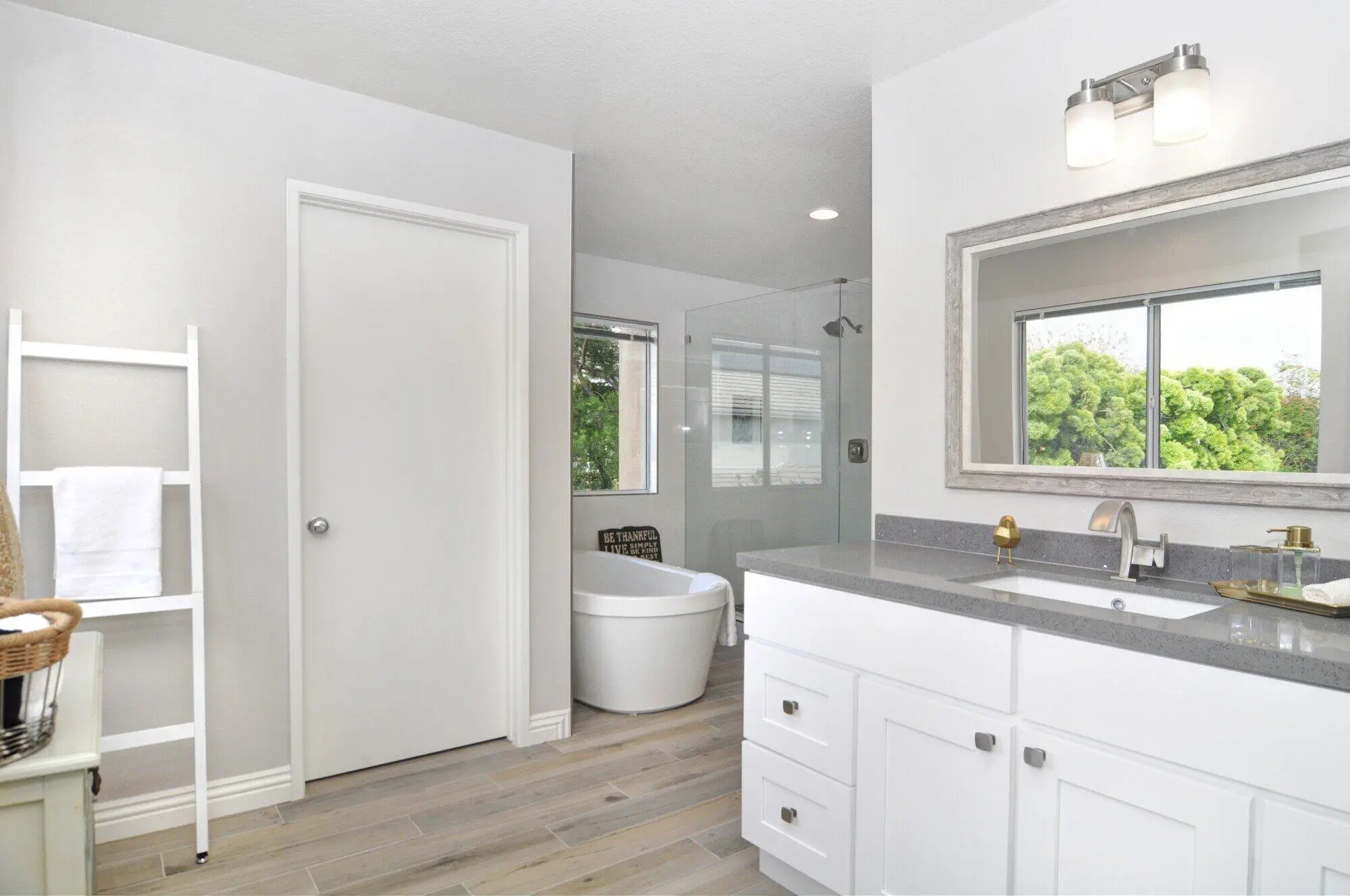
They are often freestanding or placed as a focal point in a bathroom instead of being built into a wall.
In many cases, they do not include a shower, because the main purpose is soaking, not routine bathing.
Core Features that Define a Garden Tub
A garden tub is defined by a few key features that directly affect how it feels and functions. Each feature is designed to support longer, more comfortable soaking rather than quick use.
Size and Depth
Garden tubs are deeper and wider than standard bathtubs, with depths typically ranging from 18 to 22 inches. This extra depth allows the water to rise higher on the body, ensuring full immersion, which is ideal for soaking.
The larger size holds more water, helping it stay warm longer, but it also means more water is required, which can affect water bills and fill times
In addition, the increased depth means longer drainage times. The extra space is best suited for larger bathrooms where the tub can be properly supported and won’t make the room feel cramped.
Shape and Design
Garden tubs usually have a smooth, oval or curved design that aligns with the body’s natural shape. This reduces strain on the back and legs, providing better comfort during long soaks.
Unlike boxy tubs, the rounded shape helps distribute body weight evenly, which improves relaxation. Some garden tubs even include additional features like built-in armrests or sloped backs to enhance comfort.
The curvature also encourages a more relaxed posture, which is difficult to achieve in more angular designs, making garden tubs better for extended soaking.
Freestanding or Open Installation
Garden tubs are typically installed freestanding, offering access from all sides, which is ideal for spacious bathrooms. This open installation allows for flexible positioning, making the tub a focal point of the room.
However, because of their size and weight, these tubs require strong flooring and sufficient clearance around them to avoid a cramped layout. They are not ideal for small bathrooms as they require ample space for both installation and movement around the tub.
Additionally, freestanding tubs often don’t include showers, making them better suited for homes with separate shower areas for daily use.
No Built-in Shower
Most designs exclude an attached shower system to keep the structure open. This avoids overhead fixtures and maintains a clean, unobstructed space for soaking.
The absence of a shower shifts the focus entirely to relaxation. As a result, a separate bathing area is usually required for everyday cleaning.
Why It’s Called a “Garden Tub”?
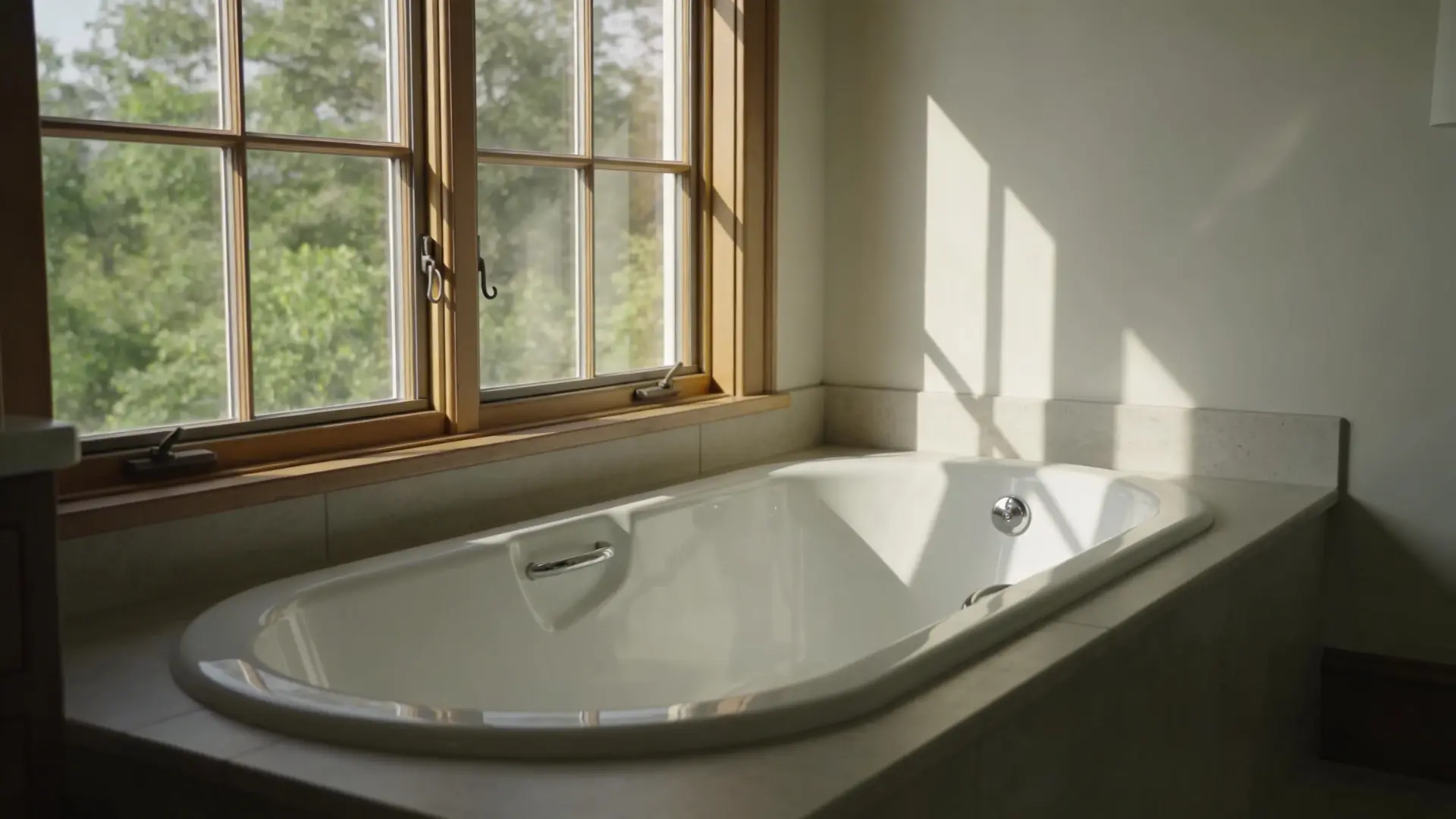
The term “garden tub” actually originates from the tub’s early design and placement rather than its intended use.
Historically, garden tubs were often positioned near large windows, offering views of gardens or outdoor spaces. This placement allowed bathers to relax in the tub while enjoying natural surroundings, creating a tranquil environment that enhanced the overall bathing experience.
The design took advantage of natural light and open spaces, making the tub feel more open and less confined. Over time, however, the name “garden tub” remained, even though most modern installations are indoors.
Today, the term primarily refers to the tub’s size and style, deep, spacious, and ideal for soaking, rather than its original outdoor placement.
There’s a common misconception that “garden” in garden tub relates to gardening or outdoor use. In reality, the name is rooted in the tub’s historical design and placement, not its function.
How a Garden Tub Works (Function and Use Case)
A garden tub is designed to provide an entirely different soaking experience compared to standard bathtubs by combining depth, volume, and body positioning.
Filling the Tub to a Higher Level: The deeper basin of a garden tub holds significantly more water than a standard tub. This increased water volume allows the water to rise higher on the body, providing full immersion.
As a result, users can fully relax without needing to adjust their position or curl up, unlike standard tubs that often leave part of the body exposed.
Supporting a Relaxed Body Position: The shape and depth of the tub encourage a more natural, reclined posture. The tub’s design allows the bather to stretch out comfortably, reducing the need to constantly adjust by bending the knees or shifting position.
This layout supports better relaxation, making long soaks more enjoyable.
Retaining Heat for Longer Soaks: The larger volume of water in a garden tub helps retain heat longer compared to a shallow bath.
Because the tub holds more water, it cools down more slowly, allowing for extended soaks without constantly needing to add hot water, which is a common issue with standard tubs.
Prioritizing Soaking Over Speed: Garden tubs are specifically designed for relaxation and soaking, not for quick, efficient bathing.
Filling and draining the tub take more time due to the larger water capacity, and the design is built for a slower, more indulgent bathing experience. This makes garden tubs ideal for those who value comfort over convenience.
In essence, the function of a garden tub revolves around comfort, immersion, and relaxation, rather than speed and efficiency.
Garden Tub vs. Standard Tub vs. Soaking Tub
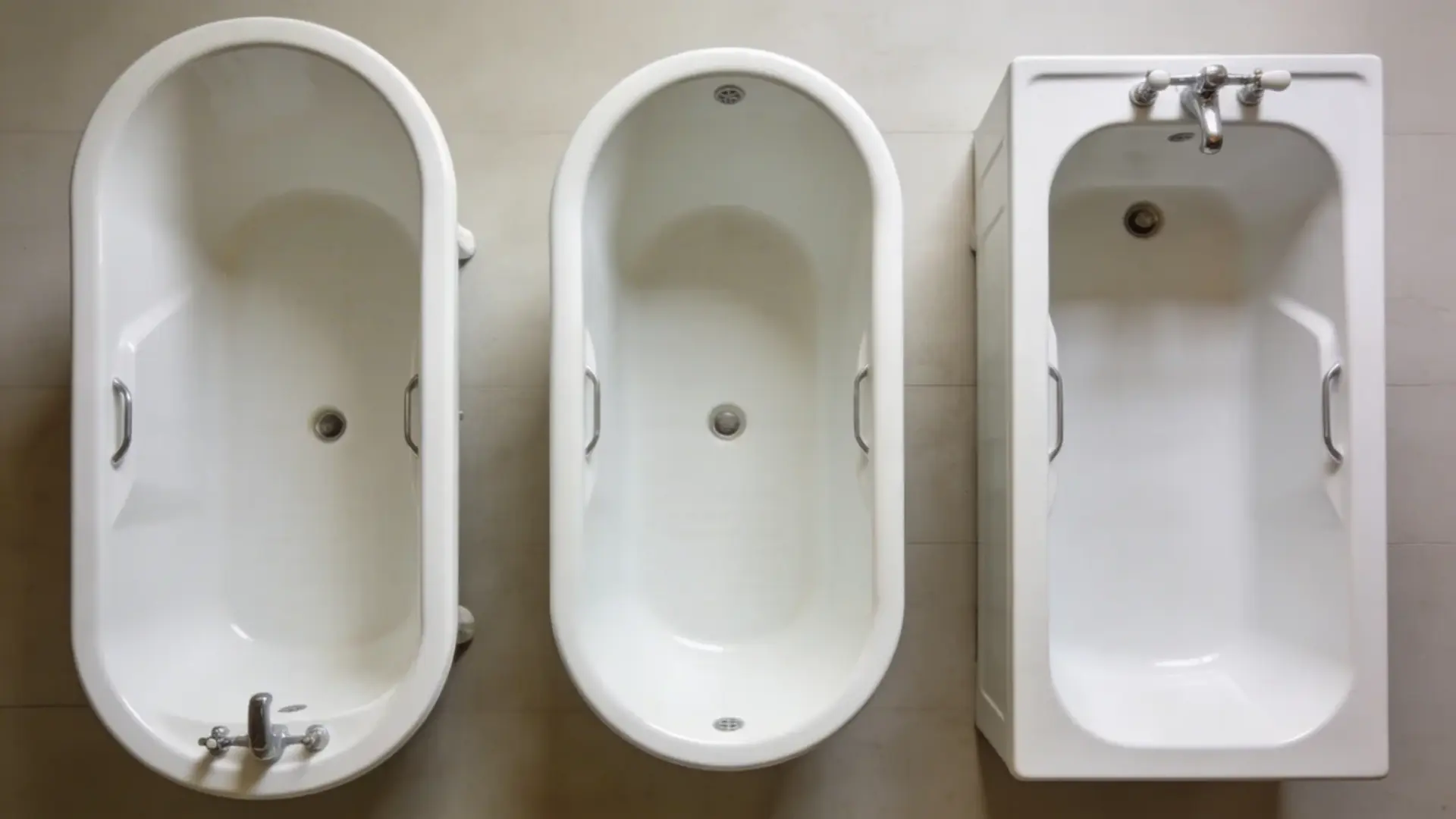
These three terms are often confused because they overlap in function. The table below shows how they differ in purpose, design, and usage:
| Feature | Garden Tub | Standard Bathtub | Soaking Tub |
|---|---|---|---|
| Definition | A large, deep soaking tub with a specific style | A basic tub used for everyday bathing | Any tub designed for deep immersion |
| Scope | Specific type | Standard category | Broad category (includes many designs) |
| Size & Depth | Deep and wide for full-body immersion | Shallower and compact | Usually deep, but size can vary |
| Purpose | Long, relaxed soaking | Quick daily bathing | Deep soaking and comfort |
| Installation | Often freestanding or open layout | Built into walls, often with a shower | Freestanding or built-in |
| Use Context | Large bathrooms, centerpiece placement | Small to medium bathrooms | Fits both compact and spacious bathrooms |
A garden tub is a specific type of soaking tub, while a standard bathtub serves a different purpose, focused on daily use rather than immersion.
Where Garden Tubs are Typically Used
Garden tubs are usually placed in spaces where size and layout can support their design. Their placement depends on both function and available space.
- Primary bathrooms or master suites: These spaces are larger and can accommodate the size without restricting movement.
- Open bathroom layouts: Allow access from multiple sides, which improves usability and prevents a cramped setup.
- Near windows or open areas: Placement near natural light supports a more relaxed and less enclosed environment.
- As a central fixture: Often used as a visual focal point rather than being tucked into a corner.
- Rare in compact bathrooms: Limited space makes installation difficult and reduces overall functionality.
Garden tubs work best in spacious layouts where comfort and placement are not restricted by space limits.
Conclusion
A garden tub is designed for deep, comfortable soaking with a spacious, immersive layout.
Its larger size, curved shape, and open installation allow for longer, more relaxed soaks compared to a standard bathtub.
While it may not suit every bathroom, it’s perfect for larger spaces where comfort is prioritized. Knowing how it differs from other tubs helps set realistic expectations when choosing the right one.
Have you experienced a garden tub or are you thinking about adding one? Share your thoughts or questions in the comments.
Frequently Asked Questions
Why do They Call it a Garden Tub?
The name comes from early designs placed near windows overlooking gardens or outdoor areas. Today, it refers to the tub’s size and style, not its location.
Can Two People Fit in a Garden Tub?
Some larger garden tubs can fit two people, depending on width and shape. Smaller models are usually more comfortable for one person.
Do People Still Use Garden Tubs?
Yes, they are still used, mainly in larger bathrooms for soaking and relaxation. However, compact spaces often favor smaller or multi-use tubs instead.